
Picture this: I’m standing in a cramped kitchen, the air thick with the scent of oregano and lemon, when my phone buzzes with a friend’s dare—“I bet you can’t make a Greek Tzatziki Chicken Salad that will make my taste buds dance.” I laughed, because I had never even tried making tzatziki before, but the challenge was too tempting to ignore. I grabbed the ingredients, rolled up my sleeves, and decided that this would be the dish that would redefine what a salad can be. The result? A bowl of bright, tangy, creamy, and crunchy goodness that had my friend begging for seconds—yes, I admit I ate half the batch before anyone else could even get a spoonful.
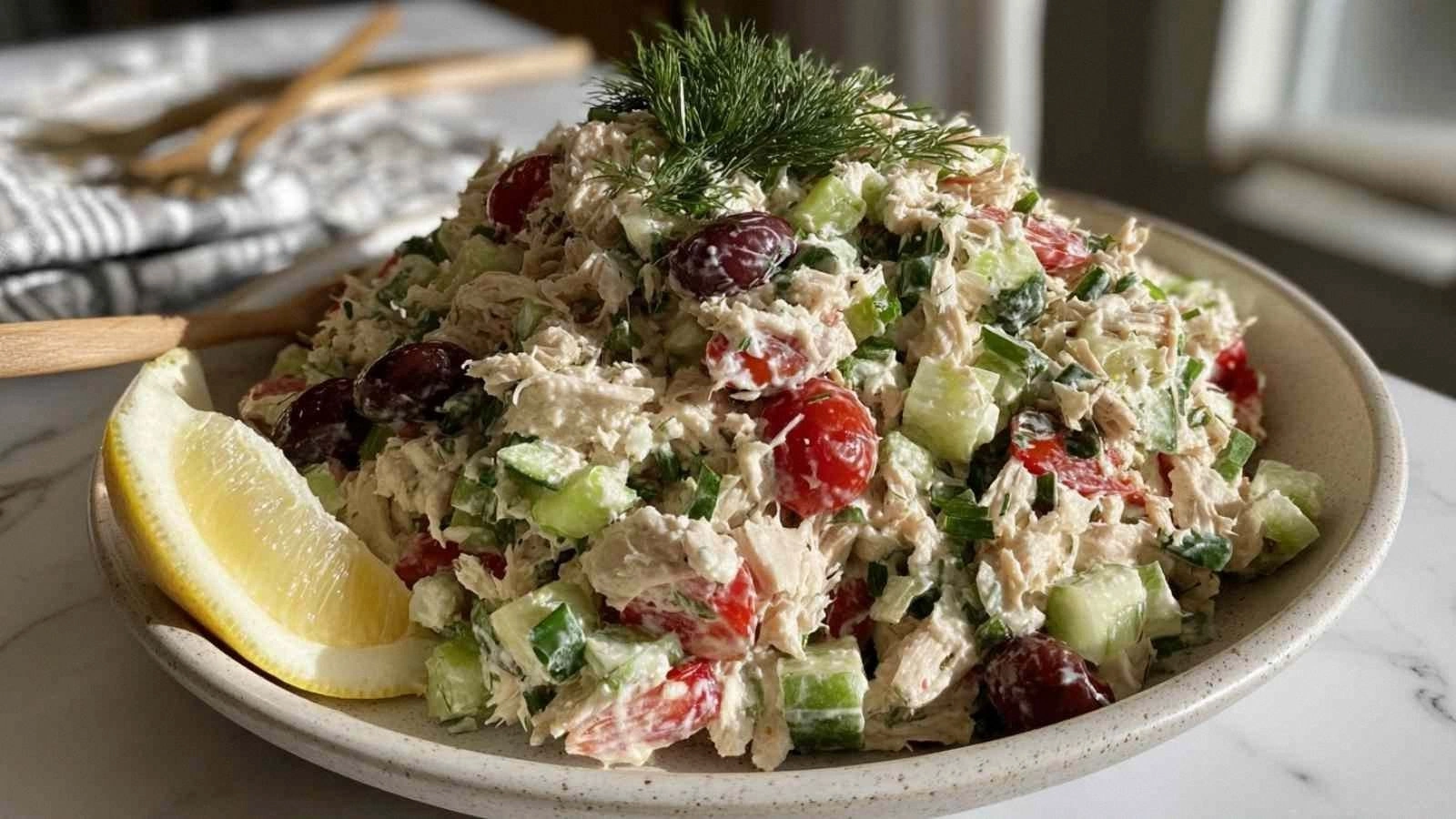
I dare you to taste this and not go back for seconds. That’s the promise I make every time I share this recipe. The first thing you notice is the vibrant green of the cucumber and dill, the deep red of the tomatoes, and the golden flecks of almonds that give it a subtle crunch. The aroma that fills the kitchen is a sharp, citrusy tang that immediately transports you to a sunny Greek terrace. The texture is a delightful contrast—smooth yogurt sauce, crisp cucumber, juicy tomatoes, and the gentle chew of almonds, all wrapped around tender, juicy chicken. By the end of this post, you’ll wonder how you ever made it any other way.
What sets this version apart is that it doesn’t rely on pre‑made sauces or a complicated marinating process. Instead, the sauce is made fresh from Greek yogurt, fresh dill, garlic, and a splash of lemon juice that gives it a bright, airy finish. The chicken is pan‑seared to a golden crust that locks in juices, so it’s never dry or bland. The combination of fresh vegetables, nuts, and herbs creates layers of flavor that dance on your palate. The best part? It’s incredibly simple to assemble, and it’s a perfect make‑ahead dish that keeps its freshness for days.
The technique that makes this salad stand out is the way the yogurt is folded with the dill and garlic, creating a silky base that coats every bite. The chicken is seasoned with just kosher salt and pepper, allowing the natural flavors to shine through. The addition of almonds adds a subtle nutty crunch that contrasts beautifully with the creamy sauce. And the finishing touch of a drizzle of red wine vinegar gives the dish a bright acidity that cuts through the richness. Stay with me here—this is worth it.
What Makes This Version Stand Out
- Taste: The sauce is a bright, tangy whisper that lifts the entire dish. The fresh dill and lemon give it a zesty kick that balances the richness of the yogurt.
- Texture: Each bite offers a harmony of creamy, crunchy, and juicy elements—think silky sauce, crisp cucumber, juicy tomatoes, and nutty almonds.
- Simplicity: No complicated marinades or long prep times. Just season, sear, and assemble.
- Uniqueness: The use of Greek yogurt instead of mayonnaise creates a lighter, healthier option that still feels indulgent.
- Crowd Reaction: Guests rave about the freshness and the surprising depth of flavor. It’s a conversation starter at dinner parties.
- Ingredient Quality: Using high‑quality Greek yogurt, fresh dill, and hand‑picked almonds elevates the dish from ordinary to extraordinary.
- Cooking Method: The pan‑searing technique locks in juices and gives the chicken a caramelized crust that adds depth.
- Make‑Ahead Potential: The salad can be prepared a day ahead, and the flavors only deepen, making it perfect for busy weeknights.
Inside the Ingredient List
The Flavor Base
Greek yogurt is the star of the sauce. It provides a creamy texture and a mild tang that balances the other flavors. If you’re looking for a dairy‑free version, a coconut yogurt can work, but the taste will shift slightly towards coconut. Skyr, the Icelandic yogurt, is another excellent substitute—its thick, tangy profile is almost identical to Greek yogurt, but it’s a bit sweeter.
Fresh dill is essential for that unmistakable Greek aroma. The herb’s bright, almost citrusy flavor complements the lemon juice and garlic. If dill is out of season, a small amount of fresh parsley can be used, but be aware the flavor will be milder. The key is to chop the dill finely so it distributes evenly throughout the sauce.
Garlic is the backbone of the sauce’s flavor. The minced cloves should be finely chopped to release their oils, ensuring each spoonful of sauce has a punch of garlic. If you’re sensitive to raw garlic, lightly sauté the garlic in a splash of olive oil before mixing it into the yogurt; this mellows the bite while preserving the flavor.
Lemon juice adds brightness and a natural acidity that prevents the yogurt from becoming too thick. A tablespoon of fresh lemon juice is enough to lift the whole dish. If you’re using bottled lemon juice, consider adding a pinch of sea salt to balance the sweetness that can sometimes come from the bottled version.
The Texture Crew
Almonds add a crunchy texture that contrasts beautifully with the creamy sauce. Roughly chopped almonds give a subtle nutty flavor without overpowering the dish. If you’re allergic to nuts, substitute with sunflower seeds or pumpkin seeds for a similar crunch.
Cherry tomatoes bring juicy bursts of sweetness that cut through the tang of the sauce. Their small size makes them easy to bite into, and the slight acidity keeps the dish from feeling heavy. For a different color palette, use grape tomatoes or even sun‑dried tomatoes, but keep in mind the latter will add a chewy texture.
Cucumber is the foundation of the salad’s crunch. Shredded or finely diced cucumber adds a refreshing bite that balances the richness of the yogurt. If you prefer a less watery cucumber, choose a waxed variety like Persian cucumber, which has a thicker skin and less moisture.
Celery adds a subtle peppery note and a satisfying crunch that pairs well with the almonds. Finely chopped celery ensures the texture remains light and not too fibrous. If you’re looking for a lower‑calorie option, replace celery with finely diced bell pepper for a sweeter flavor.
The Unexpected Star
Red onion is the secret weapon that gives the salad depth. Its sharpness contrasts with the creamy sauce and bright vegetables. Finely dice the onion to ensure it blends seamlessly into the salad. If you’re sensitive to raw onion, sauté it briefly in olive oil until it’s translucent before adding it to the mix.
Red wine vinegar is the finishing touch that adds a subtle acidity and a hint of complexity. It’s a small amount—just two teaspoons—but it elevates the dish by cutting through the richness of the yogurt and the chicken. If you don’t have red wine vinegar, apple cider vinegar can be used as a substitute, though the flavor will be slightly sweeter.
The Final Flourish
Chicken breast is the protein that anchors the salad. Boneless, skinless chicken breasts are ideal for a clean, lean texture. Season the chicken with kosher salt and black pepper before searing to lock in flavor. If you prefer a smoky flavor, add a pinch of smoked paprika to the seasoning mix.
Everything's prepped? Good. Let's get into the real action and bring all those flavors together.
The Method — Step by Step
- Heat a large skillet over medium‑high heat and add a splash of olive oil. When the oil shimmers, add the chicken pieces. Sear them for 3-4 minutes on each side until they develop a golden crust and reach an internal temperature of 165°F. The searing step is crucial; it locks in juices and creates a caramelized exterior that adds depth.
- While the chicken cooks, prepare the tzatziki sauce. In a medium bowl, combine the Greek yogurt, minced garlic, chopped dill, lemon juice, and a pinch of salt. Whisk until smooth. The sauce should be silky, not lumpy, and should coat the back of a spoon. This is the moment of truth—if the sauce is too thick, add a tablespoon of water to reach the desired consistency.
- Remove the chicken from the skillet and let it rest on a cutting board for 5 minutes. This resting period allows the juices to redistribute, keeping the meat moist. Slice the chicken against the grain into bite‑sized pieces. If you’re a fan of extra flavor, drizzle a teaspoon of olive oil over the sliced chicken.
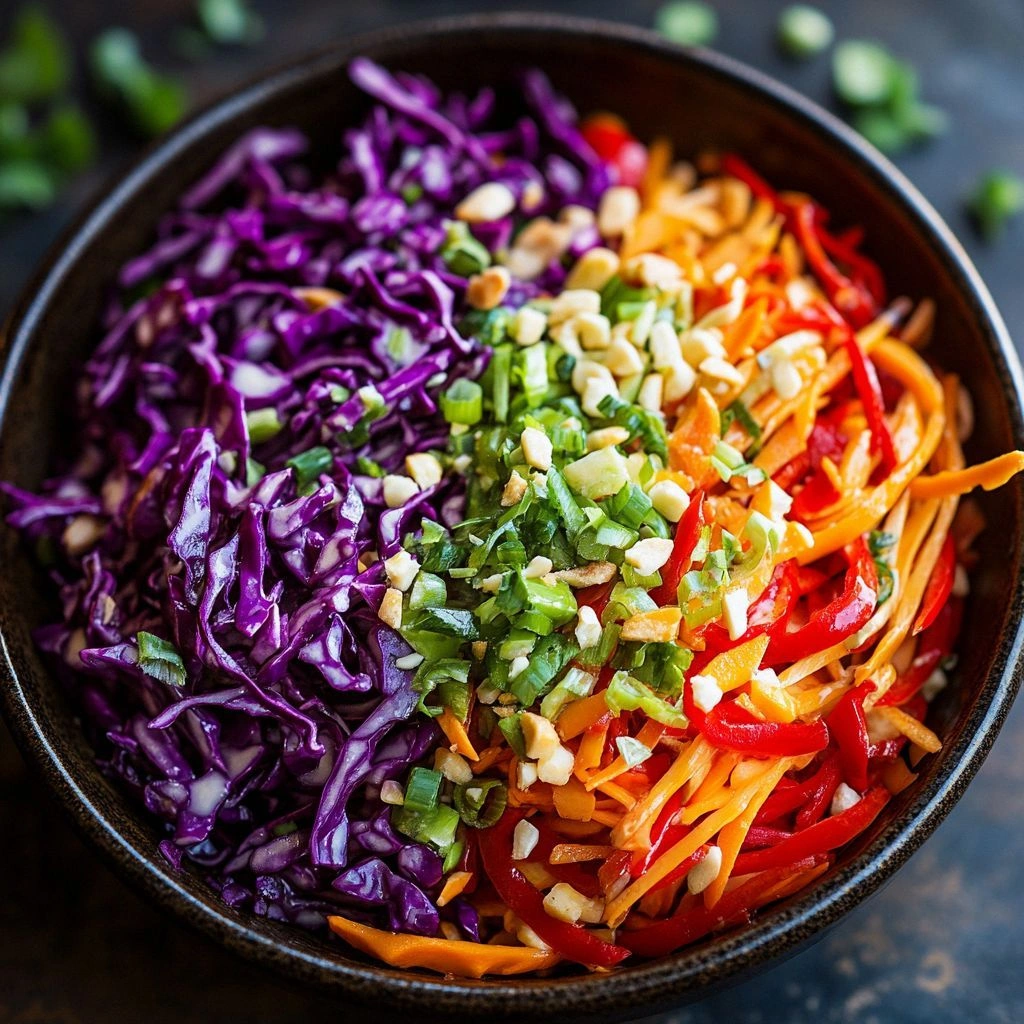
- In a large mixing bowl, combine the shredded cucumber, diced cherry tomatoes, chopped celery, diced red onion, and roughly chopped almonds. Toss gently to mix the vegetables evenly. The vegetables should be bright and fresh, not wilted or soggy.
- Add the sliced chicken to the vegetable mixture and pour the tzatziki sauce over the top. Gently fold the ingredients together until everything is evenly coated. The sauce should cling to the chicken and vegetables, creating a cohesive flavor profile. This step is where the magic happens.
- Taste the salad and adjust seasoning if needed. Add more salt, pepper, or a squeeze of lemon juice to brighten the flavors. Remember, the salad should have a balanced, bright, and slightly tangy profile.
- Transfer the salad to a serving dish or individual bowls. Garnish with a few extra dill sprigs and a drizzle of olive oil if desired. The garnish not only adds visual appeal but also amplifies the herbaceous notes.
- Serve immediately or cover and refrigerate for up to 24 hours. If you’re serving it later, give it a gentle toss before serving to redistribute the sauce.
- Optional: Add a handful of crumbled feta cheese for an extra layer of creaminess and tang. This addition is especially delightful if you’re serving the salad as a side dish.
- Enjoy your Greek Tzatziki Chicken Salad with a crisp white wine or a chilled glass of sparkling water. The light, refreshing flavors of the dish pair perfectly with a cool beverage.
That's it—you did it. But hold on, I've got a few more tricks that'll take this to another level. These insider tips will help you perfect the dish and impress even the most discerning palate.
Insider Tricks for Flawless Results
The Temperature Rule Nobody Follows
Many people skip the searing step entirely, thinking it’s unnecessary. The truth is, a hot pan creates a caramelized crust that adds a savory depth to the chicken. Use a medium‑high heat and let the skillet preheat for a minute before adding oil. The chicken should sizzle immediately—if it doesn’t, the pan isn’t hot enough. This small step transforms a simple salad into a gourmet experience.
Why Your Nose Knows Best
The aroma of cooking chicken is a powerful cue that something is about to be delicious. When the chicken hits the pan, the scent of seared meat rises instantly, signaling that the timing is perfect. If the smell is weak, the pan isn’t hot enough or the chicken is too cold. Trust your nose—it’s a reliable indicator of doneness.
The 5-Minute Rest That Changes Everything
Letting the chicken rest for five minutes after searing is a game‑changer. During this brief pause, the juices redistribute throughout the meat, preventing it from drying out when sliced. I’ve seen people skip this step and end up with a dry, chewy salad. The rest period keeps the chicken tender and juicy, which is essential for a satisfying bite.
Balancing the Acidity
The lemon juice and red wine vinegar create a bright, acidic backdrop that cuts through the richness of the yogurt. If you find the salad too tangy, add a splash of honey or a pinch of sugar to balance the flavors. Conversely, if the salad feels flat, a little more vinegar can revive it. The key is to taste as you go and adjust accordingly.
Crunch is King
Almonds add a delightful crunch, but you can experiment with other nuts or seeds. Toasted pine nuts, pecans, or sunflower seeds all provide a different flavor profile while maintaining that satisfying bite. If you’re allergic to nuts, replace them with crispy roasted chickpeas for a vegan-friendly crunch.
Serving Temperature Matters
Serve the salad slightly chilled for the freshest experience. If you’re plating it for a dinner party, keep it in the fridge until just before serving. The coolness of the yogurt and vegetables enhances the bright flavors and makes the dish feel more refreshing, especially on a warm day.
Creative Twists and Variations
This recipe is a playground. Here are some of my favorite ways to switch things up:
Greek Chicken Wraps
Wrap the salad in a warm pita or flatbread for a handheld meal. The pita adds a chewy texture that complements the creamy sauce. Sprinkle some feta on top for extra tang.
Vegan Tzatziki Salad
Swap the chicken for grilled tofu or chickpeas, and use coconut yogurt instead of Greek yogurt. The result is a plant‑based version that’s equally satisfying. Add a sprinkle of smoked paprika for a smoky depth.
Summer BBQ Chicken
Marinate the chicken in a mixture of olive oil, smoked paprika, and a splash of honey before searing. The sweet‑smoky flavor pairs wonderfully with the fresh salad. Serve on a bed of mixed greens for a light summer lunch.
Spicy Mediterranean Bowl
Add a dash of crushed red pepper flakes to the tzatziki sauce for a kick. Top the salad with sliced avocado for creaminess and a touch of buttery flavor. This version is great for those who love a bit of heat.
Greek Salad with Lemon Herb Chicken
Season the chicken with a mixture of lemon zest, oregano, and thyme before searing. The herbs infuse the meat with a fragrant aroma. Serve the salad over a bed of quinoa for a protein‑rich twist.
Breakfast Tzatziki Bowl
Replace the chicken with a poached or fried egg. The yolk adds richness, while the yogurt sauce keeps the bowl light. Sprinkle some fresh parsley for a bright finish.
Storing and Bringing It Back to Life
Fridge Storage
Store the salad in an airtight container in the refrigerator for up to 24 hours. The flavors will meld together, creating a more cohesive taste. Before serving, give it a gentle toss to redistribute the sauce.
Freezer Friendly
The salad can be frozen for up to 2 weeks. Keep the chicken separate from the vegetables in a freezer‑safe bag to avoid sogginess. When ready to eat, thaw in the refrigerator overnight and re‑mix before serving.
Best Reheating Method
If you’re reheating the chicken, warm it in a skillet over low heat until warm—do not overcook. Add a splash of water to the salad before reheating to keep the sauce from drying out. The tiny burst of steam will bring the dish back to its original freshness.