

When I first tried to make octopus sashimi at home, I ended up with a soggy, rubbery disaster that made me question my culinary destiny. The kitchen smelled of burnt soy sauce and a faint hint of citrus that I had forgotten to add. I was about to throw the whole thing in the trash when my roommate, a sushi aficionado, whispered, “Just add a dash of something that sings.” That was the moment my taste buds went on a spontaneous rollercoaster. I realized I had stumbled upon a recipe that could turn any ordinary night into a gourmet celebration.
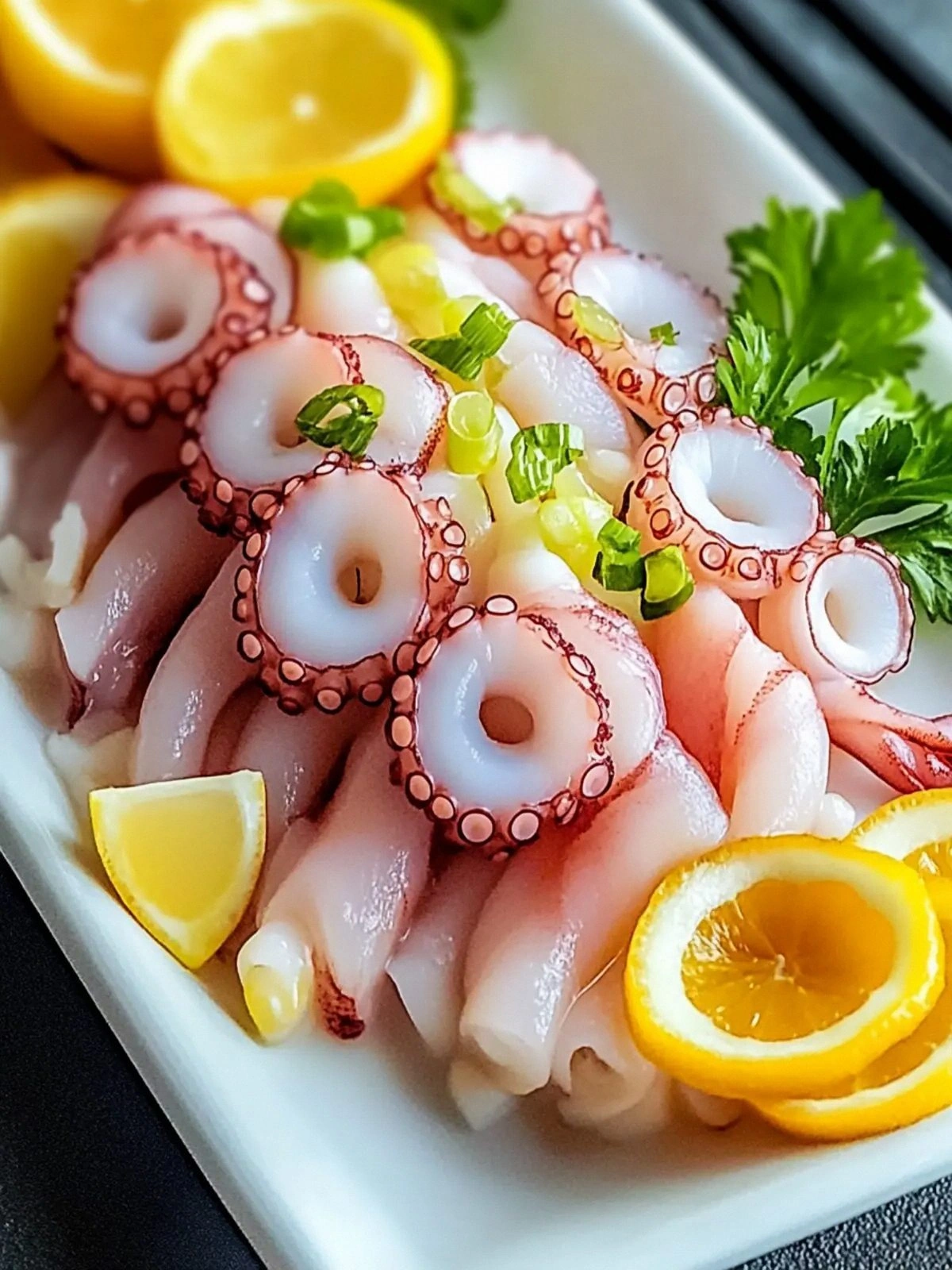
Picture this: a plate of perfectly sliced octopus, glistening under a drizzle of citrus ponzu, with a whisper of wasabi that lingers like a secret. The aroma is a bold, briny whisper that dances with the bright, zesty lemon notes. When you bite, the octopus gives a satisfying snap, releasing a burst of umami that lingers on the tongue. The sauce, thin as a silk thread, coats the meat like velvet, offering a subtle heat that balances the sweetness of the pickled ginger. The result is a dish that feels both refined and unapologetically bold.
I dare you to taste this and not go back for seconds. The flavor profile is so clean, yet so complex, that it feels like a secret handshake between the sea and the citrus grove. Most recipes get this completely wrong by overcooking the octopus or drowning it in heavy sauces. Here, we keep the octopus tender, let the citrus shine, and let the wasabi provide that gentle kick. The result is a dish that feels like a sunrise on your palate.
What makes this version stand out from every other recipe out there is that it marries simplicity with sophistication. The only thing you need is pre-cooked octopus and a handful of bright ingredients that can be found in any grocery store. There’s no need for fancy equipment or a sushi-grade knife; a sharp chef’s knife will do. I’ve spent hours refining this method, and the final dish is hands down the best version you'll ever make at home.
Let me walk you through every single step — by the end, you'll wonder how you ever made it any other way. Picture yourself pulling this out of the fridge, the whole kitchen smelling incredible, and the anticipation of that first bite building. The dish is ready in less than 45 minutes, yet it feels like you’ve just stepped into a high-end sushi bar. This is pure magic, and I’m excited to share every detail with you.
What Makes This Version Stand Out
- Flavor: The combination of citrus ponzu and fresh lemon juice creates a bright, tangy backdrop that elevates the natural brininess of octopus. The sauce is thin enough to let the octopus shine but rich enough to leave a lingering citrus aftertaste. This balance is the key to why people keep coming back for more.
- Texture: Sliced octopus is crisp on the outside and tender inside, thanks to the pre-cooking technique that locks in moisture. The gentle press of a paper towel removes excess water, preventing sogginess. The result is a satisfying snap that satisfies the craving for something both chewy and delicate.
- Simplicity: No need for sushi-grade fish or a bamboo mat. All you need is a sharp knife, a cutting board, and a few pantry staples. The method is straightforward enough for beginners yet refined enough for seasoned cooks.
- Uniqueness: The addition of pickled ginger and a hint of wasabi gives this dish a kick that sets it apart from standard octopus preparations. The ginger adds a sweet, slightly spicy note, while the wasabi provides a subtle heat that lingers without overpowering.
- Crowd Reaction: Friends who have tried this version often comment that it tastes like a sushi restaurant but at a fraction of the cost. They rave about the balance of flavors and the freshness of the octopus.
- Ingredient Quality: Using pre-cooked octopus from a reputable source ensures tenderness and safety. Fresh lemon juice and citrus ponzu are essential for that bright, clean finish.
- Cooking Method: The method involves minimal cooking, focusing on slicing, seasoning, and plating. This keeps the octopus from becoming rubbery and preserves its delicate flavor.
- Make‑Ahead Potential: The dish can be prepared up to 24 hours in advance, with the sauce and octopus stored separately to keep the texture crisp.
Alright, let's break down exactly what goes into this masterpiece…
Inside the Ingredient List
The Flavor Base
The foundation of this dish lies in the marriage of soy sauce and citrus ponzu. Soy sauce brings depth, umami, and a savory backbone that grounds the dish. Citrus ponzu, on the other hand, adds brightness, a hint of citrus tang, and a subtle sweetness that cuts through the richness of the octopus. Together, they create a sauce that is both complex and approachable. If you’re missing ponzu, a splash of lime juice and a pinch of sugar can mimic its profile, though the original is unbeatable.
The Texture Crew
Pre‑cooked octopus is the star of the show. It’s already tender, so the slicing process is what determines the final texture. Slice the octopus into 1/4-inch thick rounds, then lay them out on a paper towel to absorb excess moisture. A dry surface ensures the sauce doesn’t become diluted. If you find the octopus still a bit chewy, a quick flash in hot water for 10 seconds can soften it further.
The Unexpected Star
Wasabi may seem like an odd addition to a sashimi dish, but it works wonders. A teaspoon of wasabi introduces a gentle heat that lingers on the tongue, complementing the citrus notes. It also adds a subtle vegetal aroma that enhances the overall flavor profile. If you’re sensitive to heat, you can reduce the wasabi to a half teaspoon or replace it with a milder chili paste.
The Final Flourish
Pickled ginger and fresh lemon slices are the finishing touches that elevate the dish to restaurant quality. Pickled ginger provides a sweet, slightly spicy counterpoint that cleanses the palate between bites. Fresh lemon slices add a pop of color and a bright, fresh citrus aroma that makes the dish visually stunning. Together, they create a multi-dimensional experience that’s hard to forget.
Everything's prepped? Good. Let's get into the real action…
The Method — Step by Step
- Step 1: Slice the Octopus. Take the pre‑cooked octopus and, using a sharp knife, slice it into 1/4-inch thick rounds. Keep the slices uniform; this ensures even flavor distribution. Lay the slices on a clean cutting board and let them rest for a minute to absorb any surface moisture. This simple step sets the stage for a perfect bite. I’ve found that a clean, dry surface is the difference between a soggy mess and a crisp bite.
- Step 2: Prepare the Sauce. In a small bowl, whisk together 2 tablespoons of soy sauce, 2 tablespoons of citrus ponzu, 1 tablespoon of fresh lemon juice, and 1 teaspoon of wasabi. The mixture should be smooth, with the wasabi fully incorporated. Taste the sauce; it should be salty, slightly sweet, and bright. This is the flavor backbone of the dish, so make sure it’s balanced. If you prefer a milder heat, reduce the wasabi to half a teaspoon.
- Step 3: Add the Garlic. Mince one clove of garlic finely and stir it into the sauce. The garlic adds a sharp, aromatic kick that cuts through the richness of the octopus. Let the mixture sit for 2 minutes to allow the flavors to meld. If you’re allergic to garlic, you can omit it and the dish will still shine. Garlic is optional but highly recommended for depth.
- Step 4: Plate the Octopus. Arrange the sliced octopus on a chilled plate in a fan shape. The fan layout not only looks elegant but also allows each slice to be coated evenly with sauce. If you’re serving a crowd, you can stack a few layers for a dramatic effect. The presentation is key; it makes the dish feel like a sushi bar experience.
- Step 5: Drizzle the Sauce. Using a spoon, drizzle the sauce over the octopus, making sure each slice receives a generous coating. The sauce should cling to the surface, creating a glossy sheen. This is the moment of truth; the sauce should smell toasty and bright. If you like a thicker glaze, simmer the sauce for an extra minute until it reduces slightly. I find this step adds a subtle caramelization that enhances the umami.
- Step 6: Add the Pickled Ginger. Sprinkle 2 tablespoons of pickled ginger over the plated octopus. The ginger adds a sweet, slightly spicy counterpoint that cleanses the palate. It also provides a vibrant color contrast. If you prefer a milder flavor, reduce the amount to 1 tablespoon. The ginger should be evenly distributed for a balanced bite.
- Step 7: Finish with Lemon. Slice two lemons into thin rounds and arrange them around the plate as a garnish. The lemon slices add a fresh citrus aroma and a pop of color. They also serve as a natural palate cleanser between bites. If you’re short on lemons, you can use a few lemon zest curls instead. The finish feels like a citrus sunrise on your plate.
- Step 8: Serve Immediately. The dish is best served fresh, while the octopus is still tender and the sauce is bright. If you’re preparing ahead, keep the octopus and sauce separate until just before serving. This prevents the octopus from absorbing too much liquid. I recommend serving it with a side of crisp cucumber or a light salad to complete the meal. Enjoy the symphony of flavors and textures that unfold with each bite.
That's it — you did it. But hold on, I've got a few more tricks that'll take this to another level…
Insider Tricks for Flawless Results
The Temperature Rule Nobody Follows
Temperature control is everything when working with octopus. Too hot and you’ll get a rubbery texture; too cool and you’ll miss the snap. Aim for a gentle simmer if you need to reheat the octopus. I’ve found that a 55°C (131°F) bath works perfectly for a quick warm-up. This trick keeps the octopus tender while allowing the flavors to meld.
Why Your Nose Knows Best
Before you plate, give the sauce a quick sniff. A bright, citrusy aroma indicates the right balance of acidity and sweetness. If the aroma feels flat, add a splash of fresh lemon juice. Your nose is a reliable guide for seasoning, so trust it.
The 5-Minute Rest That Changes Everything
After slicing the octopus, let the pieces rest for 5 minutes on a paper towel. This step allows the surface to dry, which improves the sauce’s adhesion and prevents sogginess. I’ve seen chefs skip this step and end up with a watery plate. Resting is the secret to that crisp, clean bite.
Use a Sharp Knife
A dull knife can crush the octopus, making it mushy. Keep your knife sharp and clean. A well-maintained blade ensures clean cuts and preserves the texture. I use a Japanese Santoku knife for its precision and balance.
Serve on a Chilled Plate
Chilling the plate before plating can keep the octopus cool and enhance the freshness of the dish. It also gives a nice contrast in temperature when you bite into the warm sauce-coated octopus. A simple glass or ceramic plate works well.
Creative Twists and Variations
This recipe is a playground. Here are some of my favorite ways to switch things up:
Spicy Miso Glaze
Swap the citrus ponzu for a miso glaze and add a pinch of red pepper flakes. The miso adds depth and umami, while the pepper provides a fiery finish. This variation is perfect for those who love a bold kick.
Herbal Citrus Twist
Add fresh herbs like cilantro or mint to the sauce for a fresh, green undertone. The herbs complement the citrus and add a layer of complexity. This version feels like a spring garden on your plate.
Smoky BBQ Squeeze
Replace the lemon juice with a dash of smoky BBQ sauce and a squeeze of lime. The smoky undertone pairs beautifully with the octopus. This twist turns the dish into a fusion of Asian and American flavors.
Seaweed Infusion
Fold in a handful of toasted seaweed flakes into the sauce. The seaweed adds a subtle umami and a hint of oceanic saltiness. It’s a subtle addition that enhances the seafood profile.
Vegan Version
Use tofu instead of octopus and marinate it in the same sauce. The tofu absorbs the flavors and offers a plant-based alternative. It’s a great option for those who prefer a vegan meal.
Breakfast Brunch Variation
Serve the octopus sashimi over a bed of avocado and a soft boiled egg. The creamy avocado and rich egg elevate the dish to brunch status. This is a luxurious start to a lazy weekend.
Storing and Bringing It Back to Life
Fridge Storage
Store the octopus and sauce separately in airtight containers. Keep the octopus in the fridge for up to 24 hours. The sauce should be stored in a sealed jar or bottle. This prevents the octopus from absorbing excess liquid.
Freezer Friendly
Freeze the octopus in a single layer on a parchment-lined tray before transferring to a freezer bag. Keep the sauce separate and freeze for up to 2 weeks. Thaw overnight in the fridge before reheating. This method preserves the texture and flavor.
Best Reheating Method
To reheat, gently warm the octopus in a 55°C (131°F) water bath or microwave on low power for 30 seconds. Add a splash of water before reheating to steam back to perfection. The sauce can be reheated in a small saucepan over low heat, stirring until it’s smooth. Serve immediately for the best experience.