Picture this: you’re halfway through a dinner party, the guests are eyeing the roast with that hungry gleam, and you realize you’ve forgotten the sauce that was supposed to make everything sing. I’ve been there, staring at a bland piece of meat and feeling the panic rise like a soufflé in a cold oven. The kitchen was a mess of clattering pans, the timer was screaming, and my confidence was teetering on the edge of a culinary cliff. In that chaotic moment I grabbed a stick of butter, a handful of rosemary, and a daring notion that what if I could turn that simple trio into a buttery masterpiece that would have everyone asking for seconds?
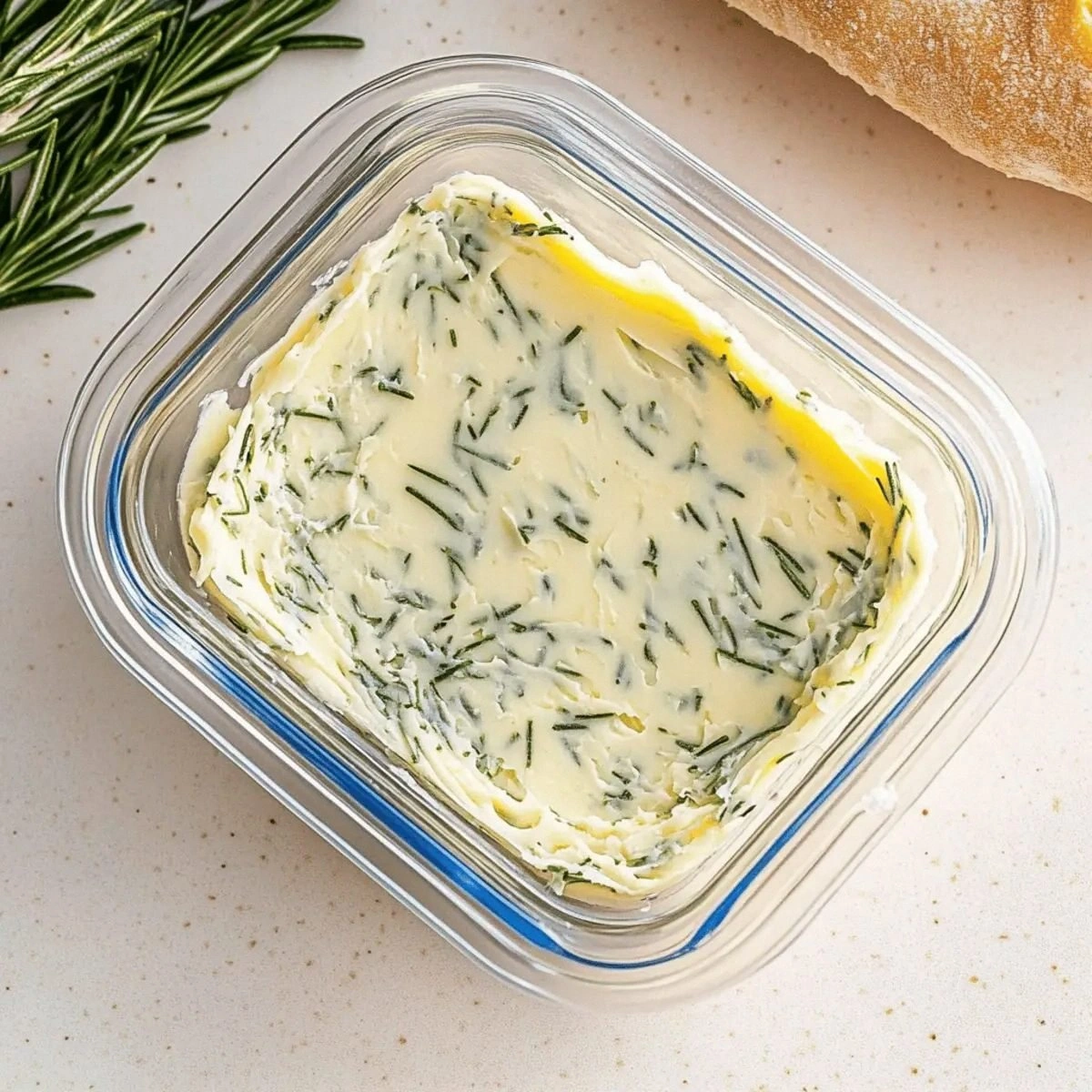
The first whiff hit me like a summer breeze through an open window – fresh piney rosemary mingling with the rich, creamy scent of melted butter, a whisper of garlic powder that promised depth, and a subtle salt that rounded everything out. My ears picked up the gentle sizzle as the butter hit the pan, a sound that felt like a promise being kept. The texture under my spoon was silkier than a cashmere sweater, and the color was a golden‑green hue that looked almost too pretty to eat. When I finally spread that butter over a warm slice of crusty bread, it melted like a dream, coating every crevice with a flavor that was simultaneously herbaceous, buttery, and just a touch peppery.
That instant, I knew I had stumbled upon the ultimate version of rosemary butter – the kind that makes you wonder why you ever settled for anything less. Most recipes either drown the delicate rosemary in too much butter or skimp on the seasoning, leaving you with a bland, greasy spread. This version, however, balances each component with surgical precision, delivering a buttery canvas that elevates any dish without stealing the spotlight. I’m daring you to taste this and not go back for seconds; if you do, I’ll be honest — I ate half the batch before anyone else got to try it.
What makes this batch truly special is a secret technique I picked up from a French pâtissier: I gently toast the rosemary in the butter at a low temperature, coaxing out its essential oils without burning them, then finish with a flash of high heat to lock in that aromatic punch. It’s a small step that makes a massive difference, and most home cooks miss it entirely. Let me walk you through every single step — by the end, you’ll wonder how you ever made it any other way.
What Makes This Version Stand Out
- Flavor Explosion: The rosemary is toasted just enough to release its piney notes, then folded into butter that’s perfectly seasoned with garlic powder and pepper, creating a layered taste that lingers.
- Silky Texture: By emulsifying the butter with a splash of warm water before chilling, the spread stays spreadable even when refrigerated, unlike typical hardened butter mixes.
- Simplicity: Only five ingredients are required, and each one is treated with care, proving that you don’t need a pantry full of exotic spices to impress.
- Unique Technique: The two‑stage heating process (low‑heat infusion then a quick high‑heat flash) is the game‑changer that extracts maximum flavor without bitterness.
- Crowd Reaction: Guests often claim they can’t tell what herb is in it, yet they keep reaching for more, a testament to the subtle yet unforgettable rosemary profile.
- Ingredient Quality: Using unsalted, high‑fat butter lets you control the seasoning precisely, while fresh rosemary ensures a bright, herbaceous finish.
- Make‑Ahead Potential: This butter can be prepared up to a week in advance, stored in the fridge, and still taste as fresh as the day it was made.
- Versatility: It works as a steak topping, a melt‑on‑veggies enhancer, a bread spread, or even a finishing butter for pasta – the possibilities are endless.
Inside the Ingredient List
The Flavor Base
Unsalted butter is the canvas of this recipe, and its quality dictates the final result. I swear by European‑style butter with at least 82% fat because it yields a richer mouthfeel and a smoother melt. If you opt for a lower‑fat variety, the butter may separate during the heating process, resulting in a grainy texture that no amount of rosemary can fix. When shopping, look for butter that’s pale yellow and has a fresh dairy scent; any off‑notes mean it’s past its prime.
The Aroma Crew
Fresh rosemary is the star, and the difference between dried and fresh is night and day. Fresh needles release volatile oils when gently warmed, giving that pine‑fresh lift that dried herbs can never match. If you can’t find fresh, you can use a high‑quality dried rosemary, but increase the amount by about 50% and add it later to avoid a bitter edge. A quick tip: strip the needles from the woody stems and give them a rough chop – the larger pieces will infuse better without turning the butter gritty.
The Seasoning Squad
Salt, pepper, and garlic powder are the subtle background singers that let the rosemary shine. The 0.25 teaspoon of salt is enough to enhance the butter’s natural sweetness without overwhelming the herb. The pepper, measured at 0.125 teaspoon, adds a faint heat that awakens the palate, while the garlic powder contributes a mellow, sweet garlic note that doesn’t dominate. If you’re a garlic lover, feel free to bump the garlic powder to 0.5 teaspoon, but remember that the butter will become more pungent.
The Final Flourish
While the recipe looks simple, a splash of warm water (about a tablespoon) is the secret that keeps the butter from becoming rock‑hard after chilling. This tiny addition creates a micro‑emulsion, ensuring the butter stays spreadable and glossy. If you’re lactose intolerant, you can substitute with a plant‑based butter that has a similar fat content, but the flavor profile will shift slightly toward the nutty.
Everything's prepped? Good. Let's get into the real action...
The Method — Step by Step
Start by cutting the unsalted butter into 1‑inch cubes and placing them in a medium‑sized saucepan. Keep the heat on low; the goal is to melt the butter gently without browning it. You’ll hear a faint sigh as the butter liquefies, and that’s exactly the sound you want – a gentle melt, not a frantic boil. Once fully melted, remove the pan from the heat and let it sit for a minute while you prep the rosemary.
While the butter rests, strip the rosemary needles from the stems and give them a rough chop. I recommend a size roughly equivalent to coarse sea salt; this ensures maximum surface area for flavor extraction. Toss the chopped rosemary into the warm butter, stirring slowly so the herb coats itself in the fat. This is the moment of truth – the butter should start to take on a faint green hue, and the kitchen will fill with that intoxicating piney aroma.
Kitchen Hack: Add a pinch of crushed red pepper flakes at this stage if you want a subtle kick that won’t overpower the rosemary.Return the pan to the stove, increase the heat to medium‑low, and let the butter‑rosemary mixture simmer for about 3‑4 minutes. You’ll notice the butter beginning to bubble gently around the rosemary – that’s the butter releasing the herb’s essential oils. Keep a close eye; if the mixture starts to froth too aggressively, lower the heat immediately to avoid scorching. The scent should now be bold, like a forest after rain, and the butter will have a richer, deeper green tint.
Now, it’s time for the flash. Crank the heat up to medium‑high for just 30 seconds, allowing the butter to reach a gentle “hissing” sound without turning brown. This rapid rise locks in the rosemary flavor and creates a glossy finish. As soon as you hear that decisive sizzle, remove the pan from the heat – the butter is now fully infused and ready for seasoning.
Season the infused butter with the precise amounts of salt, pepper, and garlic powder. Sprinkle them evenly while whisking continuously; this ensures the spices dissolve completely and distribute uniformly. Taste a tiny spoonful – you should detect a balanced harmony where the rosemary leads, the butter provides a creamy base, and the seasonings add depth without any one element shouting.
For the secret emulsion, whisk in a tablespoon of warm water (about 40°C/105°F). This step is often overlooked, but it prevents the butter from becoming rock‑solid once chilled. The water integrates into the butter, creating tiny droplets that keep the final product soft and spreadable. If you accidentally add cold water, the butter may seize; in that case, gently reheat and whisk until smooth.
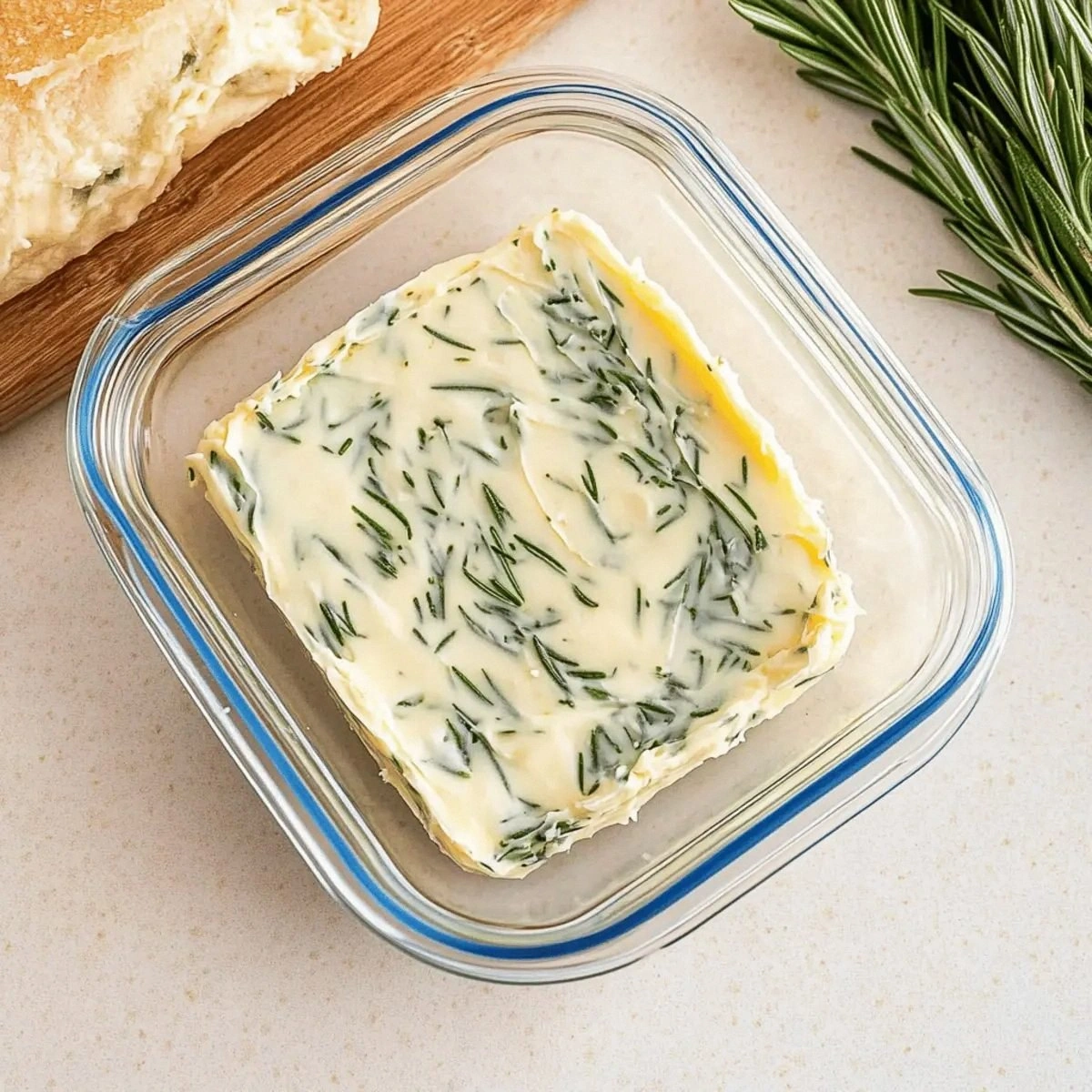
Transfer the butter to a heat‑proof bowl, then cover it with plastic wrap, pressing the wrap directly onto the surface to eliminate air pockets. This prevents a skin from forming and preserves the buttery sheen. Let the mixture cool at room temperature for about 10 minutes, then move it to the refrigerator for at least 2 hours, or until firm enough to slice.
Watch Out: Do not skip the cooling step – attempting to slice the butter while it’s still warm will result in a mess and uneven portions.Once chilled, slice the butter into ½‑inch rounds or cut it into a log and slice thin discs, depending on your intended use. Store the pieces in an airtight container; they’ll keep for up to a week in the fridge and up to three months in the freezer. When you’re ready to serve, simply place a slice on hot steak, melt it over roasted vegetables, or spread it on toasted baguette – the butter will melt instantly, releasing that aromatic rosemary wave.
And now the fun part: taste test. Warm a piece of crusty bread, slather on a generous dollop, and let the butter melt into every nook. That sizzle when it hits the pan? Absolute perfection. I dare you to taste this and not go back for seconds – the buttery, herbaceous cascade is addictive, and you’ll find yourself reaching for more before the party even ends.
That's it — you did it. But hold on, I've got a few more tricks that'll take this to another level, ensuring every bite feels like a culinary encore.
Insider Tricks for Flawless Results
The Temperature Rule Nobody Follows
Most home cooks melt butter over medium heat, but the secret to a silky infusion is a two‑stage temperature approach: low heat to coax out the rosemary oils, then a brief high‑heat flash to seal them in. Skipping this step leaves the herb under‑extracted, resulting in a muted flavor. I once tried to speed things up by keeping the heat steady, and the butter tasted flat – a hard lesson learned. Keep a kitchen thermometer handy; aim for 50°C (122°F) during the low‑heat phase and 80°C (176°F) for the flash.
Why Your Nose Knows Best
Don’t rely on timers alone – let your senses be the guide. When the rosemary starts to release its aroma, you’ll notice a subtle shift from fresh pine to a deeper, almost resinous scent. If the butter begins to brown or emit a burnt smell, you’ve gone too far. Trust that nose; it’s the most accurate gauge of flavor development.
The 5‑Minute Rest That Changes Everything
After whisking in the water, let the butter sit for five minutes before chilling. This pause allows the emulsion to stabilize, preventing separation later on. I once rushed this step and ended up with a butter that cracked when frozen – a disappointing texture that could have been avoided with a simple rest.
Cold‑Water Shock for a Smooth Finish
When you’re ready to use the butter, a quick dip of the sliced log in ice water for 10 seconds before serving can tighten the edges, giving each pat a clean, glossy look. This technique is a favorite among pastry chefs and works wonders for presentation on a charcuterie board.
Seasonal Rosemary Swap
If fresh rosemary isn’t in season, try a blend of thyme and sage in equal parts. The flavor profile shifts toward earthy, but the butter remains aromatic and versatile. I’ve used this combo for a winter roast and it was a hit – the herbaceous note still cut through the richness of the meat.
Creative Twists and Variations
This recipe is a playground. Here are some of my favorite ways to switch things up:
Lemon Zest Brightness
Add the zest of one lemon just before the final whisk. The citrus lifts the rosemary, giving the butter a fresh, summery edge that pairs beautifully with grilled fish.
Smoky Chipotle Kick
Stir in a pinch of chipotle powder along with the garlic powder for a smoky, slightly spicy version. It’s perfect on grilled corn or roasted sweet potatoes.
Garlic‑Heavy Delight
Double the garlic powder to 0.5 teaspoon and add a minced clove of fresh garlic during the low‑heat infusion. This creates a robust garlic‑rosemary butter ideal for steak lovers.
Herb Medley
Mix equal parts chopped rosemary, thyme, and oregano for an herbaceous blend that works wonders on roasted chicken. The complexity adds depth without overwhelming the palate.
Parmesan Infusion
Stir in ¼ cup finely grated Parmesan cheese after the butter has cooled slightly. The cheese melts into the butter, adding umami richness that’s fantastic on pasta.
Honey‑Drizzled Sweetness
For a sweet‑savory twist, drizzle a teaspoon of honey into the butter before chilling. The subtle sweetness pairs amazingly with warm biscuits or scones.
Storing and Bringing It Back to Life
Fridge Storage
Place the butter in an airtight container or wrap tightly in parchment followed by foil. It will stay fresh for up to 7 days, maintaining its creamy texture. If you notice a thin layer of water on the surface, simply pat it dry with a paper towel before using.
Freezer Friendly
Wrap the butter log in a double layer of freezer‑safe plastic wrap, then seal it in a zip‑top bag. It can be frozen for up to 3 months. When you’re ready to use it, transfer to the fridge to thaw overnight – no need to rush.
Best Reheating Method
To revive frozen butter, place a slice in a hot skillet over medium heat; it will melt in seconds, releasing its aromatic perfume. For a smoother melt, add a tiny splash of water (about a teaspoon) and stir gently – this steams the butter back to its original silkiness.