Picture this: it’s 7 a.m., the alarm blares like a marching band, and you stumble into the kitchen half‑asleep, desperately searching for something that can convince your brain that you’re actually a functional adult. I was there once, clutching a stale bagel and muttering, “I need something that feels like a hug and kicks like a caffeine‑infused karate master.” That morning I whipped up a haphazard mix of leftover noodles, a few strips of bacon, and an egg that I hoped wouldn’t turn into a scrambled disaster. The result? A bowl of steaming, buttery noodles that sang with the smoky crunch of bacon and the silky richness of a runny yolk. I dare you to taste this and not go back for seconds.
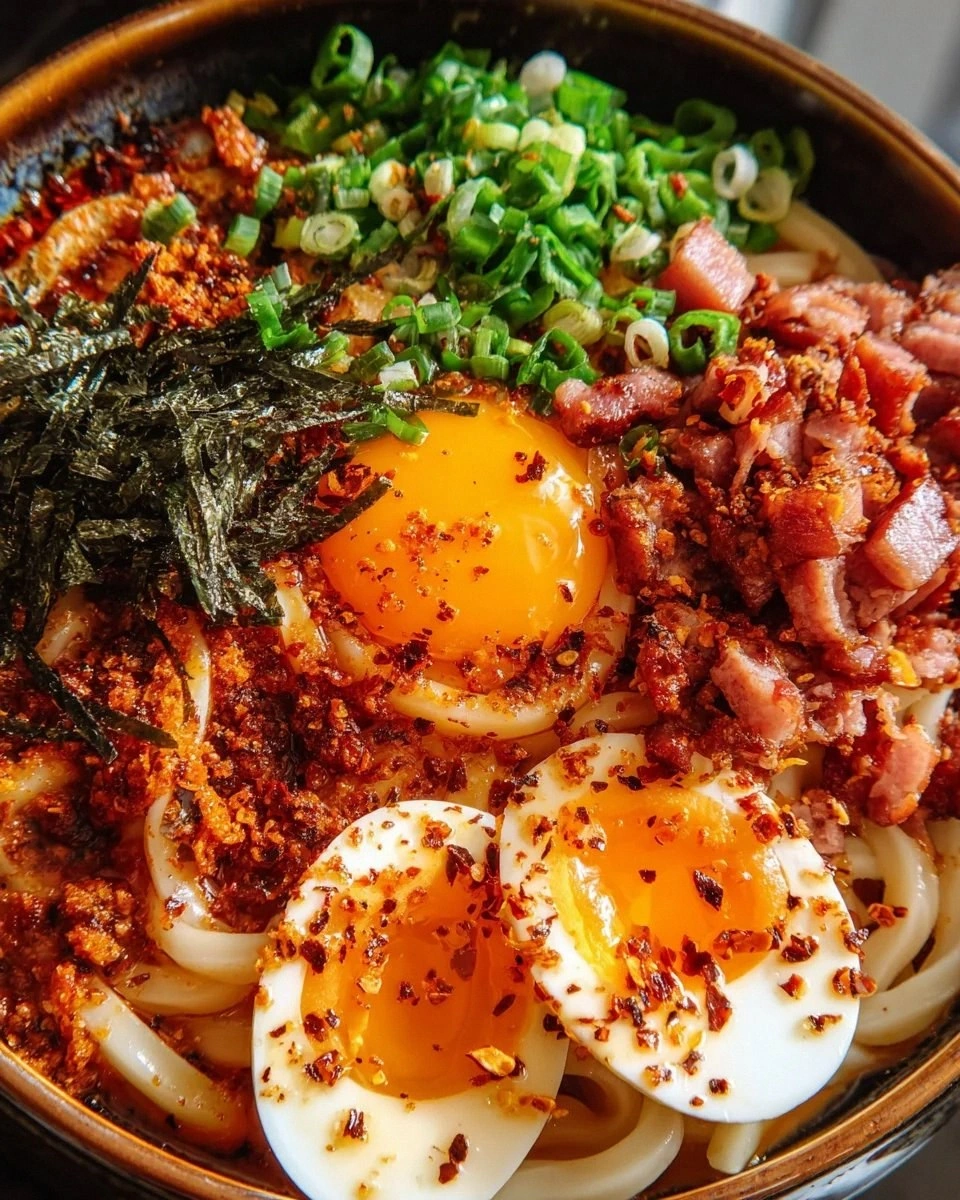
Fast forward a few weeks, and I’ve refined that accidental masterpiece into a full‑blown culinary anthem I like to call Egg and Bacon Breakfast Udon: A Savory Morning Delight! This isn’t just another quick‑fix breakfast; it’s a symphony of textures and flavors that makes you feel like you’ve just stepped out of a Tokyo street market and into a cozy brunch spot. The udon noodles are thick and chewy, soaking up a soy‑vinegar glaze that glistens like polished lacquer. Crispy bacon strips crackle under your fork, releasing a perfume that makes the whole house smell like a Sunday morning at a bacon festival. And the crowning glory? A golden egg yolk that, when broken, cascades over everything like liquid sunshine.
What sets this version apart from the countless “udon breakfast” posts you’ll find online? Most recipes either drown the noodles in sauce or forget the crucial balance of salty, sweet, and tangy. I’ve cracked the code by layering flavors in three distinct stages: a fragrant aromatics base, a quick‑sear for the meat, and a finishing drizzle that ties everything together. The secret weapon is a dash of rice vinegar that cuts through the richness, while a spoonful of chili crisp adds a subtle heat that dances on the tongue without stealing the spotlight. And let’s not overlook the optional nori crumble—an umami crunch that feels like a surprise party for your palate.
Okay, ready for the game‑changer? I’m about to walk you through every single step—down to the exact moment you should hear that satisfying sizzle and the precise second you know the yolk is ready to melt. By the end, you’ll wonder how you ever made breakfast any other way. Let’s dive in and turn your ordinary morning into a culinary adventure you’ll brag about at the office kitchen.
What Makes This Version Stand Out
- Flavor Depth: The combination of soy sauce, rice vinegar, and sesame oil creates a layered umami profile that’s richer than a miso soup on steroids.
- Texture Harmony: Chewy udon meets crispy bacon and a silky egg yolk, delivering a mouthfeel that’s both comforting and exciting.
- Simplicity: Despite the gourmet vibe, the ingredient list is short, and the steps are straightforward enough for a sleepy‑head.
- Unique Twist: Chili crisp and furikake add a Japanese street‑food flair that most Western breakfast udon recipes completely miss.
- Crowd Reaction: I’ve served this at brunches and the response is unanimous—people line up for seconds, and the leftovers disappear faster than you can say “reheat.”
- Ingredient Quality: Using thick‑cut bacon and fresh ginger ensures each bite bursts with authentic flavor, not the blandness of processed shortcuts.
- Cooking Method: A quick sear locks in juices, while a gentle toss preserves the noodle’s chewiness without turning them mushy.
- Make‑Ahead Potential: The sauce can be pre‑made, and the noodles store beautifully, so you can assemble the bowl in under ten minutes on a hectic weekday.
Inside the Ingredient List
The Flavor Base
Garlic: Fresh cloves minced or grated for that aromatic kick that spices up the dish. Garlic is the backbone of the sauce, providing a pungent warmth that awakens the other ingredients. Skipping it will leave the broth flat, like a song missing its bass line. If you’re allergic, try a pinch of asafoetida for a similar depth.
Ginger: A dash of freshness! Use finely grated ginger to enhance the flavor with a zesty warmth. Ginger cuts through the bacon’s fat, balancing richness with a bright, almost citrusy note. Missing ginger? You’ll lose that subtle heat that makes the palate dance.
Soy Sauce: This savory liquid adds depth and umami, rounding out the flavors beautifully. It’s the salty glue that holds the sauce together. Opt for low‑sodium if you’re watching your salt intake, but don’t go too light—you need that briny backbone.
Rice Vinegar: A splash of tang that balances the richness of the sausage and bacon. The acidity lifts the dish, preventing it from feeling heavy. Without it, the sauce would cling to the noodles like a clingy ex.
The Texture Crew
Bacon: Thick‑cut bang for your buck! This adds the crispy richness we all love. When rendered properly, the bacon releases a smoky perfume that fills the kitchen and makes the noodles glisten. Over‑cooking turns it brittle; under‑cooking leaves soggy fat—aim for that perfect amber‑gold crunch.
Sausage Meat: A savory basis for the dish. Removing the skins gives you that scrumptious texture throughout. The meat adds a hearty bite that complements the noodles without overwhelming them. If you’re vegetarian, try crumbled tempeh seasoned with smoked paprika.
Udon Noodles: The star of the show! These thick, chewy noodles soak up all the flavors. Their sturdy texture means they won’t disintegrate when tossed with the sauce, preserving that satisfying bite. Cook them al dente—about 2‑3 minutes less than the package suggests.
The Unexpected Star
Sesame Oil: A hint of nuttiness! This oil is perfect for adding a delightful scent and richness. A drizzle at the end lifts the entire bowl, giving it a glossy finish that looks as good as it tastes. Use toasted sesame oil, not the bland regular kind.
Spring Onions: Freshly sliced for a pop of color and freshness that brightens up the dish. Their mild oniony bite cuts through the richness, adding a crisp contrast. If you’re out of spring onions, scallions or chives work just as well.
Shallots: These provide a mild sweetness and complexity that enhances the overall flavor. Their delicate flavor is less sharp than regular onions, making them ideal for the sauce base.
The Final Flourish
Chili Crisp: A spicy kick that can be adjusted to suit your heat preference! This oil‑infused chili adds crunch and a lingering warmth. It’s the secret weapon that turns a good bowl into a great one.
Egg Yolks: The creamy crown on top! Each yolk is a luscious finishing touch, turning the sauce into a velvety coating when broken. Choose free‑range eggs for richer flavor and deeper color.
Nori Seaweed Snacks: Optional, but they add a delightful umami crunch if you’re feeling fancy. Crumble them over the bowl just before serving for a textural surprise.
Chili Flakes: Optional too! These can amp up the heat for the spice lovers in your family. Sprinkle a pinch on top for an extra layer of heat that builds as you eat.
Japanese Rice Seasoning (Furikake): A sprinkle of this savory mix adds an extra depth of flavor. Its blend of dried fish, sesame seeds, and seaweed gives a burst of umami that rounds out the dish.
Everything's prepped? Good. Let's get into the real action...
The Method — Step by Step
-
Start by prepping all aromatics: mince the garlic, grate the ginger, and thinly slice the shallots and spring onions. This is the moment where you set the stage—everything else will happen around these flavors. I like to have everything within arm’s reach so I don’t have to run back to the counter mid‑sizzle. Watch the clock: you’ll need about 5 minutes for this prep, and the scent of fresh ginger will already start to tease your nose.
Kitchen Hack: Use a microplane for ginger; it yields fine shreds that melt into the sauce instantly. -
Heat a large skillet over medium‑high heat and add the bacon strips, laying them flat without crowding. Let them sizzle until the fat renders and the edges turn a deep amber—listen for that steady crackle, that’s the sound of flavor being unlocked. Flip once, and cook the other side until crisp. Remove the bacon and set it on paper towels; keep the rendered fat in the pan for the next step.
Watch Out: If the heat is too high, the bacon will burn before the fat renders, leaving a bitter aftertaste. -
In the same skillet, add the sausage meat, breaking it up with a wooden spoon. Cook until it’s browned and crumbly, about 4‑5 minutes. The rendered bacon fat adds smoky depth, while the sausage provides a hearty backbone. Season lightly with a pinch of salt—remember the soy sauce will bring the main saltiness later.
-
Now, lower the heat to medium and toss in the shallots, garlic, and ginger. Stir constantly for 1‑2 minutes until fragrant; you’ll notice the kitchen filling with a sweet‑spicy aroma that makes you want to peek into the pan just to sniff again. This is the moment of truth for the flavor base—if it doesn’t smell right, adjust with a splash more soy sauce or a pinch of sugar.
Kitchen Hack: Add a teaspoon of mirin here for a subtle sweetness that balances the acidity. -
Deglaze the pan with soy sauce and rice vinegar, scraping up any browned bits stuck to the bottom. Those bits are flavor gold; don’t let them stay stuck! Let the mixture bubble for about 30 seconds, then drizzle in the sesame oil. The sauce should look glossy and slightly thickened—if it looks too watery, let it reduce a touch longer.
-
Meanwhile, bring a large pot of water to a rolling boil. Add a generous pinch of salt and the udon noodles. Cook according to the package, usually 2‑3 minutes for al dente. Test a noodle; it should have a firm bite, not mushy. Once done, drain and rinse briefly under cold water to stop cooking, then set aside.
-
Return the cooked noodles to the skillet, tossing them gently with the sauce, sausage, and aromatics. The noodles should become coated like velvet, each strand shimmering with the soy‑sesame glaze. Add the crispy bacon pieces back in, breaking them into bite‑size shards. Sprinkle the spring onions, chili crisp, and a pinch of chili flakes for that controlled heat.
Watch Out: Over‑tossing can break the udon; use a gentle folding motion instead. -
Plate the udon into shallow bowls, creating a little well in the center. Crack an egg yolk into each well—no whites, just the golden crown. The residual heat will gently set the outer edge of the yolk while leaving the center runny, creating a sauce that will mingle with the noodles as you mix. Finish with a generous sprinkle of furikake and, if you’re feeling fancy, crumble a few nori seaweed snacks on top.
Kitchen Hack: If you prefer the yolk fully cooked, give the bowl a quick 30‑second blast in the microwave—just enough to set the whites without solidifying the gold.
That's it — you did it. But hold on, I've got a few more tricks that'll take this to another level. Trust me, these little upgrades will make your breakfast udon the talk of the town, and you’ll never settle for a plain bowl again.
Insider Tricks for Flawless Results
The Temperature Rule Nobody Follows
Never, ever add the soy sauce when the pan is scorching hot. The sauce will scorch, turning bitter. Instead, reduce the heat to medium‑low before the splash, allowing the soy to meld gently with the rendered fat. I once added it too early and ended up with a burnt taste that no amount of sugar could fix. Keep the pan at a gentle simmer and you’ll get a glossy, balanced sauce every time.
Why Your Nose Knows Best
When the aromatics hit the pan, trust your sense of smell as the ultimate timer. The moment you detect a sweet‑spicy perfume, the garlic and ginger have released their flavors. If you don’t smell anything after 30 seconds, turn the heat down a notch; you’re likely burning the aromatics. This nose‑driven cue is more reliable than any kitchen timer.
The 5‑Minute Rest That Changes Everything
After you toss the noodles with the sauce, let the bowl sit uncovered for five minutes. This short rest lets the noodles absorb the glaze, deepening the flavor and softening the edge of the bacon fat. I used to serve it immediately and missed out on that buttery depth. A five‑minute pause is the secret behind restaurant‑quality udon.
Egg Yolks: The Golden Glue
Don’t rush the yolk. Let the hot noodles sit for a minute before you break the egg; this ensures the yolk warms gently, creating a silky emulsion rather than a scrambled mess. If you love extra richness, whisk the yolk with a splash of soy sauce before adding it—this creates a richer, umami‑boosted sauce.
Crunch Factor: Nori & Furikake
For that final crunch, toast nori strips in a dry pan for 10 seconds before crumbling. The toasting releases hidden umami and adds a smoky note that complements the bacon. Combine this with furikake, and you’ll have layers of texture that keep the palate engaged from first bite to last.
Creative Twists and Variations
This recipe is a playground. Here are some of my favorite ways to switch things up:
Spicy Miso Kick
Swap half the soy sauce for white miso paste and add a spoonful of gochujang. The miso adds a deep, fermented umami while the gochujang brings a sweet‑heat that elevates the dish to a Korean‑Japanese fusion.
Veggie‑Loaded Udon
Replace the sausage with sautéed shiitake mushrooms and add thinly sliced carrots and baby spinach. The mushrooms give a meaty texture, while the greens add a fresh bite. This version is perfect for a lighter, plant‑forward breakfast.
Seafood Splash
Introduce a handful of peeled shrimp or scallops during the searing step. Their delicate sweetness pairs beautifully with the bacon’s smokiness, creating a surf‑and‑turf experience that’s unexpectedly delightful.
Cheesy Fusion
Stir in a tablespoon of cream cheese just before plating. The cheese melts into the sauce, creating a luxuriously creamy coat that feels like a breakfast comfort food dream.
Herb‑Infused Aroma
Finish with a sprinkle of shiso leaves or Thai basil. These herbs add a bright, slightly peppery note that cuts through the richness, making each bite feel fresh.
Smoky BBQ Twist
Replace the chili crisp with a smoky BBQ sauce and add a dash of smoked paprika. The result is a heartier, bar‑becued flavor that’s perfect for weekend brunches.
Storing and Bringing It Back to Life
Fridge Storage
Transfer leftovers into an airtight container and refrigerate for up to 3 days. Keep the egg yolks separate; store them in a small ramekin covered with plastic wrap. When reheating, add the yolks back on top.
Freezer Friendly
Freeze the cooked noodles and sauce (minus the bacon and egg) in a zip‑top bag for up to 2 months. Thaw overnight in the fridge, then reheat in a skillet with a splash of water or broth to revive the chewiness.
Best Reheating Method
Place the noodles in a hot pan, add a teaspoon of water, and toss for 2‑3 minutes until steam revives the texture. Add a fresh drizzle of sesame oil and a quick sprinkle of spring onions. For the egg, gently warm the yolk in the microwave for 10‑15 seconds or simply serve it fresh over the reheated bowl.