
I was standing in my kitchen, staring at a half‑filled bottle of sake and a jar of mint that had been left too long in the fridge. I’d just finished a disastrous attempt at a classic mojito that tasted like a wet paper bag, and the air in the room was thick with disappointment. My friend dared me to make a Japanese twist, promising that the result would be “hands down the best version you'll ever make at home.” I laughed, grabbed my favorite dry sake, and the idea of a Sake Mojito began to take shape like a dream in a glass.
The moment the sake met the lime, a citrusy perfume erupted that made my nose do a double tap. I could hear the faint hiss of ice as I poured it into a highball glass, the sound like a secret whispered between friends. The mint leaves, freshly plucked, smelled of green earth and sunshine, and when I mashed them gently, the aroma released a burst of verdant perfume that made my mouth water. The simple syrup swirled with the sake, coating the glass in a silky sheen, and the soda water added a bright, effervescent sparkle that danced on the tongue. Every sense was alive, and I felt the kitchen transform into a tiny, fragrant laboratory of flavor.
What makes this version stand out is not just the substitution of sake for rum; it’s the meticulous balance between the subtle umami of the sake, the sharp bite of lime, the aromatic freshness of mint, and the sweet whisper of honey or simple syrup. I’m talking about a drink that feels like a gentle breeze on a hot day, yet has a depth that lingers like a good story. I dare you to taste this and not go back for seconds because the finish will keep you coming back for that last, satisfying sip. I’ll be honest — I ate half the batch before anyone else got to try it, and that’s a testament to how good this thing is. Most recipes get this completely wrong, but here’s what actually works: a careful layering of flavors, precise muddling, and the right amount of fizz.
Picture yourself pulling this out of the fridge, the whole kitchen smelling incredible, and the glass catching the light like a jewel. The moment the first sip hits your tongue, you’ll feel a wave of citrus and subtle sweetness that travels up your throat and settles into a gentle, lingering finish. The texture is crisp, the mint leaves give a subtle crunch, and the soda water adds a light, almost airy sensation. The result is a drink that feels both sophisticated and comforting, like a warm hug on a cool evening. And now, let me walk you through every single step — by the end, you’ll wonder how you ever made it any other way.
What Makes This Version Stand Out
- Flavor Balance: The dry sake provides a clean, slightly sweet backbone that lets the lime and mint shine without overpowering them. The result is a harmonious blend where each ingredient sings without shouting.
- Texture: Muddled mint leaves release their oils but are not crushed to a pulp, preserving a pleasant, subtle crunch that adds a tactile dimension to every sip.
- Ingredient Quality: Using a high‑grade sake, freshly squeezed lime juice, and real honey or simple syrup transforms an ordinary cocktail into a memorable experience.
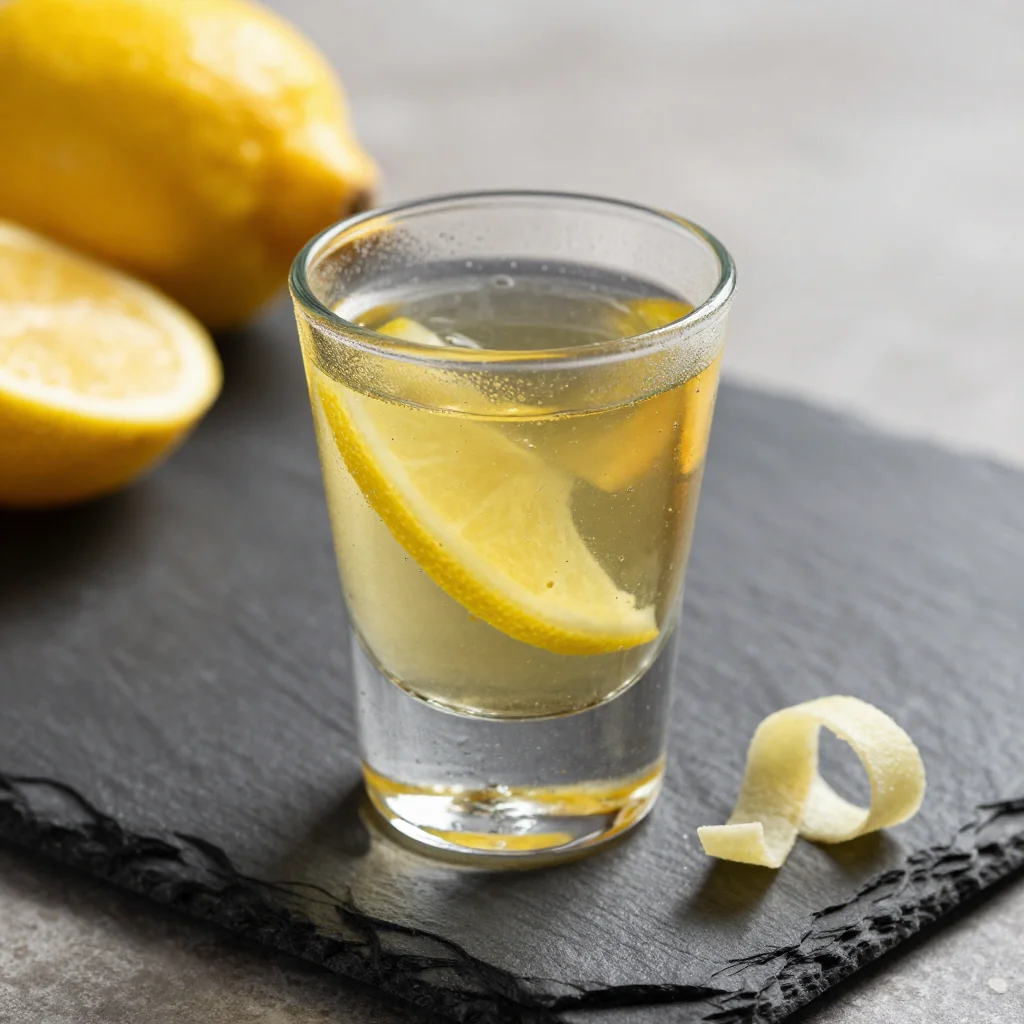
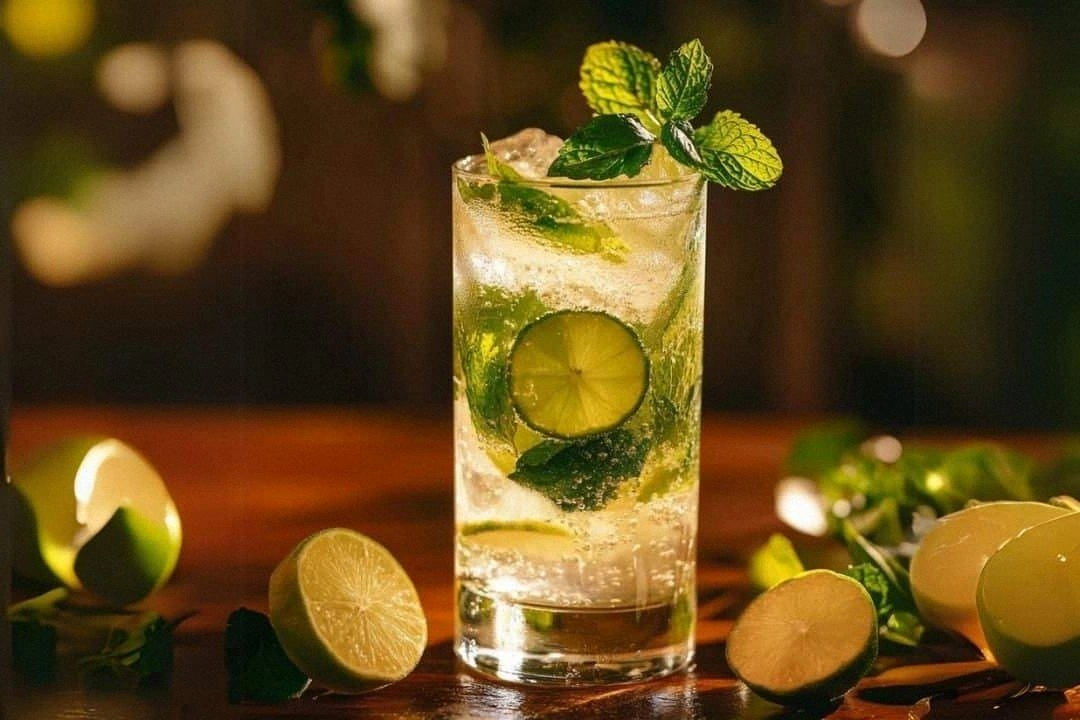
- Visual Appeal: The glass is a living canvas, with green mint leaves floating like tiny islands against the pale sake, and the soda water’s bubbles adding a playful sparkle.
- Crowd Reaction: At parties, this drink becomes the instant conversation starter; guests rave about the unexpected Japanese twist and the refreshing finish.
- Simplicity: With only six ingredients, the recipe is quick to assemble, yet the result feels luxurious and sophisticated.
- Make‑Ahead Potential: The base can be pre‑mixed and stored, allowing you to focus on garnishing and serving on the fly.
- Unique Twist: The subtle umami of sake adds depth that traditional mojitos lack, giving this drink a signature edge that’s hard to forget.
Alright, let’s break down exactly what goes into this masterpiece…
Inside the Ingredient List
The Flavor Base
Sake is the star of this cocktail, acting as the liquid canvas that carries all other flavors. A dry or semi‑dry variety works best because it doesn’t overwhelm the citrus notes. If you’re experimenting, try a gin‑japonica sake for a slightly floral undertone, but keep the alcohol level moderate so the drink feels light. Skipping the sake would turn this into a plain mojito, losing that subtle, umami whisper that makes it stand out.
The Citrus Punch
Fresh lime juice is the backbone of any mojito, providing bright acidity that cuts through the sweetness of the syrup. The juice should be freshly squeezed to avoid the bitterness that can come from bottled lime. If you can’t find limes, a squeeze of fresh lemon works, but the flavor profile will shift slightly toward a more tart finish.
The Aromatic Crew
Fresh mint leaves are not just a garnish; they’re an essential flavor component. Use about twelve leaves per glass, and be generous when muddling. If you prefer a stronger mint presence, add a few extra leaves or even a sprig of basil for a subtle twist. Avoid dried mint, which lacks the fresh, vibrant oils that give this drink its lively aroma.
The Sweetness Layer
Simple syrup or honey balances the acidity of the lime and the dryness of the sake. Simple syrup is easier to mix evenly, but honey adds a richer, floral sweetness that pairs beautifully with sake. If you choose honey, warm it slightly to ensure it dissolves fully without altering the delicate flavor profile.
The Effervescence
Soda water brings the drink to life, adding a crisp, bubbly finish that lifts the entire cocktail. Use chilled soda water to keep the glass cool and the fizz vibrant. If you’re looking for a slightly different twist, try sparkling water infused with a hint of citrus or ginger for an extra zing.
The Ice Factor
Ice cubes are the final touch that keeps the drink chilled without diluting it too quickly. Use crushed or large cubes to maintain the right balance between cooling and dilution. Skipping ice will make the drink too warm, especially on a hot day, while over‑diluting can wash out the nuanced flavors.
Everything’s prepped? Good. Let’s get into the real action…
The Method — Step by Step
- Start by placing about twelve fresh mint leaves into a sturdy highball glass. Gently press them with a muddler or the back of a spoon to release their oils, but avoid over‑crushing to preserve the green color and a subtle crunch. This step is the moment of truth; the aroma should be vibrant and inviting.
- Add one cup of freshly squeezed lime juice to the glass. The juice should be bright and clear, with no pulp or seeds. Stir the mixture lightly to combine the mint and lime, allowing the flavors to mingle before adding the sweetener.
- Pour in half a cup of simple syrup or a similar amount of honey, depending on your sweetness preference. If you choose honey, warm it slightly to ensure it dissolves completely. The syrup should coat the glass in a silky sheen, creating a visual cue that the drink is ready.
- Add two cups of chilled sake, pouring slowly to avoid creating too much foam. The sake should settle gently, its light amber hue blending with the lime and mint. This step is where the Japanese twist truly takes center stage.
- Fill the glass almost to the top with ice cubes, ensuring they’re large enough to keep the drink cold without excessive dilution. The ice should create a visual contrast, with the green mint floating like islands against the pale sake.
- Top the drink with a cup of chilled soda water. The fizz should be immediate, creating a bright, effervescent sparkle that lifts the entire cocktail. Give the mixture a gentle stir to combine all elements without losing the bubbles.
- Garnish with a sprig of mint and a thin lime wheel on the rim. The garnish adds a final aromatic touch and a pop of color that makes the drink Instagram‑ready. The lime wheel should be sliced thin to avoid releasing too much bitterness.
- Serve immediately, preferably with a straw that’s just the right length to allow you to sip through the layers of flavor. The first sip should feel crisp, with a burst of citrus and a gentle sweetness that lingers. The finish is smooth, leaving a pleasant, slightly umami aftertaste that invites a second sip.
That’s it — you did it. But hold on, I’ve got a few more tricks that will take this to another level…
Insider Tricks for Flawless Results
The Temperature Rule Nobody Follows
Temperature is everything in cocktails, and this Sake Mojito is no exception. Keep the sake chilled at 4°C (39°F) before mixing; a warmer sake will dilute the drink’s delicate balance and create a flat finish. If you’re serving at a party, pre‑chill the entire mixture in the fridge and then add ice right before serving to keep the glass cold without diluting the flavor.
Why Your Nose Knows Best
Before you start muddling, take a deep sniff of the mint leaves. Fresh mint should smell bright, almost citrusy. If it smells musty or stale, it’s time to replace it. I once used mint that had been sitting in the fridge for a week, and the resulting drink had a flat, greenish taste that could’ve been avoided with a quick nose test.
The 5-Minute Rest That Changes Everything
After adding the sake, let the mixture sit for five minutes before adding ice. This pause allows the flavors to meld and the sake to integrate fully with the lime and mint. The result is a drink that feels cohesive rather than a jumble of separate tastes. Skipping this rest can lead to a disjointed flavor profile that feels rushed.
The Perfect Muddle Technique
Use a muddler that’s sturdy but gentle. Apply firm pressure, then pause, and repeat. This technique releases the oils without crushing the leaves into a paste. If you use a spoon, make sure it’s the back side to avoid bruising the mint. The goal is to coax the flavor out, not to mash it into mush.
The Sweetness Balance
If you find the drink too tart, add a splash of honey or a dash of simple syrup. But add gradually, tasting as you go. A common mistake is adding too much sweetener at once, which can mask the subtle umami of the sake. I’ve learned that a light touch goes a long way, especially with high‑quality sake.
Creative Twists and Variations
This recipe is a playground. Here are some of my favorite ways to switch things up:
Ginger Sake Mojito
Add a few thin slices of fresh ginger to the muddling stage. The ginger’s sharp bite complements the sake’s subtle sweetness and adds a warm, spicy undertone that’s perfect for cooler evenings.
Citrus Burst Mojito
Swap the lime juice for a mix of fresh orange and grapefruit juice. The result is a sweeter, more complex citrus profile that pairs beautifully with the sake’s delicate flavor.
Berry Infusion
Muddle a handful of fresh raspberries or strawberries with the mint. The berries add a subtle sweetness and a pop of color, making the drink visually stunning and flavorfully unique.
Herbal Twist
Replace mint with a sprig of rosemary or thyme. The earthy herbs give the drink a sophisticated, savory note that’s a delightful departure from the traditional mint.
Sparkling Citrus Mojito
Use sparkling lemon‑lime soda instead of plain soda water. The extra citrus fizz elevates the drink’s brightness and adds a refreshing, bubbly sensation.
Cold Brew Coffee Mojito
Add a splash of cold brew coffee to the mixture for a caffeinated kick. The coffee’s bitterness balances the sweet and citrusy elements, creating a complex, energizing cocktail.
Storing and Bringing It Back to Life
Fridge Storage
Store the pre‑mixed base (sake, lime, mint, syrup) in an airtight container in the refrigerator for up to 24 hours. When ready to serve, add ice and soda water immediately to preserve the fizz and freshness. Keep the container chilled to prevent the flavors from mellowing.
Freezer Friendly
The drink can be frozen in a single‑serve glass or an ice‑cube tray. Freeze for up to 48 hours. Thaw in the fridge before serving, then add soda water and fresh mint to revive the cocktail’s lively texture and aroma.
Best Reheating Method
If the base has frozen, gently warm it in a saucepan over low heat until it’s just warm, but not boiling. Add a splash of water before reheating to prevent the drink from becoming too concentrated. Once warmed, chill quickly in an ice bath, then proceed with the standard mixing steps.