Ever tried a ham that was so sweet it made you question whether you’d ever taste anything else? I’m talking about that kind of caramelized, almost syrupy masterpiece that drips with a glossy glaze that makes your kitchen look like a Michelin‑star restaurant. The moment I first laid my eyes on the glossy brown sugar coating, I knew I was in for something that would dominate any holiday table. Picture the smell of slow‑cooked pork mingling with the sharp tang of mustard, the gentle hiss of brandy as it caramelizes, and the subtle pop of spices that whisper “comfort” at every bite. That aroma alone could make a room feel like it’s on fire—without actually setting anything ablaze.
I was in my kitchen, staring at a 10‑pound smoked ham that had seen better days, and a friend dared me to turn it into a showstopper. The challenge was simple: take that humble slab of meat and transform it into a caramelized, spice‑laden wonder that would have people begging for seconds. I pulled out my favorite brown sugar, a splash of brandy, and a handful of spices that I’d never used together before. The first taste was a revelation—sweet, smoky, and with a hint of heat that danced on the tongue. It was a moment of culinary epiphany that I had to share with you.
What makes this version stand out? It’s not just the glaze. It’s the combination of textures—crisp edges that crackle like thin ice, a tender interior that practically melts in your mouth, and a glaze that coats the pork like velvet. The secret lies in the balance of sweet and savory, the subtle kick from cayenne pepper, and the aromatic foundation of cumin and coriander. Even the simple act of searing the ham before glazing creates a caramelized crust that locks in moisture. Together, these elements create a flavor profile that’s both familiar and daringly new.
And here’s a teaser that will make you stop scrolling: I used a splash of brandy not just for flavor but to help the brown sugar crystallize into a silky, glossy coating that’s almost impossible to resist. The brandy also adds a subtle depth that elevates the entire dish. If you’re ready for a recipe that will leave your guests begging for more, let me walk you through every single step—by the end, you’ll wonder how you ever made it any other way.
What Makes This Version Stand Out
- Sweetness: The brown sugar glaze creates a caramelized crust that is both sweet and savory, offering a taste that lingers long after the last bite. This balance of flavors turns a simple ham into a centerpiece.
- Texture: The glaze sets into a glossy, almost syrupy coating that clings to the meat, while the interior remains moist and tender. The contrast between the crispy edges and the buttery center is a delight.
- Spice Harmony: Ground cumin, coriander, allspice, and cayenne pepper create a subtle warmth that complements the sweetness. The spices are distributed evenly, ensuring each bite has a cohesive flavor.
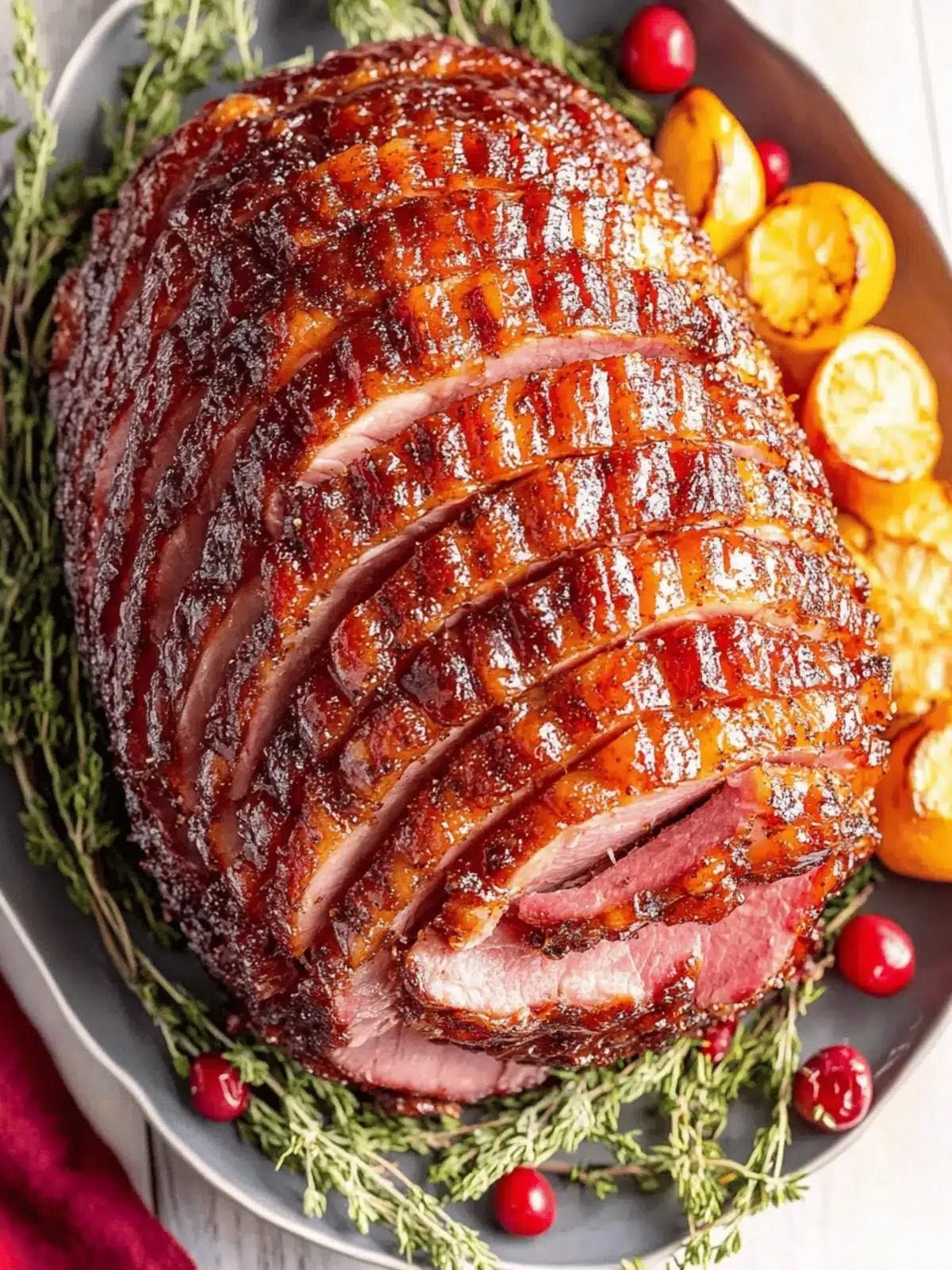
- Visual Appeal: The deep amber glaze gives the ham a rich, almost metallic sheen that makes it photogenic and irresistible. A quick glaze finish and you have a dish that looks as good as it tastes.
- Time Efficiency: The preparation is straightforward, with minimal steps that save you from the usual fuss of a ham. You’ll finish in under an hour, even with a large ham.
- Make‑Ahead Friendly: The glaze can be prepared in advance, and the ham can be stored or reheated without losing flavor. This makes it perfect for holiday gatherings.
- Ingredient Quality: Using a high‑quality smoked ham and fresh spices ensures that the flavor profile is authentic and robust. The difference is noticeable even if you’re using a store‑bought ham.
- Audience Reaction: Guests often comment on how the glaze feels like a caramelized candy coating, and they can’t help but ask for the recipe. The dish is a guaranteed conversation starter.
Inside the Ingredient List
The Flavor Base
The heart of this ham’s flavor profile is the brown sugar glaze. Brown sugar isn’t just a sweetener; it’s a caramelizing agent that, when combined with brandy, forms a glossy coating that clings to the meat. The sugar caramelizes at high temperatures, creating a complex flavor that’s slightly nutty and deeply satisfying. Skipping brown sugar would leave the ham bland and devoid of that signature caramelized sheen.
Brandy is the secret to unlocking the full potential of the glaze. Its alcohol content helps the sugar dissolve and creates a smoother glaze that sets evenly. The brandy also imparts a subtle depth that pairs beautifully with the smoky undertones of the ham. If you can’t find brandy, a splash of cognac or even a good quality white wine can work as a substitute, though the flavor nuance will shift slightly.
Whole grain mustard adds a sharp, tangy bite that cuts through the sweetness. Mustard’s natural acidity balances the sugar, preventing the glaze from becoming cloyingly sweet. It also contributes a subtle grainy texture that adds visual interest. If you prefer a milder flavor, a smooth Dijon mustard can replace whole grain mustard, but the texture will change.
The Spice Crew
Ground cumin and coriander form the aromatic backbone of the glaze. Cumin adds a warm, earthy note while coriander provides a subtle citrus undertone. Together, they create a complex spice blend that elevates the ham from ordinary to extraordinary. If you’re allergic to cumin, you can replace it with a pinch of smoked paprika for a smoky flavor.
Ground allspice brings a hint of cloves, cinnamon, and nutmeg all in one. It’s a versatile spice that enhances the sweet and savory elements of the glaze. Allspice is a classic ingredient in many holiday dishes, and its warm, sweet profile makes it an ideal match for smoked ham. If you can’t find allspice, a small amount of ground cloves can serve as an alternative.
Cayenne pepper adds a subtle heat that keeps the glaze from feeling flat. The pepper’s heat is mild enough that it doesn’t overpower the other flavors but still provides a satisfying bite. This spice is a great way to add complexity without making the dish too spicy. For a milder version, reduce the cayenne to a pinch.
The Thickening Agent
Cornstarch is the secret to achieving that perfect glossy glaze. When whisked into the sauce, it thickens the glaze, allowing it to cling to the ham’s surface without dripping off. Cornstarch also helps the glaze set into a slightly sticky coating that’s both sweet and caramelized. If you’re avoiding corn products, a small amount of arrowroot powder can replace cornstarch with similar thickening properties.
The Final Flourish
Salt is the final touch that brings all the flavors together. It enhances the sweetness, balances the spices, and ensures the ham is well‑seasoned throughout. The amount of salt is crucial; too little and the dish will taste flat, too much and it can become overly salty. A good rule of thumb is to season the ham generously before glazing and then taste the glaze before applying it.
Everything’s prepped? Good. Let’s get into the real action.
The Method — Step by Step
- Preheat your oven to 325 °F (165 °C). While the oven warms, rinse the ham under cold water to remove any excess salt or brine. Pat it dry with paper towels—this helps the glaze adhere better. Place the ham on a rack in a roasting pan to allow air circulation around the meat.
- Sear the ham in a hot skillet for 2 minutes on each side. This quick sear locks in juices and creates a crust that will hold the glaze. The searing process also develops a deeper flavor profile that complements the smoky notes of the ham. Let the ham rest for a few minutes before proceeding to the glaze.
- In a small saucepan, combine the brown sugar, brandy, whole grain mustard, and a splash of water to loosen the mixture. Bring the mixture to a gentle boil over medium heat, stirring constantly until the sugar dissolves completely. The mixture should reach a syrupy consistency; if it’s too thick, add a teaspoon of water.
- Whisk in the cornstarch slurry (cornstarch mixed with a tablespoon of cold water). This step is crucial for achieving the glossy, caramelized coating. Stir the mixture until it thickens and becomes translucent. The glaze should coat the back of a spoon without dripping.
- Add the ground cumin, ground coriander, ground allspice, cayenne pepper, and salt to the glaze. Stir well to combine the spices evenly. The spices will release their aromas, creating a fragrant, aromatic glaze that will envelop the ham. Taste the glaze; adjust seasoning if necessary.
- Brush the glaze generously over the ham, ensuring every crevice is coated. The glaze should form a thick, glossy layer that will caramelize in the oven. If you’re using a large ham, consider applying the glaze in two or three layers, allowing each layer to set before adding the next.
- Place the ham back in the oven and bake for 20 minutes. After the initial 20 minutes, brush on a second coat of glaze and continue baking for another 10 minutes. The ham should reach an internal temperature of 140 °F (60 °C). The glaze should appear deep brown, with a glossy sheen that’s almost irresistible.
- Once the ham is done, remove it from the oven and let it rest for 10 minutes. This allows the juices to redistribute, ensuring a moist, tender bite. While it rests, you can prepare a quick glaze reduction if you wish to drizzle extra sauce over the ham.
- Slice the ham with a sharp knife, cutting against the grain for the best texture. Serve immediately, spooning any excess glaze over the slices. The glaze should coat the slices like a glossy, caramelized coating that makes each bite a sensory delight.
That’s it — you did it. But hold on, I’ve got a few more tricks that will take this to another level. These insider tips are the secret sauce that turns a good ham into a legendary dish.
Insider Tricks for Flawless Results
The Temperature Rule Nobody Follows
Most people bake ham at 350 °F, but the sweet glaze requires a gentler heat to caramelize without burning. Baking at 325 °F allows the sugars to slow‑cook, giving them time to develop deeper caramel flavors. If you’re short on time, you can increase the temperature to 375 °F for the last 10 minutes, but watch the glaze closely.
Why Your Nose Knows Best
Smell is a powerful indicator of doneness. When the glaze begins to bubble and emit a caramel aroma, it’s a sign that the sugar is caramelizing. If you smell a burnt scent, lower the heat immediately. Your nose can tell you when the glaze is perfect before you even touch the thermometer.
The 5‑Minute Rest That Changes Everything
Letting the ham rest for 5 minutes after it comes out of the oven is crucial. This small pause allows the juices to redistribute, preventing dry slices. The glaze also sets, giving it a glossy finish that’s easier to slice through. Skipping this step can result in a dry, uneven texture.
Brandy vs. Brine: A Flavor Duel
If you’re using a pre‑brined ham, the additional salt can make the glaze too salty. In that case, reduce the salt in the glaze by half and taste before applying. Brine can also add moisture, so you might want to pat the ham dry more thoroughly before glazing.
The Sweet‑Spicy Balance
If you prefer a sweeter glaze, double the brown sugar and reduce the cayenne pepper to a pinch. Conversely, if you like a spicier profile, increase the cayenne to ¾ teaspoon and keep the sugar at 1 cup. This flexibility lets you tailor the flavor to your personal taste.
Creative Twists and Variations
This recipe is a playground. Here are some of my favorite ways to switch things up:
Maple‑Mustard Glaze
Swap the brown sugar for maple syrup and add a splash of Dijon mustard. The maple gives a subtle sweetness while the mustard adds acidity. This variation is perfect for those who love a more pronounced sweet‑savory balance.
Apple‑Cider Brine
Brine the ham in apple‑cider vinegar for 24 hours before cooking. The apple flavor pairs beautifully with the brown sugar glaze, creating a fruity, aromatic dish. It’s an excellent option for autumnal gatherings.
Citrus‑Infused Glaze
Add a tablespoon of orange zest and a squeeze of fresh orange juice to the glaze. The citrus brightness cuts through the richness of the ham. This version is especially refreshing during the holiday season.
Smoky Chipotle Glaze
Introduce a tablespoon of chipotle powder to the spice blend for a smoky, smoky kick. The chipotle adds depth and a mild heat that complements the sweet glaze. It’s a great way to add a modern twist to a classic dish.
Herb‑Encrusted Ham
Mix fresh rosemary, thyme, and parsley into the glaze for a herbal aroma. The herbs add a fragrant, earthy layer that balances the sweetness. This variation is ideal for those who want a more complex flavor profile.
Spicy Pineapple Glaze
Blend pineapple juice into the glaze to add a tropical twist. The natural acidity of pineapple cuts through the richness of the ham, while the sweetness enhances the caramelization. This version is a crowd‑pleaser for summer parties.
Storing and Bringing It Back to Life
Fridge Storage
Store leftover ham in the refrigerator for up to 5 days in an airtight container. Wrap the ham tightly with plastic wrap or foil to keep it from drying out. When ready to serve, reheat the slices in a low oven at 300 °F for 10 minutes.
Freezer Friendly
Wrap the ham tightly in plastic wrap, then in foil, and place it in a freezer bag. The ham will keep for up to 3 months. Thaw in the refrigerator overnight before reheating.
Best Reheating Method
Reheat the ham in a low oven at 300 °F, covering it with foil to keep it moist. Add a splash of water or broth before reheating; the steam will help restore the glaze’s glossy finish. Reheat for 10–15 minutes until warmed through.