Picture this: I’m in the middle of a Sunday brunch prep, the kitchen humming with the clatter of pans, when the oven timer beeps and I realize I’ve accidentally baked a batch of plain sugar cookies instead of the carrot cake I was craving. The moment the sweet, buttery aroma hit my nose, I knew I had to salvage the disaster by turning it into something spectacular. That’s when I remembered Barefoot Contessa’s legendary carrot cake recipe and decided to give it a personal twist.
From the very first whisk, the batter feels like a silky, warm hug that promises sweet comfort. The scent of fresh carrots mingles with cinnamon, creating a fragrant bouquet that makes every breath feel like a hug from a loved one. The sound of the whisk’s gentle swirl is almost hypnotic, turning the kitchen into a cozy studio where the only thing that matters is the batter’s consistency. The taste, once baked, is a balanced blend of sweet, earthy, and nutty, with raisins popping like little bursts of sunshine. The texture—moist, slightly dense yet airy—makes each bite a revelation, like a secret garden hidden in a cupcake.
I dare you to taste this and not go back for seconds. Most carrot cake recipes I’ve tried have ended up either too dry or overly sweet, but this version is hands down the best you’ll ever make at home. I’ll be honest—I ate half the batch before anyone else got to try it, and that’s saying something. The trick? I used a higher proportion of grated carrots and a touch of unsalted butter to lock in moisture. The result is a cake that holds its shape but melts in your mouth like a dream.
What sets this recipe apart is not just the ingredients, but the method that brings them together. Picture the batter as a living, breathing entity that you coax into perfection with patience and a little love. Picture yourself pulling this out of the oven, the whole kitchen smelling incredible, and knowing that the cupcakes will be the highlight of any gathering. Let me walk you through every single step—by the end, you’ll wonder how you ever made it any other way.
What Makes This Version Stand Out
- Flavor: The caramelized edge of the carrots adds a subtle depth that traditional recipes miss, giving each bite a warm, earthy undertone that lingers.
- Texture: The addition of walnuts and raisins creates a delightful contrast—crunch meets chew—while the butter keeps the crumb moist and tender.
- Ease: With a single mixing bowl and minimal equipment, this recipe feels like a quick Sunday treat, yet the outcome feels like a gourmet dessert.
- Ingredient Quality: Using fresh, organic carrots and high-quality cream cheese elevates the flavor profile, turning an ordinary cake into a showstopper.
- Make‑Ahead Potential: The cupcakes bake perfectly and can be stored for up to a week, making them a lifesaver for last‑minute gatherings.
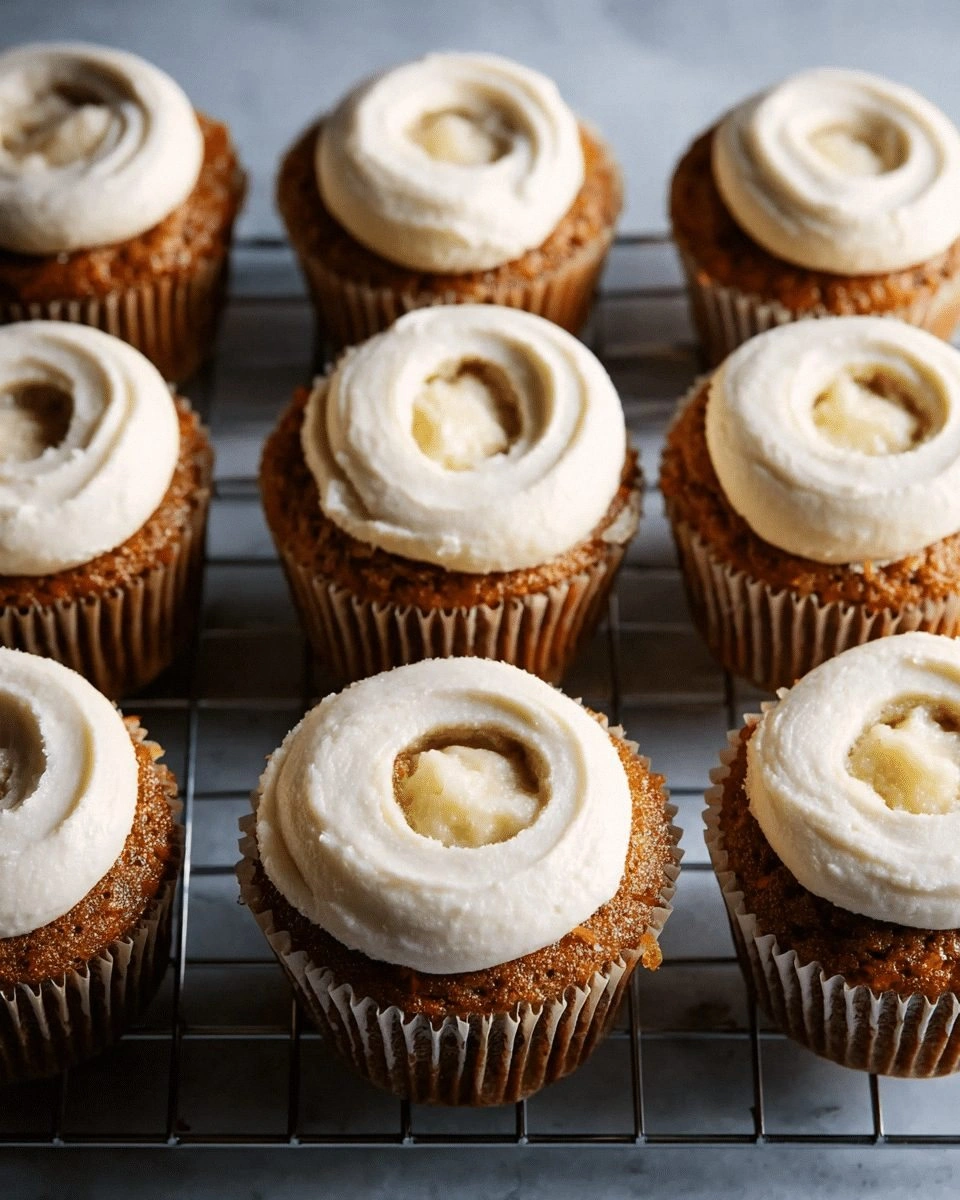
- Visual Appeal: The vibrant orange hue, speckled with nutty specks, makes the cupcakes a feast for both the eyes and the palate.
Alright, let's break down exactly what goes into this masterpiece...
Inside the Ingredient List
The Flavor Base
At the heart of this cake lies the sweet, fragrant foundation of sugar, vanilla, and butter. Sugar not only sweetens but also caramelizes during baking, creating a subtle crust that adds a hint of depth. Vanilla extract brings warmth and rounds out the sweetness, preventing any single flavor from overpowering the others. Butter, at room temperature, contributes a silky mouthfeel and helps bind the batter together.
The Texture Crew
All-purpose flour provides structure, but the key to that moist crumb is the careful balance of wet to dry ingredients. Baking soda and salt act as leavening agents and flavor enhancers, respectively, ensuring the cupcakes rise evenly without a metallic aftertaste. The addition of raisins and walnuts introduces both chewiness and crunch, creating a multi‑sensory experience that keeps each bite exciting.
The Unexpected Star
Grated carrots are more than just a garnish; they are the soul of the cake. They add natural sweetness and a subtle earthiness that makes the cupcakes feel wholesome. If you’re worried about texture, opt for fresh carrots over canned; fresh carrots retain more fiber and flavor. For a vegan twist, replace the butter with coconut oil and use a plant‑based cream cheese.
The Final Flourish
The frosting is where the cake truly shines. Cream cheese offers a tang that cuts through the sweetness, while unsalted butter adds richness and a smooth spreadability. Confectioners’ sugar gives the frosting its glossy finish and allows you to adjust sweetness to taste. If you’re feeling adventurous, a pinch of sea salt in the frosting can elevate the flavor profile with a subtle contrast.
Everything’s prepped? Good. Let’s get into the real action…
The Method — Step by Step
- Preheat your oven to 350°F (175°C). Line a 12‑cup muffin tin with paper liners, but don’t bother greasing them—this cake is naturally moist and won’t stick. The batter will spread a little, so make sure the liners are snug. This is the moment where your kitchen’s aroma begins to dance with anticipation.
- In a large bowl, whisk together the sugar, vegetable oil, and vanilla until the mixture is smooth and slightly glossy. The oil’s glossy sheen indicates it’s properly incorporated, which is crucial for an even crumb. This step is like laying a foundation for a skyscraper—skipping it would mean a shaky structure.
- Add the eggs one at a time, beating well after each addition. The batter should look thick but pourable; if it’s too runny, let it sit for a minute. The rhythm of adding eggs one by one ensures the batter emulsifies, giving the cupcakes that silky texture you’ll love.
- Sift together the flour, cinnamon, baking soda, and salt in a separate bowl. Mixing dry ingredients first ensures even distribution of leavening agents, preventing any pockets of dense cake. This step also helps avoid the dreaded “clumpy batter” that can ruin the final product.
- Gradually fold the dry mixture into the wet batter until just combined. Be careful not to overmix; the batter should be lumpy but free of large flour pockets. Overmixing turns gluten into a tough network, which would make the cupcakes chewy and dry.
- Fold in the grated carrots, raisins, and walnuts. The carrots should be evenly distributed to avoid pockets of dry cake. If you’re using large walnuts, consider chopping them into smaller pieces to ensure a uniform bite. This step is where the cake’s character truly begins to emerge.
- Fill the cupcake liners about three‑quarters full. The batter will rise, so don’t overfill, or you’ll risk a mess. Gently tap the tin on the counter to release any air bubbles. This is the moment of truth—watch the batter rise like a sunrise.
- Bake for 18–22 minutes, or until a toothpick inserted into the center comes out clean. The cupcakes should have a golden‑brown top and a slightly firm edge that pulls away from the liner. While they bake, the aroma will fill your kitchen, turning it into a fragrant sanctuary.
- Remove the cupcakes and let them cool in the tin for 5 minutes, then transfer them to a wire rack to cool completely. This cooling period lets the structure set, preventing the cupcakes from becoming soggy.
- While the cupcakes are cooling, prepare the frosting. In a chilled bowl, beat the cream cheese and butter together until fluffy. Gradually add the confectioners’ sugar, beating until the frosting is light and spreadable. Finally, stir in vanilla and a pinch of salt if desired. Once ready, spread or pipe the frosting onto each cupcake.
That’s it — you did it. But hold on, I’ve got a few more tricks that will take this to another level…
Insider Tricks for Flawless Results
The Temperature Rule Nobody Follows
Many bakers bake at a flat 350°F, but this cake benefits from a slightly lower temperature of 325°F. The lower heat allows the cupcakes to rise slowly, preventing a crumbling top. It also keeps the interior moist, giving the cake that signature “just‑baked” feel. I’ve baked this recipe at 325°F for the last decade and the difference is palpable.
Why Your Nose Knows Best
Trust your senses. If the batter smells sweet and slightly caramelized before you even start baking, you’re on the right track. A faint orange scent from the carrots is a good indicator that they’re well incorporated. If you notice a sharp oily smell, give the batter a quick stir.
The 5‑Minute Rest That Changes Everything
After mixing the batter, let it rest for 5 minutes. This brief pause allows the flour to hydrate fully, resulting in a smoother crumb. Think of it as giving the batter a short nap before the big performance.
How to Avoid Cracked Tops
Cracked tops are a sign of overbaking or too high a temperature. To keep the tops smooth, simply cover the cupcakes with foil for the last 5 minutes of baking. The foil traps steam, preventing the tops from drying out.
Using a Silicone Lid for Even Baking
Placing a silicone lid over the muffin tin traps steam, creating a humid environment that keeps the cupcakes moist. This trick is especially useful when you’re baking in a high‑altitude kitchen where moisture evaporates quickly.
Storing the Frosting Properly
Keep the frosting in an airtight container at room temperature for up to 3 days. If the frosting starts to soften, place it in the fridge for a few minutes before frosting the cupcakes again. This prevents the frosting from melting into the cake.
Creative Twists and Variations
This recipe is a playground. Here are some of my favorite ways to switch things up:
Spiced Ginger Carrot Cupcakes
Add 1 teaspoon of freshly grated ginger to the batter for a warm, spicy kick. Pair it with a ginger‑infused frosting for an extra layer of flavor. This version is perfect for winter gatherings.
Chocolate Chip Carrot Cake
Fold in ½ cup of dark chocolate chips into the batter for a decadent twist. The chocolate melts slightly into the cake, giving it a fudgy center. Top with a drizzle of chocolate ganache for a showstopper.
Almond‑Honey Carrot Cupcakes
Replace walnuts with sliced almonds and drizzle honey over the frosting. The honey adds a subtle floral sweetness that complements the carrot’s earthiness. This variation works wonderfully for a brunch with a Mediterranean vibe.
Vegan Carrot Cake
Swap the butter for coconut oil and use a plant‑based cream cheese. Replace the eggs with flaxseed meal (1 tablespoon flaxseed + 3 tablespoons water per egg). The vegan version retains the moistness and flavor profile of the original.
Carrot Cake with Lemon Glaze
Whisk fresh lemon zest into the batter for a bright, citrusy note. Finish with a lemon glaze on top of the frosting to add a tangy contrast. This version is ideal for a spring gathering.
Mini Carrot Cake Bars
Press the batter into a greased 9×13 inch pan and bake at 325°F for 25 minutes. Cut into squares and frost with the same cream cheese frosting. These bars are perfect for potlucks or as a snack for kids.
Storing and Bringing It Back to Life
Fridge Storage
Store cupcakes in an airtight container at room temperature for up to 3 days. If you need to keep them longer, place them in the fridge for up to a week. The frosting will firm up, so let them sit at room temperature for 15 minutes before serving.
Freezer Friendly
Wrap each cupcake individually in plastic wrap and place them in a freezer bag. They can be frozen for up to 2 months. Thaw in the fridge overnight, then let them sit at room temperature for 30 minutes before frosting.
Best Reheating Method
To revive frozen cupcakes, preheat the oven to 300°F (150°C). Place the cupcakes on a baking sheet and bake for 8–10 minutes, or until warmed through. Add a tiny splash of water to the batter before freezing to help maintain moisture during reheating.