I was sitting on a damp camping trip, staring at a pile of soggy graham crackers and a half‑melted chocolate bar, when a friend dared me to bring the s’mores experience indoors. I laughed, grabbed a whisk, and thought, “What if I could capture that campfire magic in a delicate, elegant French macaron?” The kitchen erupted with the sweet scent of cocoa and toasted marshmallow, and I swear the oven gave a little sigh of approval. That night, after a few failed attempts that left me with a tray of flat, cracked shells, I finally cracked the code. The result? A macaron that crunches like a fresh graham cracker, melts like a marshmallow, and whispers chocolate on the tongue.
Picture this: you pull a tray of perfectly round, glossy shells from the oven, the tops shining like tiny moons. The aroma hits you first—a warm, buttery vanilla base with a hint of toasted cocoa, the faint scent of melted butter and a whisper of toasted graham that makes your stomach do a happy dance. You bite in, and the shell cracks with a delicate snap, revealing a silky buttercream that’s laced with fluffy marshmallow fluff and studded with tiny crunchy graham crumbs. The flavor cascade is like a campfire hug—sweet, smoky, chocolatey, and just a tad salty, all in perfect balance.
Most s’mores‑inspired desserts either drown in sugar or end up soggy, missing that signature macaron “puff.” This version stands out because it respects the science of French patisserie while honoring the nostalgic heart of a s’more. I’ve swapped the traditional ganache for a marshmallow‑buttercream that stays light, added cocoa powder directly to the shell for depth, and folded in crushed graham crackers at the very end for that iconic crunch. The secret? A tiny pinch of cream of tartar and a precise macaronage technique that gives you that coveted smooth, glossy finish without the dreaded “hollow” interior.
And here’s the kicker: I’m going to reveal a technique most bakers overlook—a brief rest for the piped shells that creates that perfect “skin” before they hit the oven. Trust me, this is the game‑changer that turns a good macaron into a show‑stopping masterpiece. I dare you to taste this and not go back for seconds. Let me walk you through every single step — by the end, you’ll wonder how you ever made it any other way.
What Makes This Version Stand Out
- Flavor Fusion: The marriage of cocoa, marshmallow fluff, and graham crumbs creates a layered taste that feels both familiar and sophisticated, like a campfire story told at a dinner party.
- Texture Symphony: A crisp, glossy shell gives way to a buttery, airy filling punctuated by crunchy graham bits—each bite is a textural adventure.
- Simple Yet Precise: While the technique respects classic macaron methods, the ingredient list is straightforward and uses pantry staples, making it accessible for home bakers.
- Unique Twist: Incorporating cocoa directly into the shell and using marshmallow fluff in the buttercream sets this recipe apart from the usual chocolate‑marshmallow combos.
- Crowd Magnet: These little treats disappear in minutes at parties because they look elegant, taste nostalgic, and satisfy both sweet and salty cravings.
- Premium Ingredients: Using fine almond flour and high‑quality cocoa ensures a smooth batter and a deep, rich flavor without any gritty aftertaste.
- Cooking Method Mastery: The “rest‑then‑bake” approach guarantees a flawless rise and a beautiful “feet” on each macaron.
- Make‑Ahead Friendly: The shells can be stored for days, and the filling holds up well, allowing you to assemble just before serving for maximum freshness.
Inside the Ingredient List
The Flavor Base
Egg Whites: These little wonders provide the macaron’s structure. Fresh is best, so use room temperature egg whites for the fluffiest results. If you skip the room‑temp step, you’ll end up with a batter that won’t whip properly, leading to flat shells. A quick tip: separate the eggs the night before and let the whites sit uncovered in the fridge; they’ll reach the perfect consistency by morning.
Powdered Sugar: This sweet ingredient ensures your macarons don’t just taste divine but also have that beautiful, crisp shell. It also helps absorb moisture, which is essential for a smooth batter. Using a coarse sugar will leave gritty spots and ruin the glossy finish.
Almond Flour: The key to that signature macaron texture. Fine ground gives a smooth finish—look for the premium variety for the best outcome! If you over‑process, you may introduce too much oil, causing the shells to spread. Sift it twice with the powdered sugar for a flawless meringue.
The Texture Crew
Cocoa Powder: A splash of richness! This adds the chocolatey flavor that pairs beautifully with the marshmallow fluff. Choose a Dutch‑process cocoa for deeper color and smoother taste. Skipping it will leave the shells tasting plain and missing that campfire depth.
Cream of Tartar: A must‑have for stabilizing your egg whites, allowing them to whip into stiff peaks—trust me, it makes all the difference. Without it, the meringue can collapse, resulting in a gummy interior.
Cornstarch: Another tip for texture! It keeps things light and airy—essential for that signature macaron feel. Adding too much will make the shells dry; the sweet spot is just a tablespoon.
The Unexpected Star
Unsalted Butter: Softened butter is perfect for the filling, bringing richness and creaminess to our delicious treat. If you use salted butter, you’ll need to cut back on added salt. Butter should be at room temperature—too cold and the filling won’t emulsify.
Marshmallow Fluff: The star of the show! It gives that ooey‑gooey texture that makes these macarons reminiscent of classic s’mores. Skip it, and you lose the signature melt‑in‑your‑mouth moment.
Vanilla Extract: Just a hint adds depth to the flavors, rounding out the overall taste beautifully. Real vanilla beans work wonders, but a good quality extract does the trick.
The Final Flourish
Salt: A pinch can elevate sweetness, balancing out tastes harmoniously in your macarons. Too much, and you’ll taste the sea; too little, and the flavors can feel flat.
Milk or Cream: A splash to adjust the consistency of your buttercream, making it easy to pipe and enjoy. Use cream for extra richness, but milk works if you’re watching calories.
Chocolate Powder: For added depth in flavor—don’t skimp on this one! It intensifies the cocoa notes without making the shell bitter.
Graham Crackers: Crushed into bits, they bring that iconic s’mores crunch and flavor. Toast them lightly for an extra toasty note; just be careful not to over‑brown.
Tiny Dehydrated Marshmallow Bits: Optional, but they add a fun texture and a pop of nostalgia! If you love extra chew, sprinkle them on top of the filled macarons before serving.
Everything's prepped? Good. Let’s get into the real action…
The Method — Step by Step
Start by sifting the almond flour, powdered sugar, cocoa powder, and cornstarch together into a large bowl. This step is non‑negotiable; you want a fine, uniform powder to avoid any gritty pockets in the shells. After sifting, whisk the dry ingredients together for an extra minute to aerate them. The mixture should look like a light, chocolate‑gray snow.
In a clean, grease‑free mixing bowl, whisk the egg whites until they become frothy. Sprinkle the cream of tartar over the foam and continue whisking on medium speed until soft peaks form. Then, gradually add the powdered sugar, a spoonful at a time, while the mixer is on high. The meringue will become glossy and thick, reaching stiff peaks that stand upright when the whisk is lifted.
Now comes the macaronage: gently fold the dry mixture into the meringue using a spatula. This is where the magic happens. Scrape the bowl from the sides, turn the bowl, and repeat until the batter flows like lava—slow, thick, and slowly forming a ribbon when lifted. Over‑mixing will make the batter too runny; under‑mixing leaves a gritty texture.
Transfer the batter into a pastry bag fitted with a ½‑inch round tip. Pipe 1‑inch circles onto a silicone baking mat, leaving about an inch of space between each. After piping, give the tray a gentle tap on the counter to release any air bubbles. This step is crucial—air pockets will cause cracking during baking.
Let the piped shells rest at room temperature for 30‑45 minutes. You’ll notice a fine skin forming on the tops—touch it lightly; it should feel dry and not tacky. This skin prevents cracks and gives the macarons their signature “feet” during baking.
Preheat your oven to 300°F (150°C). While the oven heats, place the tray on the middle rack and bake for 15‑18 minutes. The shells should be set, with a faint “hollow” sound when tapped gently. The tops will be glossy, and the edges will start pulling away from the mat—this is the moment of truth.
While the shells cool, whip the softened butter until creamy. Add the marshmallow fluff, vanilla extract, and a splash of milk or cream, then continue beating until light and airy. Finally, fold in the crushed graham crackers and optional dehydrated marshmallow bits. The filling should be smooth enough to pipe but still hold those crunchy bits.
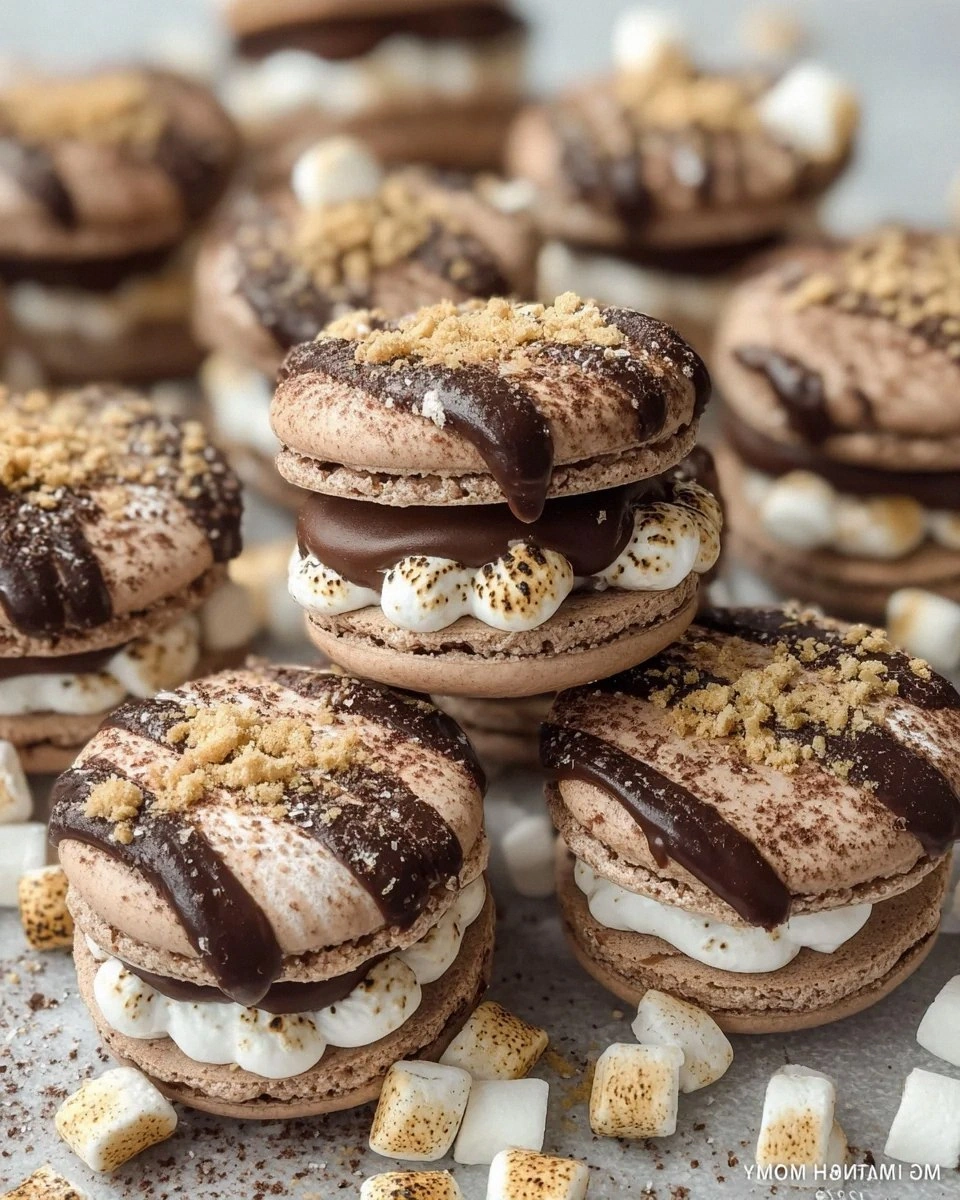
Once the shells are completely cool, pair them by size. Pipe a generous dollop of the marshmallow‑graham buttercream onto the flat side of one shell, then sandwich it with its partner. Gently press together; the filling will spread slightly, creating a seamless edge. For an extra visual pop, dust the tops with a pinch of cocoa powder or sprinkle a few extra marshmallow bits.
Refrigerate the assembled macarons for at least one hour before serving. This resting period allows the flavors to meld and the shells to soften just enough for that melt‑in‑your‑mouth experience. When you finally bite in, the outer shell will crack delicately, the buttercream will ooze, and the graham crumbs will add a satisfying crunch.
That's it — you did it. But hold on, I've got a few more tricks that'll take this to another level...
Insider Tricks for Flawless Results
The Temperature Rule Nobody Follows
Never bake macarons in a cold kitchen. Your oven’s temperature can fluctuate by up to 15°F if the room is chilly, leading to uneven rises. I keep my kitchen at a comfortable 70°F and pre‑heat the oven for at least 20 minutes. If you’re in a colder climate, consider using a kitchen thermometer to verify the oven’s true temperature before sliding in the tray.
Why Your Nose Knows Best
When the shells are done, they emit a faint, toasted almond aroma. Trust that scent—if you can smell a subtle nutty note, the shells are ready. Over‑baking dulls the aroma and makes the shells too dry. Use your nose as a final checkpoint, not just the timer.
The 5‑Minute Rest That Changes Everything
After piping, let the shells rest for exactly 5 minutes longer than the minimum if your kitchen is humid. Humidity can prevent the skin from forming, leading to cracked tops. A quick tip: place a fan nearby (on low) to circulate air and speed up the drying process.
The Buttercream Balance
If your buttercream feels too thick, add a teaspoon of milk at a time until it reaches a pipe‑able consistency. Conversely, if it’s too runny, chill it for 10 minutes and re‑whip. The goal is a smooth, glossy filling that holds its shape but melts on the tongue.
The Secret of the “Feet”
Those iconic ruffled “feet” at the base of each macaron come from the steam that builds underneath the shell during baking. If you notice flat feet, it’s likely because the shells were too moist or the oven temperature was too low. Ensure the resting period is long enough and the oven is fully pre‑heated.
Creative Twists and Variations
This recipe is a playground. Here are some of my favorite ways to switch things up:
Salted Caramel S’mores
Swap the marshmallow fluff for a salted caramel buttercream and drizzle a thin line of caramel on the top before serving. The salty‑sweet contrast elevates the classic s’mores flavor into something truly gourmet.
Nutty Espresso Crunch
Add a teaspoon of finely ground espresso to the dry mix and fold in toasted chopped hazelnuts into the filling. The coffee note deepens the chocolate, while the nuts add an unexpected crunch.
White Chocolate & Raspberry
Replace cocoa powder with white chocolate chips melted into the batter, and mix a spoonful of raspberry jam into the marshmallow buttercream. The pink‑gold contrast looks stunning on a dessert platter.
Vegan S’mores
Use aquafaba (chickpea water) in place of egg whites, replace butter with coconut oil, and choose a vegan marshmallow fluff. The texture stays remarkably similar, and the flavor remains true to the original.
Spicy Chili Chocolate
Incorporate a pinch of cayenne pepper into the cocoa powder and add a dash of smoked paprika to the buttercream. The subtle heat adds a thrilling surprise that pairs perfectly with the sweet marshmallow.
Storing and Bringing It Back to Life
Fridge Storage
Place the assembled macarons in an airtight container and store them in the refrigerator for up to 5 days. The shells will stay crisp, and the filling will continue to meld, becoming even more flavorful over time.
Freezer Friendly
If you need to keep them longer, freeze the unfilled shells on a single layer, then transfer to a zip‑top bag. They’ll last up to 3 months. When you’re ready, thaw at room temperature for 30 minutes, then pipe fresh buttercream.
Best Reheating Method
To revive a day‑old macaron, place it on a baking sheet and warm it in a 250°F (120°C) oven for 5 minutes. Add a tiny splash of water (just a few drops) to the tray before heating; the steam will bring back that melt‑in‑your‑mouth softness without making the shell soggy.