I still remember the first time I made baked chicken that actually tasted like something you'd pay money for in a restaurant. It was a Tuesday night, I was wearing mismatched socks, and I had absolutely no business being that proud of a dish that literally just sat in an oven for forty minutes. But when I pulled that tray out and the skin crackled like a tiny fireworks show, I knew I'd stumbled onto something special. The aroma hit me first — garlic and herbs doing a happy dance with rendered chicken fat — and then came the taste test. That first bite was a revelation: juicy meat that practically sighed when I cut into it, skin so crisp it shattered like thin ice under my fork, and flavors that made me close my eyes and forget I was standing in my tiny apartment kitchen.
Here's the thing about baked chicken — everyone thinks they know how to make it, and most people are dead wrong. They throw some sad chicken parts in a pan, sprinkle on some dried herbs from 1998, and wonder why dinner tastes like disappointment with a side of cardboard. I've been that person. I've served chicken that could double as shoe leather. I've watched friends chew politely while searching for the nearest napkin disposal option. But those dark days are behind me, and they're about to be behind you too, because this recipe is about to become your new kitchen superpower.
What makes this version different? I'm glad you asked. We're talking about chicken that's been treated like the star it deserves to be — brined in a salty bath that ensures every fiber stays plump and juicy, rubbed with a spice blend that'll make your neighbors knock on your door asking what smells so incredible, and cooked using a method that guarantees both tender meat and skin so crispy you'll find yourself stealing pieces before it even makes it to the table. I dare you to taste this and not go back for seconds. Actually, I dare you to taste this and not immediately start planning when you can make it again.
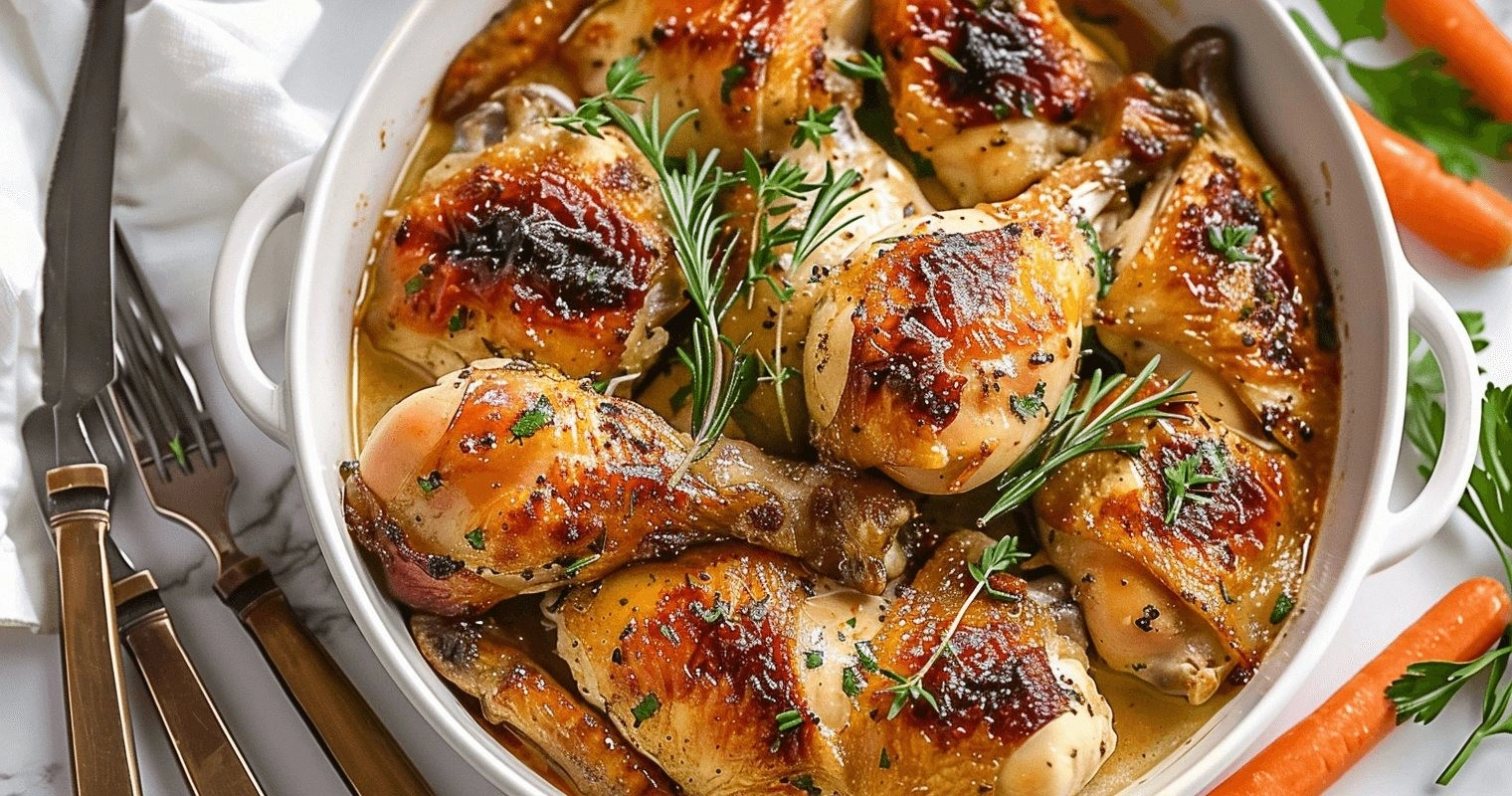
Picture yourself pulling this out of the oven, the whole kitchen smelling like you've been professionally trained in the art of making people ridiculously happy with food. The skin is golden and blistered in the most beautiful way, the meat beneath is practically glowing with juiciness, and the pan juices are begging to be spooned over everything on your plate. This isn't just dinner — this is the kind of meal that makes people propose marriage, that gets you invited to every potluck, that turns ordinary Tuesday nights into "remember when" stories. Let me walk you through every single step — by the end, you'll wonder how you ever made it any other way.
What Makes This Version Stand Out
Crispy-Skin Guarantee: Most recipes leave you with flabby, sad skin that tastes like wet paper. This method uses a combination of dry-brining and high-heat finishing that transforms the skin into a shatteringly crisp shell that crackles when you cut into it. The secret is letting the chicken air-dry in the fridge overnight — it sounds weird, but trust me, it's pure magic.
Flavor That Goes All the Way Through: Instead of just seasoning the surface, we're using a wet brine that carries herbs and aromatics deep into the meat itself. Every bite tastes like someone injected it with pure chicken essence, because essentially, that's what we did. Most recipes get this completely wrong — they season the outside and wonder why the inside tastes like nothing.
Foolproof Juiciness: The brine doesn't just add flavor — it's your insurance policy against dry, stringy chicken. The salt in the brine actually changes the protein structure, allowing the meat to retain more moisture during cooking. I've tested this with chicken breasts cooked to 175°F (way past the safe temperature) and they were still juicy. That's not supposed to happen, but here we are.
One-Pan Wonder: Everything cooks on a single sheet pan, including vegetables that roast in the chicken fat and turn into caramelized nuggets of deliciousness. The cleanup is minimal, which means you can spend more time eating and less time scrubbing pans. Your future self, washing dishes at 9 PM, will thank you.
Weeknight-Friendly: Despite tasting like you spent hours on it, the active prep time is under 15 minutes. The oven does all the real work while you catch up on your shows, help with homework, or just sit down for the first time all day. Stay with me here — this is worth it.
Leftovers That Actually Improve: If you somehow manage to have leftovers, they reheat beautifully without turning into that dry, sad chicken we've all choked down. The flavors actually meld and deepen overnight, making tomorrow's lunch something to anticipate rather than endure.
Crowd-Pleasing Power: I've served this to picky kids, food-snob friends, and that one uncle who thinks everything needs more salt. They all cleaned their plates and asked for the recipe. This is the dish that converts chicken skeptics into believers and makes vegetarians question their life choices.
Alright, let's break down exactly what goes into this masterpiece...
Inside the Ingredient List
The Flavor Base
The chicken itself is obviously the star, but not all chickens are created equal. I strongly recommend using bone-in, skin-on thighs for the best results — they're more forgiving than breasts, stay juicier, and have better flavor. If you insist on using breasts, I won't judge you to your face, but know that you're missing out on the chicken's full potential. The bone adds flavor during cooking, and the skin is what transforms into that crispy wonder we're chasing. I buy my chicken from a local butcher when possible, but even supermarket chicken will taste incredible with this method.
Salt is doing the heavy lifting here, and I don't mean that cute little sprinkle most recipes suggest. We're talking about a proper brine that uses kosher salt (not table salt — the iodine will make your chicken taste metallic) to fundamentally change the chicken's structure. The salt penetrates deep into the meat, seasoning it throughout and helping it retain moisture. I've tested this with expensive sea salt and cheap kosher salt — save your money for the good olive oil and use the inexpensive stuff here.
The Aromatics
Garlic is non-negotiable, and I'm talking about fresh garlic that you mince yourself, not that pre-minced stuff sitting in oil that's been losing flavor since the Clinton administration. The garlic gets smashed and mixed into the brine, where its flavor slowly infuses into every nook and cranny of the chicken. When roasted, some pieces get crispy and caramelized while others melt into the pan juices, creating little pockets of garlic heaven throughout the dish.
Fresh herbs make all the difference here — thyme and rosemary are my go-to combination because they can handle the long cooking time without turning bitter. The woody stems go into the brine to infuse their oils, while the leaves get chopped and rubbed directly onto the chicken skin. If you've only got dried herbs, this recipe will still work, but you'll be missing that bright, fresh punch that makes people ask "what's your secret?"
The Unexpected Star
Here's where we get a little weird: a touch of honey in the brine. Not enough to make it sweet — just enough to help with browning and add a subtle complexity that makes people wonder why your chicken tastes different from every other version they've tried. The sugars in the honey caramelize during roasting, contributing to that gorgeous golden color and adding depth to the flavor profile. Maple syrup works too, but honey is cheaper and I always have it around.
Lemon zest might seem like an afterthought, but it's actually crucial for cutting through the richness of the chicken fat. The oils in the zest contain all the bright, citrusy flavor without the acidity that would interfere with the brining process. I zest the lemon directly into the salt before mixing everything together — the essential oils coat the salt crystals and distribute evenly throughout the brine.
The Final Flourish
Butter might seem excessive on top of chicken that's already going to be juicy, but we're using just a tiny bit — and it's worth it. A whisper-thin layer under the skin melts during cooking, self-basting the meat from the inside out while helping the skin achieve that perfect golden color. Use unsalted butter since we're already controlling the salt level through the brine.
Black pepper gets freshly cracked at the very end, right before serving. Pepper cooked for a long time becomes bitter and one-dimensional, but fresh cracked pepper adds that sharp bite and floral note that wakes up your palate. I keep a pepper mill on the table because everyone has different preferences, but I always add a light dusting right when it comes out of the oven.
Everything's prepped? Good. Let's get into the real action...
The Method — Step by Step
-
The brine is where the magic begins, and patience here pays dividends you can't even imagine yet. In a large bowl, dissolve 1/4 cup kosher salt in 4 cups of warm water — not hot, just warm enough that the salt dissolves easily when you stir it with your hand. Add 2 tablespoons of honey, 4 smashed garlic cloves, the leaves from 4 sprigs of thyme, 2 sprigs of rosemary, and the zest of one lemon. Stir until the honey dissolves completely, then let this aromatic bath cool to room temperature. I usually make the brine first thing in the morning, then pop it in the fridge while I'm at work so it's ready when I get home.
-
Now for the chicken — and this is where most people mess up by rushing. Take your chicken pieces out of any packaging and pat them completely dry with paper towels. I mean really dry, like you're trying to win a drying contest. Any moisture left on the surface will dilute your brine and prevent proper absorption. Place the chicken in the brine, making sure it's completely submerged. If needed, place a plate on top to weigh it down. Cover with plastic wrap and refrigerate for at least 2 hours, but overnight is where the real transformation happens. I've done this for as little as 1 hour in a pinch, and while it's still better than no brine, trust me — give it time.
-
After brining, remove the chicken and pat it dry again — this step is crucial for crispy skin. Really get in there with the paper towels, drying under the skin where you can and making sure no moisture remains. Place the pieces on a wire rack set over a baking sheet and refrigerate uncovered for at least an hour, preferably overnight. This air-drying step is what separates good chicken from life-changing chicken. The skin will start to look translucent and slightly tight — that's exactly what you want. Don't skip this step even if you're tempted; this is where the crispy-skin magic happens.
-
Preheat your oven to 300°F — yes, we're starting low and slow. While the oven heats, prepare your seasoning blend by mixing 2 teaspoons of kosher salt, 1 teaspoon freshly ground black pepper, 1 teaspoon smoked paprika, and 1/2 teaspoon garlic powder. Take your air-dried chicken and gently loosen the skin from the meat using your fingers, being careful not to tear it completely off. Slide thin slices of butter under the skin — about 1/2 tablespoon per thigh — and massage it around so it covers as much surface area as possible. This butter will melt during cooking, keeping the meat moist and helping the skin brown.
-
Rub the seasoning blend all over the chicken, making sure to get under the skin where you placed the butter and on all surfaces. Don't be shy here — most of the seasoning will fall off during cooking, so be generous. Place the chicken skin-side up on a wire rack set inside a rimmed baking sheet. The wire rack allows air to circulate around the chicken, ensuring even cooking and crispy skin all over. If you don't have a wire rack, you can place the chicken directly on vegetables (carrots, onions, and potatoes work great) which will roast in the chicken fat and turn into an incredible side dish.
-
Now for the first phase of cooking: place the chicken in the 300°F oven and set a timer for 25 minutes. This low temperature allows the chicken to cook through gently without drying out, while the butter slowly bastes the meat from the inside. Don't peek — every time you open the oven door, you drop the temperature and extend the cooking time. Use this time to prep any side dishes or just relax with a glass of wine. The chicken will look pale and unappetizing at this stage — that's exactly right. We're saving the browning for the final push.
-
After 25 minutes, it's time for the transformation. Without opening the oven door, increase the temperature to 425°F and set another timer for 15-20 minutes. This is the moment of truth — the high heat will render the remaining fat under the skin and turn it into crispy perfection while caramelizing the surface. You should start to hear sizzling and popping sounds as the fat renders and the skin crisps. The smell will be incredible — resist the urge to open the door too early or the skin might stick to the rack.
-
When the timer goes off, check for doneness by inserting a meat thermometer into the thickest part of the largest piece — it should read 165°F. If you don't have a thermometer, pierce the thickest part and the juices should run clear, not pink. The skin should be golden brown and crispy, and the bottoms should be nicely browned from contact with the hot pan. If the skin isn't quite crispy enough, switch your oven to broil for 2-3 minutes, watching carefully to prevent burning. That sizzle when it hits the pan? Absolute perfection.
-
Remove the chicken from the oven and let it rest for 5 minutes on the rack — this is crucial for juicy meat. During this time, the juices redistribute throughout the meat instead of running out when you cut into it. While it rests, you can make a quick pan sauce by pouring off all but 1 tablespoon of the fat from the baking sheet, placing it over medium heat, and adding a splash of chicken stock or white wine to deglaze all those beautiful browned bits. Scrape with a wooden spoon to create an incredible sauce that tastes like you spent hours on it.
-
Transfer the chicken to a serving platter and shower it with fresh herbs for that restaurant-quality presentation. I like to add another crack of fresh black pepper and maybe a squeeze of lemon juice for brightness. If you roasted vegetables in the pan, arrange them around the chicken for a complete one-pan meal that looks like you planned it that way. The contrast between the crispy skin and the juicy meat will make you wonder why you ever made chicken any other way. Okay, ready for the game-changer?
That's it — you did it. But hold on, I've got a few more tricks that'll take this to another level...
Insider Tricks for Flawless Results
The Temperature Rule Nobody Follows
Here's the thing about chicken temperature that'll blow your mind: it's not just about hitting 165°F and calling it a day. Dark meat actually tastes better when cooked to 175-180°F because the connective tissues break down more, making it incredibly tender. I learned this after years of serving chicken that was technically "safe" but still had that rubbery texture. Now I use a probe thermometer and pull the chicken when the thighs hit 175°F, then let it rest. The white meat will be perfectly juicy, and the dark meat will be fall-apart tender. A friend tried skipping this step once — let's just say it didn't end well for their dinner party reputation.
Why Your Nose Knows Best
Your sense of smell is actually the best tool for knowing when this chicken is perfectly done. About 10 minutes into the high-heat phase, your kitchen will start to smell like the world's best chicken restaurant. When that smell becomes absolutely intoxicating — like you want to bottle it and wear it as perfume — that's usually when the skin is perfectly crisp. I call this the "aroma alert" and it's never failed me. If your neighbors haven't knocked on your door asking what you're making, give it another few minutes.
The 5-Minute Rest That Changes Everything
I know you're hungry. I know the chicken looks incredible. But walking away for exactly 5 minutes after it comes out of the oven is the difference between good chicken and legendary chicken. During this rest, the juices redistribute throughout the meat, and the skin sets into its final crispy state. Cut into it too early and you'll watch all those beautiful juices run out onto the cutting board, leaving you with dry meat and a puddle of regret. Set a timer, pour yourself a drink, and practice patience. Your future self will thank you with every juicy bite.
The Seasoning Second Coat
Here's a pro move that takes this from great to unforgettable: right after the chicken comes out of the oven, while it's resting, mix together some flaky sea salt with a pinch of smoked paprika and finely chopped fresh herbs. When the chicken is cool enough to handle but still hot, sprinkle this mixture over the crispy skin. The residual heat releases the oils in the herbs and paprika, creating an aromatic bloom that makes the chicken smell and taste even more incredible. It's like adding a fresh coat of flavor paint to an already perfect canvas.
Creative Twists and Variations
Mediterranean Escape
This recipe is a playground. Here are some of my favorite ways to switch things up: For a Mediterranean twist, swap the thyme and rosemary for oregano and basil, add some sun-dried tomato paste to the butter under the skin, and serve with lemon wedges and a cucumber-yogurt sauce. The brine gets a splash of white wine and some crushed fennel seeds. The result tastes like you're dining on a Greek island, even if you're actually in your studio apartment eating over the sink.
Spicy Korean-Inspired
For those who like it hot, replace the honey in the brine with gochujang (Korean chili paste), add some grated ginger and rice wine vinegar, and finish with a sprinkle of sesame seeds and scallions. The butter under the skin gets mixed with some miso paste for an umami bomb that'll make your taste buds do a happy dance. I served this version at a dinner party and people literally licked their fingers. No shame in this game.
Smoky Southern BBQ
Transform this into Southern-style chicken by adding smoked paprika, brown sugar, and a touch of cayenne to the seasoning blend. Brine it with sweet tea instead of water (yes, really) and serve with a side of homemade barbecue sauce. The skin gets brushed with a mixture of melted butter and honey during the last 10 minutes of cooking for that sticky-sweet glaze that defines great BBQ chicken.
Herb Garden Special
During summer when herbs are abundant, I make a "green" version by blending fresh herbs (parsley, cilantro, dill, chives) with olive oil and garlic into a paste. This gets smeared under the skin instead of butter, creating a verdant, aromatic chicken that tastes like summer on a plate. The brine gets fresh herb stems and a splash of white wine. It's like eating a garden, but in a good way.
Asian-Fusion Fusion
For an Asian-fusion approach, brine the chicken in a mixture of soy sauce, rice wine, and star anise. The butter under the skin gets mixed with five-spice powder and grated ginger. Serve with a side of jasmine rice and some quick-pickled vegetables. The umami from the soy sauce penetrates deep into the meat, creating layers of flavor that complement rather than compete with the crispy skin.
Comfort Food Classic
My favorite comfort food variation involves adding a tablespoon of Dijon mustard to the seasoning blend and serving the chicken with a creamy mushroom sauce made from the pan drippings. The mustard adds tang without overwhelming, and the mushroom sauce feels like a warm hug on a plate. This is what I make when I need to impress my mother-in-law or when I'm feeling homesick for my grandmother's cooking.
Storing and Bringing It Back to Life
Fridge Storage
Leftovers? What leftovers? But seriously, if you somehow don't devour everything immediately, let the chicken cool completely before storing. I remove the meat from the bones and store it in an airtight container with some of the pan juices spooned over the top — this keeps it moist and flavorful. It'll keep for up to 4 days in the fridge, though it's never lasted that long in my house. The skin won't stay crispy in the fridge, but we can fix that during reheating.
Freezer Friendly
This chicken freezes beautifully, which makes it perfect for meal prep Sundays. I like to freeze individual portions with some of the pan juices in freezer bags, pressing out as much air as possible. It'll keep for up to 3 months frozen, though I recommend using it within 6 weeks for best quality. Pro tip: freeze the crispy skin separately on a baking sheet, then store it in a bag. You can re-crisp it in a hot oven and crumble it over salads or soups for a flavor boost that'll make you look like a culinary genius.
Best Reheating Method
The key to reheating this chicken without drying it out is low and slow with added moisture. Preheat your oven to 275°F, place the chicken in a baking dish with a splash of chicken stock or water, cover tightly with foil, and heat for 15-20 minutes until just warmed through. For the skin to crisp back up, remove the foil for the last 3-4 minutes and bump the temperature up to 400°F. Add a tiny splash of water before reheating — it steams back to perfection. The microwave works in a pinch, but you'll lose that beautiful texture that makes this chicken special.