Picture this: a Friday night, the fridge is a sad, empty bowl, and the only thing you can think of is “something warm, comforting, and surprisingly quick.” I stared at the blinking LED of the oven, feeling the faint heat of the city’s late‑night traffic outside. That night, I decided to turn a handful of leftover veggies and a splash of milk into a casserole that would make my taste buds sing. The result? A dish that feels like a hug in a bowl, with a golden crust that crackles like freshly fallen snow, and a creamy interior that whispers secrets of the garden. I dare you to taste this and not go back for seconds.
When I first tossed the vegetables into the pan, the scent of sautéed onions and garlic rose like a fragrant fog. The sizzling sound was a rhythmic drumbeat that promised transformation. I could almost see the vegetables turning from raw to caramelized, their edges softening into a buttery sheen. The air was thick with the promise of comfort, and my mouth watered in anticipation. This isn’t just a casserole; it’s a sensory adventure that starts with a simple click of the stove and ends with a lingering, savory aftertaste that stays with you long after the last bite.
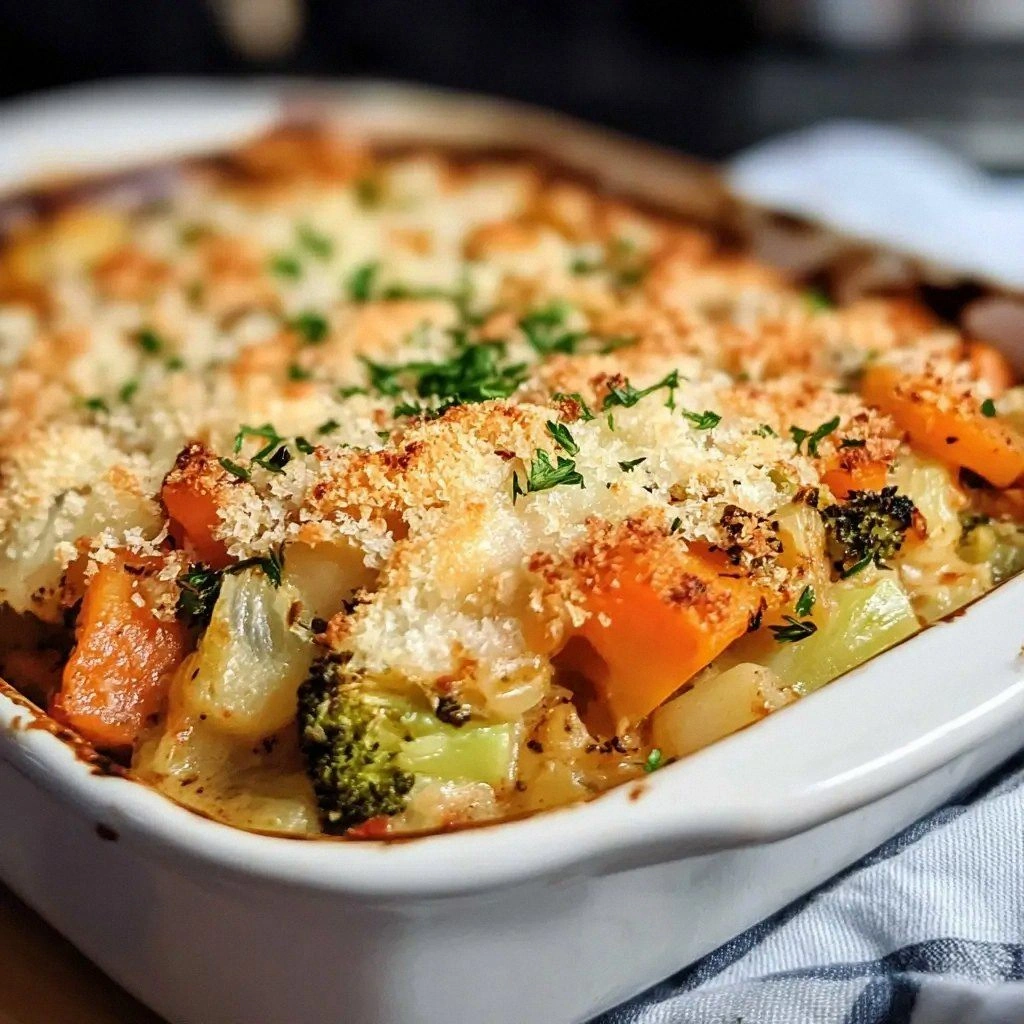
Why does this version stand out? Because it’s a masterclass in balancing textures and flavors. The vegetables are roasted to a gentle caramelization, the cheese melts into a velvety blanket, and the breadcrumb topping adds a satisfying crunch that feels like a secret applause. I’ve spent years tinkering with casseroles, and this one finally hits every sweet spot: it’s hearty yet light, colorful yet cohesive, and it leaves room for the ingredients to shine without any one overpowering the rest. And the best part? It’s so easy that even a kitchen novice can pull it off and still impress a crowd.
I’ll be honest — I ate half the batch before anyone else even had a chance to taste it. The moment I took the first bite, I felt a rush of warmth that made me want to share it with everyone. That’s the power of a well‑balanced casserole: it’s not just food, it’s an invitation to gather, to share, to create memories over a steaming plate. So if you’re ready to ditch the bland, you’re in the right place. Let me walk you through every single step — by the end, you’ll wonder how you ever made it any other way.
What Makes This Version Stand Out
- Flavor: The blend of oregano, basil, and smoked paprika gives the dish a Mediterranean kick that feels both familiar and adventurous.
- Texture: Roasted vegetables provide a tender bite, while the cheese creates a silky interior and the breadcrumb topping adds a delightful crunch.
- Ease: The recipe requires minimal prep time and no fancy equipment, making it perfect for busy weeknights.
- Versatility: Swap in your favorite veggies or adjust the cheese ratio to suit dietary preferences without compromising taste.
- Presentation: The golden crust and vibrant colors make it a showstopper on any dinner table.
- Nutrition: Packed with protein from eggs and quinoa, and fiber from the vegetables, it’s a balanced, wholesome meal.
- Make‑ahead Friendly: Assemble, bake, and reheat without losing quality, so you can enjoy it any night of the week.
- Crowd‑pleaser: Even the pickiest eaters love the comforting layers and familiar flavors.
Alright, let's break down exactly what goes into this masterpiece...
Inside the Ingredient List
The Flavor Base
The foundation of this casserole starts with sautéed onions and garlic. They release a sweet, aromatic base that permeates every bite. Don’t skip the garlic; it’s the silent hero that brings depth. If you’re vegan, replace the milk with a non‑dairy alternative like oat milk for a creamy texture.
The Texture Crew
Roasted vegetables are the heart of the dish. Their caramelized edges provide a subtle sweetness, while their interiors stay crisp. The eggs bind everything together, giving the casserole a silky mouthfeel. If you’re watching calories, you can reduce the eggs to one and add a splash of low‑fat milk.
The Unexpected Star
Quinoa isn’t just a garnish; it adds a nutty flavor and a protein punch that elevates the dish. Its fluffy grains hold the sauce, preventing the casserole from becoming soggy. If you’re allergic to quinoa, swap it for cooked barley or bulgur wheat for a similar effect.
The Final Flourish
Breadcrumbs mixed with grated Parmesan create a crunchy topping that contrasts beautifully with the creamy interior. The cheese melts into a golden blanket that seals in moisture. A pinch of smoked paprika adds a subtle heat that lingers on the palate.
Everything's prepped? Good. Let's get into the real action...
The Method — Step by Step
- Preheat your oven to 375°F (190°C). While the oven heats, gather all your ingredients. The anticipation of the aroma building up is half the joy of cooking.
- Heat 2 tablespoons of olive oil in a large skillet over medium heat. Add the diced onion and cook until translucent, about 3–4 minutes. The onions should soften without browning.
- Stir in the minced garlic and sauté for an additional minute until fragrant. The garlic should release its aroma but not burn.
- Add the mixed vegetables to the skillet and cook until they start to soften, about 5–6 minutes. Stir occasionally so they roast evenly.
- Season the mixture with oregano, basil, smoked paprika, salt, and pepper. Let the flavors mingle for a minute, then remove from heat.
- In a separate bowl, whisk together the eggs, milk, and melted mozzarella. Pour this custard over the vegetables, ensuring everything is evenly coated.
- Transfer the mixture to a greased 9×13-inch baking dish. Sprinkle the cooked quinoa evenly over the top, then add the breadcrumb and Parmesan mixture.
- Bake for 25–30 minutes, or until the top is golden brown and the custard has set. The edges should pull away slightly from the sides of the dish.
- Let the casserole rest for 5 minutes before slicing. This allows the flavors to settle and the custard to firm up, making clean, even portions.
- Serve hot, optionally garnished with fresh herbs or a drizzle of olive oil for extra shine. Enjoy the harmony of textures and flavors that dance in every bite.
That's it — you did it. But hold on, I've got a few more tricks that'll take this to another level...
Insider Tricks for Flawless Results
The Temperature Rule Nobody Follows
Many people bake at 350°F, but 375°F gives a golden crust without drying out the interior. I’ve seen casseroles that turn out too flat; keep the oven at 375°F to avoid that.
Why Your Nose Knows Best
As the casserole bakes, you’ll notice a toasty scent rising. That’s your cue that the edges are caramelizing. If you’re tempted to pull it out early, wait until the aroma is rich and inviting.
The 5-Minute Rest That Changes Everything
After baking, let the dish rest for 5 minutes. This small pause allows the custard to set, preventing it from sliding off the fork when you serve.
Use a Sheet Pan for Even Cooking
If you’re baking multiple casseroles, use a sheet pan to keep them at the same temperature. The heat circulates evenly, giving consistent results.
Don’t Skimp on the Cheese
The cheese not only adds flavor but also helps bind the casserole. A generous amount of mozzarella ensures a creamy, cohesive bite.
Creative Twists and Variations
This recipe is a playground. Here are some of my favorite ways to switch things up:
Smoky Chipotle Version
Add 1 tablespoon of chipotle in adobo sauce for a smoky, spicy kick that pairs well with the sweet roasted veggies.
Italian Herb Blend
Swap oregano and basil for rosemary and thyme. The earthy herbs give it a rustic, Italian feel.
Cheesy Broccoli and Cauliflower
Increase the broccoli and cauliflower to 3 cups each, and reduce the quinoa. The dish becomes a hearty, low‑carb option.
Vegan Delight
Replace eggs with flaxseed meal (1 tbsp + 3 tbsp water). Use vegan mozzarella and oat milk for a fully plant‑based casserole.
Breakfast Casserole
Add diced potatoes and a pinch of paprika, and serve with a side of scrambled eggs. It becomes a filling brunch dish.
Mexican Fusion
Add black beans, corn, and a dash of cumin. Top with shredded cheddar and a sprinkle of cilantro for a vibrant twist.
Storing and Bringing It Back to Life
Fridge Storage
Cool the casserole completely, then cover tightly with plastic wrap. Store in the refrigerator for up to 3 days. The flavors deepen, and the texture remains firm.
Freezer Friendly
Wrap the casserole in foil, then place in an airtight freezer bag. It stays good for up to 2 months. Thaw overnight in the fridge before reheating.
Best Reheating Method
Reheat in a preheated oven at 350°F for 15–20 minutes, or until heated through. Add a splash of milk before reheating to keep the custard moist.