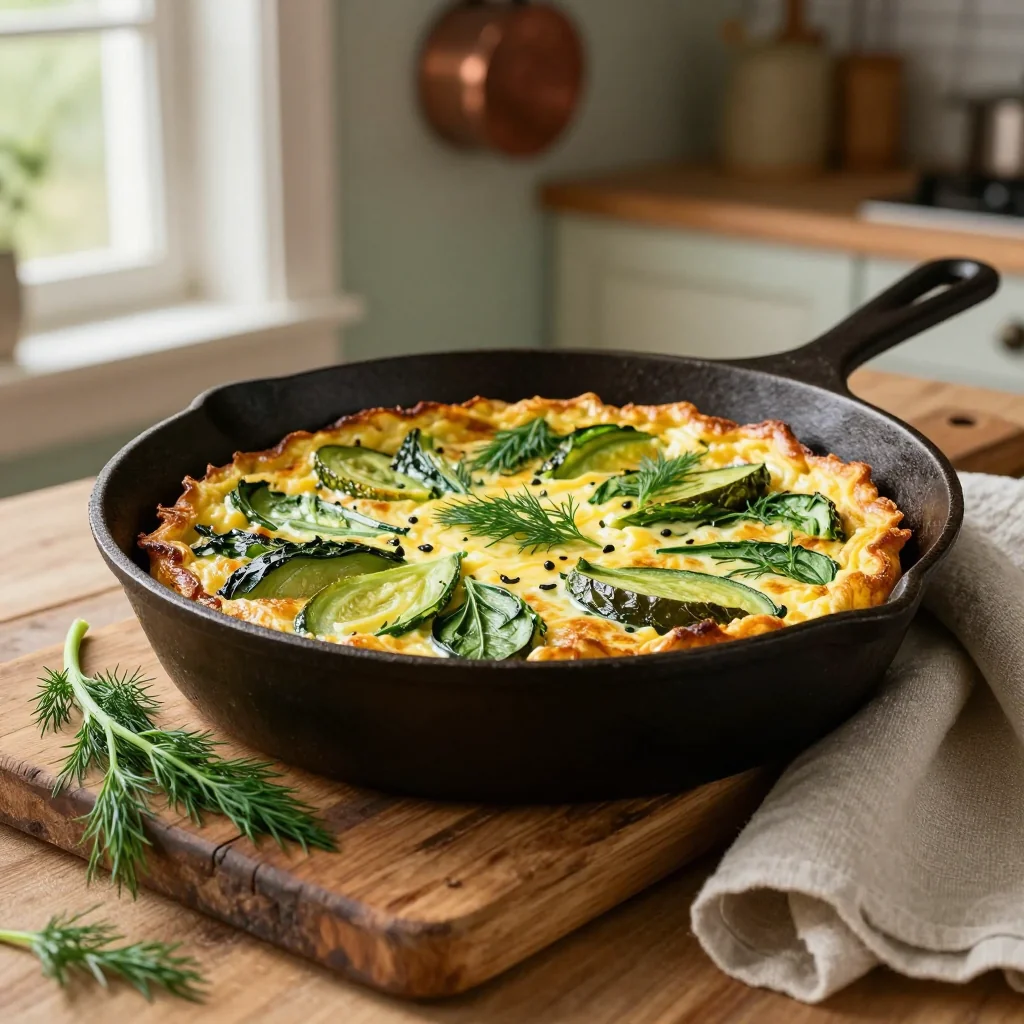
The first time I cracked open a cast‑iron skillet on a bright March morning, the kitchen was already humming with the scent of fresh rain on the garden path. I had just harvested a bounty of tender asparagus, baby peas, and baby spinach, their emerald skins still glistening with dew. As the butter melted, it released a buttery, nutty perfume that seemed to coax the vegetables into a gentle, fragrant surrender. When the eggs hit the pan, they sang a soft sizzle, rising like a sunrise over the horizon of my stovetop. The result was a golden‑crowned frittata, fluffy inside yet crisp at the edges—a humble masterpiece that still makes my heart flutter every spring.
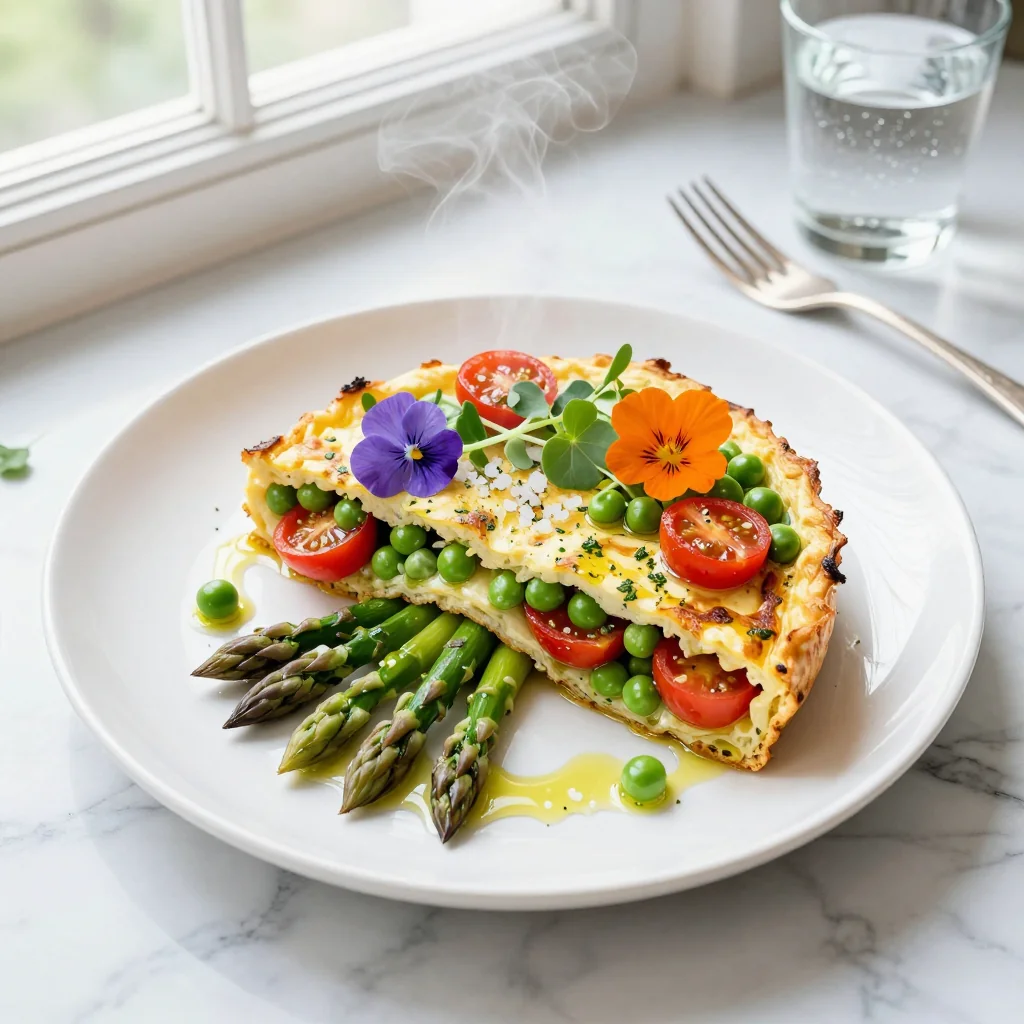
Spring Vegetable Frittata
At a Glance
Perfect For
Brunch & Light Dinner
Skill Level
Easy
Best Season
Spring
Cuisine
Mediterranean‑Inspired
Why You'll Love This
This frittata is a celebration of spring’s freshest produce, wrapped in a silky‑smooth egg blanket that stays moist thanks to the gentle heat of a cast‑iron skillet. It’s quick, it’s beautiful, and it can be served hot or at room temperature—perfect for any gathering.
🌱 Seasonal Goodness – Each bite bursts with the bright, grassy notes of spring vegetables, delivering nutrients and color.
⏱️ Speedy Prep – From chopping to plating, you’ll be at the table in under 30 minutes.
🥚 Protein‑Packed – Eggs provide a complete protein source, making the dish satisfying for vegetarians.
🍽️ Versatile Serving – Serve it straight from the skillet, slice for a salad, or pack for a picnic.
Ingredients
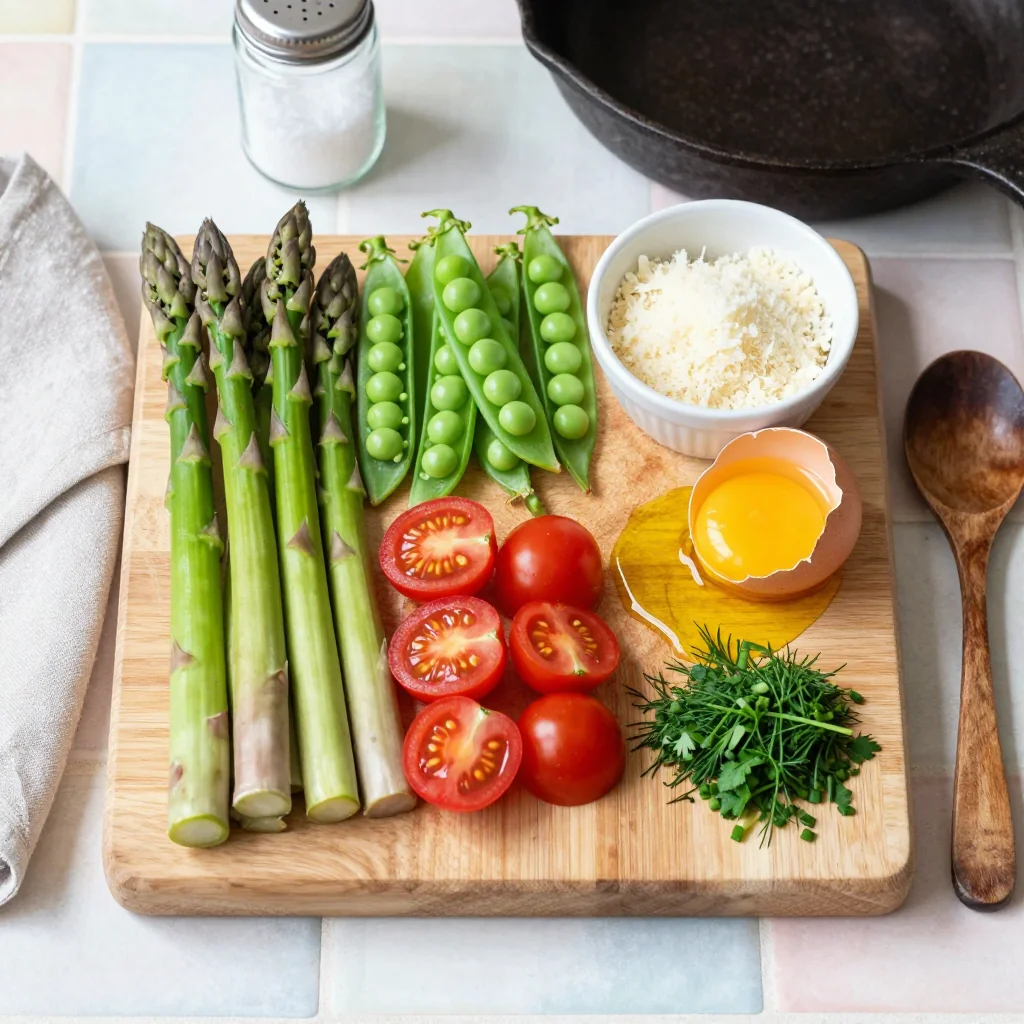
Main Ingredients
8 large eggs
1/2 cup whole milk
1 cup fresh asparagus, trimmed & cut 1‑inch
1 cup baby peas (fresh or thawed)
2 cups baby spinach, roughly chopped
1/2 cup feta cheese, crumbled
1 small red onion, thinly sliced
2 tbsp extra‑virgin olive oil
Salt & freshly cracked black pepper to taste
For the Sauce/Seasoning
1/4 cup heavy cream
1 tsp Dijon mustard
1 tbsp fresh lemon zest
1 tbsp chopped fresh dill
Pinch of smoked paprika (optional)
Shopping Tips
- 🛒 Choose asparagus with tightly closed tips; they’re sweeter and less fibrous.
- 🛒 Fresh peas should be plump and bright green; frozen peas work well if you’re out of season.
- 🛒 Look for baby spinach with deep‑green leaves—avoid any that are yellowed or wilted.
- 🛒 Opt for a high‑quality feta that’s crumbly, not creamy; it adds the perfect salty bite.
Equipment
Instructions
Preheat & Prepare
Set your oven to 190 °C (375 °F) if you plan to finish the frittata under the broiler. Meanwhile, whisk together the eggs, whole milk, heavy cream, Dijon mustard, lemon zest, and a pinch of salt and pepper until the mixture is uniformly pale and slightly frothy.
Look for a smooth, velvety texture with no streaks of egg white.
5 minSauté the Aromatics
Heat the olive oil in the 10‑inch cast‑iron skillet over medium heat. Add the sliced red onion and sauté for 2‑3 minutes, until the edges turn translucent and the aroma turns sweet.
You’ll know they’re ready when they begin to caramelize lightly.
3 minAdd the Spring Veggies
Toss in the asparagus pieces and peas, stirring for another 2 minutes. The asparagus should turn a vivid green, and the peas should become just tender.
A quick “snap” test—bite a piece; it should give with a gentle resistance.
2 minIncorporate Spinach & Feta
Add the chopped spinach and crumble the feta over the vegetables. Cook for another minute, allowing the spinach to wilt and the feta to begin melting into the mix.
You’ll see the spinach shrink dramatically, releasing a fragrant, earthy aroma.
1 minPour the Egg Mixture
Reduce the heat to low, then gently pour the whisked egg mixture over the vegetables, ensuring it spreads evenly. Let it sit undisturbed for about 30 seconds so the edges start to set.
The surface should begin to turn opaque around the rim while the centre stays slightly runny.
2 minFinish on the Stovetop
Cover the skillet with a tight‑fitting lid and let the frittata steam for 5‑6 minutes. The steam gently cooks the top without drying the delicate custard.
When a gentle shake shows the center is set but still slightly wobbling, it’s ready for the oven.
6 minBroil to Golden Perfection
Transfer the skillet to the preheated oven and broil for 2‑3 minutes, watching closely. The top should puff slightly and acquire a golden‑brown speckled crust.
A quick glance will reveal a beautiful caramelized edge that signals readiness.
3 minRest, Slice & Serve
Allow the frittata to rest for 3 minutes; this lets the steam settle and the flavors meld. Slide a spatula around the edge, cut into wedges, and serve straight from the skillet or transfer to a serving plate.
The interior should be custardy, with a tender bite that melts on the tongue.
3 minMaster This Technique
One of the most rewarding skills in skillet‑based cooking is the “gentle steam‑set” method, where you cover the pan to trap moisture and finish the egg base without over‑cooking. The cast‑iron’s even heat distribution creates a subtle, consistent temperature that allows the bottom to set while the top remains luxuriously soft. By using a lid, you introduce a humid environment that prevents the delicate curd from drying out, resulting in a frittata that’s feather‑light yet structurally sound.
Practice this technique with any egg‑based dish—quiches, egg bites, or even a simple omelet—and you’ll notice a dramatic improvement in texture. The secret is timing: a short stovetop set, followed by a brief oven broil, gives you that coveted contrast of a crisp edge and a creamy centre.
Chef's Tips
Fresh, room‑temperature eggs whisk into a smoother batter that rises higher and yields a silkier crumb.
Season the vegetables lightly at first; the cheese and sauce will add salt later, preventing a salty overload.
A quick broil gives the frittata a golden‑brown crown without drying the interior—watch it like a hawk!
Fresh dill or chives sprinkled just before serving preserve their bright, aromatic punch.
A brief 3‑minute rest lets the custard finish setting, making clean slices and preventing crumbs.
Avoid These Mistakes
Over‑cooking the eggs – Leads to a rubbery texture.
Fix: Keep the heat low, use the lid, and monitor the set stage closely.
Using a non‑seasoned skillet – Causes sticking and uneven browning.
Fix: Pre‑heat the skillet well and add enough oil to coat the surface.
Adding too much liquid – The frittata can become soupy.
Fix: Measure milk and cream precisely; a total of 3/4 cup keeps it custardy.
Skipping the broiler – Misses the signature golden top.
Fix: Finish under a hot broiler for 2‑3 minutes, watching for a light crust.
Try These Variations
Mediterranean Twist
Swap feta for goat cheese, add sun‑dried tomatoes, and finish with a drizzle of extra‑virgin olive oil.
Result: Tangy, earthy notes that echo a Greek seaside breeze.
Cheesy Delight
Incorporate shredded sharp cheddar and a sprinkle of parmesan on top before broiling.
Result: A richer, melt‑in‑your‑mouth experience perfect for cheese lovers.
Spicy Kick
Add a pinch of crushed red pepper flakes to the egg mixture and finish with a dollop of harissa yogurt.
Result: Warm heat that awakens the palate without overwhelming the vegetables.
What to Serve With
Side Dishes
- 🥗 Light arugula salad with lemon vinaigrette
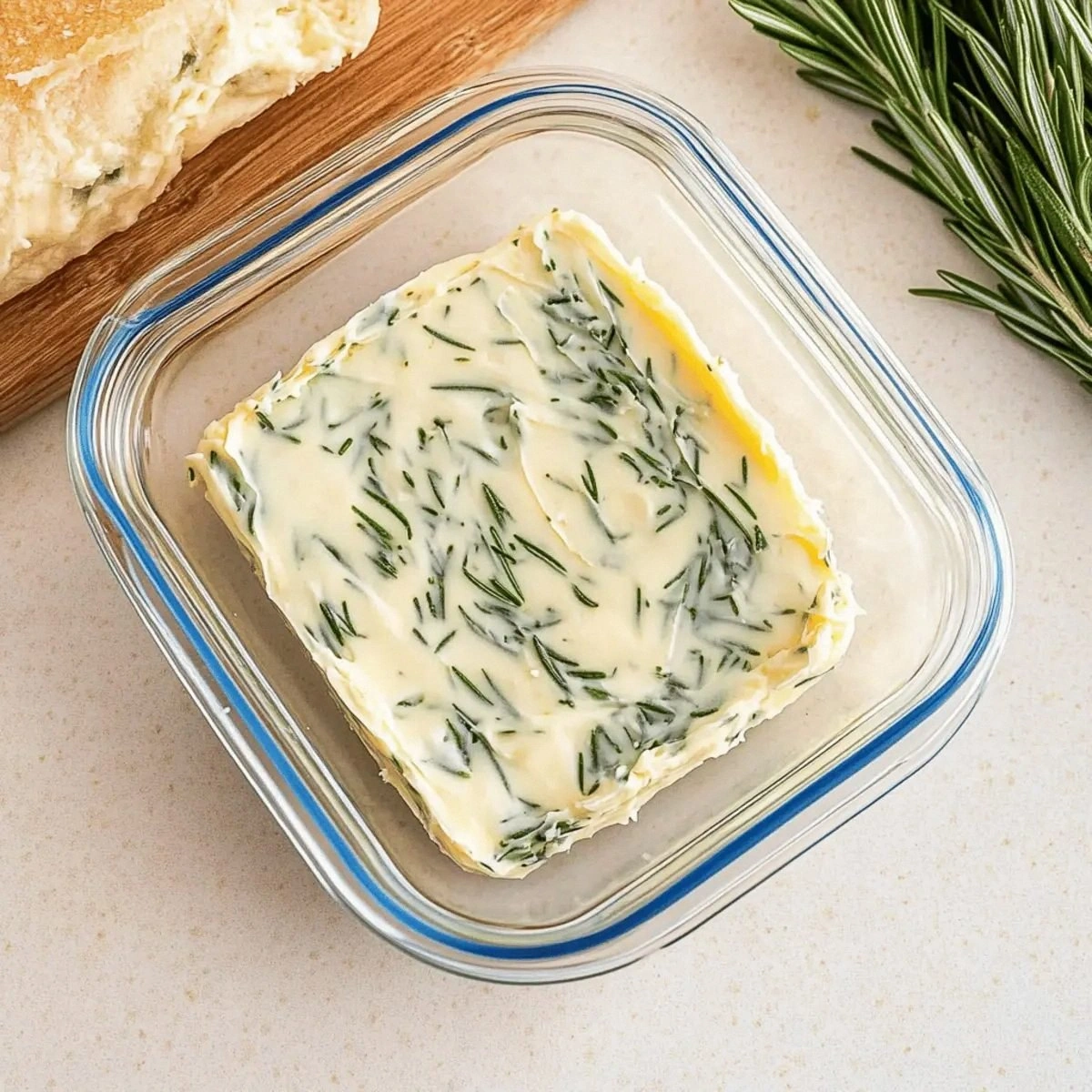
- 🍞 Crispy sourdough toast with herb butter
- 🥔 Roasted baby potatoes tossed in rosemary
- 🍅 Tomato and cucumber ribbons with feta crumble
Drinks
- 🍾 Sparkling Prosecco with a twist of orange
- 🍋 Freshly squeezed lemonade infused with mint
- ☕ Lightly brewed green tea with a hint of jasmine
Storage Guide
Fridge
Up to 3 days. Keep in an airtight container; reheat gently on low heat.
Freezer
Up to 2 months. Slice, wrap each piece in parchment, then freeze in a zip‑lock.
Reheat
350 °F (180 °C) oven for 10 minutes or skillet over medium‑low with a splash of milk.
Questions & Answers
Thank you for joining me on this springtime culinary adventure. I hope the aroma of fresh asparagus and the sight of that golden crust inspire you to fire up your cast‑iron skillet tonight. Snap a photo, tag me, and let’s celebrate the season together—one fluffy bite at a time.
Spring Vegetable Frittata Cast Iron Skillet
Ingredients
- 8 large eggs
- 1/2 cup whole milk
- 1 cup asparagus, cut 1‑inch
- 1 cup baby peas
- 2 cups baby spinach
- 1/2 cup feta cheese
- 1 small red onion
- 2 tbsp olive oil
- 1/4 cup heavy cream
- 1 tsp Dijon mustard
- 1 tbsp lemon zest
- 1 tbsp fresh dill
- Salt & pepper
Instructions
- Preheat oven to 190 °C (375 °F). Whisk eggs, milk, cream, mustard, zest, salt, and pepper.
- Sauté onion in olive oil until translucent.
- Add asparagus and peas; cook 2 min.
- Stir in spinach and crumble feta; wilt 1 min.
- Reduce heat, pour egg mixture, let edges set 30 sec.
- Cover, steam on stove 5‑6 min.
- Broil 2‑3 min until golden.
- Rest 3 min, slice, and serve.
Tips
Use room‑temperature eggs for a fluffier rise.
Finish under the broiler for that signature crust.