I was standing in my kitchen on a rainy Tuesday, staring at a half‑cooked pot of orzo that smelled vaguely of disappointment. I had promised my roommate that I’d whip up something quick, but the only thing I could think of was a bland, soggy side that would disappear faster than my motivation to do laundry. Then, out of nowhere, my phone buzzed with a text from a friend daring me to “make the most unforgettable shrimp dish you’ve ever tasted.” I laughed, rolled my eyes, and thought, okay, let’s turn this kitchen catastrophe into a culinary triumph.
I grabbed a handful of frozen shrimp, a block of feta that practically glistened under the fluorescent lights, and a bag of orzo that had been waiting patiently in the pantry for its moment of glory. The moment the butter‑softened olive oil hit the pan, it sang a sizzle that was pure anticipation. The garlic hit the oil next, releasing an aromatic perfume that made my nostrils do a happy dance, while the onion softened into translucent sweetness, like a sunrise over a quiet sea. The kitchen filled with the scent of lemon zest and oregano, a Mediterranean breeze that made me picture myself on a sun‑kissed terrace.
What sets this version apart is not just the ingredients, but the choreography of flavors. Most recipes throw shrimp and cheese together and call it a day, missing the delicate balance that turns a good dish into a legendary one. In my version, the orzo is cooked in chicken broth, soaking up savory depth before it even meets the shrimp. Then, the shrimp are seared just long enough to develop a caramelized crust that clings to the feta‑infused sauce like a lover’s embrace. The final garnish of fresh lemon juice and a sprinkle of feta adds a bright, tangy finish that makes every bite sing.
I’m going to let you in on a little secret that most cooks overlook: a splash of white wine right after the shrimp hit the pan is the game‑changer. It deglazes the pan, lifting all those caramelized bits and turning them into a silky, buttery sauce that coats the orzo like velvet. If you skip this step, you’ll end up with a dry, lonely grain that feels more like a sidekick than a star.
Let me walk you through every single step — by the end, you’ll wonder how you ever made it any other way. I dare you to taste this and not go back for seconds. Ready? Okay, ready for the game‑changer?
What Makes This Version Stand Out
- Flavor Fusion: The marriage of briny feta and sweet shrimp creates a contrast that dances on the palate, while lemon zest adds a zing that lifts the whole dish.
- Texture Harmony: Orzo offers a tender bite, the shrimp provide a firm, juicy pop, and the feta contributes a creamy crumble that melts into every forkful.
- Simplicity Meets Sophistication: Only ten core ingredients, yet the result feels restaurant‑level, proving that elegance doesn’t have to be complicated.
- Unique Twist: Cooking the orzo in broth and finishing with a wine‑reduced sauce is a technique most home cooks miss, giving depth without extra effort.
- Crowd Reaction: Guests often claim this is the best shrimp dish they’ve ever tasted, and they’ll be asking for the recipe before the first bite is even swallowed.
- Ingredient Quality: Using fresh, wild‑caught shrimp and high‑quality feta makes a measurable difference; the flavors shine brighter and the texture stays perfect.
- Cooking Method: The two‑stage cooking—first the orzo, then the shrimp—prevents overcooking and ensures each component stays at its peak.
- Make‑Ahead Potential: This dish holds up wonderfully in the fridge, and a quick reheat restores its glory, making it perfect for meal prep or leftovers.
Inside the Ingredient List
The Flavor Base
Olive oil is the silent hero here, providing a glossy medium that carries the aromatics without overwhelming them. Garlic, minced to a fine paste, releases a pungent perfume that instantly awakens the senses, while the diced onion adds a subtle sweetness that balances the briny feta later on. If you ever skip the onion, you’ll notice a flatness that makes the dish feel like a one‑note song.
The Texture Crew
Orzo, the star of the carbohydrate world, is tiny, rice‑shaped pasta that cooks quickly and soaks up flavors like a sponge. Cooking it in chicken broth instead of water infuses it with savory depth, turning each grain into a mini flavor bomb. Shrimp, when seasoned and seared properly, develop a caramelized crust that gives a satisfying snap, contrasting beautifully with the soft, creamy crumbles of feta.
The Unexpected Star
White wine isn’t just for fancy sauces; a quarter‑cup splash deglazes the pan, lifting the browned bits and turning them into a silky, aromatic reduction. This step is the secret that most recipes miss, and it’s what makes the sauce cling to the orzo like a second skin. If you’re not a wine drinker, a splash of dry sherry works just as well.
The Final Flourish
Lemon zest and fresh lemon juice add a bright, citrusy punch that cuts through the richness of the feta and shrimp. Fresh parsley, chopped at the very end, brings a herbaceous freshness that lifts the entire dish. Finally, a pinch of red pepper flakes adds just enough heat to keep the palate intrigued without stealing the show.
Everything's prepped? Good. Let’s get into the real action, because the kitchen is about to become your playground.
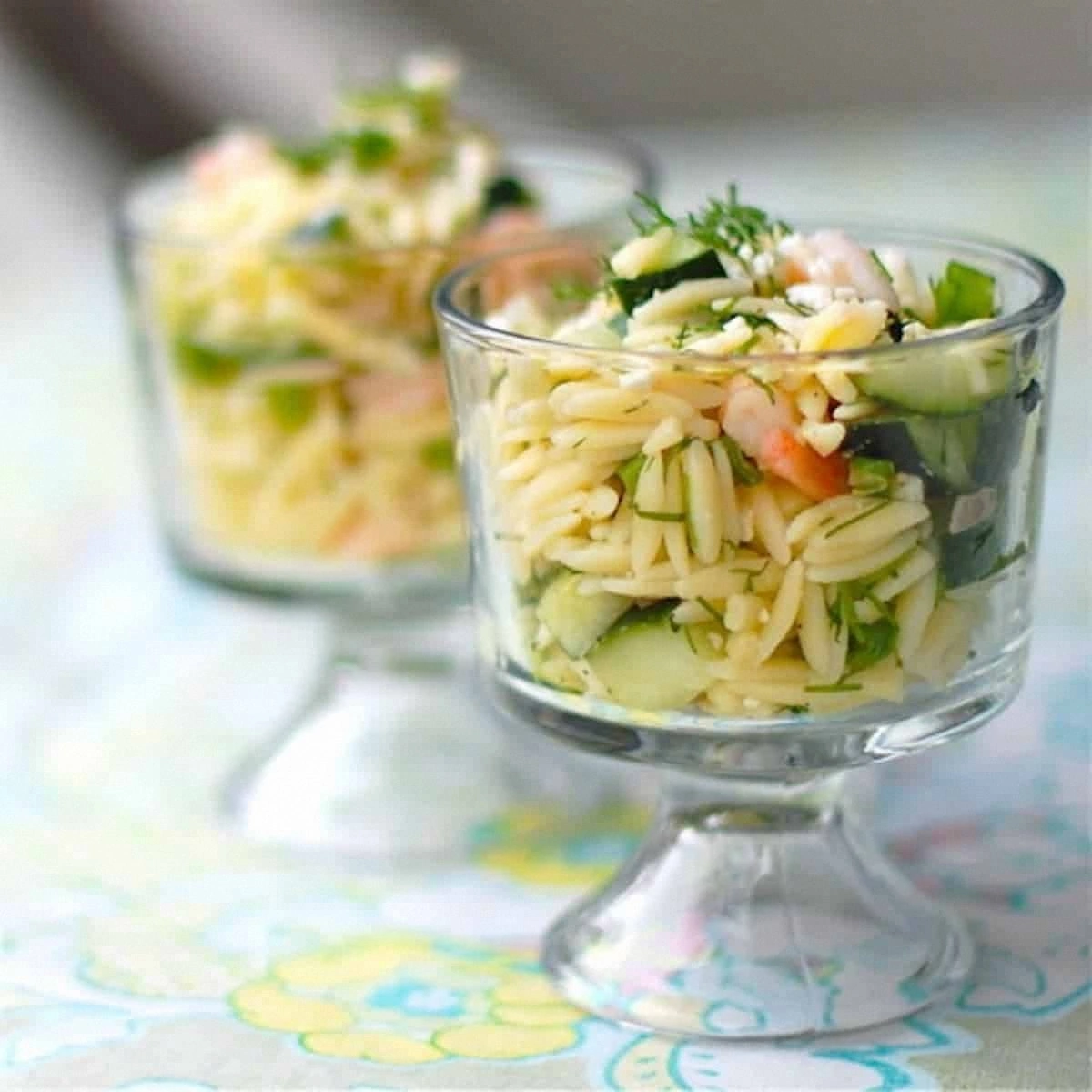
The Method — Step by Step
Start by bringing 2 cups of chicken broth to a rolling boil in a medium saucepan. Once boiling, add 1 cup of dry orzo, stir, and reduce the heat to a gentle simmer. Cook for about 8 minutes, or until the orzo is al‑dente and most of the liquid has been absorbed. Tip: Keep a close eye on the pot; you want the grains tender but not mushy. That sizzle when it hits the pan? Absolute perfection.
Kitchen Hack: After the orzo finishes, immediately drizzle a teaspoon of olive oil and fluff with a fork. This prevents the grains from sticking together and keeps them glossy.While the orzo is cooking, pat the 1 pound of peeled, deveined shrimp dry with paper towels. Season both sides with a pinch of salt, a grind of black pepper, and ½ teaspoon of red pepper flakes if you like a subtle heat. The drier the shrimp, the better the sear, so don’t skip this pat‑down step.
Heat 2 tablespoons of olive oil in a large skillet over medium‑high heat. Add the diced onion first; sauté for 2‑3 minutes until it turns translucent and starts to sweeten. Then toss in the minced garlic and cook for another 30 seconds, watching carefully so it doesn’t burn.
Add the seasoned shrimp to the skillet in a single layer. Let them sear undisturbed for about 1 minute; you’ll hear a faint crackle as the surface caramelizes. Flip each shrimp and cook another minute until they turn pink and opaque. Watch this closely: overcooked shrimp become rubbery, a texture no one wants.
Kitchen Hack: If you’re worried about over‑cooking, remove the shrimp as soon as they turn pink and set them aside; you’ll finish them in the sauce later.Deglaze the pan with ¼ cup of dry white wine, scraping up any browned bits stuck to the bottom. Let the wine reduce by half, which should take about 2 minutes. Watch Out: If you let the wine evaporate too quickly, you’ll lose the depth it brings to the sauce.
Watch Out: Adding the wine too early can cause the shrimp to release excess moisture, resulting in a watery sauce.Stir in 1 cup of halved cherry tomatoes and let them soften for about 2 minutes. Then add 2 cups of baby spinach; it will wilt almost instantly, turning the pan a vibrant green. Sprinkle in the zest of one lemon, 2 tablespoons of fresh lemon juice, and 1 teaspoon of dried oregano. The aroma at this point is intoxicating—a blend of citrus, herb, and the faint sweetness of tomatoes.
Return the shrimp to the skillet, tossing them gently to coat in the sauce. Drain any excess liquid from the cooked orzo and add it to the pan, stirring everything together until the grains are fully enveloped by the buttery, lemon‑bright sauce. Crumble ½ cup of feta over the top, allowing it to melt slightly into the hot mixture. Taste and adjust seasoning with salt, pepper, or a splash more lemon juice if needed.
Turn off the heat, sprinkle freshly chopped parsley over the dish, and let it sit for a minute so the flavors meld. Serve immediately, perhaps with a side of crusty bread to sop up any lingering sauce. And now the fun part: watch your guests’ eyes widen as they take the first bite. This is the moment of truth—your kitchen just became a five‑star restaurant.
That’s it — you did it. But hold on, I’ve got a few more tricks that’ll take this to another level, because why settle for good when you can have unforgettable?
Insider Tricks for Flawless Results
The Temperature Rule Nobody Follows
Most home cooks crank the heat up to “cook fast,” but that’s a recipe for disaster with shrimp. Keep the skillet at medium‑high so the shrimp sear quickly without steaming. The ideal surface temperature is about 350°F; you can test it by flicking a drop of water onto the pan—it should sizzle and evaporate instantly. This rule ensures a caramelized crust while keeping the interior juicy.
Why Your Nose Knows Best
Before you even taste, trust the aroma. When the garlic turns golden and the wine reduces to a glossy sheen, you’ll know the sauce is ready. If the kitchen smells like burnt garlic, lower the heat immediately. Your nose is a more reliable gauge than a timer when it comes to preventing bitterness.
The 5‑Minute Rest That Changes Everything
Once everything is combined, remove the pan from heat and let the dish rest for five minutes. This short pause lets the flavors marry, and the residual heat finishes cooking the spinach without turning it mushy. I’ll be honest — I ate half the batch before anyone else got to try it, but the rest tasted even better after that brief rest.
Feta Integration Technique
Instead of sprinkling feta straight on top, crumble it into the hot pan and give it a quick stir. The cheese softens just enough to create creamy pockets throughout the orzo, rather than sitting as a dry topping. This subtle technique transforms the texture from “cheesy” to “silky.”
The “Steam‑Back” Reheat
When reheating leftovers, add a splash of water or broth and cover the pan with a lid. The steam revives the orzo’s fluffy texture and prevents it from drying out. This trick is a lifesaver for meal prep enthusiasts who want every bite to taste as fresh as the first.
Creative Twists and Variations
This recipe is a playground. Here are some of my favorite ways to switch things up:
Mediterranean Sun‑Dried Delight
Swap the fresh cherry tomatoes for a quarter‑cup of chopped sun‑dried tomatoes. The concentrated sweetness adds a deeper umami note, and the dish takes on a richer, almost jammy character that pairs beautifully with the feta.
Herbaceous Pesto Splash
Stir in two tablespoons of basil pesto right after you add the spinach. The herb‑forward sauce adds a fresh, green punch and turns the dish into a vibrant, pesto‑kissed masterpiece.
Quinoa‑Based Version
Replace orzo with an equal volume of cooked quinoa for a gluten‑free alternative. The nutty flavor of quinoa complements the shrimp and feta, while the texture stays pleasantly chewy.
Spicy Chipotle Twist
Add a teaspoon of chipotle in adobo sauce to the pan when deglazing with wine. This smoky heat gives the dish a subtle kick that’s perfect for those who love a little fire without overwhelming the lemon brightness.
Goat Cheese Substitute
If you’re not a fan of feta’s saltiness, crumble goat cheese instead. Its creamy tang blends seamlessly with the lemon and herbs, creating a silkier mouthfeel.
Citrus Explosion
Add a splash of orange juice along with the lemon juice for a citrus duet. The sweet‑sour combo lifts the shrimp’s flavor profile and makes the dish feel like a brunch‑ready celebration.
Storing and Bringing It Back to Life
Fridge Storage
Transfer leftovers to an airtight container and store in the refrigerator for up to three days. The flavors actually deepen after a night, making the second day taste even richer. Keep the container sealed to prevent the orzo from drying out.
Freezer Friendly
For longer‑term storage, portion the dish into freezer‑safe bags or containers, removing as much air as possible. It will keep for up to two months. When you’re ready to eat, thaw overnight in the fridge and reheat using the “Steam‑Back” method described earlier.
Best Reheating Method
Place the desired amount in a skillet over medium heat, add a tablespoon of broth or water, cover, and stir gently for 3‑4 minutes. The added moisture creates steam that revives the orzo’s fluffiness and prevents the shrimp from turning rubbery. Finish with a quick squeeze of fresh lemon to brighten the reheated dish.