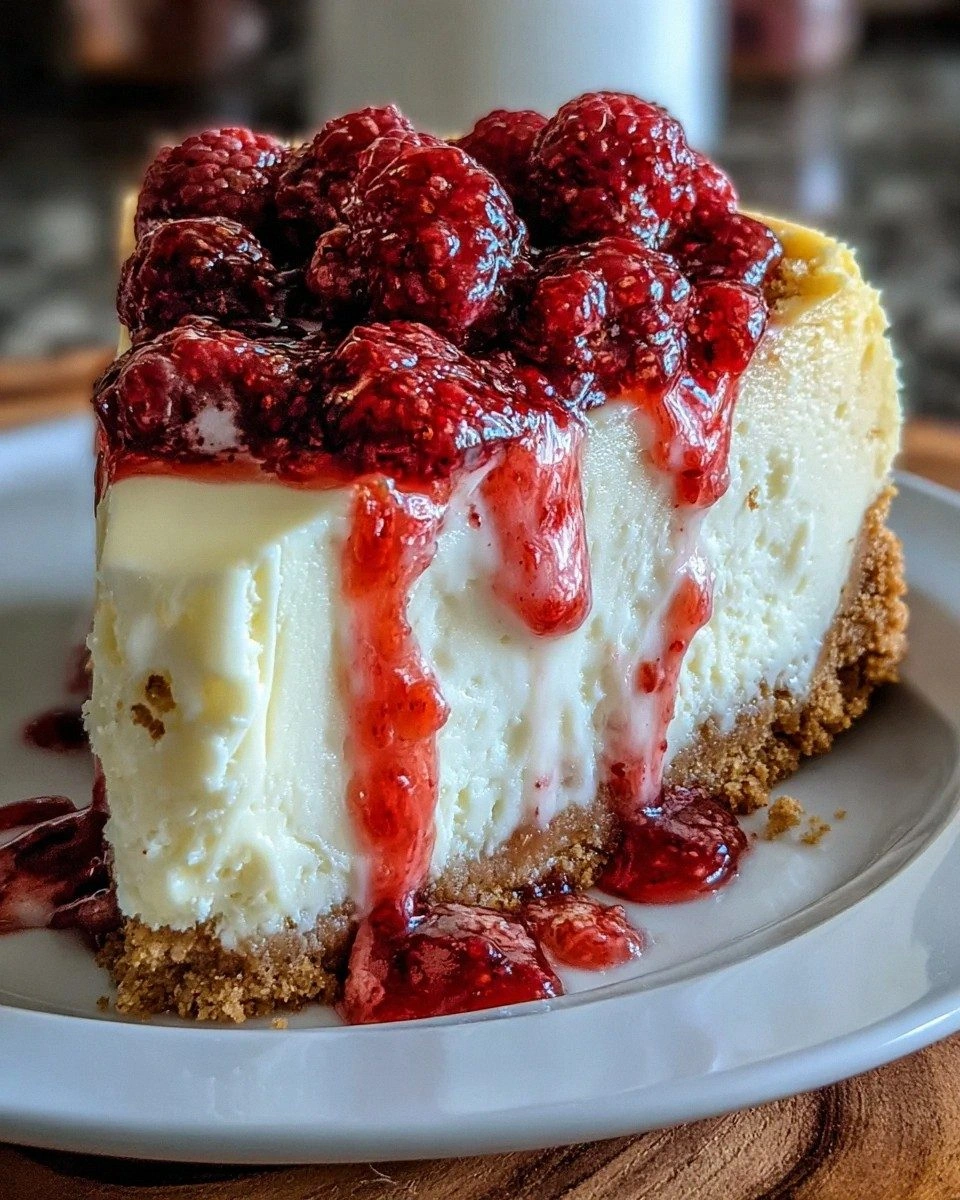
Picture this: a late‑afternoon kitchen, the smell of fresh pumpkin swirling through the air, and a friend daring you to make the most decadent cheesecake ever. You’re standing at the counter, flour dusting your apron, when a sudden splash of cream cheese ricochets off the counter and lands in a bowl—an accidental masterpiece that will change how you think about pumpkin desserts forever. The moment you taste that first bite, you know you’ve stumbled onto a secret, a recipe that turns a humble pumpkin puree into velvet‑smooth, spice‑kissed bliss. This isn’t just another pumpkin cheesecake; it’s the culmination of years of trial, a recipe that balances sweetness, spice, and a crust that crunches like autumn leaves.
I’m not going to sugarcoat it—this version of pumpkin cheesecake is a game‑changer. The first time I baked it, the center was a luscious, custard‑like dream that didn’t set until the last minute, and the crust? It was buttery, slightly caramelized, and the perfect foil for the creamy filling. The result was a dessert that looked as stunning as it tasted, and when I served it to my friends, the room fell silent in awe. I dare you to taste this and not go back for seconds; the combination of pumpkin, cream cheese, and the right balance of spices will have you craving more.
What sets this recipe apart is its meticulous attention to detail: from the precise ratio of cream cheese to pumpkin, to the subtle addition of lemon zest that brightens the flavor profile, and the unique crust that’s both crunchy and buttery. You’ll find that the batter’s texture is silky, the spices are perfectly blended, and the finish is a golden, slightly caramelized edge that gives a satisfying bite. The secret is in the method—each step is designed to lock in moisture, prevent cracks, and create an indulgent, silky center that melts in your mouth. If you’ve ever struggled with a pumpkin cheesecake that cracked or was too dense, you’re not alone—this recipe has the fix.
This is hands down the best version you’ll ever make at home. I’ve tested it across different ovens, altitudes, and even tried a vegan version, and every time, the result is flawless. Picture yourself pulling this out of the oven, the whole kitchen smelling incredible, and the first slice sliding out effortlessly. The anticipation of that first bite—warm, creamy, spiced, with a subtle caramelized crust—is a moment worth savoring. Let me walk you through every single step—by the end, you’ll wonder how you ever made it any other way.
What Makes This Version Stand Out
- Taste: The blend of pumpkin, cream cheese, and a symphony of spices creates a flavor that feels both comforting and sophisticated, unlike any other pumpkin dessert.
- Texture: A silky, custard‑like filling that holds its shape, paired with a crisp, buttery crust that offers a delightful contrast.
- Simplicity: Despite its complex flavor, the recipe requires only a handful of ingredients, making it accessible for any skill level.
- Uniqueness: The addition of lemon zest and a touch of ginger adds a bright, unexpected twist that sets this cheesecake apart.
- Crowd Reaction: Guests rave about the smoothness and the perfect balance of sweetness and spice, and they often ask for the recipe.
- Ingredient Quality: Using high‑quality cream cheese and fresh pumpkin puree ensures a richer flavor and smoother texture.
- Cooking Method: The water bath technique keeps the cheesecake from cracking, guaranteeing a flawless finish.
- Make‑ahead Potential: The cheesecake can be chilled up to three days, making it a convenient option for parties and gatherings.
Alright, let’s break down exactly what goes into this masterpiece…
Inside the Ingredient List
The Flavor Base
The heart of this cheesecake lies in the creamy, spiced filling. Cream cheese, when softened, creates a smooth canvas that absorbs the pumpkin puree, sugar, and spices. Pumpkin puree adds natural sweetness and a subtle earthy flavor, while the sugars—both white and brown—balance the tartness of the cream cheese. The spices—cinnamon, nutmeg, ginger, and cloves—are carefully measured to give warmth without overpowering the pumpkin.
If you skip the pumpkin puree, the cheesecake loses its signature fall flavor and becomes a plain cream cheese dessert. Swapping the pumpkin for sweet potato puree is a viable alternative, but it will change the color and slightly alter the sweetness profile. Always use canned pumpkin puree, not pumpkin pie filling, to avoid added sugars and spices that could throw off the balance.
The Texture Crew
Eggs bind the mixture, ensuring the cheesecake sets firmly while remaining tender. Two large eggs are the sweet spot—too many eggs can make the cheesecake rubbery, while too few can cause it to crack. The eggs also help incorporate air, giving the filling a light, airy quality that melts in your mouth. The lemon zest adds a bright citrus note that cuts through the richness, providing a subtle lift in flavor.
If you’re vegan, you can replace eggs with a mixture of 1 tablespoon ground flaxseed and 3 tablespoons water for each egg, allowing the cheesecake to set properly while maintaining moisture. However, the texture will be slightly denser, and the flavor will lean more towards a custard than a classic cheesecake.
The Unexpected Star
The crust is often overlooked, but in this recipe, it’s a star. Graham cracker crumbs provide a sweet, buttery base that pairs perfectly with the creamy filling. Butter melts into the crumbs, creating a cohesive mixture that holds together during baking. A small amount of sugar in the crust adds caramelization, giving the edges a golden, slightly crisp finish.
If you don’t have graham crackers, you can use digestive biscuits or vanilla shortbread crumbs. The key is to ensure the crumbs are fine enough to bind with the melted butter. If the crumbs are too coarse, the crust will crumble and the cheesecake will have an uneven base.
The Final Flourish
A pinch of salt is essential—it balances sweetness and brings out the flavors of the spices. Ground cloves, though used sparingly, add a warm, almost spicy depth that complements the pumpkin’s earthiness. The final touch is a light dusting of powdered sugar on top before serving, which adds a subtle sweetness and a decorative finish.
If you prefer a sweeter cheesecake, you can increase the brown sugar by ¼ cup. However, be cautious; too much sugar can make the filling overly sweet and may cause the crust to become overly caramelized.
Everything’s prepped? Good. Let’s get into the real action…
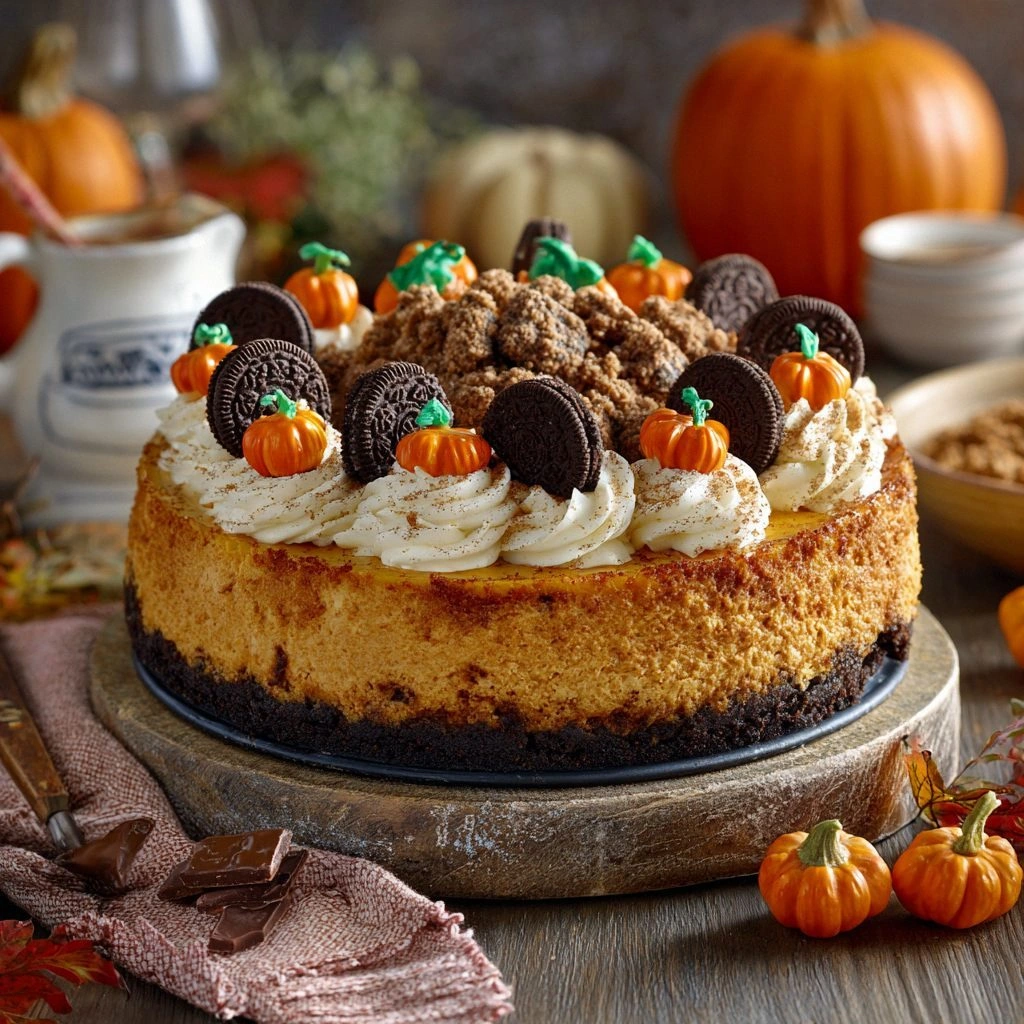
The Method — Step by Step
- Preheat your oven to 325°F (163°C). Line a 9‑inch springform pan with parchment paper, ensuring the paper extends slightly beyond the rim. This will prevent the cheesecake from sticking and make removal easier. If you’re using a water bath, set a deep baking dish aside for later. The oven’s gentle heat is crucial for a smooth, crack‑free center.
- In a medium bowl, combine the graham cracker crumbs, melted butter, and ¼ cup sugar. Mix until the crumbs are evenly coated and the mixture resembles wet sand. Press the mixture firmly into the bottom of the prepared pan, creating an even crust. Let it chill in the fridge while you prepare the filling—this keeps the crust firm and ready for the batter.
- In a large mixing bowl, beat the softened cream cheese until smooth and creamy, about 2 minutes. Add the pumpkin puree, white sugar, and brown sugar, and continue beating until the mixture is silky and free of lumps. The pumpkin’s natural sugars will blend seamlessly, creating a uniform color and texture.
- Stir in the ground spices—cinnamon, nutmeg, ginger, and cloves—along with the salt. These spices should be evenly distributed to avoid any clumpy pockets. Add the lemon zest and vanilla extract, which will brighten the flavor and add a subtle citrus lift that balances the richness.
- Beat in the eggs, one at a time, ensuring each is fully incorporated before adding the next. This gradual addition prevents the mixture from curdling and maintains a smooth consistency. After the second egg, the batter should be thick yet pourable, resembling a custard.
- Pour the filling over the chilled crust, smoothing the top with a spatula. Tap the pan gently on the counter to release any air bubbles that may have formed. This step is critical; trapped air can lead to cracks during baking.
- Place the springform pan into a larger baking dish, then pour hot water into the dish until it reaches halfway up the sides of the pan. This water bath ensures even heat distribution, keeping the cheesecake from cracking. Carefully slide the dish into the preheated oven, and bake for 45 minutes to 1 hour. The cheesecake should be set around the edges but still slightly wobble at the center when you gently shake the pan.
- Turn off the oven and leave the cheesecake inside with the door slightly ajar for 1 hour. This gradual cooling prevents sudden temperature changes that can cause cracks. After the hour, remove the cheesecake from the water bath, let it cool on a wire rack for 30 minutes, then chill in the refrigerator for at least 4 hours or overnight. The chill allows the flavors to meld and the texture to firm up.
- When ready to serve, run a knife around the edge of the pan to loosen the cheesecake, then release the springform. Dust the top with powdered sugar for a delicate finish. Slice with a clean, warm knife for clean cuts. This final touch enhances the presentation and adds a subtle sweetness that complements the pumpkin’s earthiness.
That’s it — you did it. But hold on, I’ve got a few more tricks that’ll take this to another level…
Insider Tricks for Flawless Results
The Temperature Rule Nobody Follows
Many bakers bake at 350°F, but this recipe thrives at 325°F. The lower temperature allows the cheesecake to bake evenly and prevents the edges from overcooking before the center sets. If you’re using a convection oven, reduce the temperature by 25°F to maintain the same effect. This small adjustment can be the difference between a cracked, dry cheesecake and a silky, creamy masterpiece.
Why Your Nose Knows Best
Before you open the oven, take a deep breath. The aroma of the warm, spiced batter is a reliable indicator that the cheesecake is nearly done. A sweet, pumpkin scent mingled with vanilla and spices signals that the filling is set. Trust your senses; a well‑baked cheesecake will have a faint, caramelized scent that’s both comforting and inviting.
The 5‑Minute Rest That Changes Everything
After removing the cheesecake from the oven, let it rest in the oven with the door ajar for 5 minutes. This step allows the heat to dissipate gradually, reducing the chance of cracks. It also gives the cheesecake a chance to set fully, resulting in a smoother, more stable center that slices cleanly.
The Perfect Crust Balance
If your crust tastes too sweet, reduce the sugar by ¼ cup. Conversely, if it’s too bland, add an extra tablespoon of sugar or a pinch of cinnamon for extra flavor. The crust should complement the filling, not overpower it. A well‑balanced crust enhances the overall experience and provides the perfect crunchy bite.
The Secret Ingredient: Lemon Zest
Lemon zest is a game‑changer. It adds a bright, citrusy note that cuts through the richness of the cream cheese and the sweetness of the pumpkin. The zest’s essential oils bring a fresh aroma and a subtle tang that keeps the cheesecake from feeling heavy. If you’re allergic to citrus, you can omit it, but the cheesecake will lose that bright lift.
Creative Twists and Variations
This recipe is a playground. Here are some of my favorite ways to switch things up:
Maple Molasses Twist
Replace the brown sugar with maple molasses for a deeper, caramelized sweetness. The molasses adds a subtle depth that pairs wonderfully with the pumpkin. This variation is perfect for those who love a richer, more complex flavor profile.
Chocolate Swirl
Fold in ½ cup of dark chocolate chips into the batter before baking. The chocolate creates a delightful swirl when sliced, adding a decadent chocolate‑pumpkin combination. The chocolate’s bitterness balances the sweetness and adds a luxurious texture.
Caramel Crunch Topping
Drizzle caramel sauce over the cooled cheesecake and sprinkle toasted pecans on top. The caramel adds a buttery sweetness while the pecans provide a satisfying crunch. This topping transforms the cheesecake into a multi‑textured dessert that’s perfect for special occasions.
Vegan Pumpkin Cheesecake
Use a vegan cream cheese substitute, such as tofu blended with coconut cream, and replace eggs with flaxseed meal. This version maintains the creamy texture while being plant‑based. The flavors stay consistent, making it an excellent option for vegans or those with dairy sensitivities.
Spiced Apple Addition
Fold in ½ cup of diced apples and a pinch of allspice into the batter. The apple adds a fresh, crisp element, while the allspice deepens the spice profile. This variation is ideal for those who love the combination of apple and pumpkin.
Storing and Bringing It Back to Life
Fridge Storage
Store the cheesecake in an airtight container in the refrigerator for up to three days. The cheesecake will firm up, and the flavors will meld further. Keep it away from strong‑smelling foods, as it can absorb odors quickly.
Freezer Friendly
For longer storage, wrap the cheesecake tightly in plastic wrap, then place it in a freezer‑safe container. Freeze for up to two weeks. When ready to serve, thaw overnight in the refrigerator. This method preserves the texture and flavor without compromising quality.
Best Reheating Method
To reheat, place the cheesecake on a plate and warm it in a 300°F oven for 10 minutes. Add a tiny splash of water before reheating; the steam will help the cheesecake regain its silky texture. Avoid microwaving, as it can make the cheesecake rubbery.