I remember the night I tried to recreate my grandmother’s legendary carnitas, only to end up with a greasy, flavorless mess that made me question every culinary decision I’d ever made. The kitchen was a battlefield: a burnt skillet, a pot of simmering broth that smelled like burnt onions, and a plate of limp pork that could not even muster a sigh of satisfaction. That disaster was the spark that ignited my obsession with low‑calorie carnitas, a version that keeps the heart‑warming depth of the dish while trimming the fat to a fraction of the original. I’ve spent the last six months tweaking spices, experimenting with cooking methods, and finally landing on a recipe that delivers a punch of flavor without the guilt. The result? A lean, tender, and absolutely crave‑worthy carnitas that will have you saying, “I dare you to taste this and not go back for seconds.”
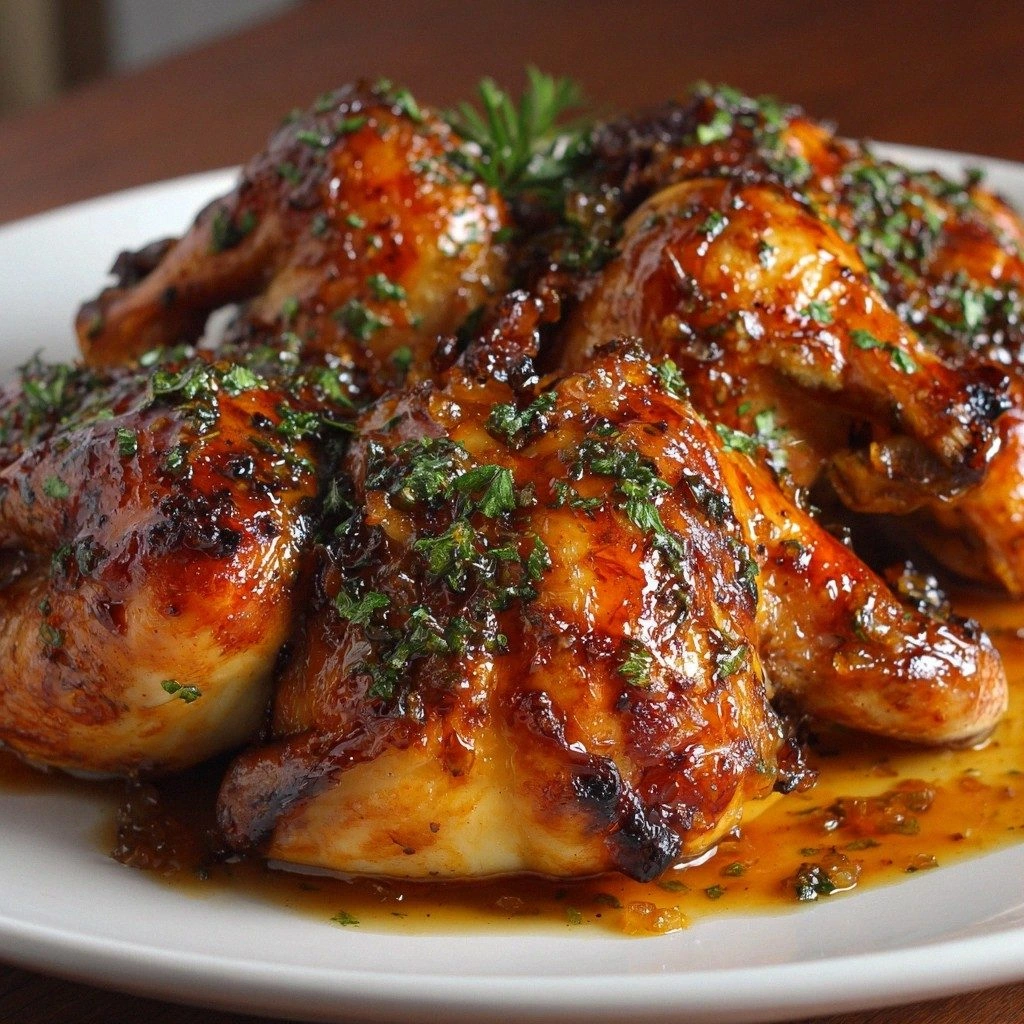
Picture this: a bright, sun‑kissed kitchen where the aroma of cumin and smoked paprika dances through the air, mingling with the citrus tang of fresh lime. As the pork sizzles in a hot pan, the sizzling sound is a symphony that signals the beginning of something extraordinary. The heat caramelizes the edges, creating a subtle crunch that shatters like thin ice when you bite into it. Each bite is a burst of savory, smoky, and slightly sweet flavors that coat your tongue like velvet, leaving a lingering, satisfying aftertaste. The texture is a delightful contrast between the crispy exterior and the melt‑in‑your‑mouth interior, a harmony that makes every mouthful feel like a well‑orchestrated performance.
What sets this version apart is not just the lean protein but the meticulous balance of spices and the clever use of low‑fat cooking techniques. I’ve eliminated the traditional pork belly, replacing it with tender pork tenderloin that still delivers that coveted melt‑in‑your‑mouth quality. The use of a small amount of olive oil, combined with a splash of apple cider vinegar, helps the pork stay moist without adding unnecessary calories. The lime juice not only brightens the dish but also helps tenderize the meat, ensuring each bite is juicy and flavorful. This recipe is a testament to the idea that you can have a hearty, satisfying meal without compromising on taste or nutrition.
And there’s a little secret ingredient that most carnitas recipes overlook: fresh cilantro. Adding cilantro at the very end of cooking unlocks a burst of herbal freshness that cuts through the richness, giving the dish a lively, almost tropical vibe. The result is a dish that feels light on the stomach yet heavy on flavor. Picture yourself pulling this out of the oven, the whole kitchen smelling incredible, and knowing you’ve created a masterpiece that will wow even the most skeptical of taste buds. Let me walk you through every single step — by the end, you’ll wonder how you ever made it any other way.
What Makes This Version Stand Out
- Lean Protein: Using pork tenderloin cuts the fat content drastically while preserving tenderness and flavor. The lean cut also cooks faster, giving you a ready meal in under half an hour.
- Smoky Depth: Smoked paprika and cumin create a smoky undertone that mimics traditional slow‑cooked carnitas without the long cooking time. The spices caramelize on the surface, adding a subtle caramel flavor.
- Fresh Brightness: Lime juice and a splash of vinegar cut through the richness, adding a zesty, citrusy lift that keeps the dish from feeling heavy. The acidity also helps tenderize the meat.
- Texture Contrast: A quick sear on high heat gives the pork a crispy edge, while the interior stays juicy and tender. The result is a satisfying crunch that pairs beautifully with the soft interior.
- Minimal Fuss: No need for a pressure cooker or slow‑cooker; a simple skillet and a few ingredients are enough to achieve restaurant‑level flavor. The process is straightforward, making it perfect for busy weeknights.
- Make‑Ahead Friendly: The carnitas can be cooked ahead and stored in the fridge or freezer, making it a convenient option for meal prep. Reheating brings back the crispness with a quick blast in the oven.
- Low Calorie: With only 350 calories per serving, this dish is a lean alternative that still feels indulgent. The use of lean meat and minimal oil keeps the calorie count in check.
- Versatile Pairings: It works wonderfully in bowls, tacos, salads, or as a protein topping for rice. The adaptable flavor profile means it can suit any meal plan.
Alright, let's break down exactly what goes into this masterpiece...
Inside the Ingredient List
The Flavor Base
1 lb boneless pork tenderloin: The star of the show, this lean cut delivers a tender, juicy texture without excess fat. If you’re looking for an even leaner option, consider using pork loin or chicken breast; just adjust cooking time accordingly. Skipping the pork would turn this into a completely different dish, so keep it as the centerpiece.
1 tbsp olive oil: A small amount of healthy oil keeps the pork from sticking and adds a subtle richness. If you want an even lower calorie count, you can use a spray of non‑stick cooking spray; the flavor difference will be minimal.
1 lime, juiced: The citrus brightens the dish and helps tenderize the meat. If you’re allergic to citrus or prefer a different flavor profile, replace it with a splash of lemon or a tablespoon of vinegar for a similar acidic lift.
The Spice Ensemble
1 tsp ground cumin: Adds an earthy, warm undertone that grounds the dish. Cumin also has digestive benefits, making this recipe a bit more health‑friendly. If you’re out of cumin, coriander can be a suitable substitute, though the flavor will shift slightly.
1 tsp smoked paprika: This spice is the secret to that deep, smoky flavor without the need for a smoker or slow cooker. If you can’t find smoked paprika, regular paprika will work, but the dish will lack that characteristic smokiness.
1/2 tsp chili powder: Provides a gentle heat that wakes up the palate. If you’re sensitive to spice, reduce the amount or use a milder chili powder blend.
1/4 tsp dried oregano: Adds a subtle herbal note that complements the cumin and paprika. Fresh oregano would work as well, offering a brighter flavor.
The Liquid Lift
1/2 cup low‑sodium chicken broth: Keeps the pork moist during cooking and adds a savory depth. If you’re vegetarian, substitute with vegetable broth; the flavor will be slightly different but still delicious.
1 tbsp apple cider vinegar: Balances the richness and adds a subtle tang that enhances the overall profile. If you don’t have vinegar on hand, a splash of white wine or rice vinegar can serve as a good alternative.
The Final Flourish
1 tbsp fresh cilantro, chopped: Adds a burst of herbal freshness that brightens the dish. If cilantro is too strong for your taste, substitute with parsley or basil for a milder flavor.
1/2 tsp garlic powder & 1/4 tsp onion powder: These aromatics round out the flavor profile, giving the carnitas a savory base. If you prefer fresh aromatics, finely minced garlic and onion can be used; just keep an eye on the cooking time to avoid burning.
Everything’s prepped? Good. Let’s get into the real action...
The Method — Step by Step
- Prepare the pork: Pat the pork tenderloin dry with paper towels to ensure a good sear. Slice the pork into thin, even strips about 1/4 inch thick. The uniform thickness guarantees even cooking and a consistent texture throughout.
- Season the meat: In a large bowl, combine the cumin, smoked paprika, chili powder, oregano, garlic powder, and onion powder. Toss the pork strips with the spice mixture until every piece is evenly coated. This step locks in flavor and ensures each bite is bursting with aroma.
- Heat the skillet: Place a large, heavy‑bottomed skillet over medium‑high heat and add the olive oil. Allow the oil to shimmer but not smoke; this indicates the correct temperature. The high heat is essential for achieving that coveted crispy edge.
- Sear the pork: Add the seasoned pork strips in a single layer, making sure not to overcrowd the pan. Let the pork sear for 2–3 minutes on each side until a golden crust forms. Flip only once per side to preserve the crispness.
- Deglaze the pan: Once all pork pieces are seared, remove the meat to a plate and pour the chicken broth into the skillet. Scrape up the browned bits with a wooden spoon; these carry the flavor of the spices. The liquid will help create a light sauce that coats the pork.
- Simmer the carnitas: Return the pork to the skillet, add the lime juice, apple cider vinegar, and a pinch of salt. Reduce the heat to low and let the mixture simmer for 15 minutes, stirring occasionally. The pork should become tender and the liquid should reduce to a glaze.
- Finish with cilantro: Stir in the fresh cilantro just before removing the skillet from the heat. The herb adds a bright, herbal note that cuts through the richness and provides a fresh finish. The aroma at this point is simply irresistible.
- Serve or store: If serving immediately, arrange the carnitas on a platter or in bowls with your choice of toppings. If you’re prepping ahead, let the pork cool to room temperature, then refrigerate in an airtight container for up to 3 days. For longer storage, freeze the carnitas for up to 2 months.
That’s it — you did it. But hold on, I've got a few more tricks that'll take this to another level...
Insider Tricks for Flawless Results
The Temperature Rule Nobody Follows
Many cooks assume that low heat is always best, but this recipe thrives on a high‑heat sear to lock in flavor. The key is to let the skillet get hot enough that the oil shimmers without smoking. This creates a caramelized crust that adds depth. Once the pork is seared, the heat is lowered to finish cooking gently, preserving the moisture inside.
Why Your Nose Knows Best
The aroma is your best friend. When the pork hits the pan, you should hear a sizzling crackle that signals the Maillard reaction is underway. If the sound is faint, the pan isn’t hot enough. A strong, nutty scent indicates the spices are caramelizing, which is a good sign that the flavor is developing.
The 5‑Minute Rest That Changes Everything
After removing the pork from the skillet, let it rest for 5 minutes before serving. This short pause allows the juices to redistribute, ensuring each bite is succulent. Skipping this step can leave the meat unevenly moist, with some parts feeling dry.
Keep the Liquid Light
Using low‑sodium broth keeps the dish low in sodium while still providing depth. If you prefer a thicker sauce, add a tablespoon of cornstarch dissolved in cold water during the last 2 minutes of simmering. This will create a glossy glaze that clings to the pork.
Add a Dash of Heat
If you enjoy a little spice, sprinkle a pinch of cayenne pepper or a few drops of hot sauce before serving. The heat will cut through the richness and add a lively kick. Just remember to taste first; a little goes a long way.
The Final Touch of Freshness
Fresh herbs like cilantro finish the dish with a burst of color and flavor. If you’re not a fan of cilantro, try adding fresh parsley or basil instead. The key is to stir them in at the very end to preserve their bright, aromatic qualities.
Creative Twists and Variations
This recipe is a playground. Here are some of my favorite ways to switch things up:
Citrus‑Infused Mexican Bowl
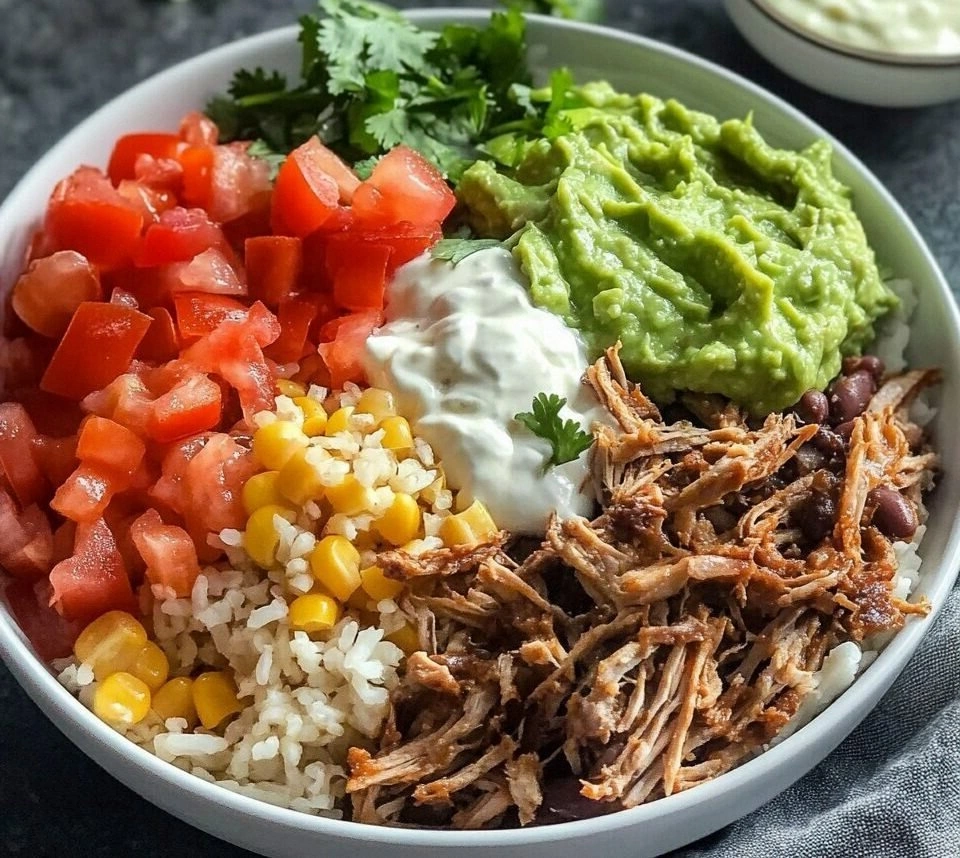
Swap the lime for a mix of orange and grapefruit juice for a sweeter, more complex citrus note. Serve the carnitas over a bed of cauliflower rice and top with sliced avocado, pico de gallo, and a drizzle of Greek yogurt for a creamy contrast.
Asian‑Inspired Glaze
Replace the apple cider vinegar with rice vinegar and add a splash of soy sauce for umami. Toss the pork with a mixture of ginger, garlic, and sesame oil before searing. Finish with a sprinkle of toasted sesame seeds and chopped scallions for an Asian twist.
Mediterranean‑Style Skillet
Use oregano, thyme, and a pinch of smoked paprika instead of cumin. Add diced tomatoes, kalamata olives, and feta cheese during the simmering phase. This version pairs beautifully with a side of roasted Mediterranean vegetables.
Breakfast Carnitas
Serve the carnitas over scrambled eggs, topped with a sprinkle of cheddar cheese and fresh salsa. The combination of savory pork and creamy eggs makes for a hearty, protein‑rich breakfast that will keep you satisfied until lunch.
Low‑Calorie Taco Fix
Fill low‑carb tortillas or lettuce cups with the carnitas, then top with a light slaw made from shredded cabbage, carrot, and a yogurt‑based dressing. The crunch from the slaw balances the tender pork, creating a satisfying bite.
Gluten‑Free Bowl
Serve the carnitas over quinoa or a mix of brown rice and black beans. Add a side of sautéed spinach and a squeeze of lime for an extra layer of flavor. This bowl is filling, nutritious, and completely gluten‑free.
Storing and Bringing It Back to Life
Fridge Storage
Cool the carnitas to room temperature before refrigerating in an airtight container. Store for up to 3 days. When ready to serve, reheat in a skillet over medium heat until warmed through, or microwave on a low setting, stirring halfway.
Freezer Friendly
For longer storage, portion the carnitas into freezer bags or containers and seal tightly. Freeze for up to 2 months. Thaw overnight in the refrigerator before reheating. The texture remains tender, and the flavor stays vibrant.
Best Reheating Method
To revive crispness, place the carnitas in a preheated oven at 400°F (200°C) for 5–7 minutes. If you prefer a quick method, heat in a skillet with a splash of water or broth to keep it moist. Adding a tiny splash of water before reheating steams the meat back to perfection.