It all started on a rainy Tuesday when I was scrambling to salvage a forgotten pack of ramen that had been sitting in my pantry for weeks. I tossed it into a pot, added a splash of soy sauce, and then—because I’m the adventurous type—I decided to throw in the Buldak sauce I’d bought at the Korean market. The result was a bubbling, fiery broth that smelled like a summer barbecue and tasted like a midnight thrill. I stared at the pot, a grin spreading across my face, and thought, “If this can survive a kitchen mishap, it can survive anything.”
Picture this: the sound of the broth starting to boil, a faint hiss as the sauce thickens, and the aroma of garlic and ginger dancing in the air. The heat rises, and you can feel the steam curling around your face like a warm hug. Every bite is a burst of umami, a splash of heat that lingers on the tongue, and a comforting hug in a bowl. I knew right then that this wasn’t just a quick fix; it was a culinary revelation that deserved a spotlight.
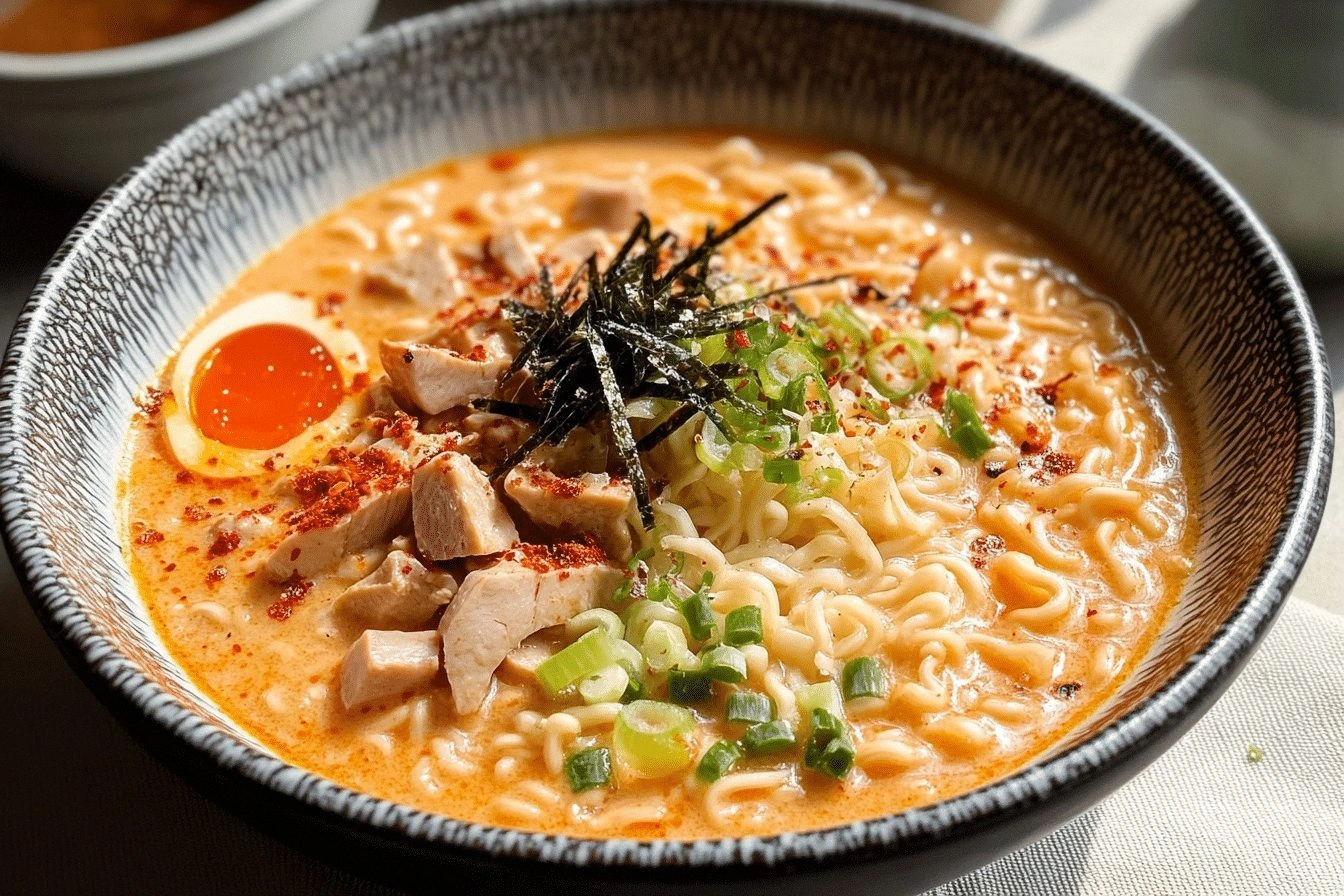
What makes this version of Buldak Soup stand out is not just the fiery sauce but how each component works together to create a symphony of flavors and textures. The chicken thighs soak up the broth, turning tender and succulent; the ramen noodles provide that satisfying chew; the sesame seeds add a subtle crunch, and the scallions bring a fresh, green brightness that cuts through the heat. It’s a dish that feels both indulgent and wholesome, a single-pot comfort that can be whipped up in under an hour.
I’m about to walk you through every single step, from selecting the right cuts of chicken to mastering the timing of the broth, so by the end of this post you’ll wonder how you ever made it any other way. Ready? Let’s dive in.
What Makes This Version Stand Out
- Taste: The Buldak sauce is the star, offering a complex blend of heat, sweetness, and savory depth that coats every ingredient like velvet.
- Texture: Chicken thighs remain juicy and tender, while ramen noodles deliver a satisfying springiness that balances the richness of the broth.
- Simplicity: All you need is a handful of pantry staples and a few fresh ingredients—no elaborate prep or hard-to-find items.
- Uniqueness: The combination of Korean Buldak sauce with classic ramen creates a cross-cultural fusion that feels fresh and exciting.
- Crowd Reaction: Friends who taste this get instant applause; I’ve seen people ask for the recipe after a single spoonful.
- Ingredient Quality: Using fresh chicken thighs and high-quality Buldak sauce makes a noticeable difference in flavor and texture.
- Cooking Method: The technique of searing the chicken before simmering locks in moisture and adds a caramelized edge.
- Make‑Ahead Potential: This soup tastes better the next day because the flavors meld, making it ideal for meal prep.
Inside the Ingredient List
The Flavor Base
The foundation of this soup is a symphony of aromatics that kick off the flavor profile. Garlic and ginger are the first to hit the pan, releasing a fragrant, warm aroma that sets the tone for the rest of the dish. They act as a flavor sponge, soaking up the spicy notes of the Buldak sauce and the savory depth of the soy sauce. Skipping them would leave the broth feeling flat and one‑dimensional.
The Protein Powerhouse
Chicken thighs are chosen for their marbling and fat content, which keep the meat moist and flavorful during the long simmer. The thighs absorb the broth’s heat, becoming tender and succulent, with a slightly crispy exterior if you give them a quick sear. If you’re looking for a leaner option, thighs can be swapped for chicken breasts, but be prepared for a firmer bite and less juiciness.
The Unexpected Star
Buldak sauce is the heart of this soup, delivering a fiery kick that’s tempered by a hint of sweetness and umami. It’s more than just heat; it’s a sauce that coats the noodles and chicken alike, creating a cohesive flavor experience. If you can’t find authentic Buldak sauce, a mix of gochujang, soy sauce, and a touch of honey or brown sugar will approximate the profile, though the authenticity may vary.
The Final Flourish
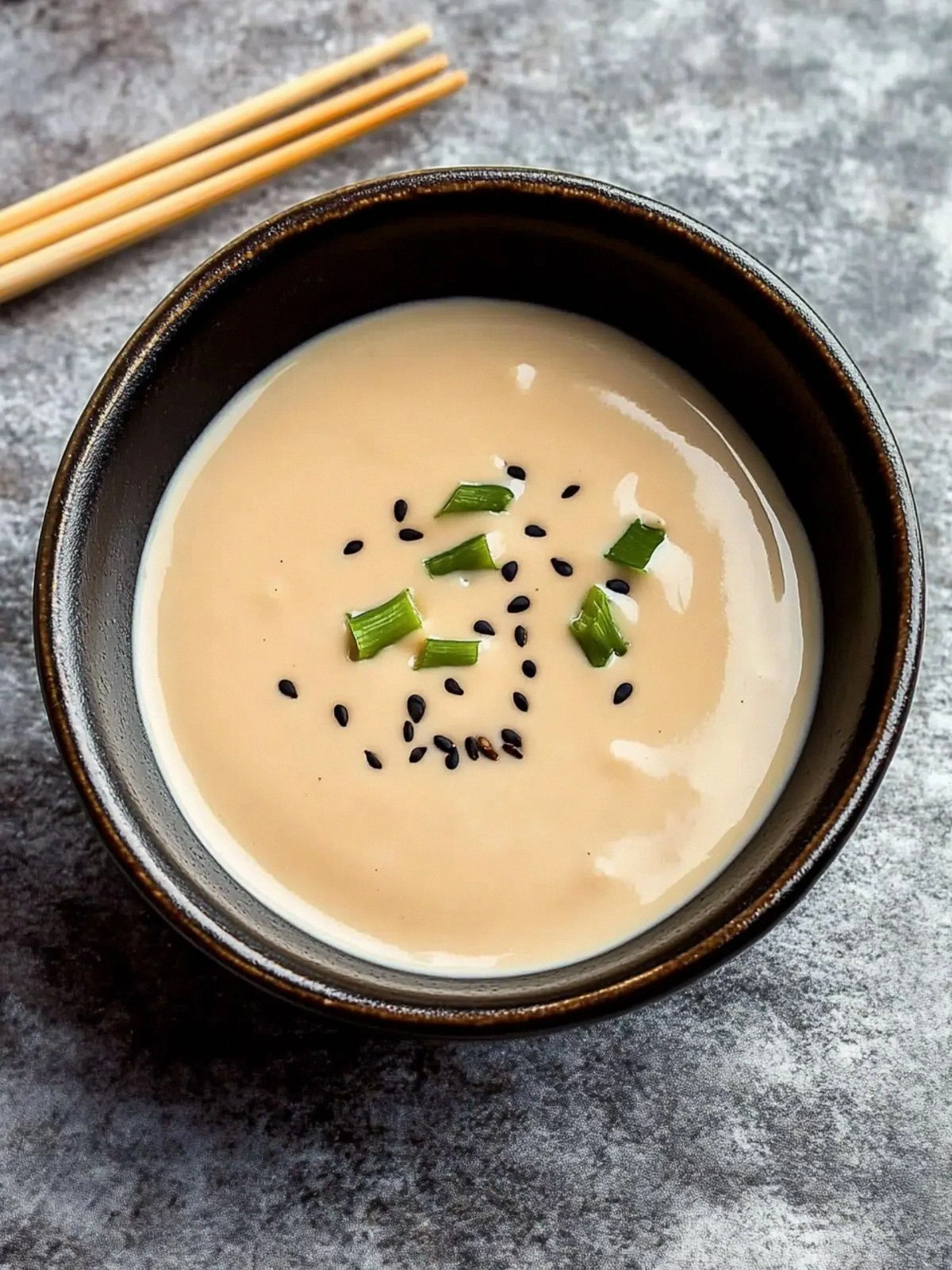
Scallions and toasted sesame seeds add the finishing touches that elevate the dish. The scallions bring a bright, slightly peppery note that cuts through the richness, while the sesame seeds add a subtle nutty crunch and a pop of color. These garnishes are essential; they transform a simple bowl into a visually appealing plate that’s ready to serve.
Everything's prepped? Good. Let's get into the real action.
The Method — Step by Step
- Heat a large pot over medium heat and add a splash of oil. Once hot, toss in the chicken thighs, skin side down, and let them sear for about 3–4 minutes until golden brown. This caramelization locks in moisture and adds a subtle crunch that contrasts nicely with the tender interior. When the thighs are nicely browned, flip them to sear the other side for an additional 3 minutes.
- Remove the thighs from the pot and set aside. In the same pot, add minced garlic and grated ginger, sautéing for 1–2 minutes until fragrant. The aromatics should release a warm, inviting scent that signals the soup is about to transform. Be careful not to burn them, as bitterness can ruin the balance.
- Return the chicken to the pot and pour in the Buldak sauce. Stir until the chicken is evenly coated, allowing the sauce to caramelize slightly. The sauce should thicken and develop a glossy sheen—this is your cue that the flavor is intensifying.
- Add the chicken broth, soy sauce, and a pinch of salt. Bring the mixture to a gentle boil, then reduce the heat to a low simmer. Let the soup cook for about 20 minutes, or until the chicken is cooked through and the broth has reduced slightly.
- Add the ramen noodles to the pot and simmer for 3–4 minutes, or until they reach your desired tenderness. Stir occasionally to prevent sticking. If you prefer a chewier bite, reduce the simmer time slightly.
- While the noodles cook, slice the scallions into thin rings and toast the sesame seeds in a dry skillet over medium heat until fragrant and lightly browned. Toasting the seeds brings out their nutty flavor, elevating the overall taste profile.
- Once the noodles are cooked, ladle the soup into bowls. Garnish each bowl with the sliced scallions and toasted sesame seeds. Serve hot, and watch the steam rise, carrying the aromatic steam of garlic, ginger, and fiery Buldak sauce into the air.
- Enjoy immediately, but if you’re in a hurry, let the soup sit for a minute to let the flavors meld. This dish is best served fresh, but it holds up wonderfully if you’re meal prepping.
That's it — you did it. But hold on, I've got a few more tricks that'll take this to another level. Stay tuned for insider tips that will transform your soup from great to unforgettable.
Insider Tricks for Flawless Results
The Temperature Rule Nobody Follows
Maintaining a gentle simmer is key to keeping the broth clear and the noodles from becoming mushy. A rolling boil will break the noodles and dilute the flavor. Aim for a low heat that keeps the liquid moving but not foaming. If the pot starts to bubble excessively, reduce the flame or cover the pot partially to control the temperature.
Why Your Nose Knows Best
Pay attention to the aroma of the broth as it cooks. A subtle, sweet scent from the Buldak sauce indicates that the sugars are caramelizing. A sharp, pungent smell from garlic and ginger means the aromatics are at their peak. Trust your nose; it’s the most reliable indicator that your soup is on the right track.
The 5‑Minute Rest That Changes Everything
After you remove the pot from heat, let the soup sit for 5 minutes before serving. This brief rest allows the flavors to meld and the heat to distribute evenly. It also gives the noodles time to absorb the broth, resulting in a richer, more cohesive taste. Skipping this step can leave the dish feeling underdeveloped.
Don’t Skip the Toasted Sesame
Toasted sesame seeds add a subtle nutty crunch that contrasts with the soft noodles. If you forget to toast them, the seeds will be bland and may even taste slightly bitter. Toasting also helps release essential oils, enhancing the overall aroma.
Add a Splash of Water If It Seeks More
If you find the broth too thick after the noodles have cooked, add a splash of water or broth to reach your desired consistency. This prevents the soup from becoming overly concentrated and allows the noodles to stay tender.
Creative Twists and Variations
This recipe is a playground. Here are some of my favorite ways to switch things up:
Veggie‑Loaded Buldak
Add sliced bell peppers, carrots, and zucchini to the pot during the simmer. The vegetables absorb the spicy broth and add crunch and color, turning the dish into a wholesome, balanced meal.
Seafood Fusion
Swap chicken thighs for shrimp or scallops. Cook the seafood in the final 2 minutes of simmering to keep it tender and flavorful. The sea flavors pair surprisingly well with the fiery sauce.
Korean Fried Rice Bowl
Use leftover rice instead of ramen noodles. Stir in the broth, Buldak sauce, and a beaten egg to create a quick fried rice bowl with a spicy kick.
Cheese‑Infused Comfort
Add a handful of shredded mozzarella or cheddar during the last minute of cooking. The cheese melts into the broth, creating a creamy texture that balances the heat.
Pork Tenderloin Twist
Replace chicken thighs with thinly sliced pork tenderloin. Sear the pork first, then simmer with the broth. The pork’s delicate flavor pairs nicely with the Buldak sauce.
Vegan Buldak Soup
Use tofu or tempeh instead of chicken. Marinate the protein in a bit of soy sauce and sesame oil before adding it to the pot. The tofu will soak up the spicy broth, offering a plant‑based option.
Storing and Bringing It Back to Life
Fridge Storage
Cool the soup completely before transferring it to an airtight container. Store in the refrigerator for up to 3 days. The flavors will deepen, making it even more delicious the next day.
Freezer Friendly
Divide the soup into portioned containers and freeze for up to 2 months. Thaw overnight in the refrigerator or use the defrost setting on your microwave. Reheat gently to avoid overcooking the noodles.
Best Reheating Method
Reheat the soup on the stovetop over low heat, stirring occasionally. Add a splash of water or broth to restore the original consistency. Once hot, garnish with fresh scallions and sesame seeds for an instant flavor boost.