
I was standing in my kitchen, staring at a battered cod fillet that looked more like a sad, flaky ghost than a meal, when the phone buzzed with a dare from a friend: “Show me the best ginger soy glaze you can find.” The moment felt like a culinary cliffhanger—my confidence teetering on the edge of a perfectly seared fillet. I opened the fridge, pulled out a jar of soy sauce, a drizzle of honey, and the freshest ginger I could find. The aroma that rose was a promise of something extraordinary. That single moment turned a routine dinner into a quest for flavor.
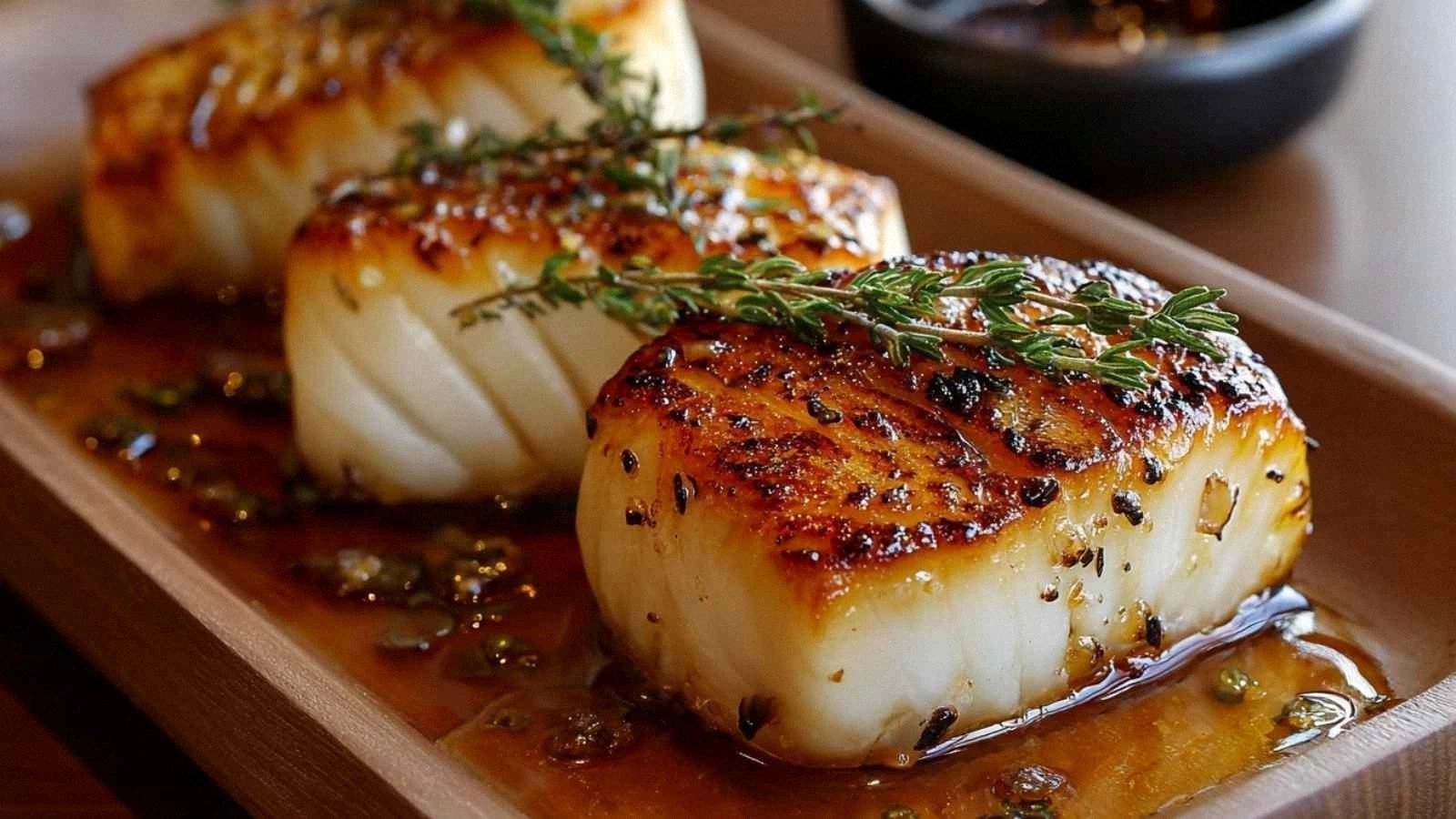
Picture the kitchen: the clatter of pans, the hiss of the stove, and the faint scent of toasted sesame oil mingling with citrus zest. The sound of the fish hitting the hot skillet is a satisfying sizzle that tells you the magic is about to happen. The visual is a golden crust forming on the fillets, the glaze thickening like a glossy lacquer. The taste, once you bite, is a burst of umami, a sweet whisper of honey, and a bright, tangy zing from the lime. The texture is a contrast between the tender, flaky interior and the crisp, caramelized edges that crackle like thin ice.
What makes this version stand out? It’s not just a recipe; it’s a revelation. I’ve trimmed the steps to their purest form, eliminated unnecessary ingredients, and added a few game‑changing tweaks that most recipes miss. The result is a dish that sings in every bite, and the confidence it gives you in the kitchen is priceless. If you’re tired of bland fish, this will blow your expectations and leave you craving more. I dare you to taste this and not go back for seconds. Trust me, the first bite will have you questioning all your previous fish meals.
The secret sauce? A balance of sweet, salty, and bright, with a touch of heat from fresh ginger that cuts through the richness of the sesame oil. It’s a harmony of textures—soft, flaky fish, a glossy glaze, and a sprinkle of sesame seeds that adds a subtle crunch. The method is straightforward enough for a beginner yet nuanced enough to satisfy the seasoned cook. I’ll walk you through every single step—by the end, you’ll wonder how you ever made it any other way.
What Makes This Version Stand Out
- Flavor: The glaze marries umami, sweetness, and citrus brightness, creating a layered taste that lingers on the palate.
- Texture: The fish develops a crisp edge that shatters like thin ice while the inside stays moist and tender.
- Time: From prep to plate, it takes less than 45 minutes—fast enough for a weekday dinner yet indulgent.
- Ingredient Quality: Using fresh ginger and high‑quality soy sauce elevates the dish beyond a generic takeout copycat.
- Visual Appeal: The glaze’s glossy sheen and sesame seed garnish make the dish Instagram‑ready.
- Make‑ahead Potential: The glaze can be prepared a day ahead, and the fish can be reheated with a quick sear.
- Crowd Reaction: Guests rave about the balance of flavors and the ease of the cooking process.
- Versatility: Swap cod for salmon or shrimp and the glaze works just as well.
Inside the Ingredient List
The Flavor Base
Soy sauce is the backbone of this glaze, providing that deep, savory umami that anchors the dish. Its saltiness balances the sweetness of honey and the acidity of rice vinegar. If you’re sensitive to sodium, opt for a low‑sodium variety but keep the ratio the same to preserve flavor harmony.
Honey brings a natural sweetness that caramelizes beautifully, giving the glaze a silky sheen. It also adds a slight floral note that contrasts the sharpness of ginger. A quick alternative is maple syrup, but it will shift the flavor profile slightly toward a richer, earthy sweetness.
Rice vinegar cuts through the richness, adding a bright, tangy lift that keeps the glaze from feeling heavy. If you can’t find rice vinegar, a splash of white wine vinegar works, though it introduces a subtle fruity undertone.
The Texture Crew
Sesame oil is the secret to that subtle nutty aroma and a silky mouthfeel. Its high smoke point allows you to sear the fillets without burning. A dash of toasted sesame oil at the end gives a deeper, roasted flavor.
Sesame seeds add a crunchy contrast that pops against the tender fish. Toast them lightly in a dry pan before sprinkling to bring out their nutty essence. If you’re allergic, you can replace them with crushed pine nuts for a different crunch.
Green onions contribute a fresh, mild onion bite that brightens the dish. Slice them thinly so they blend seamlessly with the glaze. For a milder flavor, use only the white part.
The Unexpected Star
Fresh cilantro provides a burst of herbal brightness that cuts through the richness. It also adds a subtle citrusy undertone that complements the lime wedges. If you’re not a fan of cilantro, parsley or basil can work as a substitute, but the flavor will shift.
Lime wedges are more than garnish; they’re a final splash of acidity that lifts the entire dish. Squeeze a wedge over each fillet right before serving for a burst of fresh citrus. Keep the wedges on the side for guests to squeeze to taste.
The Final Flourish
The combination of all these ingredients creates a glaze that coats the fish like velvet, leaving each bite succulent and flavorful. The balance of sweet, salty, and acidic components is key—too much honey and the dish becomes cloying; too much soy sauce and it becomes overpowering. The finishing touch of sesame seeds and cilantro brings both texture and aroma.
Everything's prepped? Good. Let’s get into the real action.
The Method — Step by Step
- Begin by patting the cod fillets dry with paper towels. Moisture is the enemy of a good sear, so the drier the surface, the crispier the crust. Season both sides lightly with salt and pepper. Place a cast‑iron or heavy skillet over medium‑high heat and let it get hot—this is where the magic starts.
- Add the sesame oil to the pan. Once it shimmers, lay the fillets skin‑side down if your fillets have skin. You should hear a satisfying sizzle that signals the pan is ready. Let the fillets cook untouched for about 3–4 minutes; the edges will begin to turn a golden brown.
- Flip the fillets gently with a spatula. The second side will cook faster—just 2–3 minutes—until the flesh is opaque and flakes easily. Remove the fillets from the pan and set them aside on a plate. This pause lets the juices redistribute, keeping the fish moist.
- In the same pan, reduce the heat to medium and add the minced garlic and grated ginger. Sauté for 30 seconds until fragrant; the aroma should be a warm, inviting perfume. Watch the garlic closely—once it turns golden, it’s ready.
- Pour in the soy sauce, honey, and rice vinegar. Stir vigorously to combine the ingredients. The glaze should start to thicken almost immediately, forming a glossy coating that clings to the pan.
- Return the cod fillets to the pan, spooning the glaze over each piece. Let them simmer together for 1–2 minutes, allowing the fish to absorb the flavors while the glaze caramelizes slightly. The glaze should coat the fillets like velvet.
- Add the green onions, sesame seeds, and a splash of water to keep the glaze from burning. Stir gently, then remove from heat. The final touch is to squeeze fresh lime juice over each fillet, which brightens the dish instantly.
- Serve immediately, garnished with fresh cilantro and lime wedges on the side. The fish should be tender, the glaze glossy, and the aroma intoxicating. That sizzle when it hits the pan? Absolute perfection.
That’s it— you did it. But hold on, I’ve got a few more tricks that will take this to another level. Keep reading, because the next section is where the real mastery happens.
Insider Tricks for Flawless Results
The Temperature Rule Nobody Follows
Most people cook fish at a high heat for a short time, which can dry it out. I’ve discovered that starting at medium‑high and then lowering to medium after flipping gives the fillets a chance to develop a caramelized crust while keeping the interior moist. The key is to let the fish sit in the pan long enough to form a protective barrier that locks in juices.
Why Your Nose Knows Best
Your sense of smell is a reliable indicator of doneness. When the glaze starts to thicken and emit a sweet, caramelized aroma, it’s time to flip. If the smell is still raw, give it a minute more. Trust your nose—it’s the most accurate tool in the kitchen.
The 5‑Minute Rest That Changes Everything
After cooking, let the fillets rest for five minutes. This allows the juices to redistribute, resulting in a more succulent bite. A common mistake is cutting into the fish immediately, which releases the juices and leaves the fillet dry.
The Sweet‑Heat Balance
If you prefer a spicier kick, add a pinch of crushed red pepper flakes to the glaze. The heat will cut through the sweetness and add depth. I once tried this during a dinner party, and the guests were raving about the perfect balance.
The Final Freshness Boost
A squeeze of fresh lime juice right before serving brightens the dish and adds a bright, citrusy finish that lifts the overall flavor. The acidity also helps balance the richness of the sesame oil. I’ve found that a small amount of lime juice can transform a good dish into a great one.
Creative Twists and Variations
This recipe is a playground. Here are some of my favorite ways to switch things up:
Spicy Sriracha Twist
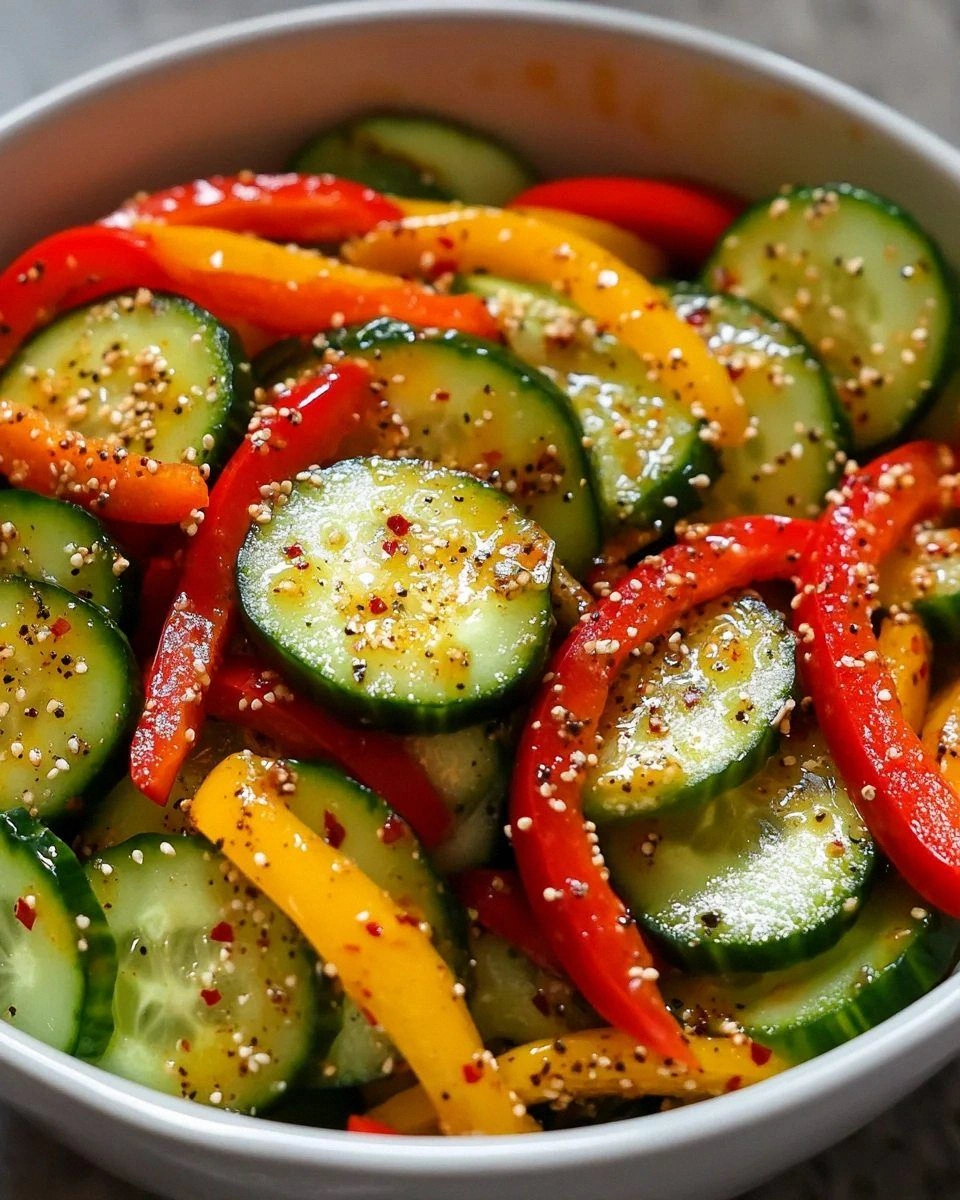
Swap a teaspoon of honey for a tablespoon of Sriracha sauce. The heat will give the dish a fiery kick while maintaining the sweet‑savory balance. This version pairs well with a cooling cucumber salad.
Coconut‑Rice Fusion
Serve the glazed cod over a bed of coconut‑flavored jasmine rice. The mild coconut flavor complements the sesame oil and adds a tropical flair. This combo is perfect for a weekend brunch.
Smoky Chipotle Variant
Add a tablespoon of chipotle in adobo sauce to the glaze for a smoky depth. The chipotle’s heat and smokiness pair beautifully with the ginger’s brightness. This version works well with roasted sweet potatoes.
Pineapple & Ginger Fusion
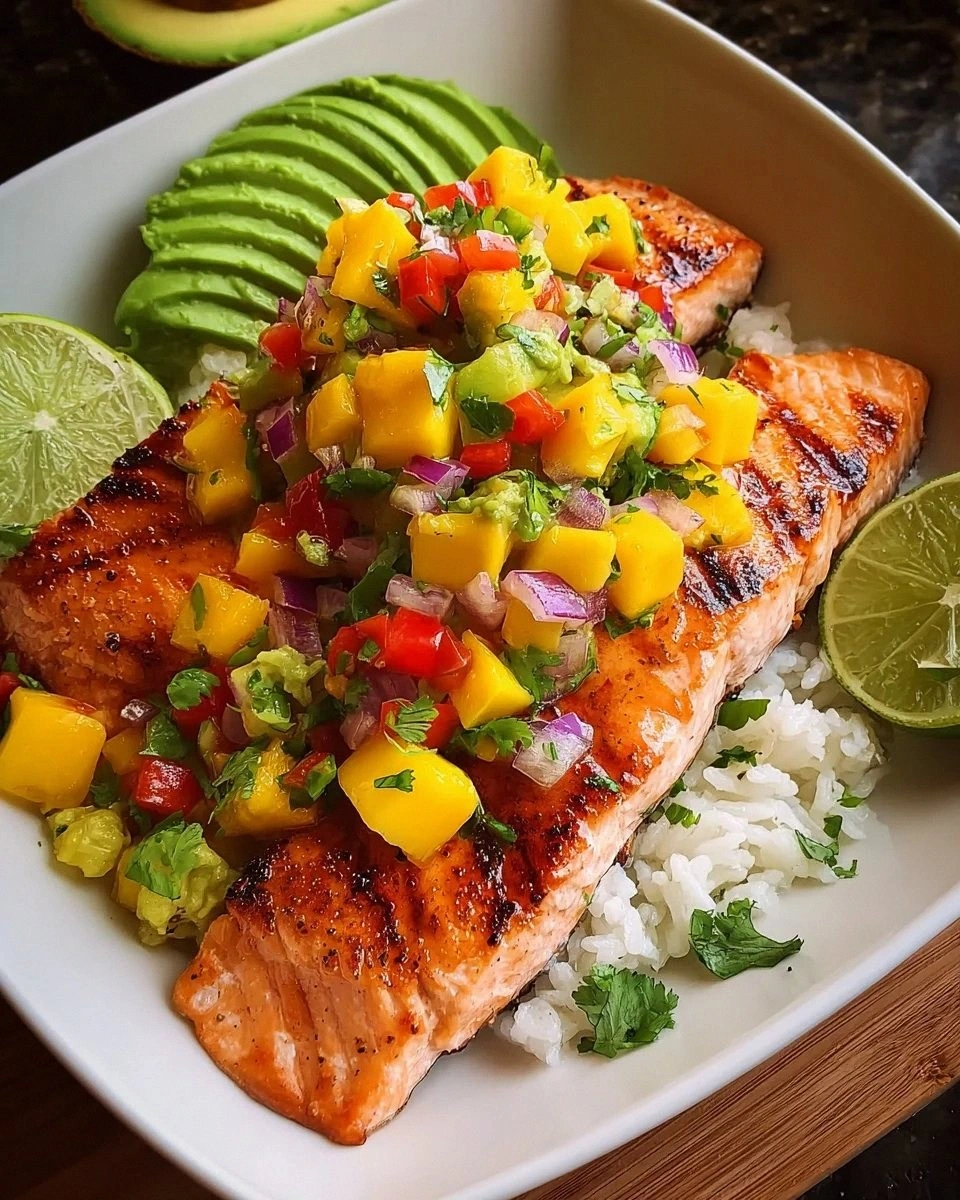
Replace the lime wedges with fresh pineapple chunks. The tropical sweetness will contrast the savory glaze, creating a refreshing bite. Pair it with a light mango salsa for an extra burst of flavor.
Salmon Swap
Use thick salmon fillets instead of cod. The richer flesh takes advantage of the glaze’s sweetness, while the sesame oil keeps the salmon moist. This version is great for a fancy dinner party.
Vegetarian Version
Swap the cod for thick slices of marinated tofu. The tofu will absorb the glaze and develop a crispy edge. This option is perfect for a plant‑based menu.
Storing and Bringing It Back to Life
Fridge Storage
Store leftovers in an airtight container in the refrigerator for up to 3 days. The glaze will thicken slightly, so reheat gently to avoid over‑cooking the fish. Keep the lime wedges separate until you’re ready to serve.
Freezer Friendly
For longer storage, freeze the cooked fillets in a single layer on a parchment‑lined tray before transferring them to a freezer bag. They’ll stay good for up to 2 months. Thaw overnight in the fridge before reheating.
Best Reheating Method
Reheat in a skillet over medium heat for 2–3 minutes, turning once. Add a splash of water or broth to keep the glaze moist. Finish with a squeeze of lime to restore the bright finish.