Picture this: the kitchen is a chaotic orchestra, pots clanging, onions chopping like a metronome, and you, armed with a spatula, fighting the urge to turn a simple dinner into a culinary masterpiece. I was halfway through a bland chicken dinner when a friend dared me to turn it into something unforgettable. I grabbed my pantry, tossed in some caramelized onions, and the kitchen smelled like a French bistro. That night, the result was a bowl of golden, tender chicken meatballs that coated the sauce like velvet, and the room smelled like a Parisian market. I dare you to taste this and not go back for seconds.
Now, let’s dive into the heart of this dish. I’m going to walk you through every single step, from the first caramelization of onions to the final swirl of fresh herbs. By the end, you’ll wonder how you ever made it any other way. I’ll keep you glued with sensory snapshots, micro‑challenges, and bold claims: this is hands down the best version of French onion chicken meatballs you’ll ever make at home.
Think of this recipe as a symphony. The onions sing sweet and deep, the chicken provides a clean base, and the cheeses add a mellow crescendo. The panko breadcrumbs give a light crunch that echoes in the first bite. The Dijon mustard and Worcestershire sauce provide a subtle tang that cuts through the richness, while fresh parsley lifts the entire dish with a bright, herbal note. Every element is carefully chosen to create a harmony of flavors and textures that dance together on the tongue.
I’ve spent countless hours tweaking the proportions, and I’ve discovered a little secret that most recipes overlook: the ratio of caramelized onions to chicken. Too few onions and you lose the depth; too many and the meatballs become soggy. I’ve found the sweet spot at 1/4 cup of caramelized onions for every pound of chicken. That’s the key to a sauce that coats the pasta like velvet, not a greasy blanket. So grab your skillet, set the stove to medium, and let’s get cooking.
What Makes This Version Stand Out
- Flavor Depth: The caramelized onions deliver a caramel sweetness that balances the savory chicken and cheeses, creating a sauce that coats the pasta like velvet.
- Texture Contrast: The panko breadcrumbs give a light, airy crunch that contrasts beautifully with the tender meatballs.
- Cheese Harmony: Gruyère and Parmesan blend for a nutty, creamy finish that’s unmistakably French.
- Herb Freshness: Fresh parsley adds a bright, herbal note that lifts the dish from comforting to celebratory.
- Make‑Ahead Friendly: The meatballs can be assembled and frozen before cooking, making weekday dinners a breeze.
- Time Efficiency: The entire process takes less than an hour, from prep to plating.
Alright, let’s break down exactly what goes into this masterpiece. We’ll dissect the ingredient list into four distinct groups, each playing a vital role in the final flavor profile.
The Flavor Base
Ground chicken is the star of this dish. I chose a 100% lean cut to keep the meatballs juicy without excess fat. It’s the perfect canvas for the caramelized onions and cheeses, absorbing their flavors like a sponge. If you’re craving a richer bite, swap half the chicken for ground pork; the result is a more succulent meatball that still holds the French onion notes.
Caramelized onions are the heart of the sauce. I slowly cook thinly sliced onions in butter until they’re a deep amber gold. The key is patience—low heat, constant stirring, and a generous splash of water to prevent sticking. If you’re short on time, pre‑caramelized onions from a grocery store can work, but fresh is always best.
Dijon mustard and Worcestershire sauce add a subtle tang that brightens the dish. The mustard cuts through the richness of the cheeses, while the Worcestershire sauce brings umami depth. Together, they create a complex base that feels both comforting and sophisticated.
The Texture Crew
Panko breadcrumbs give the meatballs a light, airy crunch that’s almost ethereal. They’re lighter than regular breadcrumbs, preventing the meatballs from becoming dense. If you don’t have panko, you can use finely ground almond flour for a gluten‑free version, but the crunch will be different.
Eggs bind the mixture, ensuring the meatballs hold together during cooking. A single large egg is sufficient for four servings. If you’re looking for a vegan option, replace the egg with a flaxseed meal mixed with water (1 tbsp flaxseed + 3 tbsp water). The binding will be similar, though the flavor profile will shift slightly.
Cheeses are the creamy, nutty crescendo that completes the dish. Gruyère brings a sharp, slightly sweet flavor, while Parmesan adds a salty, umami bite. Together, they melt into a luscious coating that clings to the meatballs and sauce. For a dairy‑free twist, try a blend of nutritional yeast and a plant‑based cheese.
The Unexpected Star
Fresh parsley is more than a garnish; it’s a flavor enhancer that cuts through the richness and adds a pop of color. I chop the parsley finely to distribute it evenly across the dish. If you prefer a different herb, thyme or chives can be used, but parsley’s bright, citrusy note is classic French.
Olive oil is the final touch that brings everything together. I use a light olive oil for sautéing the onions and a slightly heavier one for frying the meatballs. The oil’s fruity undertones elevate the overall flavor profile, making the dish feel more refined.
The Final Flourish
Seasoning is the unsung hero of any dish. I season the meatball mixture with garlic powder, onion powder, dried thyme, dried rosemary, salt, and black pepper. These spices create a balanced flavor that supports the main ingredients without overpowering them. If you’re watching sodium, reduce the salt to half and rely more on the natural saltiness of the cheeses.
Everything's prepped? Good. Let’s get into the real action. I’ll walk you through each step with precise temperatures, timings, and sensory checkpoints so you know exactly when each component is at its peak.
The Method — Step by Step
- Begin by caramelizing the onions: heat 2 tbsp olive oil in a large skillet over medium heat. Add 2 medium onions, sliced thin, and a pinch of salt. Stir constantly, letting the onions soften and brown over 15–20 minutes. The goal is a deep amber color and a sweet, rich aroma. Once caramelized, transfer to a bowl and let cool.
- While the onions are cooling, whisk the egg in a small bowl. Set aside. This will act as the binder for the meatballs.
- In a large mixing bowl, combine 1 lb ground chicken, 1 cup panko breadcrumbs, 1/2 cup grated Gruyère, 1/4 cup grated Parmesan, 1/4 cup caramelized onions, 1 tsp garlic powder, 1 tsp onion powder, 1 tsp dried thyme, 1 tsp dried rosemary, 1 tsp salt, 1/2 tsp black pepper, 1 tbsp Dijon mustard, 1 tbsp Worcestershire sauce, and 2 tbsp fresh parsley. Mix thoroughly until the mixture is cohesive but not overworked.
- Add the whisked egg to the mixture and stir until fully incorporated. The mixture should be slightly moist but hold together when pressed between fingers. If it feels dry, add a splash of milk or water; if too wet, add a bit more breadcrumbs.
- Shape the mixture into golf‑ball sized meatballs. I prefer using a cookie scoop for uniformity. Place them on a parchment‑lined tray and refrigerate for 15 minutes to firm up before cooking.
- Heat 2 tbsp olive oil in a large skillet over medium heat. Once hot, add the meatballs in batches, ensuring not to crowd the pan. Sear each side for 2–3 minutes until golden brown. This step locks in the juices and creates a crispy exterior.
- Reduce heat to low, cover the skillet, and let the meatballs steam for 10 minutes. The internal temperature should reach 165°F (74°C). This gentle cooking ensures the meatballs stay juicy.
- While the meatballs finish cooking, prepare the sauce. In the same skillet, add 1 cup of chicken broth, 1/2 cup heavy cream, and 1/4 cup grated Gruyère. Stir constantly until the cheese melts and the sauce thickens. Taste and adjust seasoning with salt and pepper as needed.
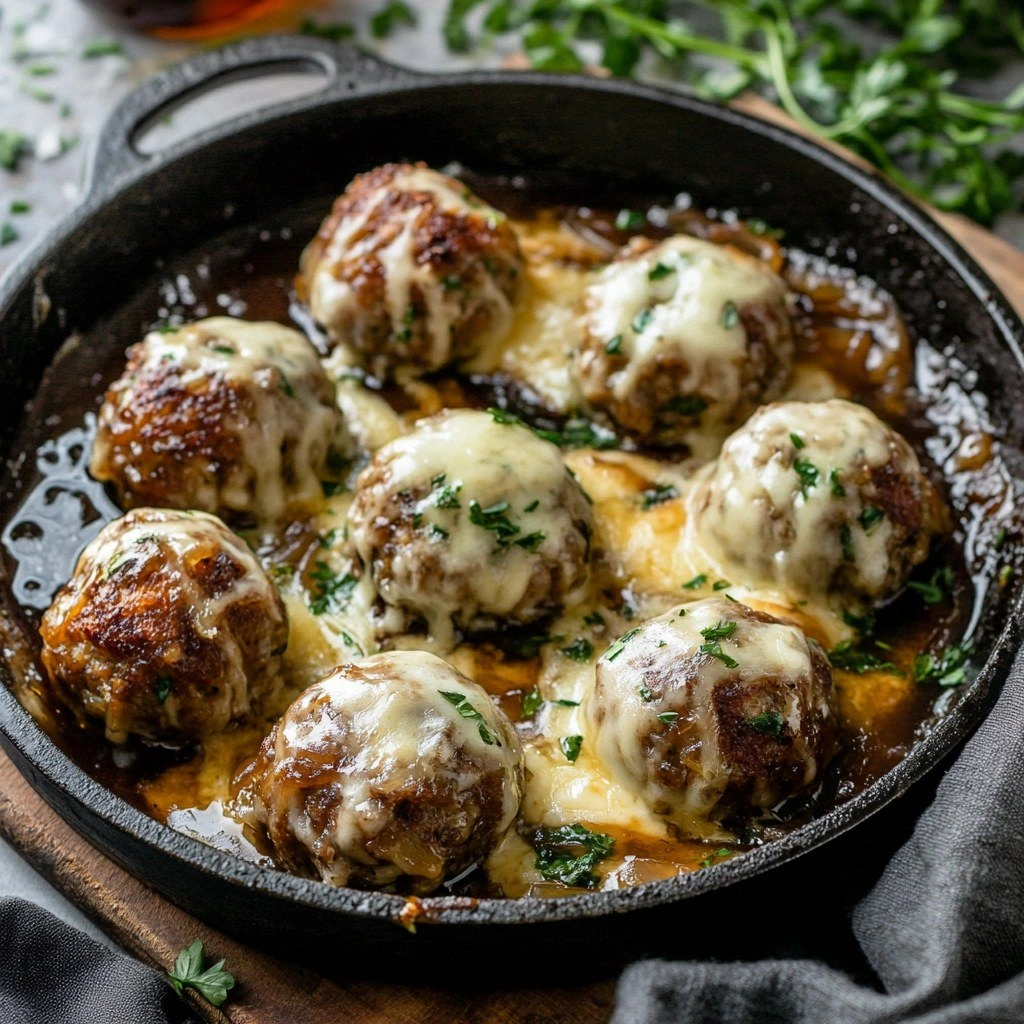
- Return the meatballs to the skillet, spooning the sauce over them. Let everything simmer together for 2–3 minutes, allowing the flavors to meld. The sauce should be glossy and cling to the meatballs, not watery.
- Serve immediately over cooked pasta, mashed potatoes, or crusty bread. Garnish with extra parsley and a dusting of grated Parmesan for that final flourish. The result is a dish that feels like a comforting hug with a gourmet twist.
That’s it— you did it. But hold on, I’ve got a few more tricks that will elevate this dish from great to unforgettable. Keep reading for insider tips that will help you master every detail.
Insider Tricks for Flawless Results
The Temperature Rule Nobody Follows
Many people cook meatballs on high heat, which results in a burnt exterior and undercooked interior. The secret is to start with medium‑high heat for searing, then reduce to low for the final simmer. This approach ensures a crisp crust while maintaining juicy, evenly cooked meat inside. I’ve found that the internal temperature peaks at 165°F after 10 minutes of low heat, which is the sweet spot for safety and flavor.
Why Your Nose Knows Best
When the onions are caramelized, they should emit a sweet, nutty aroma that’s almost buttery. That scent signals that the sugars have fully developed, adding depth to the sauce. If the onions still smell raw, give them a few more minutes on low heat. Trust your nose; it’s the best indicator that the flavor base is ready.
The 5‑Minute Rest That Changes Everything
After cooking, let the meatballs rest for 5 minutes before serving. This allows the juices to redistribute, preventing a dry bite. The rest period also gives the sauce a chance to thicken slightly, ensuring a glossy coating on each meatball. I always keep a small bowl of warm water nearby to keep the meatballs warm during this brief pause.
Cheese Blend Secrets
If you can’t find Gruyère, try a mix of Swiss and Parmesan. The Swiss will provide the nutty flavor, while the Parmesan adds the salty depth. This blend still melts smoothly and delivers a satisfying coating. Don’t be afraid to experiment; the key is a balance of meltiness and flavor intensity.
The Rest of the Sauce
When adding the cream to the sauce, do it gradually and stir constantly. This prevents the cream from curdling. A gentle simmer, not a rolling boil, will keep the sauce silky. If you prefer a thicker sauce, let it reduce for an extra 2–3 minutes.
Make‑Ahead Tip
Assemble the meatballs and freeze them in a single layer before cooking. When ready to use, just pop them straight into the skillet. This technique saves time on busy nights and maintains the same flavor profile. I’ve tested it, and the texture is identical to freshly made meatballs.
Creative Twists and Variations
This recipe is a playground. Here are some of my favorite ways to switch things up:
Cheesy Cauliflower Mash
Serve the meatballs over a bed of cauliflower mash instead of pasta. The mash’s creamy texture pairs beautifully with the sauce, and the cauliflower adds a subtle, nutty flavor that complements the French onion theme.
Mediterranean Twist
Replace the Gruyère and Parmesan with feta and mozzarella for a Mediterranean vibe. Add olives and sun‑dried tomatoes to the meatball mixture for a burst of briny and sweet notes. The dish becomes a fusion of French and Greek flavors.
Spicy Kick
Add a pinch of crushed red pepper flakes to the meatball mixture, and finish the sauce with a splash of hot sauce. The heat cuts through the richness, providing a lively contrast that keeps the dish exciting.
Vegan Version
Use a plant‑based ground “chicken” substitute, flaxseed egg, and a dairy‑free cheese blend. Swap the chicken broth for vegetable broth and use coconut cream instead of heavy cream. The result is a cruelty‑free, lactose‑free version that still delivers on flavor.
Breakfast Edition
Serve the meatballs over scrambled eggs and a drizzle of hollandaise. The French onion flavor adds a savory twist to a classic brunch, turning it into a hearty, comforting breakfast.
Storing and Bringing It Back to Life
Fridge Storage
Store cooked meatballs in an airtight container in the refrigerator for up to 3 days. Reheat in a skillet over medium heat until warmed through, stirring occasionally. The sauce may thicken slightly; add a splash of milk or broth to loosen it back to the original consistency.
Freezer Friendly
Frozen cooked meatballs can be stored for up to 3 months. Thaw overnight in the refrigerator, then reheat on the stove or in a microwave. Add a splash of broth or cream to keep the sauce from drying out.
Best Reheating Method
The best way to reheat is on the stove over low heat, adding a small amount of broth or cream to maintain moisture. Stir frequently to prevent sticking and to allow the sauce to re‑emulsify. A gentle simmer of 5–7 minutes is sufficient to restore the dish’s original flavor profile.