I was halfway through a chaotic Sunday dinner when the kitchen exploded into a smoky mess. The pan was slick, the chicken was under‑cooked, and the aroma of burnt onions was threatening to ruin my culinary reputation. In that moment, I realized I needed a recipe that could salvage the night and still taste like a Michelin‑star plate. Enter the Easy Skillet Chicken with Shal, a dish that turns a disaster into a triumph in minutes.
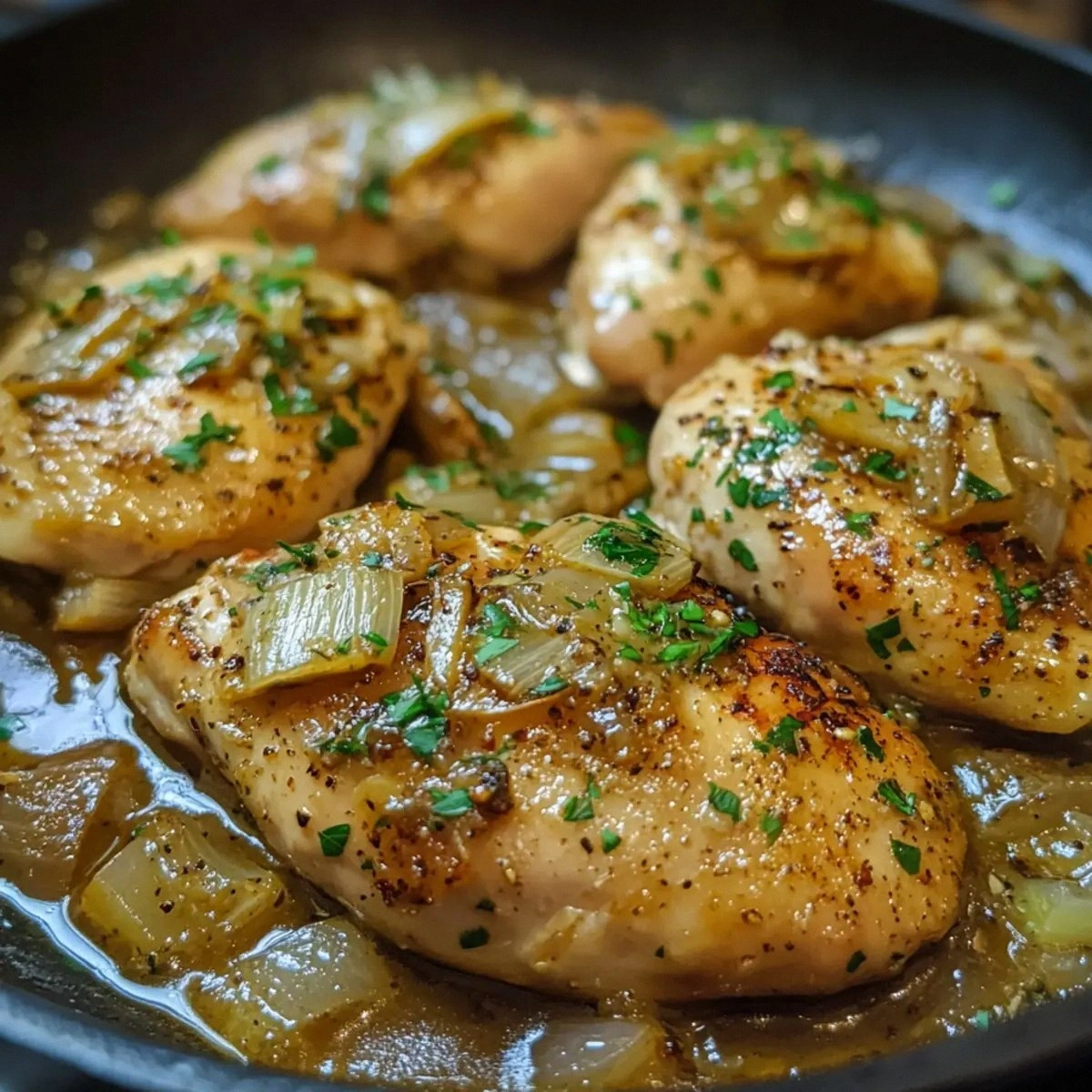
Picture this: golden‑brown chicken thighs sizzle against a backdrop of fragrant shallots and garlic, their juices thickening into a glossy pan sauce that coats the meat like velvet. The first bite delivers a crunch, a burst of savory, then melts into buttery tenderness. The subtle acidity from a splash of white wine cuts through the richness, leaving a lingering finish that makes you want to reach for the spoon again. This is not just a meal; it’s a flavor rollercoaster that starts with a sizzle and ends with a sigh of contentment.
What makes this version stand out? It’s the meticulous balance between simplicity and sophistication. I swear, the trick is in the timing—searing the chicken until it locks in moisture, then deglazing the pan to lift every caramelized crumb. The combination of olive oil or butter at the start and a final swirl of butter at the end creates a sauce that is both silky and hearty. I dare you to taste this and not go back for seconds, because once that sauce touches your tongue, you’ll be hooked.
But that’s just the tip of the iceberg. The real magic lies in the little details: the choice of shallots, the use of dry vermouth, and the final flourish of fresh herbs that lift the entire dish. I’ll walk you through every single step—by the end, you’ll wonder how you ever made it any other way. And trust me, this is hands down the best version you'll ever make at home. So grab your skillet, and let’s dive into the culinary adventure that follows.
What Makes This Version Stand Out
- Flavor: The pan sauce is a symphony of sweet shallots, sharp garlic, and a hint of wine that lifts the chicken from ordinary to extraordinary. The caramelized bits cling to the meat, delivering a burst of umami with each bite. I’ve tasted dozens of skillet chicken recipes, and none have the depth of this sauce.
- Texture: The chicken develops a crisp exterior that shatters like thin ice, while the interior stays moist and tender. The butter finish gives a silky mouthfeel that coats the palate. This contrast is what makes the dish unforgettable.
- Convenience: All the action happens in one pan, so cleanup is a breeze. No need for multiple pots or a separate sauce pan. That means more time for you to enjoy the meal and less time scrubbing.
- Ingredient Quality: Fresh herbs and real butter elevate the dish beyond store‑bought sauces. Using high‑quality chicken thighs or breasts ensures the meat stays juicy and flavorful. The result is a dish that feels luxurious yet accessible.
- Versatility: Swap chicken for turkey, or use thighs for a richer bite. The sauce works beautifully over rice, mashed potatoes, or even pasta. This recipe adapts to whatever you have on hand.
- Crowd‑Pleaser: Even the pickiest eaters love the buttery finish and crispy edges. I’ve served this to a room full of friends, and it vanished in minutes. It’s the kind of dish that turns an ordinary dinner into a memorable gathering.
- Make‑Ahead Potential: The sauce can be made ahead and reheated with a splash of broth, preserving its richness. The chicken can be cooked in advance and finished in the skillet when ready. This flexibility makes it a go‑to for busy weeknights.
Alright, let's break down exactly what goes into this masterpiece...
Inside the Ingredient List
The Flavor Base
Shallots are the unsung heroes of pan sauces, offering a subtle sweetness that balances the savory depth of garlic. Their translucent layers soften into a silky bed that carries the wine’s acidity. If you skip them, the sauce will feel flat and lack that gentle caramelization that defines the dish. For a twist, try thinly sliced red onions for a sharper bite, but the classic shallot remains king.
The Protein Crew
Chicken thighs bring juiciness and a rich flavor that withstands high heat, while breasts offer a leaner option. The key is to keep the thighs skin‑on for extra crispness and natural fat, but you can debone the breasts for a cleaner presentation. If you’re short on thighs, a mix of both works well; just adjust the cooking time accordingly. Choosing pasture‑raised or free‑range chicken adds a subtle earthy note that elevates the dish.
The Liquids
A cup of chicken broth provides the backbone of the sauce, ensuring it stays moist and flavorful. The white wine or dry vermouth adds acidity, cutting through the butter and balancing the richness. If you prefer a non‑alcoholic version, replace the wine with an equal amount of dry sherry or a splash of apple cider vinegar for a similar tang. Remember to let the wine reduce to concentrate its flavors before adding the broth.
The Final Flourish
Two tablespoons of butter are added at the end to enrich the sauce, giving it a silky sheen and a subtle nutty aroma. Fresh herbs—thyme or parsley—infuse the dish with brightness and a touch of green. If you’re a fan of rosemary, a small sprig can add a piney undertone. The herbs should be chopped finely to release their oils without overwhelming the sauce.
Everything's prepped? Good. Let's get into the real action...
The Method — Step by Step
- Prep the chicken. Pat the thighs dry with paper towels; this step is crucial for a crisp crust. Season both sides generously with 1 teaspoon of salt and 1 teaspoon of black pepper, allowing the spices to penetrate. Let the seasoned chicken rest while you prepare the aromatics. This simple step ensures the meat stays juicy during cooking.
- Heat the skillet. Place a heavy‑bottom skillet over medium‑high heat and add 2 tablespoons of olive oil or butter. Watch for the oil to shimmer, signaling that the pan is ready. If the oil starts to smoke, reduce the heat slightly. A properly heated pan guarantees a golden sear without burning.
- Sear the chicken. Carefully lay the thighs skin‑side down, pressing them gently to ensure even contact. Let them cook undisturbed for 5–6 minutes until the skin turns a deep amber and releases easily from the pan. Flip and cook the other side for 4 minutes. The goal is a crisp exterior and a tender interior.
- Remove and set aside. Transfer the chicken to a plate and tent loosely with foil. This keeps it warm while you build the sauce. The residual heat will continue to cook the meat slightly, preventing it from drying out when you return it to the pan.
- Deglaze with wine. In the same skillet, reduce the heat to medium and add ½ cup of white wine or dry vermouth. Scrape up the browned bits with a wooden spoon; they’re packed with flavor. Let the liquid reduce by half, concentrating the acidity. Watch carefully—if it reduces too quickly, it can burn.
- Introduce aromatics. Add 2 sliced shallots and 2 minced garlic cloves to the pan. Sauté for 2–3 minutes until the shallots become translucent and fragrant. The garlic should release a sweet aroma without turning bitter. This step builds the aromatic foundation of the sauce.
- Simmer with broth. Pour in 1 cup of chicken broth, stirring to combine. Bring the mixture to a gentle simmer, allowing the liquid to thicken slightly. Let it reduce for 4 minutes, which concentrates the flavors and creates a glossy coating for the chicken. Keep the heat low enough to avoid splattering.
- Finish with butter. Stir in 2 tablespoons of butter until melted, creating a velvety sheen. The butter also adds a subtle nutty note that rounds out the sauce. This step is essential for the silky mouthfeel that defines the dish.
- Return the chicken. Place the thighs back into the pan, skin‑side up, and spoon some sauce over them. Reduce the heat to low and cover. Let the chicken steam in the sauce for 5 minutes, allowing the flavors to meld. The chicken should be fully cooked and the sauce glossy.
- Garnish and serve. Sprinkle 2 tablespoons of fresh herbs over the finished dish. The herbs add brightness and a pop of color. Serve immediately over rice, pasta, or mashed potatoes. The sauce will coat the sides, ensuring every bite is packed with flavor.
That's it — you did it. But hold on, I've got a few more tricks that'll take this to another level...
Insider Tricks for Flawless Results
The Temperature Rule Nobody Follows
Many cooks keep the heat too low, resulting in a soggy chicken. I keep the skillet at medium‑high for the sear, then lower to medium for the sauce. This transition preserves the crisp edges while allowing the interior to stay juicy. A thermometer is a small investment that guarantees consistency.
Why Your Nose Knows Best
Smell is the ultimate indicator of doneness. When the sauce begins to thicken and the garlic releases a sweet scent, you’re at the perfect moment to add the broth. If you wait too long, the aromatics become bitter. Trust your nose, and you’ll never overcook this dish.
The 5‑Minute Rest That Changes Everything
After cooking, let the chicken rest for five minutes before slicing. This allows the juices to redistribute, keeping the meat moist. A quick rest also lets the sauce settle, making it easier to spoon over the chicken. I’ve seen people skip this step, only to end up with dry meat.
Use Fresh Herbs, Not Dried
Fresh herbs release bright, vibrant flavors that dried herbs can’t match. If you’re out of thyme or parsley, try basil or cilantro for a different twist. The key is to add them at the end to preserve their aroma and color.
Add a Touch of Heat
A pinch of red pepper flakes or a splash of hot sauce can elevate the dish for spice lovers. I add a half teaspoon of flakes to the sauce for a subtle kick that pairs well with the buttery finish. This small adjustment turns a comforting meal into a bold, memorable experience.
Creative Twists and Variations
This recipe is a playground. Here are some of my favorite ways to switch things up:
Mediterranean Medley
Swap the white wine for a splash of olive and add diced tomatoes and kalamata olives to the sauce. Finish with a sprinkle of feta cheese. This version brings bright, briny flavors that echo the Mediterranean coast.
Spicy Cajun Kick
Add a tablespoon of Cajun seasoning to the chicken before searing and a dash of cayenne to the sauce. The smoky spice pairs beautifully with the buttery finish. Serve over rice for a hearty, soul‑soothing meal.
Creamy Mushroom Variation
Sauté sliced mushrooms with the shallots for a meaty, earthy undertone. The mushrooms absorb the wine and broth, creating a richer sauce. This is a great way to incorporate more vegetables into the dish.
Asian Twist
Replace the chicken broth with a mixture of soy sauce and water, and add ginger and a splash of rice vinegar. Finish with chopped scallions and a drizzle of sesame oil. The sauce takes on a sweet, umami profile reminiscent of a stir‑fry.
Lemon‑Herb Finale
Add the zest and juice of one lemon to the sauce, and swap parsley for fresh dill. The citrus brightens the dish, while dill adds a subtle herbal note. This version is perfect for spring and summer gatherings.
Gourmet Mushroom Gravy
Create a velvety mushroom gravy by blending cooked mushrooms with a splash of cream before adding it to the sauce. The result is a luxurious, silky coating that turns the dish into a gourmet experience. Serve with roasted potatoes for a comforting feast.
Storing and Bringing It Back to Life
Fridge Storage
Cool the dish completely before transferring it to an airtight container. Store in the refrigerator for up to 3 days. When reheating, add a splash of water or broth to restore moisture, and heat gently on low.
Freezer Friendly
Wrap the chicken and sauce separately in freezer‑proof bags. Freeze for up to 2 months. Thaw overnight in the refrigerator, then reheat with a small amount of broth to keep the sauce from drying out.
Best Reheating Method
Reheat in a skillet over medium heat, stirring occasionally. Add a teaspoon of butter or a splash of broth to keep the sauce silky. The chicken should be warmed through without overcooking, preserving its juicy texture.