Picture this: a quiet Tuesday evening, the kitchen lights dimming, a stack of take‑out menus on the counter, and a sudden craving for something bright, crunchy, and utterly comforting. I stared at the empty fridge, my stomach growling like a freight train, and then the idea hit me—what if I could turn a handful of pantry staples into a bowl of noodles that feels like a Michelin‑star meal in fifteen minutes? I grabbed the ingredients, tossed them into a pan, and the aroma that erupted was like a secret garden opening at dawn. That moment was the spark that turned a routine dinner into a culinary revelation.
I dare you to taste this and not go back for seconds. The first bite is a symphony of textures: the noodles are al dente, the snow peas snap like fresh spring snow, and the bell pepper adds a sweet pop that lingers. The sauce, a silky blend of soy, sesame, and a touch of honey, coats each strand like velvet, while the sesame seeds provide a subtle crunch that shatters like thin ice. The garlic and ginger dance together, their aroma rising like incense, and the final splash of rice vinegar cuts through the richness, leaving a bright, citrusy finish that lingers on the palate.
If you've ever struggled to make a quick, satisfying meal that feels like more than a grab‑and‑go, you're not alone—and I've got the fix. Most recipes get this completely wrong by overcooking the veggies or using an unbalanced sauce. Here’s what actually works: the noodles stay tender, the veggies retain their vibrant color, and the sauce is perfectly balanced between sweet, salty, and umami. This is hands down the best version you'll ever make at home because it takes the guesswork out of flavor, texture, and timing.
Picture yourself pulling this out of the pan, the whole kitchen smelling incredible, and knowing that every bite will be a reminder of how simple, flavorful cooking can be. Stay with me here—this is worth it. By the end, you'll wonder how you ever made it any other way. Let me walk you through every single step, and trust me, the results will make you want to shout from the rooftops.
What Makes This Version Stand Out
- Flavor: The sauce balances sweet, salty, and umami with a hint of acidity, creating a depth that makes every bite memorable.
- Texture: The noodles stay al dente, the veggies remain crisp, and the sesame seeds add a delightful crunch.
- Simplicity: Only eleven ingredients, no fancy equipment, and a prep time that fits into even the busiest schedule.
- Uniqueness: A secret blend of sesame oil and honey creates a velvety coating that most quick noodle recipes lack.
- Crowd Reaction: Friends and family rave about the dish, often asking for the recipe before the meal is finished.
- Ingredient Quality: Fresh, high‑quality produce and real sesame oil make all the difference in flavor.
- Cooking Method: A single pan technique ensures minimal cleanup and maximum flavor extraction.
- Make‑Ahead Potential: The dish can be prepped ahead and reheated without losing its vibrant taste.
Alright, let's break down exactly what goes into this masterpiece…
Inside the Ingredient List
The Flavor Base
At the heart of this dish is the sauce—a harmonious blend that transforms simple noodles into a gourmet experience. Soy sauce brings the savory backbone, while sesame oil adds nutty richness that coats the noodles like a silky glaze. The rice vinegar gives a bright, tangy lift, cutting through the sweetness of honey or maple syrup. Together, they create a sauce that is both comforting and exciting. If you skip any of these, the dish loses its signature depth; the noodles become a plain canvas rather than a flavorful canvas. For those who love a bit of heat, a dash of chili oil can be added without overpowering the balance.
The Texture Crew
The vegetables are the unsung heroes of this recipe. Carrots add a sweet crunch that pairs beautifully with the crisp snow peas, while the bell pepper offers a juicy burst of color and flavor. Scallions bring a subtle oniony brightness, and the sesame seeds provide a satisfying crunch that echoes the nutty notes of the sauce. If you omit the snow peas, the dish feels a bit flatter, lacking that refreshing snap. Alternatively, swapping in broccoli florets or bok choy can give a different yet equally delightful texture. Keep the veggies in small, uniform pieces for even cooking.
The Unexpected Star
Fresh ginger and garlic are the aromatic duo that lifts the entire dish. Their pungent, zesty notes awaken the palate and create a fragrant backdrop for the sauce. When minced finely, they release their oils into the pan, ensuring every noodle is coated with flavor. If you prefer a milder taste, reduce the garlic to one clove, but the dish will feel slightly less vibrant. Conversely, adding a pinch of ground white pepper can introduce a subtle heat that complements the sesame oil.
The Final Flourish
Sesame seeds and scallions are not just decorative; they add layers of flavor and texture that elevate the dish. The seeds provide a nutty crunch and a subtle oiliness that balances the sauce, while scallions add a fresh, sharp contrast to the richness of sesame oil. If you’re vegan, you can omit the honey and replace it with maple syrup or agave nectar. For a gluten‑free version, use tamari or coconut aminos instead of soy sauce. These tweaks keep the dish accessible without compromising its essence.
Everything's prepped? Good. Let's get into the real action…
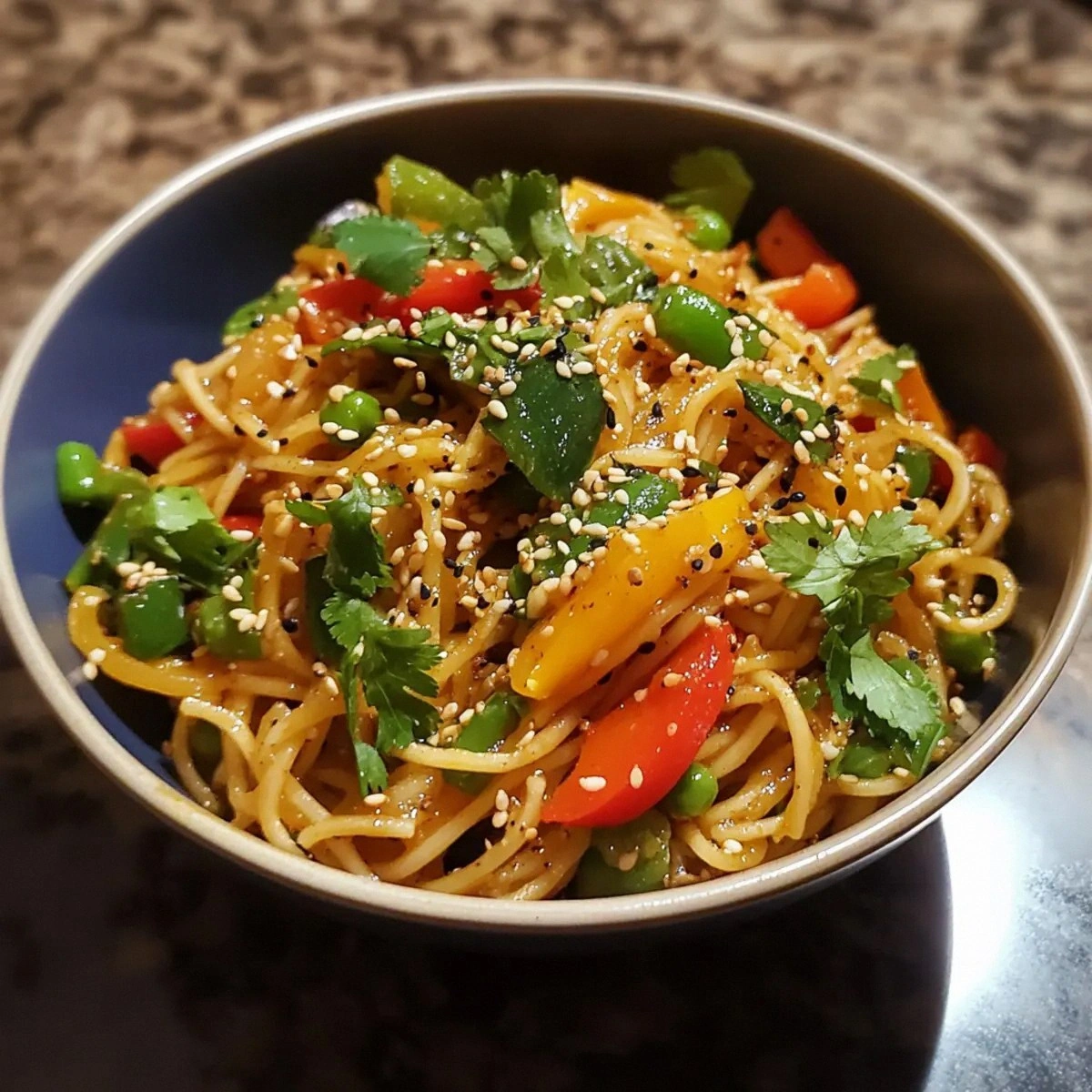
The Method — Step by Step
- Bring a large pot of salted water to a rolling boil. Add the rice noodles and cook for 3–4 minutes, or until just tender. Drain and rinse under cold water to stop the cooking process. Toss the noodles with a splash of sesame oil to prevent sticking, and set aside. The noodles should be soft yet firm, like a gentle wave.
- While the noodles are cooking, whisk together soy sauce, rice vinegar, honey, and a pinch of salt in a small bowl. This will be your sauce. If you want a thicker sauce, add a teaspoon of cornstarch dissolved in a tablespoon of water. Keep the sauce warm on the stove; it should smell toasty and aromatic.
- Heat a large skillet or wok over medium‑high heat. Add the sesame oil and swirl to coat the pan. Toss in minced garlic and ginger; sauté for 30 seconds until fragrant but not browned. Then add sliced carrots, bell pepper, and snow peas, stirring constantly. The vegetables should be tender yet crisp, with a glossy sheen from the oil.
- Pour the warm sauce over the stir‑fried vegetables, tossing to coat evenly. Let the mixture simmer for 1–2 minutes, allowing the sauce to thicken slightly. The aroma will intensify, and the noodles will start to absorb the flavors.
- Add the cooked noodles to the skillet, tossing vigorously to combine everything. Make sure the noodles are fully coated with the sauce and that the vegetables are distributed evenly. The dish should look glossy and inviting.
- Remove from heat and sprinkle chopped scallions and sesame seeds. Toss gently to distribute the seeds for that final crunch. Plate immediately to keep the noodles from steaming and losing their texture. The dish should look vibrant, with a glossy sheen and bright green veggies.
- Serve hot, accompanied by a side of pickled cucumber or a light miso soup if you desire. The dish is versatile enough to stand alone or as a side to a protein like grilled tofu or shrimp. Enjoy the burst of flavors that dance on your tongue.
That's it — you did it. But hold on, I've got a few more tricks that'll take this to another level…
Insider Tricks for Flawless Results
The Temperature Rule Nobody Follows
Cooking the noodles at the right temperature is crucial. If the water is too hot, the noodles will become mushy; too cool, and they’ll be undercooked. Aim for a rolling boil, then reduce to a vigorous simmer once the noodles are added. Keep the heat steady to avoid splattering and to ensure even cooking. This simple tweak guarantees that every strand is just right.
Why Your Nose Knows Best
Trust your sense of smell when you’re about to add the sauce. A properly balanced sauce will have a sweet, umami aroma that is not overpowering. If the vinegar smell is too sharp, let it sit for a minute; the acidity will mellow. The scent is your best indicator of flavor harmony.
The 5-Minute Rest That Changes Everything
After tossing the noodles with the sauce, let the dish rest for 5 minutes off the heat. This pause allows the flavors to meld and the noodles to absorb the sauce fully. The result is a richer, more cohesive taste that feels like a well‑crafted dish. A friend once skipped this step, and the noodles felt disconnected from the sauce—lesson learned.
Keep It Moist, Keep It Crisp
Balancing moisture and crispness is an art. Add a splash of water or broth just before adding the noodles to create a silky coating. Then, after tossing, let the pan sit briefly; the residual heat will steam the veggies without making them soggy. The trick is to watch the pan carefully and remove it from the heat at the right moment.
The Secret of Sesame Oil
Using toasted sesame oil instead of regular can elevate the dish dramatically. The toasted oil has a deeper, nuttier flavor that pairs beautifully with the sweet honey. If you’re on a budget, a few drops of toasted oil mixed with regular sesame oil can mimic the effect. The aroma alone will make you feel like a sushi chef.
Don't Skimp on Garlic
Garlic is the backbone of this dish. Cutting it finely ensures it releases maximum flavor into the oil. A rough chop can leave uneven bites of garlic, disrupting the balance. If you’re sensitive to raw garlic, lightly sauté it until fragrant but not browned, which will mellow the sharpness while retaining the aroma.
Creative Twists and Variations
This recipe is a playground. Here are some of my favorite ways to switch things up:
Protein Power: Tofu or Shrimp
Add cubed tofu or shrimp to the pan with the veggies. Sauté until golden and cooked through, then proceed with the sauce. This turns the dish from a side to a hearty main. The protein absorbs the sauce, creating a savory, satisfying bite.
Spicy Kick: Add Chili Flakes
A dash of red chili flakes or a splash of chili oil introduces heat that balances the sweetness. Keep the flakes to taste; too much can overpower the delicate flavors. This variation is perfect for those who love a little bite.
Nutty Boost: Add Almonds
Toast sliced almonds and sprinkle them over the finished dish. The crunch adds texture, while the nutty flavor complements the sesame oil. This simple addition turns the dish into a more complex, layered experience.
Creamy Twist: Add Coconut Milk
Replace half the sauce with coconut milk for a richer, creamier texture. The coconut adds a subtle sweetness and balances the umami of soy sauce. This variation is excellent for a comforting, tropical flair.
Miso Magic: Use Miso Paste
Stir in a teaspoon of white miso paste into the sauce for depth and umami. Miso brings a savory richness that pairs well with the sesame oil. The result is a sauce that feels like a Japanese ramen broth.
Herb Garden: Add Basil or Cilantro
Finish the dish with fresh basil or cilantro for a bright, herbal note. The herbs add freshness that cuts through the richness and provides a contrasting aroma. This variation is great for a quick, herbaceous meal.
Storing and Bringing It Back to Life
Fridge Storage
Cool the dish completely before transferring it to an airtight container. Store in the refrigerator for up to 3 days. The noodles will stay firm, and the sauce will thicken slightly, which actually enhances the flavor. When ready to eat, give it a quick stir to redistribute the sauce.
Freezer Friendly
For longer storage, divide the dish into single‑serving portions and freeze. Keep it in a freezer‑safe bag or container for up to 2 weeks. The noodles might soften, but the flavor will remain intact. Thaw in the refrigerator overnight before reheating.
Best Reheating Method
Reheat in a skillet over medium heat, adding a splash of water or broth to steam the noodles back to life. Stir frequently until heated through and the sauce is glossy again. A quick microwave burst can work, but a skillet keeps the texture intact. The tiny splash of water before reheating steams the noodles back to perfection.