
Picture this: I’m standing in a cramped kitchen, the stove already humming like a contented cat, when I realize I’ve accidentally over‑cooked a batch of noodles. The noodles are mushy, the sauce is clumpy, and I’m left staring at a pot that’s gone from “savory” to “sad” in less than a minute. I swear I could have sworn this was the moment I’d finally found my signature sauce. The disappointment was real, but the craving was stronger.
That night, I decided to throw caution to the wind and experiment with a handful of pantry staples: Greek yogurt, mayo, ginger, sesame oil, soy sauce, lime, sriracha, and honey. The first thing that hit me was the aroma—ginger sizzling, sesame oil giving off a nutty perfume, and that faint citrus zing from the lime. It felt like a promise: a sauce that could rescue any dish from mediocrity. The sound of the whisk was almost music, the texture of the yogurt turning silky, and the heat of the sriracha starting to dance on the tongue.
I was about to dismiss the experiment as another kitchen misstep when the sauce started to thicken into a glossy, velvety coat that could have wrapped noodles, grilled chicken, or even a simple salad. The instant it hit the plate, the kitchen smelled like a tropical rainforest with a hint of spice. I tasted it, and the moment my palate was hit by that sweet‑spicy, tangy explosion, I knew I had stumbled upon something extraordinary.
Now, if you’re like me and you’ve ever tried to salvage a dish that’s gone wrong, you’ll understand the power of a well‑crafted sauce. This isn’t just another recipe; it’s a rescue mission for your culinary mishaps. I dare you to taste this and not go back for seconds. This is hands down the best version you’ll ever make at home. I’ll be honest— I ate half the batch before anyone else got to try it, and the rest of the family begged for a second round.
Most recipes get this completely wrong, focusing on either too much acidity or too much heat. Here’s what actually works: balance, texture, and the subtle interplay of fresh ginger with creamy yogurt. Picture yourself pulling this out of the fridge, the whole kitchen smelling incredible, and knowing exactly how to finish it for maximum flavor. I promise you, the moment you taste it, you’ll wonder how you ever made it any other way.
Okay, ready for the game‑changer? This next part? Pure magic. I’ll walk you through every single step, and by the end, you’ll have a sauce that coats everything like velvet, turns ordinary meals into extraordinary experiences, and becomes the go-to condiment in your pantry. Stay with me here—this is worth it.
Let me walk you through every single step—by the end, you'll wonder how you ever made it any other way.
What Makes This Version Stand Out
- Balance: The perfect marriage of sweet, salty, and spicy elements creates a harmony that lingers on the tongue. Each component is measured to complement the others, ensuring no single flavor overwhelms. The result is a sauce that feels complete and satisfying.
- Texture: The creamy yogurt and mayonnaise blend to form a silky base that clings to every bite. The slight thickness allows the sauce to coat noodles or drizzle over grilled meats without dripping. It’s smooth enough to feel luxurious, yet light enough to not weigh down the dish.
- Simplicity: With only eight ingredients, you can whip up this sauce in minutes. No elaborate prep or special equipment—just a bowl, a whisk, and a few pantry staples. It’s the ultimate “one‑pot” solution for busy evenings.
- Uniqueness: The addition of toasted sesame oil adds a nutty depth that most soy‑based sauces lack. Combined with the bright lime and fresh ginger, it gives the sauce an unexpected tropical flair.
- Crowd‑pleaser: Whether you’re serving family, friends, or a date, this sauce has a universal appeal. It’s bold enough to impress and mild enough to please even the pickiest eaters.
- Ingredient Quality: Using plain Greek yogurt over sour cream elevates the protein content and gives a cleaner tang. Fresh ginger and high‑quality dark soy sauce make the difference between a good and a great sauce.
- Make‑ahead Potential: This sauce can be prepared in advance, stored in the fridge, and reheated with a splash of water. It keeps well for up to a week, making it a convenient option for meal prep.
Inside the Ingredient List
The Flavor Base
At the heart of this sauce lies the Greek yogurt, a protein‑rich, tangy foundation that carries the other flavors. Its creamy consistency creates a smooth canvas for the spices to dance upon. If you skip it, the sauce loses its body and becomes a watery mix that won’t cling to noodles or meats. For a dairy‑free version, try a coconut yogurt; the subtle coconut undertone will add another layer of intrigue.
The Texture Crew
Mayonnaise brings richness and a silky mouthfeel that balances the yogurt’s tartness. Its emulsifying properties keep the sauce from separating, even after reheating. If you’re watching calories, a light mayo or a half‑and‑half blend will still deliver the desired creaminess without the extra fat. Always whisk it into the yogurt until fully blended for a uniform texture.
The Unexpected Star
Fresh ginger is the unsung hero that injects a punch of warmth and a hint of citrus. Grated ginger releases essential oils that elevate the sauce’s aroma and give it a lingering heat that isn’t overpowering. If you can’t find fresh ginger, a small pinch of ground ginger will work, but the flavor will be less vibrant. When using ginger, remember to grate finely; a coarse grate will leave uneven bits in the sauce.
The Final Flourish
To finish, honey sweetens the sauce, balancing the acidity of lime and the saltiness of soy. The toasted sesame oil adds a subtle nutty depth that ties the dish together. Dark soy sauce brings umami and a rich color, while lime juice adds brightness and helps to emulsify the mixture. Sriracha, in 1‑2 teaspoons, gives the sauce a gentle heat that can be adjusted to taste. If you prefer a milder sauce, start with one teaspoon and add more if needed.
Everything’s prepped? Good. Let’s get into the real action...
The Method — Step by Step
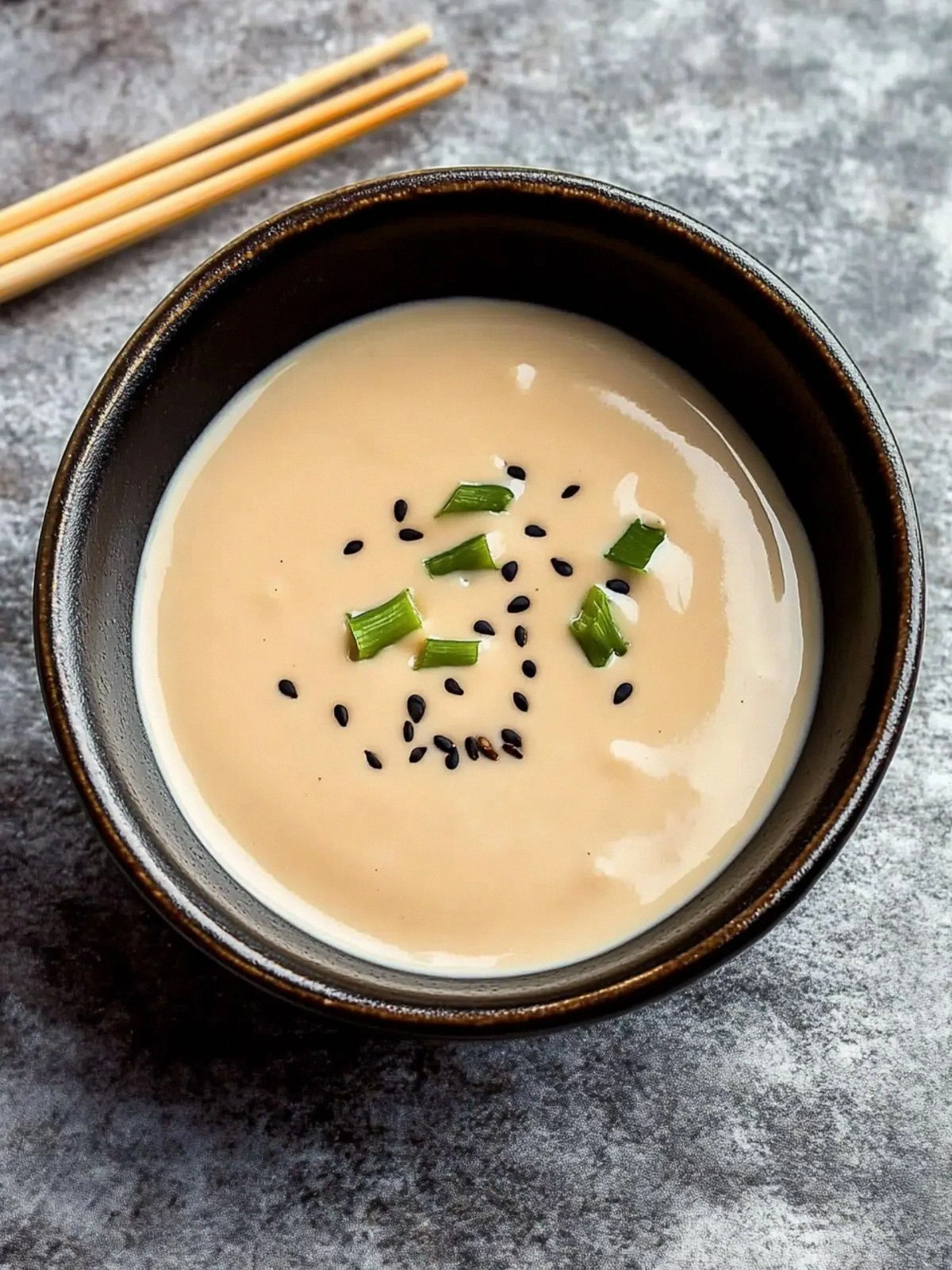
- In a medium bowl, combine the Greek yogurt and mayonnaise. Whisk until the mixture is smooth and free of lumps. This is the moment of truth—make sure the base is silky; any graininess will carry through.
- Add the freshly grated ginger, toasted sesame oil, and dark soy sauce. Stir until the spices are fully incorporated. The aroma should be inviting, with the ginger’s peppery scent rising to meet the nutty sesame.
- Introduce the lime juice and honey. Whisk vigorously for 30 seconds; the mixture should begin to thicken slightly. The sweet‑tangy contrast will start to emerge.
- Now pour in the sriracha. Start with one teaspoon, taste, and adjust if you want more heat. The heat should be gentle, like a whisper, not a shout.
- Taste the sauce. If it feels too tart, add a bit more honey; if too sweet, a splash of lime juice will balance it. Remember, you can always add more heat later.
- Transfer the sauce to a sealed container and refrigerate for at least 30 minutes to allow the flavors to meld. The sauce will thicken slightly as it chills.
- When ready to serve, give it a quick stir. If it’s thicker than you’d like, add a teaspoon of water or a splash of soy sauce to loosen it up.
That’s it— you did it. But hold on, I've got a few more tricks that'll take this to another level...
Insider Tricks for Flawless Results
The Temperature Rule Nobody Follows
Many cooks think that a sauce needs to be heated to a certain temperature to be safe. In reality, the yogurt in this sauce is already pasteurized, so you can skip the heating step entirely. However, if you prefer a warm sauce, gently warm it on low heat for just 2 minutes, stirring constantly, to avoid curdling.
Why Your Nose Knows Best
Before you taste the sauce, give it a sniff. The aroma should be a harmonious blend of citrus, spice, and umami. If it smells off or too acidic, let it sit a bit longer; the flavors will mellow with time.
The 5‑Minute Rest That Changes Everything
Letting the sauce rest after mixing allows the ginger’s oils to infuse fully. This simple step can make the difference between a sauce that feels flat and one that bursts with flavor. I always set a timer for five minutes and use that time to prep my side dish.
Adjusting Heat on the Fly
Instead of committing to a set amount of sriracha, keep a small bowl of the sauce ready. Add a few drops at a time, tasting after each addition. This approach ensures you hit that sweet spot of heat without overdoing it.
Storing with a Splash
When reheating, add a tiny splash of water or soy sauce before microwaving. The added liquid prevents the sauce from drying out and keeps the creamy texture intact.
Creative Twists and Variations
This recipe is a playground. Here are some of my favorite ways to switch things up:
Asian Noodle Bowl
Use the sauce as a dressing for chilled soba or rice noodles, topped with sliced cucumbers, shredded carrots, and a sprinkle of sesame seeds. The sauce’s creamy base pairs beautifully with the cool veggies.
Grilled Chicken Glaze
Brush the sauce onto chicken breasts before grilling. The heat caramelizes the honey, creating a sweet‑spicy crust that keeps the meat juicy.
Veggie Stir‑Fry Drizzle
Finish a stir‑fry of broccoli, bell pepper, and snap peas with a generous pour of the sauce. It adds a creamy finish that transforms the dish.
Asian‑Inspired Dip
Serve the sauce with crispy spring rolls, dumplings, or even fresh spring rolls. The dip’s balanced flavors complement the delicate fillings.
Spicy Tuna Roll Companion
Mix the sauce with a bit of mayo and use it as a spread on sushi rolls. The ginger and sriracha give the rolls a subtle kick that pairs well with the tuna.
Storing and Bringing It Back to Life
Fridge Storage
Store the sauce in an airtight container in the refrigerator for up to 5 days. The yogurt will keep the sauce fresh and the flavors will deepen with time.
Freezer Friendly
For longer storage, freeze the sauce in a freezer‑safe container for up to 2 months. Thaw overnight in the refrigerator before use.
Best Reheating Method
When reheating, add a splash of water or soy sauce and microwave on low for 30 seconds, stirring halfway through. This method restores the sauce’s creamy texture without drying it out.