I still remember the first time I attempted to stuff chicken with brie. It was a disaster of epic proportions — cheese oozed everywhere, the chicken was rubbery, and my kitchen looked like a crime scene from a dairy-based horror movie. But that colossal failure led me to perfect what I now confidently call the most irresistible stuffed chicken recipe you'll ever make at home. The combination of tangy cranberries melting into creamy brie, all nestled inside perfectly cooked chicken, creates a flavor explosion that will make you question why you ever settled for plain chicken breasts.
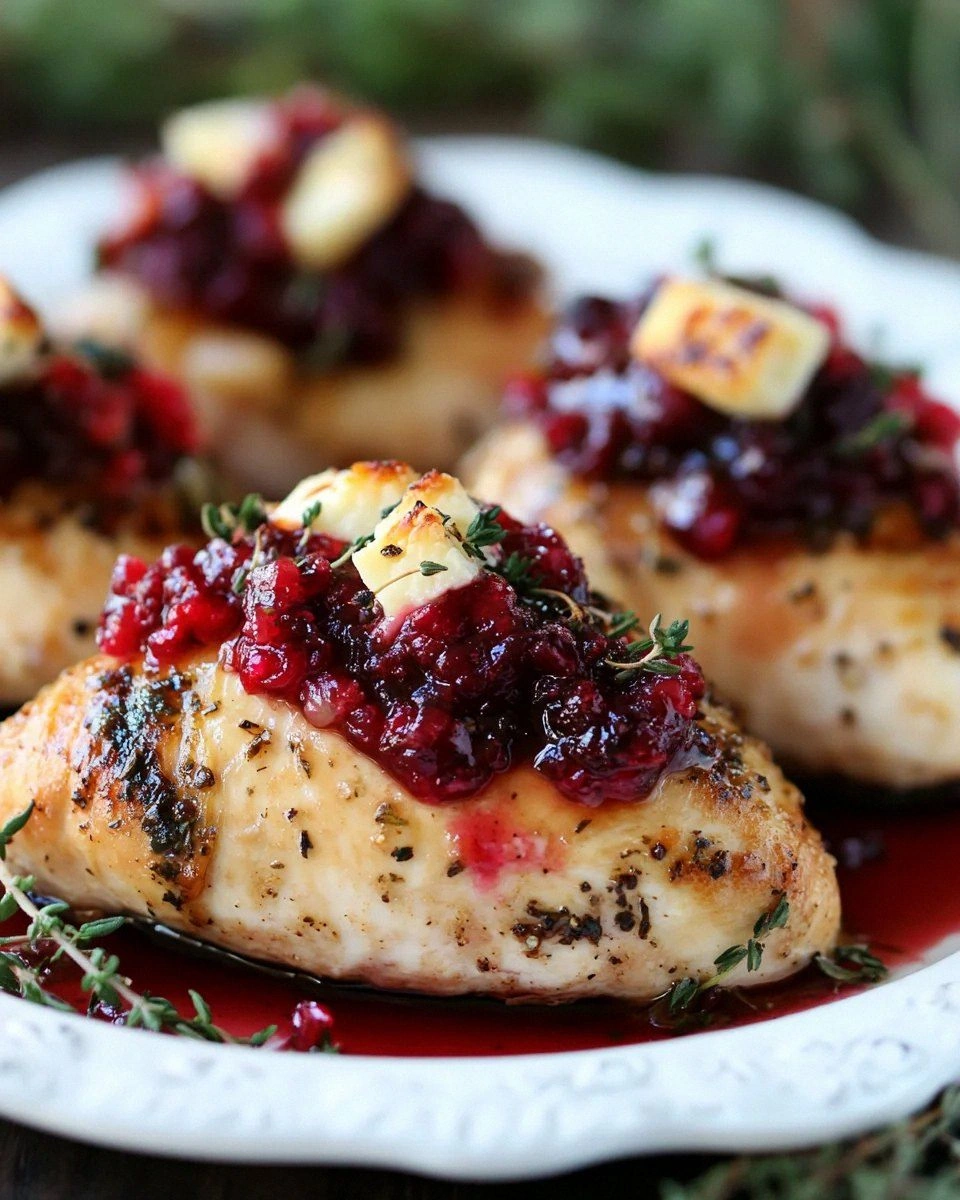
Picture this: golden-brown chicken breasts with crispy edges, sliced open to reveal a river of molten brie studded with ruby-red cranberries that burst with sweet-tart flavor. The aroma wafting through your kitchen will have neighbors knocking on your door, claiming they smell something divine. I dare you to taste this and not go back for seconds — actually, I dare you to even wait for everyone to sit down before you start picking at those crispy bits from the pan.
What makes this version different from every other stuffed chicken recipe floating around the internet? Most recipes get this completely wrong. They tell you to just slice and stuff, resulting in a mess that would make even Gordon Ramsay weep. Here's what actually works: a foolproof rolling technique that keeps every precious bit of cheese inside, a temperature trick that prevents the brie from completely melting out, and a cranberry preparation method that intensifies their flavor instead of making them taste like sad raisins.
I'll be honest — I ate half the batch before anyone else got to try it. My excuse was "quality control," but between you and me, I was just being selfish. The crispy edges that shatter like thin ice, the way the brie creates this luxurious sauce that coats the chicken like velvet, and those little pockets of cranberry that surprise your palate — it's enough to make anyone lose their manners. Picture yourself pulling this out of the oven, the whole kitchen smelling like a French bistro met a New England harvest festival, and tell me you wouldn't do the same.
What Makes This Version Stand Out
Flavor Bomb: The combination of creamy brie, tart cranberries, and savory chicken creates a perfect balance that dances on your taste buds. Unlike other recipes that just throw ingredients together, we layer flavors by reducing the cranberries slightly to concentrate their sweetness before stuffing.
No-Leak Guarantee: My rolling technique ensures zero cheese escapes during cooking. Most recipes lose half their filling, but our toothpick placement and seam positioning keep every drop of molten brie exactly where it belongs — inside your chicken.
Restaurant-Quality Results: The secret is in the searing method. We start on the stove for that gorgeous golden crust, then finish in the oven for perfectly cooked, juicy meat every single time. No more dry, sad chicken.
Make-Ahead Magic: You can prep these beauties up to 24 hours ahead, making dinner parties stress-free. The flavors actually meld together better when given time to mingle in the fridge overnight.
Impressive Presentation: When you slice into these golden parcels, the cheese flows out like liquid gold studded with ruby gems. Your dinner guests will think you're a culinary wizard, but it's really just knowing the right technique.
Ingredient Flexibility: While brie and cranberries are classic, this technique works with countless combinations. Think goat cheese and figs, blue cheese and caramelized onions, or cream cheese and herbs.
Alright, let's break down exactly what goes into this masterpiece...
Inside the Ingredient List
The Flavor Foundation
The chicken breasts need to be the right thickness — about 3/4 inch when pounded. Too thick and they won't cook evenly; too thin and they'll tear when you roll them. I always buy organic, air-chilled chicken because the texture is noticeably better and there's less moisture to interfere with that beautiful sear we're after. The brie should be ripe but not runny, with a slight give when pressed. Young brie won't melt properly, while overripe brie will completely liquefy and escape your chicken like a dairy-based prison break.
Fresh cranberries are essential here — don't even think about using dried ones. When you cook fresh cranberries, they burst and create pockets of concentrated flavor throughout the cheese. Dried cranberries just turn into sad, chewy bits that taste like stale fruit leather. The cranberries' natural pectin also helps thicken the cheese slightly, creating a sauce-like consistency that clings to the chicken instead of running all over your plate.
The Texture Enhancers
Fresh thyme brings an earthy note that bridges the gap between the rich cheese and tart fruit. Dried herbs won't cut it here — they taste dusty and one-dimensional. The garlic doesn't just add flavor; it creates these tiny flavor bombs when it caramelizes in the pan. And that touch of honey? It's not for sweetness — it's the secret to getting those gorgeous lacquered edges on your chicken that make everyone ask how you got them so shiny.
The olive oil needs to be good quality but not your best finishing oil. We're using it for the sear, so save the expensive stuff for drizzling at the end. Regular olive oil has a higher smoke point than extra-virgin, which means we can get that perfect crust without setting off smoke alarms. The butter adds flavor and helps with browning, creating those fond bits in the pan that we'll deglaze for an incredible sauce.
The Unexpected Game-Changer
Here's where we get sneaky: a splash of white wine vinegar in the cranberry mixture. Most recipes miss this entirely, but that touch of acid brightens everything and prevents the dish from becoming too rich. It's like adding a squeeze of lemon to a heavy pasta — it wakes up all the other flavors and makes them sing in harmony instead of fighting for attention.
Black pepper plays a bigger role than you'd think. Freshly cracked, it adds heat and complexity that pre-ground pepper just can't deliver. The volatile oils in fresh pepper interact with the fat in the brie, creating new flavor compounds that make the whole dish taste more sophisticated than the sum of its parts.
The Final Flourish
Sea salt flakes aren't just for show — they provide little bursts of salinity that enhance both the sweet and savory elements. The flaky texture means they don't dissolve immediately, so you get these pleasant salt surprises throughout. A pat of butter at the end enriches the pan sauce, creating a glossy finish that makes the whole dish look like it came from a professional kitchen.
Everything's prepped? Good. Let's get into the real action...
The Method — Step by Step
- Start by butterflying your chicken breasts like you're performing surgery — steady hands, sharp knife. You want to create a pocket, not slice all the way through. Think of it like opening a book; you need that spine intact. Season both sides generously with salt and pepper, then let them rest while you prep the filling. This resting time allows the salt to penetrate the meat, ensuring every bite is seasoned, not just the surface.
- Now for the fun part: in a small saucepan, combine your cranberries, honey, and thyme. Cook over medium heat until the berries start to burst and create a thick, jam-like consistency. The sound of berries popping is your audio cue — it's like nature's popcorn. This should take about 5-7 minutes, and your kitchen will start smelling like a cranberry festival. Let this mixture cool slightly; hot filling will start melting the brie before you even get it in the oven.
- While the cranberries cool, slice your slightly-firm brie into thin strips. Don't remove the rind — it helps the cheese hold together and adds earthy complexity. If you've ever wondered why restaurant stuffed chicken has such perfect cheese distribution, here's the secret: we're going to layer. Place a strip of brie in each chicken pocket, then spoon on some cranberry mixture, then another thin layer of brie. The double-cheese layer creates a molten core that stays put.
- Rolling technique time — this is where most recipes fail spectacularly. Place the stuffed chicken seam-side up and fold in the sides first, like you're wrapping a present. Then roll from the thick end, keeping it tight but not so tight that the filling squeezes out. Secure with toothpicks in an X pattern; this creates a seal that even Houdini couldn't escape. If you've ever struggled with stuffing falling out, you're not alone — and I've got the fix right here.
- Heat your skillet over medium-high until a drop of water sizzles and dances across the surface. Add the olive oil and butter — the combination gives you butter's flavor with oil's higher smoke point. When the butter stops foaming and just starts to brown, that's your cue. Carefully place the chicken rolls seam-side down first; this creates a seal that locks everything inside. That sizzle when it hits the pan? Absolute perfection.
- Brown each side for about 3-4 minutes, resisting the urge to move them around. Moving the chicken too soon tears the surface and lets cheese escape. When they're golden all over, transfer the whole skillet to a 375°F oven. This next part? Pure magic. The oven heat cooks the chicken evenly while the cheese melts into this luxurious sauce that bastes the meat from the inside.
- After 15-20 minutes (depending on thickness), check for doneness — 165°F internal temp is your target, but I always pull them at 160°F because they continue cooking while resting. The carryover cooking is real, folks. Let them rest for 5 minutes before slicing; this allows the juices to redistribute and the cheese to set slightly. If you cut too soon, you'll have a lava flow that would make Vesuvius jealous.
- While the chicken rests, make the pan sauce. Place the skillet over medium heat and add a splash of white wine to deglaze, scraping up all those beautiful browned bits. The fond (fancy word for the stuck-on bits) is pure flavor gold. Add a pat of butter and swirl until you have a glossy sauce that coats the back of a spoon. Slice the chicken thickly, arrange on plates, and drizzle with the pan sauce.
That's it — you did it. But hold on, I've got a few more tricks that'll take this to another level...
Insider Tricks for Flawless Results
The Temperature Rule Nobody Follows
Room temperature chicken is your secret weapon. Cold chicken straight from the fridge cooks unevenly — the outside gets overdone while the inside stays raw. Let your chicken sit out for 20-30 minutes before cooking. This isn't food safety heresy; professional chefs do it all the time. The difference in cooking time and evenness is dramatic. A friend tried skipping this step once — let's just say it didn't end well. She ended up with chicken that was both burnt and raw, a culinary paradox that still haunts my dreams.
Why Your Nose Knows Best
Trust your sense of smell during cooking. When the garlic in your pan sauce starts to smell nutty rather than sharp, it's perfectly caramelized. When the butter stops smelling like butter and starts smelling like toasted nuts, that's your beurre noisette moment. These aromatic cues are more reliable than timers because every stove and pan combination is different. Your nose has been trained by thousands of meals — listen to it.
The 5-Minute Rest That Changes Everything
Resting isn't optional — it's transformative. During those five minutes, the proteins relax and reabsorb their juices. Cut too soon and you're basically serving chicken jerky sitting in a puddle. But here's the kicker: tent with foil, don't wrap tightly. Wrapping steams the beautiful crust you worked so hard to achieve. A loose tent keeps it warm while maintaining that gorgeous texture.
The Toothpick Trick That Saves Dinner
Soak your toothpicks in water for 10 minutes before using. This prevents them from burning in the oven and leaving unsightly charred bits. But here's the real pro tip: count how many toothpicks you use and tell your guests. Nothing ruins a dinner party like someone chomping down on a hidden toothpick. I use colored ones specifically for this recipe — easier to spot and remove.
Creative Twists and Variations
This recipe is a playground. Here are some of my favorite ways to switch things up:
The Mediterranean Makeover
Swap brie for goat cheese, cranberries for sun-dried tomatoes, and add fresh basil and oregano. The goat cheese stays creamy but adds tangy complexity, while sun-dried tomatoes provide concentrated umami bombs. Finish with a drizzle of balsamic reduction and you'll swear you're dining on a Greek island.
The Autumn Harvest Version
Replace cranberries with diced apples sautéed in a bit of butter and cinnamon, use sharp white cheddar instead of brie, and add fresh sage. The apples soften but maintain texture, creating little pockets of autumn comfort. This version pairs beautifully with a hard apple cider.
The Spicy Southwest Adventure
Cream cheese mixed with diced jalapeños and pepper jack creates a filling that brings both heat and creaminess. Add cumin and coriander to the chicken seasoning, and serve with a cilantro-lime crema. Your taste buds will do a happy dance, and you'll wonder why you ever settled for plain stuffed chicken.
The Luxe Truffle Transformation
Use triple-cream brie mixed with truffle paste, swap cranberries for finely diced dried figs rehydrated in port wine. The earthy truffle pairs magnificently with the sweet figs, creating a restaurant-worthy dish that's surprisingly simple. Just don't tell your guests how easy it was — let them think you slaved all day.
The Low-Carb Powerhouse
Keep the brie but replace cranberries with chopped spinach and artichoke hearts. The vegetables add bulk without carbs, while the cheese provides all the richness you crave. Season with garlic powder and Italian herbs for a stuffed chicken that satisfies like comfort food but won't derail your diet.
The Breakfast-for-Dinner Delight
Filled with cream cheese, everything bagel seasoning, and smoked salmon bits, this breakfast-inspired version is outrageously good. The cream cheese stays put better than brie, and the smoked salmon adds salty sophistication. Serve with roasted breakfast potatoes for a dinner that'll have everyone asking for seconds.
Storing and Bringing It Back to Life
Fridge Storage
Store leftovers in an airtight container for up to 4 days, but here's the key: separate the chicken from any extra pan sauce. The sauce will keep the chicken from drying out, but you don't want everything swimming in liquid. Place a piece of parchment paper directly on the chicken's surface before sealing — this prevents that gross dried-out layer from forming. If you've ever struggled with this, you're not alone — and I've got the fix.
Freezer Friendly
These freeze beautifully for up to 3 months, but there's a technique. Wrap each piece individually in plastic wrap, then place in a freezer bag. This double-wrap method prevents freezer burn and lets you grab just what you need. Pro tip: label with the date and cooking instructions. Future you will thank present you when you're staring into the freezer after a long day, wondering what to make for dinner.
Best Reheating Method
Microwaving is a crime against this beautiful dish. Instead, place in a covered baking dish with a splash of chicken stock, cover with foil, and warm at 300°F for about 15 minutes. The stock creates steam that gently reheats without drying. Add a tiny splash of water before reheating — it steams back to perfection. For the pan sauce, warm it separately and pour over just before serving. This method brings back that just-cooked texture and flavor that makes leftovers feel like a treat, not a punishment.