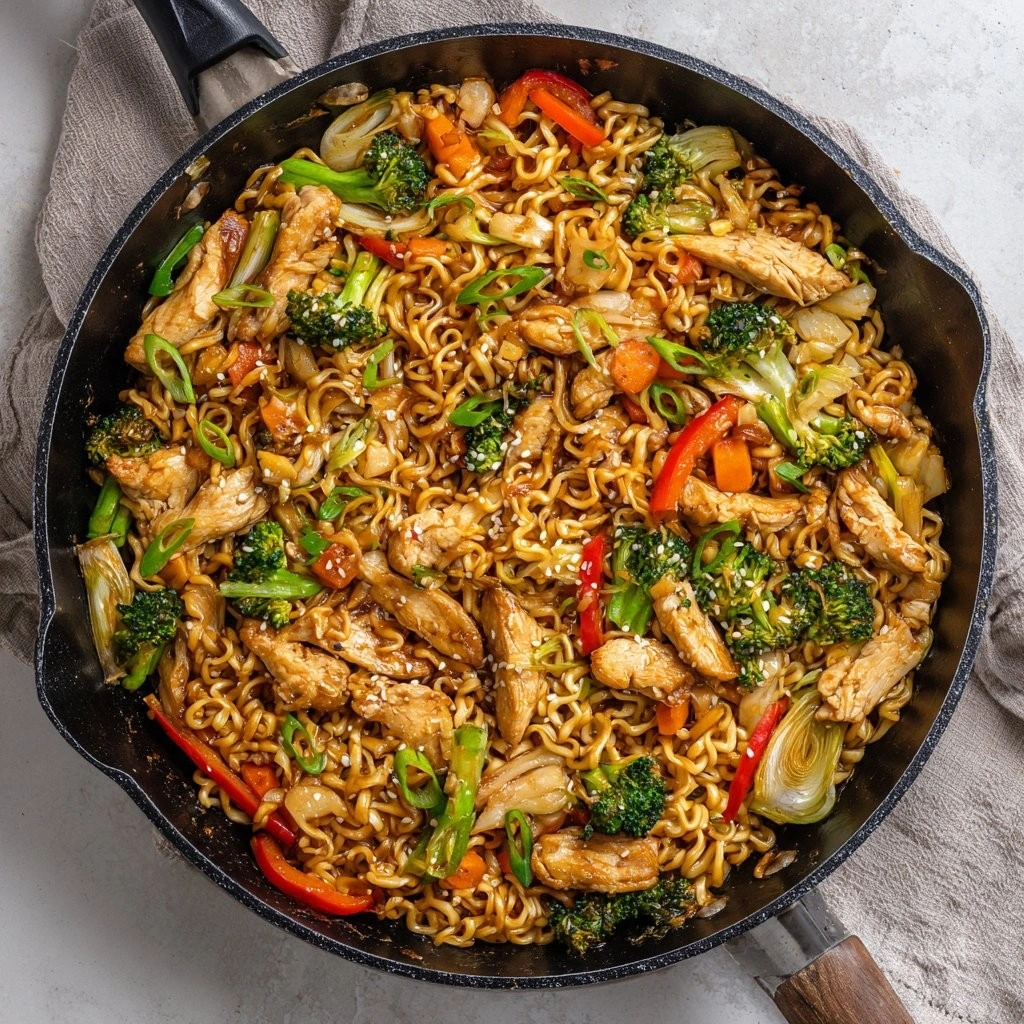
Picture this: a midnight craving, a pantry full of forgotten ramen packets, and a single chicken breast that’s been staring at you like a stubborn egg that won’t crack. I was on a mission to turn that bland, one‑size‑fits‑all bowl into a flavor bomb that could be whipped up in twenty minutes, and let me tell you, the result is nothing short of a kitchen revolution. The aroma that hits you first is that sweet, caramelized whisper of garlic and ginger, followed by the savory depth of soy and a hint of honey that laces everything together. The sound? A satisfying sizzle that tells you the pan is hot enough to turn ordinary into extraordinary. The texture is a dance of chewy ramen, crisp veggies, and succulent chicken, all coated in a glossy sauce that clings like silk. The first bite is a burst of umami, the second a gentle heat from chili flakes, and the third is a sweet‑savory finish that lingers on your palate like a well‑played chord.
I’ve tried dozens of stir‑fry ramen recipes that end up soggy or flavorless, but this version? It’s the kind of dish that makes you feel like you’ve discovered a secret weapon in your own kitchen. The sauce is thick enough to cling to noodles but light enough to let the vegetables pop. The chicken stays tender and juicy, not dry or rubbery. And the best part? It’s so fast that even the busiest of us can enjoy a gourmet‑grade meal without the usual prep time headaches. I dare you to taste this and not go back for seconds—trust me, you’ll be craving a second plate before the first even finishes.
What makes this recipe stand out from every other stir‑fried ramen out there is not just the ingredients, but the way they’re orchestrated. I’ve taken the classic “quick ramen” concept and amplified it with a sauce that has depth, a crunch that never disappears, and a finish that’s both comforting and exciting. Most recipes get this completely wrong by overcooking the noodles or under‑seasoning the sauce; here, each element is balanced like a well‑tuned orchestra. Picture yourself pulling this out of the pan, the whole kitchen smelling incredible, and knowing that you’ve just made something that even your toughest critic would applaud. This is hands down the best version you’ll ever make at home, and I’m going to walk you through every single step—by the end, you’ll wonder how you ever made it any other way.
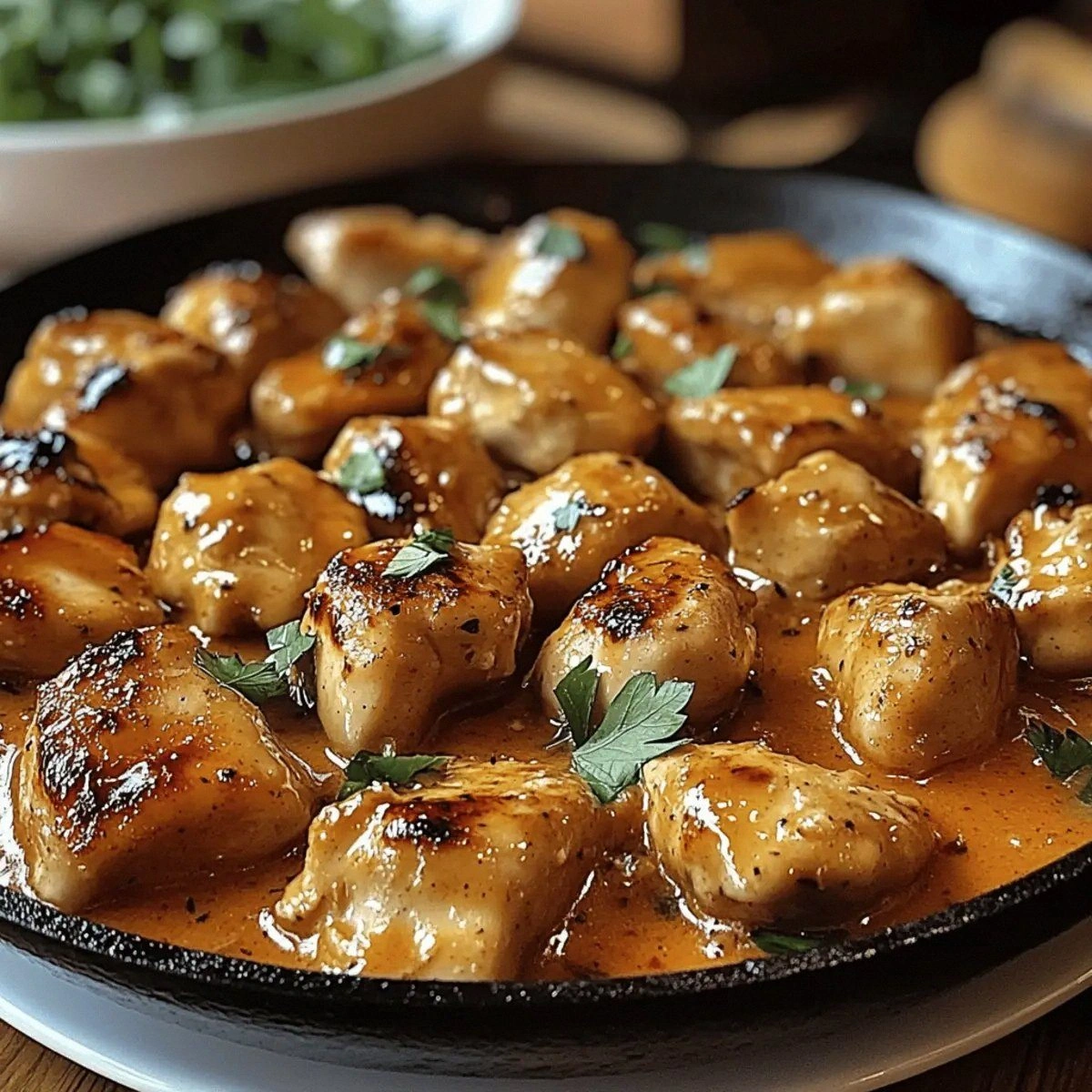
Let’s dive into the heart of the dish: the sauce. It’s a silky blend of soy, sesame oil, rice vinegar, honey, and a splash of broth, thickened slightly by the ramen noodles themselves. The sauce coats each noodle like velvet, giving a glossy sheen that’s impossible to resist. The vegetables are tossed just enough to keep their bright colors and crispness. The chicken is seared to a caramelized golden brown, locking in juices and adding a subtle nutty flavor. And the final flourish? A sprinkle of toasted sesame seeds and scallions that adds a pop of texture and a burst of fresh aroma. Ready? Let’s get cooking.
What Makes This Version Stand Out
- Flavor: The sauce is a harmonious blend of sweet, salty, and umami that coats every grain of ramen without overpowering the natural flavors of the chicken and veggies.
- Texture: The noodles remain al dente, the veggies stay crisp, and the chicken is tender—each bite delivers a satisfying contrast.
- Speed: From prep to plate, everything is done in under 30 minutes, making it ideal for weekday dinners.
- Ingredient Quality: Fresh, high‑quality produce and a good soy sauce make the difference between “good” and “great.”
- Versatility: Swap the protein or veggies, and the dish adapts beautifully to whatever you have on hand.
- Crowd‑Pleaser: The dish is colorful, aromatic, and flavorful enough to impress family and friends alike.
- Make‑Ahead Potential: The sauce can be pre‑made, and the noodles can be cooked in advance, making it a true “grab‑and‑go” meal.
- Minimal Cleanup: One pan, one pot, and a single bowl of sauce—clean‑up is a breeze.
Alright, let’s break down exactly what goes into this masterpiece…
Inside the Ingredient List
The Flavor Base
The foundation of this dish is a sauce that marries sweetness, acidity, and umami. The soy sauce provides a deep, salty backbone, while the rice vinegar cuts through the richness, giving the dish a bright, tangy finish. Honey adds a subtle sweetness that balances the heat from the chili flakes, and a splash of chicken broth loosens the sauce, allowing it to coat the noodles evenly. If you skip the broth, the sauce will be thicker and more concentrated—great for a richer taste, but it can make the dish feel heavy.
The Protein Power
Chicken breast is the star here because it cooks quickly and absorbs flavors beautifully. Dice it into bite‑size cubes so it cooks evenly and stays moist. If you’re a fan of a little extra flavor, marinate the chicken in a tablespoon of soy sauce and a pinch of pepper for 10 minutes before cooking. Skipping the marination step won’t ruin the dish, but you’ll miss out on that subtle depth that comes from pre‑seasoning the meat.
The Texture Crew
Vegetables add color, crunch, and nutritional punch. Carrots give a sweet crunch, bell pepper adds a sweet‑spicy bite, and snow peas bring a delicate snap. Scallions provide a fresh, oniony aroma, while sesame seeds add a nutty crunch. If you can’t find snow peas, green beans or broccoli florets work just as well. The key is to cut the veggies uniformly so they cook at the same rate.
The Unexpected Star
Chili flakes add a subtle heat that lingers without overwhelming the dish. A pinch of toasted sesame oil at the end of cooking boosts the nutty flavor and gives the sauce a glossy finish. If you’re heat‑averse, reduce the amount of chili flakes or omit them entirely; the dish will still be deliciously savory.
The Final Flourish
A splash of sesame oil right before serving adds a fragrant, nutty aroma that ties everything together. A handful of scallions and a sprinkle of toasted sesame seeds finish the dish with a burst of color and texture. These finishing touches are what elevate a good stir‑fry to a memorable meal.
Everything’s prepped? Good. Let’s get into the real action…
The Method — Step by Step
- Prep the sauce first. In a small bowl, whisk together soy sauce, rice vinegar, honey, sesame oil, and a splash of chicken broth. Set aside; this will be the backbone of our dish.
- Heat the skillet. Place a large non‑stick skillet over medium‑high heat. Add a splash of sesame oil and let it shimmer. The pan must be hot—if it’s not, the chicken will steam instead of sear.
- Sear the chicken. Toss the diced chicken in a pinch of pepper and salt. Add it to the skillet in a single layer. Let it sear undisturbed for 2 minutes before flipping. When the edges are golden, flip and cook for another 2 minutes.
- Introduce the aromatics. Add minced garlic and grated ginger to the pan. Sauté for 30 seconds until fragrant—watch out for burning!
- Bring in the veggies. Toss in carrots, bell pepper, and snow peas. Stir‑fry for 3 minutes until they’re just tender but still crisp.
- Unleash the sauce. Pour the prepared sauce over the chicken and veggies. Stir to coat everything evenly. Let it simmer for 2 minutes, allowing the sauce to thicken slightly.
- Cook the ramen. While the sauce simmers, bring a pot of water to a rolling boil. Add ramen noodles and cook for 2 minutes, or until they’re al dente. Drain and rinse under cold water to stop the cooking process.
- Combine noodles and stir‑fry. Add the cooked noodles to the skillet. Toss everything together until the noodles are coated in sauce and heated through. If the sauce seems too thick, add a tablespoon of water or broth.
- Finish with sesame and scallions. Sprinkle toasted sesame seeds and chopped scallions over the top. Give it one final quick toss and serve immediately.
- Serve hot. Plate the dish while it’s still steaming. The aroma will be irresistible, and the first bite will confirm you’ve hit the jackpot.
That’s it — you did it. But hold on, I've got a few more tricks that'll take this to another level. Keep reading for insider secrets that will make your next batch even more unforgettable.
Insider Tricks for Flawless Results
The Temperature Rule Nobody Follows
Many cooks think a medium heat is enough for stir‑fries, but that’s a mistake. The key is high heat to sear the chicken quickly and lock in juices. Use a cast‑iron or heavy‑bottomed skillet; it distributes heat evenly and keeps the pan hot even when you add the aromatics.
Why Your Nose Knows Best
Smell the sauce before adding it to the pan. If it smells slightly burnt or overly sweet, adjust by adding a splash of water or a pinch of salt. Your nose is the most reliable indicator of flavor balance.
The 5‑Minute Rest That Changes Everything
After you toss the noodles into the skillet, let them sit for 30 seconds before stirring. This brief rest allows the noodles to absorb the sauce evenly, creating a cohesive flavor profile. Skipping this step often leads to uneven coating.
Use Fresh Sesame Oil for Finish
Adding a teaspoon of fresh sesame oil right before serving elevates the dish with a nutty aroma that’s impossible to resist. It also gives the sauce a glossy sheen, making the dish look as good as it tastes.
Keep Your Veggies Crisp
If you’re a fan of crunchy veggies, add them in the last minute of cooking. This preserves their bright colors and snap. Overcooking them turns them into mush, which detracts from the dish’s texture.
Creative Twists and Variations
This recipe is a playground. Here are some of my favorite ways to switch things up:
Spicy Thai Twist
Swap the chili flakes for a tablespoon of Thai red curry paste and add a splash of coconut milk. The dish becomes creamy, spicy, and tropical—perfect for a summer night.
Veggie‑Heavy Delight
Omit the chicken and double the veggies. Add mushrooms, zucchini, and spinach. The sauce will still cling to everything, creating a hearty, plant‑based meal.
Protein Swap
Use shrimp or tofu instead of chicken. Shrimp cooks in 2 minutes and adds a sweet, briny flavor; tofu absorbs the sauce for a silky texture.
Asian Fusion
Add a tablespoon of hoisin sauce and a dash of Chinese five‑spice powder to the sauce. The result is a sweet, aromatic, and slightly smoky flavor profile that feels like a street‑food stall.
Low‑Carb Version
Swap ramen noodles for shirataki noodles or zucchini noodles. The dish stays low‑carb while still delivering the satisfying chew and sauce coating.
Storing and Bringing It Back to Life
Fridge Storage
Cool the dish completely before placing it in an airtight container. It stays fresh for up to 3 days in the fridge. The sauce will thicken slightly, so add a splash of water or broth before reheating.
Freezer Friendly
Store in a freezer‑safe container for up to 2 weeks. Thaw overnight in the fridge before reheating. Reheat gently on the stove, stirring frequently.
Best Reheating Method
Reheat on low heat, adding a small amount of water or broth to loosen the sauce. Stir until the dish is hot throughout. The noodles will regain their bite, and the sauce will return to its silky consistency.