I still remember the day I ruined my grandmother's shortbread recipe so spectacularly that smoke alarms went off and the neighbors came knocking. There I stood, flour-dusted and defeated, holding a tray of what looked like charcoal briquettes instead of the delicate cookies I'd promised to bring to book club. Fast forward through three more failed attempts, a frantic grocery run, and a serendipitous discovery in my spice cabinet — and I stumbled upon something even better than the original. These cardamom shortbread cookies with orange glaze aren't just cookies; they're tiny golden disks of redemption that taste like winter mornings in Stockholm and smell like you've been transported to a spice market in Marrakech.
The first time I nailed this recipe, I ate six cookies standing at my kitchen counter, still warm from the oven, glaze dripping down my fingers like sweet citrus lava. My roommate walked in, took one bite, and promptly sat on the floor because her knees literally buckled from the flavor explosion. That's when I knew I had something special — these aren't your average dry, boring shortbread that crumbles into a million disappointing crumbs. These babies melt on your tongue like butter-flavored snow, releasing this incredible perfume of cardamom that's both exotic and comfortingly familiar, while the orange glaze adds this bright, zesty punch that makes your taste buds do a happy dance.
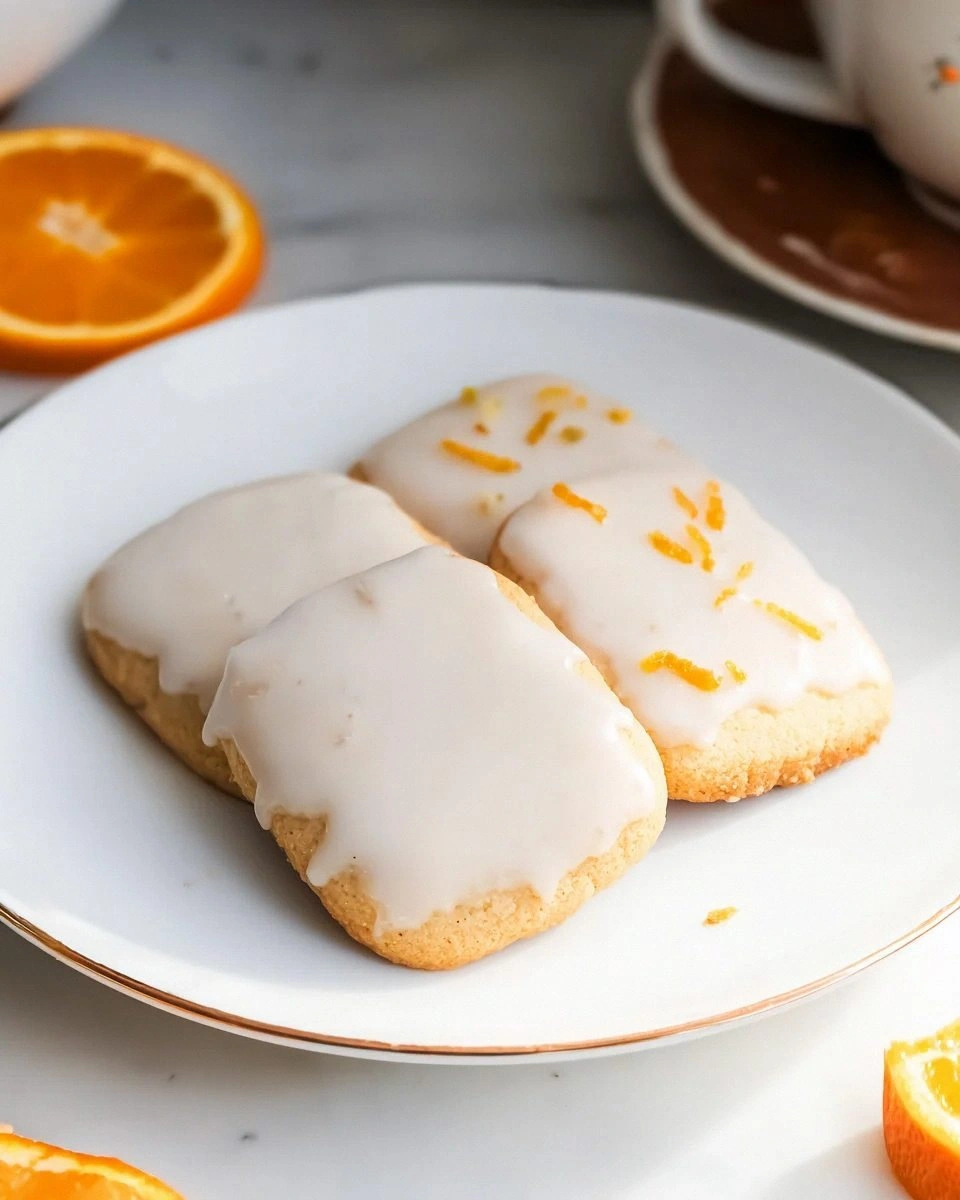
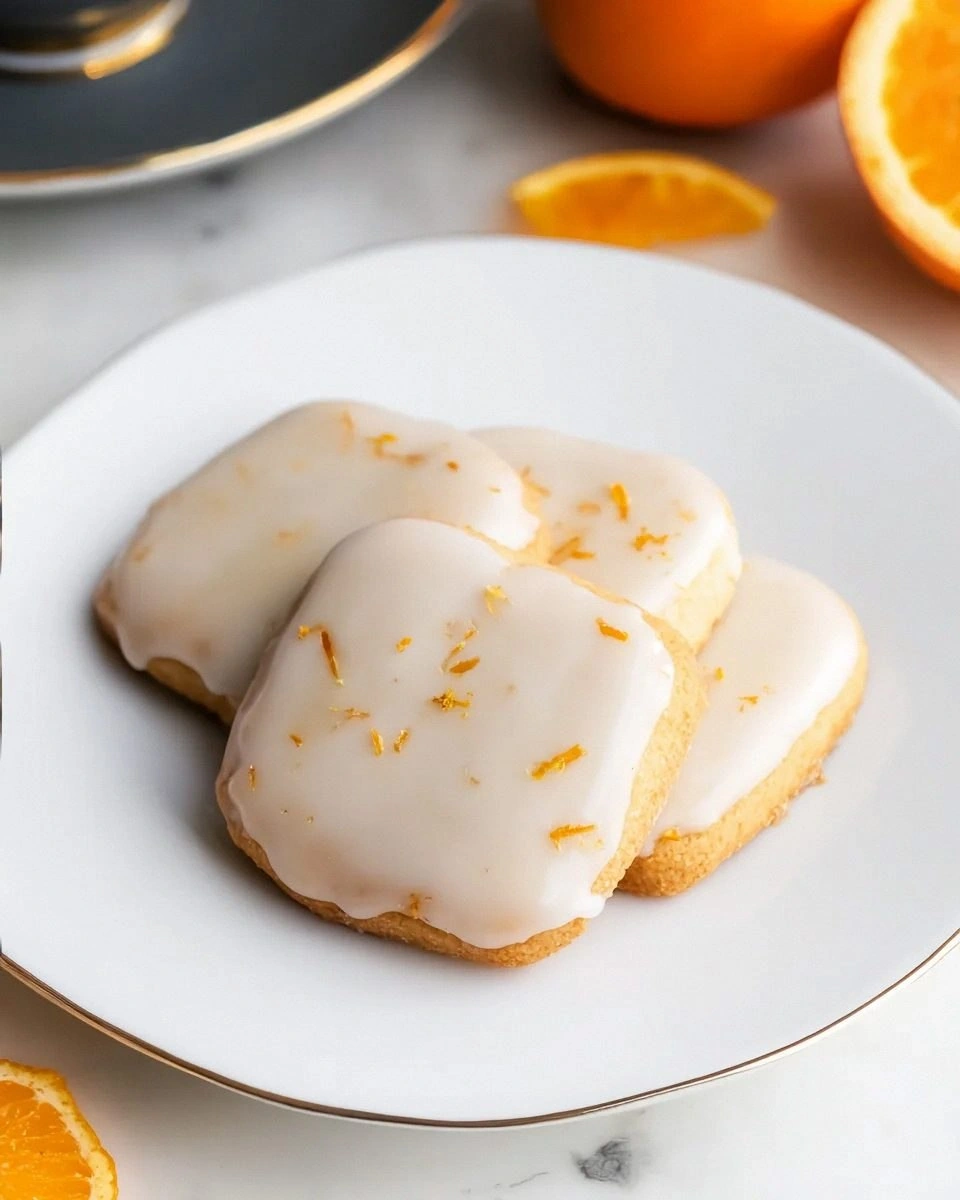
Picture yourself pulling a tray of these from the oven, the whole kitchen filling with this intoxicating aroma that makes you close your eyes and inhale deeply like you're in some fancy perfume commercial. The cookies emerge golden at the edges, pale and tender in the centers, looking deceptively simple until you drizzle on that glossy orange glaze that sets into a crackly crown of citrus perfection. I dare you to taste one and not immediately reach for seconds — actually, I double-dog dare you, because I have yet to meet a single person who can resist these once they've had a bite.
What makes this version absolutely killer isn't just the flavor combo (though that's pretty spectacular), but the technique I've perfected through what feels like a thousand batches. Most shortbread recipes get the butter ratio completely wrong, leaving you with either greasy hockey pucks or dry, sandy disappointments. This next part? Pure magic. Let me walk you through every single step — by the end, you'll wonder how you ever made it any other way.
What Makes This Version Stand Out
Butter-Forward: I use an almost obscene amount of high-quality European butter — we're talking 100% butter, no shortening fillers. This creates those signature shortbread edges that shatter like thin ice when you bite into them, releasing waves of rich, nutty flavor that cheaper cookies can only dream about.
Fresh Cardamom: Forget that dusty jar that's been sitting in your spice rack since 2019. I grind whole green cardamom pods right before baking, releasing oils so fragrant you'll want to bottle the smell. The difference between pre-ground and fresh is like comparing a live orchestra to a kazoo — night and day, my friends.
Orange Zest Science: Most recipes add orange flavor to the dough, which gets muted during baking. Instead, I pack all that citrus punch into the glaze, where it stays bright and alive. The glaze sets into a thin, crackly shell that pops with every bite, like a citrus firework in your mouth.
No-Chill Method: Traditional shortbread needs hours of chilling, but I've tweaked the ratios so you can go from zero to cookies in under an hour. The secret? A touch of cornstarch that prevents spreading while keeping things tender. Your future self will thank you during midnight cookie emergencies.
Make-Ahead Magic: The dough keeps beautifully in the freezer for up to three months. I always have a log stashed away for surprise guests or those "I've had the worst day and deserve something amazing" moments. Slice, bake, glaze — homemade comfort in fifteen minutes flat.
Crowd Psychology: These cookies disappear at an alarming rate. I've watched grown adults hide them in napkins, lie about how many they've eaten, and literally run across rooms to grab the last one. They're conversation starters too — everyone wants to know your secret ingredient.
Texture Perfection: Through extensive "research" (eating my weight in cookies), I've discovered the exact bake time that creates that dreamy contrast: crispy, golden edges giving way to a tender, almost creamy center that melts on your tongue like butterscotch.
Holiday Chameleon: While they shine during winter holidays, these aren't just Christmas cookies. Swap the orange for lemon in spring, lime in summer, or blood orange for Valentine's Day. They're basically the little black dress of your cookie repertoire — always appropriate, always stunning.
Alright, let's break down exactly what goes into this masterpiece...
Inside the Ingredient List
The Flavor Base
European-style butter is non-negotiable here — I'm talking about butter with 82% fat content minimum, the kind that costs more but tastes like dairy gold. Regular American butter has too much water, which creates steam and makes your cookies spread into sad, flat puddles. The higher fat content creates those coveted crispy edges while keeping the centers tender and rich, like eating butter-flavored clouds. When creamed properly with sugar, this butter traps air that expands in the oven, creating the delicate, sandy texture that makes shortbread legendary. Skip this and you might as well make sugar cookies, because you've just destroyed the entire point of shortbread.
Dark brown sugar might seem like an odd choice for traditional shortbread, but it adds this subtle molasses note that plays beautifully with cardamom's citrusy, minty undertones. The extra moisture keeps things tender, while the deeper flavor prevents these from tasting like sweet butter discs — because nobody wants that. Light brown works in a pinch, but dark brown is what takes these from "nice cookies" to "oh my god, what did you put in these?" territory. Don't even think about using white sugar exclusively; your cookies will be one-dimensional and boring, like listening to a symphony with only the violins.
The Texture Crew
Cornstarch is my secret weapon for creating that distinctive shortbread crumble without the traditional chill time. It interferes with gluten development just enough to keep things tender, while absorbing excess moisture that would otherwise make your cookies tough. A tablespoon per cup of flour is the sweet spot — too much and your cookies taste chalky, too little and you lose that signature texture. This is the difference between bakery-quality cookies and something that tastes like you bought it at a gas station. Trust me, I've tested the entire spectrum of cornstarch ratios so you don't have to.
Cake flour creates a more tender crumb than all-purpose because it has less protein, meaning less gluten development. You can use all-purpose in a desperate cookie emergency, but cake flour makes these cookies so delicate they practically dissolve on your tongue like cotton candy. The lower protein content also means they stay tender for days, not that they'll last that long. If you only have all-purpose, swap two tablespoons per cup with cornstarch to approximate cake flour's magic — it's not perfect, but it'll save your cookie reputation.
The Unexpected Star
Fresh cardamom is where this recipe transforms from good to absolutely transcendent. Those little green pods contain tiny black seeds packed with volatile oils that smell like lemon, mint, and pepper had a beautiful baby. Pre-ground cardamom loses these oils within hours, leaving you with dusty-tasting cookies that scream "I gave up on life." One teaspoon of fresh-ground cardamom has more flavor than an entire jar of the pre-ground stuff — it's like comparing fresh basil to dried flakes. The floral, almost eucalyptus-like notes pair with butter like they were destined to be together since the dawn of time.
If you've never worked with whole cardamom, prepare to have your mind blown. Crack open a pod with your thumbnail and inhale — it's like aromatherapy but better because it leads to cookies. The seeds grind into a powder that's slightly sticky from the essential oils, proof that you're dealing with something alive and vibrant. This isn't just about flavor; it's about creating an experience that transports you somewhere exotic with every bite. Your kitchen will smell so incredible that your neighbors might start dropping by with sudden cookie cravings.
The Final Flourish
Powdered sugar in the glaze isn't just about sweetness — it's about creating that perfect, paper-thin coating that shatters delicately when you bite into it. The cornstarch in commercial powdered sugar helps the glaze set properly, creating that professional bakery finish that makes people think you're secretly a pastry chef. Sift it twice for the smoothest glaze, because nobody wants to bite into a sugar lump that ruins the whole experience. The glaze should be thin enough to drizzle but thick enough to coat the back of a spoon — like heavy cream but prettier and more delicious.
Orange zest adds those essential oils that live in the colored part of the peel, not the bitter white pith underneath. Microplane is your best friend here — it creates feathery zest that incorporates seamlessly into the glaze. One orange yields about a tablespoon of zest, but I always zest two because I inevitably eat half the glaze with a spoon while the cookies cool. The zest adds tiny bursts of citrus that make your tongue tingle, like edible confetti that makes everything more festive and alive.
Everything's prepped? Good. Let's get into the real action...
The Method — Step by Step
- Start with butter that's cool but pliable — think the texture of play-doh left out for twenty minutes. Too cold and it won't cream properly, too warm and your cookies will spread like they're trying to escape the pan. Cut it into tablespoon-sized pieces so it incorporates evenly with the sugar. This isn't just busy work; properly creamed butter is what creates those tender, melt-in-your-mouth centers that make people close their eyes when they bite in. The sugar crystals cut through the butter, creating thousands of tiny air pockets that expand in the oven, giving you lift without chemical leaveners.
- Add the brown sugar and beat for exactly three minutes on medium-high speed. Set a timer because over-beating incorporates too much air, creating cookies that rise and then collapse into sad, wrinkly discs. You're looking for a mixture that's pale, fluffy, and smells like caramel corn at the fair. Scrape down the bowl twice during this process because unmixed butter pockets create greasy spots that burn before the rest bakes through. This is the foundation of your entire cookie — rush it and you might as well throw everything in the trash now.
- Time for the cardamom — fresh-ground if you're living your best life, good quality pre-ground if you're human and sometimes buy groceries while hungry. Add it with the salt so the flavors distribute evenly throughout the dough. The aroma should hit you immediately, making you think of Indian chai and Scandinavian bakeries and somewhere exotic you've always wanted to visit. Mix just until combined because over-mixing develops gluten, creating tough cookies that taste like you're eating cardboard flavored with regret.
- Combine the flour and cornstarch in a separate bowl first — this prevents cornstarch lumps that taste like chalky surprises. Add this mixture in three additions, mixing just until the last streak of flour disappears. The dough will look crumbly and too dry, like it could never possibly become cookies, but resist the urge to add liquid. Trust the process here; when you turn it out onto plastic wrap, it magically comes together with the heat from your hands, creating a dough that's both tender and cohesive.
- Turn the dough out onto a sheet of plastic wrap and press it together with the heel of your hand. Don't knead like bread dough — just coax it into a cohesive mass that holds together when squeezed. Shape it into a log about two inches in diameter, rolling it back and forth to smooth the surface. The plastic wrap prevents sticking and lets you roll without adding extra flour, which would make your cookies tough and sad. Twist the ends like a giant Tootsie Roll and refrigerate for exactly thirty minutes while you preheat the oven and make your glaze.
- Preheat your oven to 325°F — not 350°F like every other cookie recipe demands. Lower and slower is the secret to shortbread that cooks through without browning too much on the bottom. Line your baking sheet with parchment because these babies will stick like they're trying to fuse with the metal, creating a mess that requires chiseling and bad language. The parchment also helps the bottoms stay pale and tender, not brown and crispy like you're making biscotti.
- Slice the chilled dough into quarter-inch rounds using a sharp knife, rotating the log as you go to prevent squashing. If the dough cracks, just press it back together — shortbread is forgiving like that. Arrange them two inches apart because they spread slightly, not like chocolate chip cookies on steroids, but enough that they need personal space. The raw cookies should look like pale, delicate coins that promise to transform into golden perfection.
- Bake for eighteen to twenty minutes, but start checking at fifteen because every oven is a unique snowflake with its own personality. You're looking for edges that are just starting to turn golden, like they've been kissed by the sun rather than slapped by it. The centers will look pale and underbaked — this is perfect, not a problem. They continue cooking from residual heat after you pull them out, so pulling them when they look done means you'll have overbaked, dry disappointment instead of tender, buttery bliss.
- While the cookies cool on the baking sheet (they're too fragile to move while warm), whisk together the glaze ingredients. The powdered sugar should dissolve completely, creating a smooth, glossy mixture that ribbons off the spoon like liquid silk. Add orange zest last so the oils stay vibrant and don't get beaten into submission. The glaze should be thin enough to drizzle but thick enough to coat the back of a spoon — like heavy cream but infinitely more delicious and exciting.
- Transfer the cookies to a wire rack after ten minutes, using a thin spatula because they'll still be delicate and warm. Once completely cool — and this requires patience I don't naturally possess — drizzle the glaze in a zigzag pattern across the tops. The glaze sets into a crackly shell that adds sweetness and citrus brightness without overwhelming the buttery, cardamom-scented cookie underneath. Store them in an airtight container if you somehow have willpower of steel, but honestly, they're best eaten within three days when they're at peak deliciousness.
That's it — you did it. But hold on, I've got a few more tricks that'll take this to another level...
Insider Tricks for Flawless Results
The Temperature Rule Nobody Follows
Room temperature ingredients aren't just baking snobbery — they're the difference between cookies that look like they came from a French bakery versus something a child made while unsupervised. Cold butter won't incorporate air properly, leading to dense, greasy pucks that taste like eating pure fat with sugar. But here's the kicker — too-warm butter creates cookies that spread into thin, lacey discs that shatter when you breathe on them. The sweet spot is butter that yields slightly when pressed but still feels cool, around 65°F if you're the type who owns an instant-read thermometer. Press your finger into the butter — it should leave an impression but not feel greasy or start melting on contact.
Why Your Nose Knows Best
Don't trust your timer alone — trust your nose when it comes to perfect doneness. When these cookies are perfectly baked, your kitchen fills with this incredible aroma that smells like butter and caramel and something exotic you can't quite name. It's subtle, not the obvious "chocolate chip cookies are done" smell, more like a whisper that makes you turn your head and inhale deeper. This usually happens about two minutes before they're technically done, so when you catch that first heavenly whiff, start checking the edges for color. I've saved more batches from over-baking by following my nose than any timer could manage.
The 5-Minute Rest That Changes Everything
After mixing the dough, let it rest for five minutes before shaping. This gives the flour time to fully hydrate, creating a more cohesive dough that's easier to work with and bakes up more tender. It's like the difference between trying to have a serious conversation with someone who's just woken up versus after they've had coffee — everything goes more smoothly when everyone's had a moment to prepare. During this rest, the butter firms up slightly too, making the dough less sticky and easier to roll into a perfect log. Skip this step and you'll fight with crumbly dough that cracks when you slice it, leading to misshapen cookies that look like they were made by someone having a small breakdown.
The Zesting Technique That Makes a Difference
When zesting oranges for the glaze, use a light touch and rotate the fruit as you go — you're after the colored part only, not the bitter white pith underneath. The best zest comes from firm, heavy oranges with smooth skin, not the puffy, lightweight ones that feel like they're filled with air. Zest directly onto parchment paper or a plate, not into the bowl with other ingredients, so you can pick out any bits of pith you accidentally catch. The oils in citrus zest start dissipating immediately, so zest your oranges right before using them for maximum flavor impact. Your glaze will taste brighter and more alive than if you zest ahead of time and let it sit around losing its magic.
Creative Twists and Variations
This recipe is a playground. Here are some of my favorite ways to switch things up:
Lemon-Lavender Dreams
Swap the orange zest for lemon and add a whisper of culinary lavender — just half a teaspoon, ground with the sugar, so it distributes evenly without creating purple flecks that look like someone sneezed on your cookies. The lemon keeps things bright and sunny while the lavender adds this sophisticated floral note that makes people think you spent way more time on these than you actually did. They're perfect for spring tea parties or when you want to feel fancy while eating cookies in your pajamas.
Chocolate Orange Indulgence
Add two tablespoons of Dutch-processed cocoa powder to the flour mixture and increase the butter by two tablespoons to compensate for the drying effect of cocoa. The result tastes like those fancy chocolate-orange candies but in cookie form, with the cardamom adding an unexpected warmth that makes people ask "what is that amazing flavor?" Dip half of each cooled cookie in melted dark chocolate for extra decadence that turns these into proper adult cookies worthy of serving with espresso after dinner.
Coconut Cardamom Paradise
Replace a quarter cup of flour with unsweetened shredded coconut and add a teaspoon of coconut extract to the dough. The coconut toasts during baking, creating little golden flecks that add texture and tropical flavor that transports you straight to a beach somewhere warm. Use lime zest in the glaze instead of orange for a key lime pie vibe that makes these perfect for summer potlucks and days when you need to eat cookies but pretend you're being healthy because coconut grows on trees.
Salted Caramel Swirl
Drizzle the cooled cookies with homemade caramel sauce (or the good jarred stuff if you're not trying to win baking competitions) and finish with flaky sea salt. The sweet-salty combination makes these completely addictive, like potato chips but classier and more socially acceptable to eat by the handful. The caramel adds richness while the salt intensifies all the other flavors, creating cookies that taste like they came from a boutique bakery that charges five dollars per cookie.
Spice Market Adventure
Add a pinch each of ground black pepper and coriander seeds ground with the cardamom. Sounds weird, tastes incredible — the pepper adds subtle heat while the coriander contributes citrusy notes that amplify the orange glaze. These are conversation starters that separate the adventurous eaters from the picky ones, perfect for dinner parties where you want to identify your fellow food lovers.
Holiday Cranberry Bliss
Fold in half a cup of dried cranberries when you add the flour, and use orange liqueur instead of juice in the glaze. The cranberries add tangy pops of flavor and gorgeous ruby flecks that make these look like Christmas ornaments you can eat. They're my go-to for holiday cookie exchanges because they travel well and taste like the holidays without being another boring gingerbread variation.
Storing and Bringing It Back to Life
Fridge Storage
These cookies keep beautifully in an airtight container at room temperature for up to five days, though honestly they've never lasted longer than three in my house. Layer them between sheets of parchment paper if you're stacking them, because the glaze can get slightly sticky in humid weather and nobody wants cookie Jenga when they're trying to sneak a midnight snack. The flavor actually improves on day two as the cardamom mellows and mingles with the butter, creating this harmonious taste that's even better than fresh-baked. If your kitchen runs warm, store them in the fridge but let them come to room temperature before serving — cold butter equals waxy texture, and we didn't go through all this trouble for mediocre cookies.
Freezer Friendly
The dough freezes like a dream for up to three months — shape it into a log, wrap it in plastic wrap, then pop it into a freezer bag with the baking instructions written on the outside in Sharpie. When the cookie craving hits, slice it while still frozen and bake straight from the freezer, adding two extra minutes to the bake time. You can also freeze already-baked cookies, but freeze them unglazed and add fresh glaze after thawing for maximum impact. Thaw frozen cookies on the counter for thirty minutes, or if you're impatient like me, microwave them for eight seconds — not ten, eight — to recreate that fresh-baked magic without turning them into rubber.
Best Reheating Method
If your cookies have gone slightly soft (humidity is the enemy of crisp cookies), revive them in a 300°F oven for five minutes. Let them cool completely before glazing, because warm cookies plus glaze equals a melty mess that looks like abstract art gone wrong. For cookies that have been frozen, skip the microwave and go straight to the oven — ten minutes at 300°F brings them back to life better than anything else I've tried. Add a tiny splash of water to the glaze if it's thickened up during storage, whisking until it's back to drizzling consistency that coats the spoon like liquid velvet.