Last night, I was scrambling in my kitchen after a disastrous attempt at a classic French onion soup. I had sliced the onions so thin they turned into translucent ghosts before they could even caramelize. My friends were staring, amused and slightly concerned, as I tried to salvage the dish with a hastily tossed cheese and a crumbled crust. The result? A sad, soggy mess that tasted like burnt sugar and regret. I swore then and there that I would never let this happen again.
That night, I found myself staring at the pantry, feeling the familiar tug of that culinary itch. The scent of onions was already a promise of something sweet and savory, and the sight of a pristine 9‑inch pie crust felt like a blank canvas begging for a masterpiece. I imagined the soft, buttery crust meeting the golden‑brown caramelized onions, each bite a burst of umami that would make the air itself hum with anticipation. The sound of onions sizzling, the crackle of butter, and the faint clink of a ladle against a saucepan were the soundtrack to this culinary rebirth. It was the moment I decided to create the ultimate caramelized onion and Gruyère tart.
What makes this version stand out is simple: it turns a humble onion into a star and Gruyère into velvet‑smooth royalty. The crust is crisp yet tender, the onions are caramelized to a deep, almost caramel‑like sweetness, and the cheese melts into a glossy, golden custard that coats the filling like a silk cape. I dared you to taste this and not go back for seconds, and I guarantee you will be left craving the next bite. The combination of fresh thyme and a subtle pinch of salt elevates the dish from ordinary to extraordinary, making it hands down the best version you'll ever make at home.
Most recipes get this completely wrong by over‑sautéing the onions or using a low‑quality cheese that doesn’t melt. I discovered that a slow, low‑heat caramelization preserves the onion’s natural sugars and develops a depth of flavor that is impossible to replicate with a quick sauté. The secret ingredient? A splash of heavy cream that is folded in just before baking, creating a custard that is both airy and rich. That final step, the gentle folding of cream, is the magic that turns the tart into a showstopper.
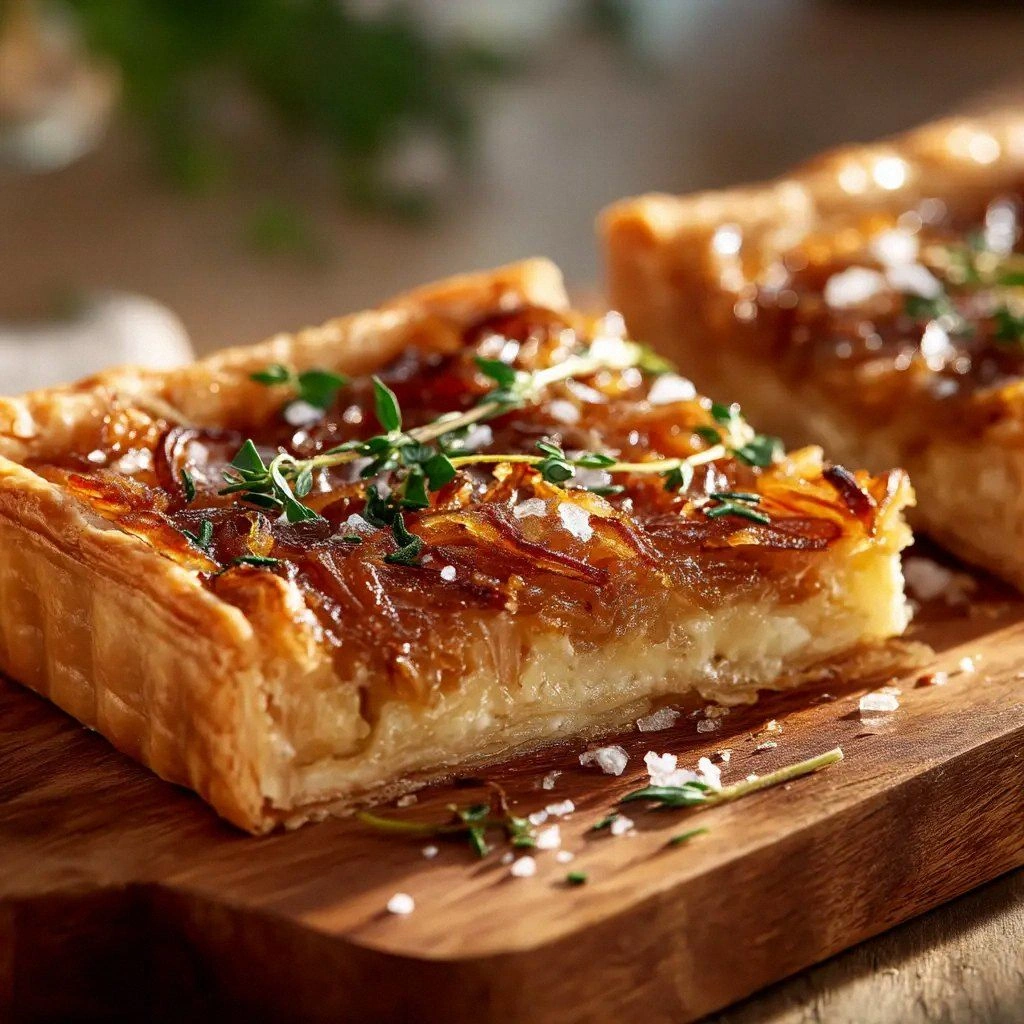
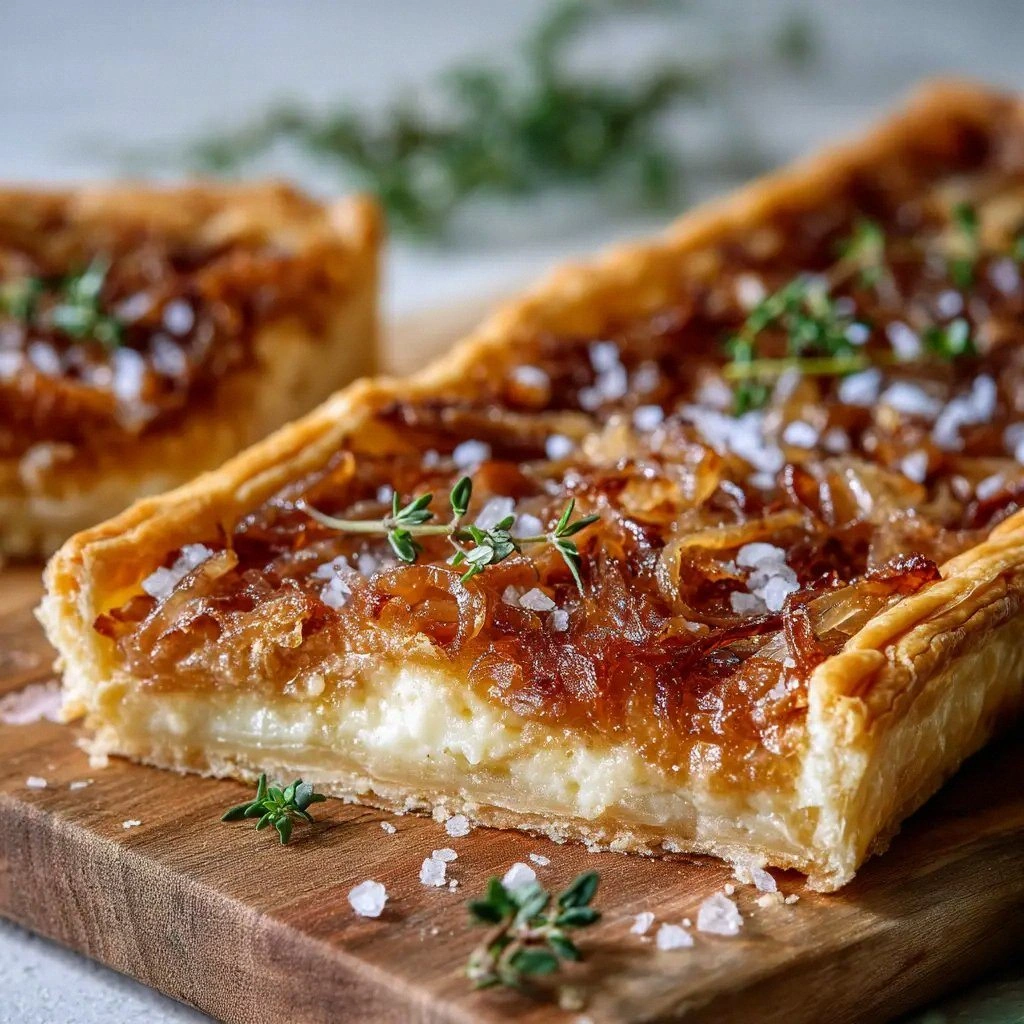
Picture yourself pulling this out of the oven, the whole kitchen smelling incredible, a golden crust glistening with a glossy sheen, and a slice that falls apart with a satisfying crack. The aroma of caramelized onions and melted Gruyère will have you feeling like you’re in a French patisserie, but you’re right here in your own kitchen. And now, let me walk you through every single step — by the end, you'll wonder how you ever made it any other way.
What Makes This Version Stand Out
- Caramelization: Slow, low‑heat caramelization releases the onions' natural sugars, creating a deep, almost caramel‑like sweetness that balances the sharpness of Gruyère. It’s the difference between a bland and a sensational tart.
- Cheese Choice: Gruyère melts into a silky custard, offering nutty undertones that elevate the dish. A lower‑quality cheese would result in a chalky texture and a flat flavor profile.
- Texture: The crust is baked to a crisp, buttery edge while remaining tender inside, providing a satisfying contrast to the gooey filling. This duality is a hallmark of a well‑balanced tart.
- Flavor Layering: Fresh thyme and a subtle pinch of salt work in tandem to lift the onions’ natural sweetness, creating a harmonious flavor profile that’s more complex than a single‑ingredient dish.
- Ease of Preparation: Despite its gourmet appearance, the recipe is straightforward, requiring only a few hands‑on minutes and no advanced techniques.
- Make‑Ahead Friendly: The tart can be assembled a day ahead and baked when ready, making it perfect for entertaining or a quick weeknight dinner.
- Versatility: Serve it as an elegant appetizer, a hearty lunch, or a comforting dinner. It pairs beautifully with a crisp white wine or a light salad.
- Visual Appeal: The golden crust and glossy filling make for Instagram‑worthy plating that will impress guests and satisfy your inner food photographer.
Inside the Ingredient List
The Flavor Base
The onions are the heart of this tart, and their quality directly influences the final taste. Use large, sweet yellow onions for the best caramelization; they have a higher sugar content, which yields a richer, deeper flavor. If you can’t find yellow onions, red onions will work, but they’ll add a slightly sharper bite that can be balanced with a pinch of sugar.
When selecting onions, look for firm, unblemished skins and avoid any that feel soft or have sprouting green tops. The onions should be sliced thinly into 1/8‑inch rounds to allow even cooking. A quick trick: after slicing, rinse the onions under cold water to remove excess starch, then pat them dry with a clean towel. This step ensures they caramelize smoothly rather than steam.
Skipping onions would turn this into a plain cheese tart, losing the sweet, savory backbone that makes it memorable. If you’re experimenting, you could add a splash of balsamic vinegar during the caramelization to introduce a subtle tang that complements the Gruyère’s nuttiness.
The Texture Crew
The 9‑inch pie crust is the canvas that holds everything together. A pre‑baked crust ensures a crisp base that doesn’t become soggy from the filling’s moisture. If you’re baking from scratch, roll the dough to an even thickness and blind‑bake for 5 minutes before adding the filling.
Butter and olive oil work in tandem to create a rich, flavorful base for the onions. Butter adds depth and a creamy mouthfeel, while olive oil introduces a subtle fruitiness. Together, they create a golden, caramelized surface that’s both aromatic and visually appealing.
Skipping the butter would reduce the richness of the caramelization, resulting in a less luscious filling. If you’re dairy‑free, substitute the butter with a plant‑based butter that has a high smoke point to maintain flavor integrity.
The Unexpected Star
Gruyère cheese is the star that brings everything together. Its nutty, slightly sweet flavor profile is a natural match for caramelized onions. When grated finely, the cheese melts into a silky custard that coats the filling like velvet.
Choosing a high‑quality, aged Gruyère is essential; a fresh, low‑quality cheese will not melt evenly and will leave a chalky residue. If you can’t find Gruyère, a mix of Gruyère and Emmental works well, but the flavor profile will shift slightly toward a milder, more buttery note.
Skipping cheese would transform the tart into a plain caramelized onion pie, losing the luxurious, melty texture that defines this dish. If you’re looking for a different flavor, consider adding a sprinkle of smoked paprika or a dash of truffle oil for an extra layer of complexity.
The Final Flourish
The eggs and heavy cream create a custard that binds the onions and cheese together, giving the tart a silky, custardy consistency. The eggs provide structure, while the cream adds richness and a velvety mouthfeel. Together, they create a filling that is both light and indulgent.
Fresh thyme adds a burst of herbal brightness, cutting through the richness and adding a fragrant note that elevates the dish. A single teaspoon is enough to impart a noticeable flavor without overpowering the onions.
Salt and pepper are the unsung heroes that bring all flavors together. Even a half teaspoon of salt can dramatically enhance the sweetness of the onions and the nuttiness of the cheese. A quarter teaspoon of black pepper adds a gentle heat that balances the richness.
Everything's prepped? Good. Let's get into the real action...
The Method — Step by Step
- Preheat the oven to 375°F (190°C). Place a baking sheet in the middle rack to heat. This ensures even heat distribution for the crust. The oven should be fully preheated before you start the caramelization to lock in moisture. Keep an eye on the temperature gauge if your oven has one; a slight dip can affect the crust’s crispness.
- Prepare the onions. Peel and thinly slice the onions into 1/8‑inch rounds. Toss them with a pinch of salt to help draw out moisture and enhance sweetness. Pat them dry with a clean towel; excess water will steam rather than caramelize. This step is crucial for achieving that deep, caramelized color.
- Start the caramelization. Heat the olive oil and butter in a large skillet over medium‑low heat. Once the butter melts, add the onions and stir to coat. Allow the onions to cook slowly, stirring every few minutes. They should release their juices and begin to brown gradually, not brown all at once.
- Stir in thyme and salt. Add the fresh thyme leaves and the half teaspoon of salt. The thyme releases its oils, giving the onions a fragrant, herbal undertone. Stir to distribute the thyme evenly, ensuring every slice gets a touch of that bright flavor.
- Continue cooking. Keep the onions on low heat, stirring frequently. As they brown, they’ll release more sugars and develop a deep amber hue. This slow process is where the flavor intensifies; rushing it will result in a bitter, under‑caramelized result.
- Finish caramelization. Once the onions are a rich golden brown, remove the skillet from heat. The onions should smell toasty and sweet, with a hint of butter. This is the moment of truth; the aroma alone will have you craving a bite.
- Prepare the custard. In a medium bowl, whisk together the eggs, heavy cream, and grated Gruyère until smooth. The mixture should be glossy and free of lumps. This custard will coat the onions and crust, creating a silky, cohesive filling.
- Assemble the tart. Place the pre‑baked crust onto a parchment‑lined baking sheet. Spoon the caramelized onions evenly across the crust, then pour the custard mixture over them. The custard should pool slightly around the onions, creating a luscious, golden surface.
- Bake the tart. Place the assembled tart in the preheated oven and bake for 25–30 minutes. The filling should puff slightly and set, while the crust turns a beautiful golden brown. Keep an eye on the edges; they should start to pull away from the bottom of the pan.
- Cool and serve. Remove the tart from the oven and let it cool for 10 minutes on a wire rack. This resting period allows the custard to set fully, making slicing easier. Serve warm, perhaps with a side of mixed greens or a light vinaigrette for balance.
That's it — you did it. But hold on, I've got a few more tricks that'll take this to another level...
Insider Tricks for Flawless Results
The Temperature Rule Nobody Follows
Many bakers think a higher oven temperature is always better for a crisp crust. In reality, a moderate 375°F (190°C) allows the crust to bake evenly without burning the caramelized onions. The gentle heat ensures the custard sets smoothly, preventing a runny bottom. I’ve tried 425°F and the crust became too brown before the filling set.
Why Your Nose Knows Best
As soon as the onions hit the pan, a sweet, buttery aroma will fill the kitchen. Trust that scent; it indicates the onions are in the right caramelization zone. If the smell is more metallic or burnt, reduce the heat and give them more time. Your nose is a reliable flavor guide.
The 5‑Minute Rest That Changes Everything
After removing the tart from the oven, let it rest for exactly five minutes before slicing. During this short pause, the custard continues to set, and the flavors meld. Skipping this step often results in a wobbly, difficult-to‑cut tart that feels more like a custard than a pie.
Use a Parchment‑Lined Sheet for Easy Transfer
Line your baking sheet with parchment paper before placing the crust. This prevents sticking and makes transferring the tart to the plate a breeze. A parchment paper also helps maintain the crust’s crispness by preventing moisture from seeping in from the pan.
Don’t Skimp on the Thyme
Fresh thyme adds a bright, herbal note that cuts through the richness of the custard. If you’re missing thyme, a pinch of dried thyme can work, but fresh leaves are the gold standard. I’ve found that thyme’s subtle bitterness balances the sweetness of the onions perfectly.
Creative Twists and Variations
This recipe is a playground. Here are some of my favorite ways to switch things up:
Smoky Chipotle Gruyère
Add a tablespoon of chipotle in adobo sauce to the custard mixture for a smoky, spicy kick. The chipotle pairs beautifully with the sweet onions, creating a flavor profile that’s both bold and balanced. This version is perfect for a dinner party where you want to impress with something a bit adventurous.
Herb‑Infused Goat Cheese
Swap Gruyère for goat cheese and fold in a tablespoon of chopped rosemary. The goat cheese’s tanginess contrasts with the caramelized onions, while rosemary adds an earthy aroma. This variation is lighter and works well for a brunch or afternoon tea.
Roasted Red Pepper Add‑in
Stir in a cup of roasted red peppers before pouring the custard. The sweet, smoky flavor of the peppers complements the onions and adds a pop of color. This variation is ideal for a spring or summer gathering.
Caramelized Onion and Gruyère Galette
Use a free‑form crust instead of a pie base, rolling the dough into a loose circle. This creates a rustic galette with uneven edges that look artisanal. The galette format allows for larger, more generous servings.
Vegetarian Mushroom Tart
Replace the onions with a mixture of sautéed mushrooms and caramelized shallots. The earthy mushroom flavor adds depth, while the shallots bring a gentle sweetness. This version is a hearty, meatless alternative for a cozy dinner.
Breakfast‑Style Savory Crepe
Fold the caramelized onions and Gruyère custard into a thin crepe batter and bake until golden. Serve warm with a side of fresh fruit or a drizzle of honey. This twist turns the tart into a sweet‑savory breakfast treat.
Storing and Bringing It Back to Life
Fridge Storage
Cool the tart completely before covering it loosely with plastic wrap. Store in the refrigerator for up to 3 days. The crust may soften slightly, but the filling remains firm and flavorful. When ready to serve, reheat in a preheated oven at 350°F (175°C) for 10 minutes.
Freezer Friendly
Wrap the cooled tart tightly in plastic wrap, then in parchment paper before placing it in a freezer bag. Freeze for up to 2 months. Thaw overnight in the refrigerator and reheat at 350°F (175°C) for 15 minutes, or until heated through.
Best Reheating Method
Reheat the tart on a parchment‑lined sheet at 350°F (175°C). Add a splash of water to the bottom of the pan; the steam will help the custard stay moist and prevent the crust from drying out. Let it heat for 10 minutes, then enjoy a slice that tastes almost as fresh as the first.