
Picture this: a Sunday afternoon, a half‑cooked ham in the fridge, a box of pineapple chunks, and a stubborn promise that I’ll finally master the perfect slow‑cooked ham. I was halfway to a disaster when my friend dared me to try a new method—crockpot, pineapple juice, and a secret spice blend. I laughed, because I’ve always thought of the crockpot as a “set‑and‑forget” device, but that evening, I flipped the switch, and the kitchen filled with a sweet, tangy aroma that made my taste buds do a little jig. If you’ve ever been tempted to skip the oven and go straight to the slow cooker, this is the recipe that will change your mind.
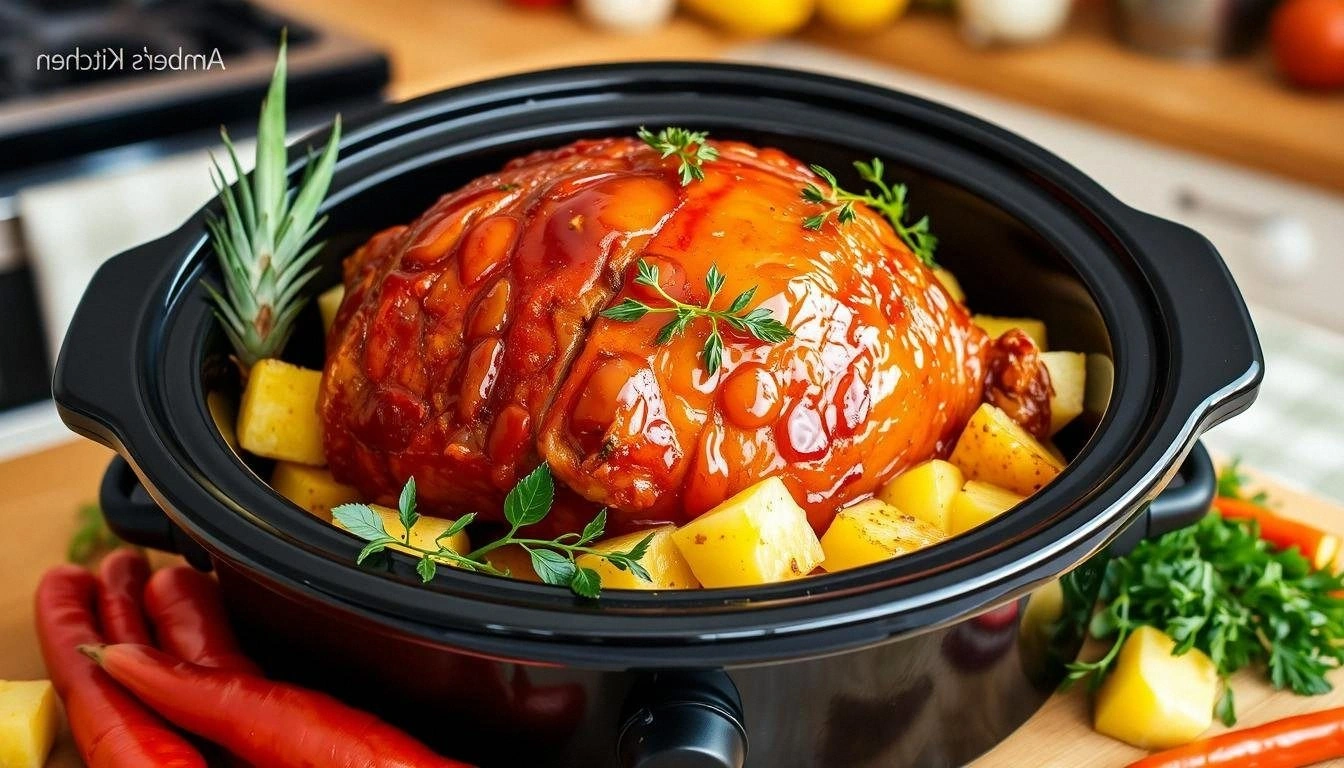
The first thing I noticed was the color: the ham’s surface turned a deep caramel, and the pineapple juice thickened into a glossy glaze that clung to every crevice. The sound was a gentle hiss, like a slow‑moving waterfall, and the scent—sweet, smoky, with a hint of citrus—was almost hypnotic. I could taste the sugar melting into the meat, the mustard cutting through the richness, and the garlic whispering its presence. This wasn’t just a meal; it was a symphony of flavors that danced on the palate. I was already craving a second bite, and I dared you to taste this and not go back for seconds.
Why does this version stand out from the countless crockpot ham recipes out there? It’s because it balances sweet and savory with a subtle kick that lingers. The pineapple juice isn’t just a sweetener; it’s a natural tenderizer that keeps the ham juicy. The blend of Dijon mustard, soy sauce, and a dash of apple cider vinegar adds depth, while the cloves bring a warm, aromatic note that’s often missing in standard recipes. And the best part? The method is simple enough for a busy weekday dinner yet elegant enough for a Sunday family gathering.
I’ll be honest—when I first tried this, I ate half the batch before anyone else got to taste it. The temptation was real, but the flavor was so irresistible that I kept adding more. Most recipes get this completely wrong by over‑cooking the ham or under‑seasoning the glaze. Here’s what actually works. Picture yourself pulling this out of the crockpot, the whole kitchen smelling incredible, and the table set with a glossy, caramelized ham that everyone will ask for seconds. Let me walk you through every single step—by the end, you’ll wonder how you ever made it any other way.
What Makes This Version Stand Out
- Flavor: The combination of pineapple juice, brown sugar, and Dijon mustard creates a glaze that is sweet, tangy, and savory all at once, coating the ham like velvet.
- Texture: Slow cooking at low heat allows the meat to stay moist while the glaze caramelizes, giving a slightly crisp exterior that shatters like thin ice when you cut into it.
- Simplicity: No pre‑baking or searing required—just layer the ham, pour the sauce, and let the crockpot do its thing.
- Uniqueness: The addition of soy sauce and apple cider vinegar gives a subtle umami depth that sets this apart from classic ham recipes.
- Crowd Reaction: Guests rave about the caramelized glaze and the aromatic cloves, often asking for the recipe afterward.
- Ingredient Quality: Using a fresh, fully cooked ham with a good amount of fat ensures the final dish is both juicy and flavorful.
- Cooking Method: The crockpot’s gentle heat preserves moisture and infuses the meat with the pineapple glaze without drying it out.
- Make‑Ahead Potential: This dish can be prepared the day before, refrigerated, and reheated, making it perfect for busy weeknights.
Alright, let’s break down exactly what goes into this masterpiece…
Inside the Ingredient List
The Flavor Base
The cornerstone of this recipe is the pineapple juice—1 cup of fresh, sweet juice that not only adds flavor but also tenderizes the ham. The juice is high in natural sugars that caramelize during slow cooking, creating a glossy glaze. If you skip the pineapple juice, the ham will still cook, but you’ll lose that signature sweet tang that makes the dish memorable.
Next is the brown sugar—½ cup. This adds depth and helps the glaze thicken. Brown sugar contains molasses, which gives a subtle earthy note that complements the mustard and soy sauce. If you’re watching sodium, you can reduce the amount to ¼ cup, but the glaze will be less glossy.
The Texture Crew
The Dijon mustard—2 tablespoons—provides a creamy, peppery undertone that cuts through the sweetness. Mustard is a classic ham companion, but Dijon adds a refined flavor profile. If you prefer a milder taste, substitute with yellow mustard or simply reduce the amount.
Soy sauce—2 tablespoons—adds umami and a subtle saltiness that balances the sweetness. It also helps the glaze adhere to the ham’s surface. A low‑sodium version works, but you’ll need to add a bit more salt to compensate.
The Unexpected Star
Cloves—3 whole—are the unsung hero that brings warmth and aroma. When simmered with the glaze, cloves release a sweet, peppery flavor that lingers on the ham. If you’re not a fan of cloves, you can omit them, but the dish will feel a bit flat.
Fresh pineapple chunks—1 cup—add texture and bursts of sweetness. They’re optional but recommended for a more authentic pineapple experience. If you can’t find fresh pineapple, canned chunks in juice (drained) will do, but they’ll add extra liquid.
The Final Flourish
A splash of apple cider vinegar—1 tablespoon—brings acidity that balances the sweetness and helps the glaze set. If you prefer a milder acidity, use white wine vinegar or reduce the amount.
Garlic—2 cloves, minced—adds depth and a savory note that complements the mustard and soy sauce. If you’re allergic or simply don’t like garlic, you can leave it out, but the glaze will lack a key layer.
Everything’s prepped? Good. Let’s get into the real action…
The Method — Step by Step
- Prep the Ham: Remove the ham from its packaging and pat it dry with paper towels. Score the surface in a diamond pattern, about ¼ inch deep. This creates pockets for the glaze to seep in and ensures even cooking. If you’re short on time, skip the scoring—just make sure the ham is fully cooked.
- Make the Glaze: In a medium bowl, whisk together pineapple juice, brown sugar, Dijon mustard, soy sauce, apple cider vinegar, minced garlic, and a pinch of black pepper. Stir until the sugar dissolves completely. This mixture should be thick enough to coat the ham without being watery. If you find it too thin, simmer it on low heat until it reduces by half.
- Layer the Ham: Place the ham in the crockpot, fat side up. Add the whole cloves around the base, which will infuse the meat with a warm aroma. If you’re using fresh pineapple chunks, scatter them over the ham for added texture and flavor.
- Pour the Glaze: Slowly pour the glaze over the ham, making sure to coat every side. The glaze should pool around the ham but not drown it. If you’re worried about excess liquid, you can pour the glaze over the top of the ham and let it seep in.
- Cook Low and Slow: Cover and cook on low for 4–5 hours, or until the ham is heated through and the glaze has thickened to a syrupy consistency. The slow heat allows the pineapple enzymes to tenderize the meat while the sugar caramelizes. Keep an eye on the glaze—if it starts to bubble too aggressively, reduce the heat slightly.
- Check the Temperature: The internal temperature should reach 140°F (60°C). Use a meat thermometer to confirm. If it’s lower, continue cooking for another 30 minutes. The glaze should be glossy and sticky, not runny.
- Rest the Ham: Once the ham reaches the desired temperature, remove it from the crockpot and let it rest on a cutting board for 10 minutes. This allows the juices to redistribute, ensuring each slice is moist and flavorful.
- Serve and Enjoy: Slice the ham against the grain, drizzle with extra glaze, and serve with your favorite sides. The result is a caramelized, aromatic ham that will have everyone asking for the recipe. I dare you to taste this and not go back for seconds.
That’s it—you did it. But hold on, I’ve got a few more tricks that will take this to another level…
Insider Tricks for Flawless Results
The Temperature Rule Nobody Follows
Many people cook ham on high, assuming it will finish faster. However, high heat can dry out the meat and prevent the glaze from fully caramelizing. Cooking on low for 4–5 hours allows the pineapple enzymes to work slowly, tenderizing the ham and giving the glaze time to thicken into a glossy coating. If you must use high, keep the cooking time to no more than 2 hours.
Why Your Nose Knows Best
Smell is a powerful indicator of doneness. When the glaze starts to bubble and emits a sweet, caramel scent, you’re close to the finish line. If the aroma is too sharp or burnt, pull the ham off the heat immediately to avoid bitterness.
The 5-Minute Rest That Changes Everything
Letting the ham rest for 10 minutes after cooking is crucial. This allows the juices to redistribute throughout the meat, preventing them from spilling onto the cutting board and leaving the ham dry. A quick rest also helps the glaze set into a firm, mouth‑watering coating.
Add a Splash of Water to Reheat
If you’re reheating leftovers, add a tablespoon of water or broth to the ham before microwaving. This prevents the meat from drying out and keeps the glaze from becoming too thick.
Use a Meat Thermometer
The internal temperature of 140°F (60°C) is the sweet spot for a fully cooked ham that remains juicy. A thermometer gives you confidence that the ham is safe to eat and perfectly cooked.
Keep the Cloves Intact
Cloves can be bitter if left too long. Remove them after the first hour of cooking to avoid a harsh flavor. They’ll still infuse the ham with warmth during the initial stages.
Creative Twists and Variations
This recipe is a playground. Here are some of my favorite ways to switch things up:
Spicy Pineapple Ham
Add a teaspoon of crushed red pepper flakes to the glaze for a subtle kick. The heat pairs wonderfully with the sweet pineapple, creating a balanced flavor profile that’s perfect for those who love a bit of spice.
Herb‑Infused Ham
Stir in 1 tablespoon of fresh rosemary or thyme into the glaze. The herbs add a fragrant, earthy note that complements the sweet glaze and makes the dish feel more sophisticated.
Maple‑Glazed Ham
Replace the brown sugar with maple syrup for a richer, deeper sweetness. Maple’s caramel undertones blend beautifully with the pineapple, creating a glaze that’s both sweet and savory.
Smoky BBQ Ham
Swap the soy sauce for a smoky barbecue sauce and add a dash of liquid smoke. The result is a ham that feels like a backyard grill, with a sweet, smoky glaze that’s irresistible.
Pineapple and Coconut Ham
Add 1 cup of coconut milk to the glaze and use pineapple chunks that are canned in coconut milk. This tropical twist gives the ham a creamy, exotic flavor that’s sure to impress.
Garlic‑Infused Pineapple Ham
Increase the minced garlic to 4 cloves and sauté it in a little olive oil before adding to the glaze. The garlic will caramelize, adding depth and a savory layer that balances the sweetness.
Storing and Bringing It Back to Life
Fridge Storage
Store leftover ham in an airtight container for up to 4 days. Keep the glaze separate or mixed in, depending on your preference. When you’re ready to serve, reheat on the stovetop or in the microwave with a splash of water to keep it moist.
Freezer Friendly
Wrap the ham tightly in foil or plastic wrap and place it in a freezer bag. Freeze for up to 3 months. Thaw overnight in the refrigerator before reheating. The glaze can be reheated separately to maintain its texture.
Best Reheating Method
The best way to reheat is to place the ham in a skillet over medium heat, add a tablespoon of water, cover, and heat for 5–7 minutes until warmed through. The water creates steam that keeps the meat juicy and the glaze from drying out. Alternatively, use a microwave with a splash of water and cover with a damp paper towel.