
A comforting, oven‑roasted masterpiece that brings together tender beef, buttery potatoes, and sweet carrots in one pan.

There’s something magical about the first time you hear the sizzle of a beef roast entering a hot oven – the promise of caramelized edges, juicy interior, and that unmistakable aroma that fills the whole house. I still remember the first Sunday my grandmother pulled a golden‑brown roast from the oven, its juices pooling on a bed of potatoes and carrots. The whole family gathered around the table, the kids’ eyes widening as the steam rose, and the conversation paused for a single, shared moment of pure anticipation.
This classic dish hails from the heart of French country cooking, where simple, high‑quality ingredients are coaxed into harmony through slow, patient roasting. It’s a staple at family gatherings, holiday feasts, and even casual weeknight dinners when you want to make a lasting impression without fuss.
In this article, I’ll walk you through every step – from selecting the perfect cut of beef to mastering the art of seasoning, roasting, and plating. You’ll learn why a low‑and‑slow approach yields melt‑in‑your‑mouth tenderness, how to achieve perfectly crisp potatoes without drying out the meat, and the secret behind that glossy, flavorful glaze that makes this dish unforgettable.
Grab your apron, preheat the oven, and let’s bring this timeless roast to life together.
🌟 Why This Recipe Will Capture Your Heart
Whether you’re cooking for a crowd or a cozy dinner for two, this beef roast delivers comfort, flavor, and visual wow‑factor in equal measure.
- ✨ Balanced Flavors: The savory beef, buttery potatoes, and naturally sweet carrots create a harmonious plate that satisfies every palate.
- ✨ One‑Pan Simplicity: All components roast together, meaning fewer dishes, less cleanup, and more time to enjoy the meal.
- ✨ Moisture‑Locked Meat: By searing the roast first and then covering it with broth, the beef stays juicy throughout the long cooking process.
- ✨ Adaptable Seasoning: You can easily switch herbs – rosemary and thyme for a classic profile, or add a touch of smoked paprika for a deeper, smoky note.
- ✨ Visual Appeal: The golden‑brown crust contrasted with orange‑carrot slices makes the dish photograph beautifully, perfect for sharing on social media.
- ✨ Crowd‑Pleaser: Even picky eaters love the familiar flavors, making it an ideal centerpiece for gatherings of any size.
🥗 The Ingredients
📝 Complete Ingredient List
For the Beef Roast:
For the Vegetables:
For the Pan Sauce (optional):

🔍 Focus on Key Ingredients
Beef Chuck Roast
The chuck roast is a cut from the shoulder area, rich in connective tissue that breaks down into gelatin during long, slow cooking. This gelatin creates a luscious, silky mouthfeel and keeps the meat moist. When selecting, look for a deep ruby hue and a fine marbling of fat – this ensures flavor and tenderness.
Potatoes
Choosing a waxy‑type potato (such as Yukon Gold) gives a buttery texture that holds its shape while absorbing the roast’s juices. Their natural starch also helps thicken the pan sauce, adding body without the need for additional roux.
Carrots
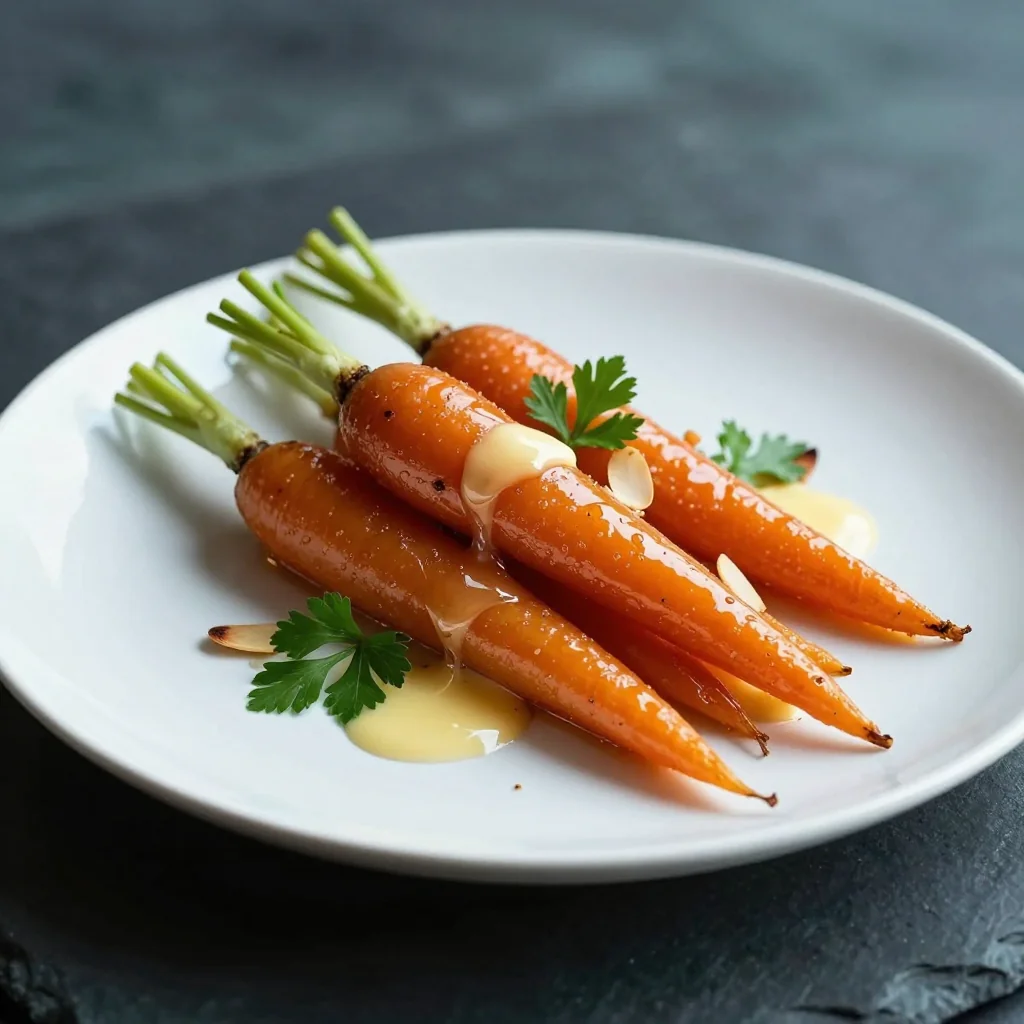
Carrots add a subtle sweetness that balances the savory beef. Their bright orange color also contributes visual contrast, making the final plating more appealing. Opt for carrots that are firm and free of cracks.
🔄 Quick Substitutions
| If you don’t have… | Use instead… |
|---|---|
| Beef chuck roast | Beef brisket or short ribs |
| Fresh rosemary | Dried rosemary (½ tsp) |
| Beef broth | Chicken broth or vegetable broth |
👨🍳 Step‑by‑Step Instructions
Follow these detailed steps to achieve a perfectly roasted beef, caramelized vegetables, and a silky pan sauce that will have everyone asking for seconds.
📋 Phase 1: Preparation & Mise en Place
Getting everything ready before the oven heats ensures a smooth cooking process.
Pat the Beef Dry and Season
Remove the beef from its packaging and pat it dry with paper towels. This step is crucial for achieving a deep brown crust. Generously rub the entire surface with olive oil, then sprinkle the kosher salt, black pepper, minced garlic, chopped rosemary, and thyme. Let the seasoned roast rest at room temperature for 20‑30 minutes – this allows the seasoning to penetrate and the meat to come closer to ambient temperature, reducing cooking time variance.
Prep the Vegetables
Wash, peel, and cut the potatoes into quarters and the carrots into 2‑inch pieces. Toss them in a bowl with olive oil, a pinch of salt, and a dash of black pepper. Spread the vegetables in an even layer on a large roasting pan, leaving space in the center for the beef.
🔥 Phase 2: Searing & Roasting
This phase builds flavor through Maillard reactions and slow cooking.
Sear the Beef
Heat a heavy skillet or Dutch oven over medium‑high heat. When the pan is hot, add a splash of olive oil and place the roast fat side down. Sear each side for about 3‑4 minutes until a deep, golden‑brown crust forms. The crust locks in juices and adds a complex, nutty flavor.
Transfer to Oven
Place the seared roast in the center of the roasting pan atop the vegetables. Pour the beef broth (and optional red wine) around the meat, being careful not to wash off the crust. This liquid will steam the vegetables and keep the roast moist.
Roast at 150 °C (300 °F)
Insert the pan into a preheated oven set to 150 °C (300 °F). Roast for about 2 hours 30 minutes, or until the internal temperature reaches 60 °C (140 °F) for medium‑rare. Use a digital probe thermometer inserted into the thickest part of the meat, avoiding bone.
Midway through cooking, stir the vegetables gently to ensure even browning. If the pan juices evaporate too quickly, add a splash more broth.
✨ Phase 3: Finishing Touches & Plating
Final checks and presentation bring everything together.
Check Doneness
When the thermometer reads 60 °C (140 °F), remove the pan from the oven. The meat will continue to rise about 5 °C while resting, reaching a perfect medium‑rare.
Rest the Roast
Transfer the roast to a cutting board, tent loosely with foil, and let it rest for 15 minutes. Resting allows the juices to redistribute, resulting in a moist slice rather than a dry one.
Make the Pan Sauce (Optional)
While the meat rests, place the roasting pan on the stovetop over medium heat. Sprinkle the flour over the pan juices, whisking continuously to form a roux. Slowly drizzle in additional broth (or water) while whisking until the sauce thickens to a silky consistency. Season with salt and pepper to taste.
Slice and Plate
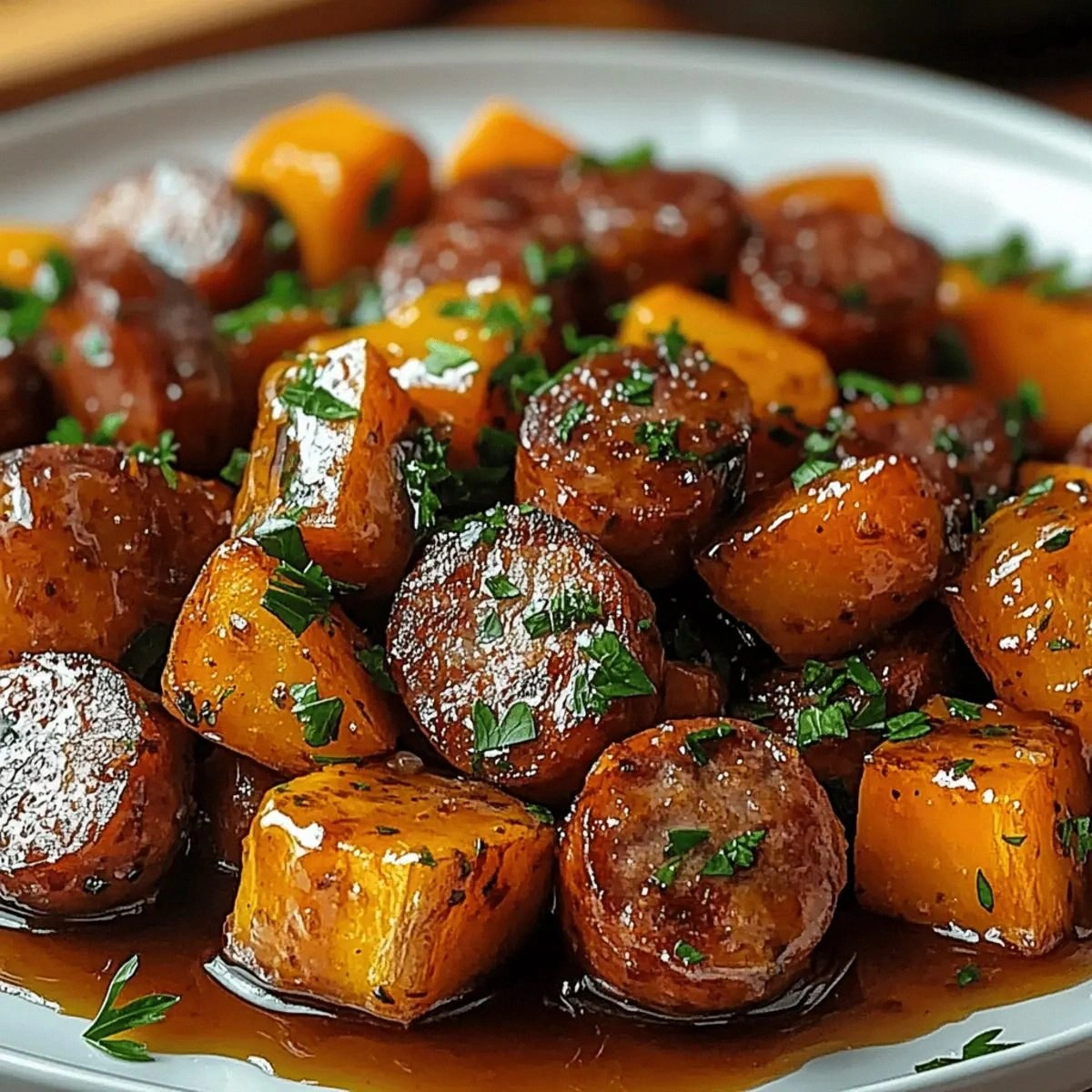
Slice the beef against the grain into 1‑cm thick slices. Arrange the meat on a serving platter surrounded by the roasted potatoes and carrots. Drizzle the pan sauce over the top or serve it on the side in a gravy boat.
Serve
Garnish with a sprig of fresh rosemary or thyme for a pop of color. Serve hot, accompanied by a crisp green salad or a simple vinaigrette if desired.
💡 Expert Tips & Tricks
🛒 Choosing the Right Ingredients
When shopping for beef, look for a cut with a good amount of intramuscular fat (marbling). This fat melts during cooking, imparting richness and preventing the meat from drying out. For potatoes, Yukon Gold or red potatoes hold their shape well and develop a buttery interior. Carrots should be firm, bright orange, and free of any green tops, which indicate age.
🔪 Preparation Techniques
Patting the meat dry is essential; moisture on the surface creates steam, which inhibits browning. Use a sharp chef’s knife to trim excess silver skin from the roast – this membrane can contract during cooking, making the meat tough. When cutting vegetables, try to keep them uniform in size so they cook evenly.
🌡️ Mastering the Cooking Process
Low‑and‑slow roasting at 150 °C ensures the connective tissue breaks down gently, producing a tender texture. Avoid the temptation to crank up the heat for a quicker cook; high temperatures will toughen the muscle fibers. A reliable instant‑read thermometer is your best friend – insert it into the thickest part without touching bone.
🍽️ Presentation & Service
For a restaurant‑style presentation, slice the beef on a warm plate, arranging the slices in a fan. Scatter the carrots and potatoes around the meat, drizzle a thin line of pan sauce, and finish with a fresh herb sprig. This visual hierarchy guides the diner’s eye and elevates the overall experience.
🏆 Pro Tips
Professional chefs differentiate their dishes through precision, timing, and a deep understanding of flavor chemistry.
- 🎯 Brine the Beef (Optional): Submerge the roast in a simple brine (water, salt, sugar) for 4‑6 hours. The brine penetrates the meat, enhancing juiciness and seasoning uniformly.
- 🎯 Use a Cast‑Iron Dutch Oven: This vessel retains heat exceptionally well, providing an even roasting environment and a sturdy base for deglazing the pan for sauce.
- 🎯 Add Aromatics to the Pan: Throw in a few whole garlic cloves, a sprig of rosemary, and a splash of balsamic vinegar during the last 30 minutes. The aromatics infuse the broth, creating a nuanced sauce.
- 🎯 Finish with a Butter Baste: In the final 10 minutes, melt a tablespoon of butter and whisk it into the pan juices. This adds a glossy sheen and a buttery depth to the sauce.
- 🎯 Rest on a Warm Plate: Placing the sliced meat on a pre‑warmed plate prevents it from cooling too quickly, keeping the serving temperature ideal.
- 🎯 Slice with a Sharp, Thin‑Sliced Knife: A thin blade reduces tearing, ensuring each slice looks clean and professional.
"A great roast is not just about heat; it's about patience, respect for the meat, and the harmony of flavors." — Chef Thomas Keller
🔄 Variations & Adaptations
The core of this recipe is versatile. Below are several ways to tailor it to different dietary preferences, flavor profiles, and occasions.
🥬 Vegetarian / Vegan Version
Replace the beef with a large cauliflower head and add hearty mushrooms (such as portobello or shiitake) for umami. Use vegetable broth instead of beef broth, and incorporate smoked paprika for depth. The vegetables can be roasted together, and a cashew‑based cream sauce can serve as a luxurious finish.
- Substitution 1: 2.5 kg cauliflower head, broken into florets.
- Substitution 2: 400 g mixed mushrooms, sliced.
🌶️ Flavor Variations
Play with herbs, spices, and sauces to create distinct culinary experiences.
Spicy Version:
Add 1 tsp smoked paprika, ½ tsp cayenne pepper, and a tablespoon of harissa paste to the seasoning mix. Finish with a drizzle of yogurt‑mint sauce for cooling contrast.
Mediterranean Version:
Swap rosemary and thyme for oregano and basil. Include olives and sun‑dried tomatoes among the vegetables. Finish with a squeeze of fresh lemon juice and a sprinkle of feta cheese.
Asian‑Inspired Version:
Marinate the beef in soy sauce, ginger, garlic, and a touch of honey. Add sliced bok choy and shiitake mushrooms. Finish with a splash of toasted sesame oil and garnish with scallions and toasted sesame seeds.
⚠️ Dietary Adaptations
Gluten‑Free:
All ingredients are naturally gluten‑free. Ensure the flour used for thickening the sauce is a gluten‑free blend or substitute with cornstarch.
Lactose‑Free:
The recipe contains no dairy. If you choose to enrich the sauce with butter, replace it with a plant‑based margarine.
Low‑Calorie:
Trim excess fat from the roast, use a leaner cut such as eye of round, reduce oil to a tablespoon, and increase the proportion of vegetables. Serve with a light herb vinaigrette instead of a rich sauce.
👶 Family / Kid‑Friendly Version
Kids often prefer milder flavors. Reduce the amount of black pepper, omit rosemary, and add a pinch of sweet paprika. Serve the carrots and potatoes mashed lightly with a drizzle of olive oil, making them easier to eat for younger palates.
📦 Storage & Reheating
🧊 Conservation
Refrigerator:
- Duration: 4 days
- Container: Airtight glass or BPA‑free plastic container
- Tip: Store the sauce separately to maintain crispness of vegetables.
Freezer:
- Duration: 3 months
- Method: Cool completely, then wrap the roast tightly in foil and place in a freezer‑safe bag. Store vegetables separately to avoid sogginess.
- Defrosting: Thaw overnight in the refrigerator before reheating.
💡 For best texture, reheat the roast with a splash of broth to keep it moist.
♨️ Reheating
🔥 Oven (Recommended):
- Preheat to 150 °C (300 °F).
- Cover the roast and vegetables with foil.
- Heat for 20‑25 minutes, or until internal temperature reaches 60 °C (140 °F).
- Remove foil, increase heat to 180 °C (350 °F) for 5 minutes to re‑crisp the edges.
⚡ Microwave (Quick):
- Place a slice on a microwave‑safe plate, cover with a microwave‑safe lid.
- Heat on medium power for 1‑2 minutes, checking every 30 seconds.
- Stir the sauce separately and drizzle over the meat after heating.
🍳 Stovetop:
Slice the roast thinly, add a splash of broth to a skillet, and gently warm over medium heat, turning occasionally to avoid drying.
🍷 Perfect Pairings
🥗 Side Dishes
- Arugula Walnut Salad: Peppery arugula with toasted walnuts, shaved Parmesan, and a lemon‑vinaigrette balances the richness.
- Green Bean Almondine: Lightly sautéed green beans with toasted almonds add crunch and freshness.
- Roasted Brussels Sprouts with Balsamic Glaze: Their slight bitterness pairs beautifully with the sweet carrots.
🍷 Wine & Beverage Pairings
- Red Bordeaux Blend: Its firm tannins cut through the beef’s richness while complementing the herbaceous notes.
- Pinot Noir: A lighter red with bright acidity that enhances the carrots’ sweetness.
- Non‑Alcoholic Sparkling Apple Cider: Offers a crisp, fruity contrast without overpowering the dish.
🍰 To Complete the Meal
Start with a simple French onion soup or a mixed greens salad with a mustard vinaigrette. For dessert, consider a classic tarte Tatin or a light lemon mousse to cleanse the palate after the hearty main.
❓ Frequently Asked Questions
Q: Can I use a different cut of beef?
A: Absolutely. While chuck roast offers the perfect balance of flavor and tenderness, you can substitute with brisket, short ribs, or even a boneless ribeye roast. Adjust cooking time slightly – tougher cuts may need an extra 15‑20 minutes, while more tender cuts require less.
Q: How do I know when the meat is done without a thermometer?
A: If you lack a probe, use the finger test – press the center of the roast; it should feel firm yet give slightly, similar to the texture of the fleshy part of your palm when your thumb touches your index finger. However, a thermometer provides the most reliable result.
Q: My potatoes turned out mushy. What went wrong?
A: Over‑cooking or cutting the potatoes too small can cause them to break down. Ensure they’re cut into uniform, bite‑size quarters and placed around the roast where they receive direct heat. If you prefer firmer potatoes, start them on a separate sheet pan for the first hour, then add them to the roast for the final 30 minutes.
Q: Can I add other vegetables?
A: Yes! Root vegetables such as parsnips, turnips, or sweet potatoes work beautifully. Add them in the same size as the carrots so they roast evenly. Just be mindful of water content – denser veggies may need a slightly longer cooking time.
Q: How can I make the sauce thicker?
A: After deglazing, whisk in a slurry of 1 tbsp cornstarch mixed with cold water, simmering for 2‑3 minutes until glossy. Alternatively, reduce the pan juices over medium heat until they reach the desired consistency.
Q: Is it safe to reheat the roast multiple times?
A: For food safety, limit reheating to once. Repeated heating and cooling can increase the risk of bacterial growth. If you need leftovers for several days, store portions in airtight containers and reheat only the amount you’ll consume.
🎉 To Your Oven!
Bringing this beef roast to your table is more than just cooking; it’s a celebration of patience, flavor, and tradition. The slow roast transforms a simple cut of meat into a tender, succulent centerpiece, while the caramelized potatoes and carrots add comforting earthiness. By following the detailed steps, you’ll master the art of low‑and‑slow cooking, gaining confidence to tackle even more ambitious dishes.
Remember, great cooking is a dialogue between you and your ingredients. Adjust herbs, experiment with spices, and make the recipe truly yours. When you serve this roast, you’re sharing not only a meal but also a story that spans generations.
Have you tried this recipe?
Leave a comment and rating below! Share your photos on Instagram with #RoastDelight to be featured on our page.
Beef Roast with Potatoes and Carrots
A classic, one‑pan roast that delivers juicy beef, buttery potatoes, and sweet carrots.
📝 Ingredients
Beef Roast
Vegetables
Pan Sauce (optional)
👨🍳 Instructions
- 1 Pat the beef dry, season with oil, salt, pepper, garlic, rosemary, and thyme. Let rest 20 minutes.
- 2 Toss potatoes and carrots with oil, salt, and pepper; spread in roasting pan.
- 3 Sear the roast on all sides in a hot skillet until deep brown.
- 4 Place the seared roast atop the vegetables, add broth (and wine if using).
- 5 Roast at 150 °C for 2 h 30 min, or until internal temp reaches 60 °C.
- 6 Remove, let rest 15 minutes covered with foil.
- 7 Make pan sauce by whisking flour into pan juices, adding extra broth, simmer until thick.
- 8 Slice beef against the grain, arrange with vegetables, drizzle sauce.
- 9 Garnish with fresh herbs and serve hot.
- 10 Enjoy with your chosen side dishes and wine.
🥗 Nutritional Information (per serving)
*Values are estimates based on standard ingredient data.

💬 Comments & Reviews
Leave a Comment
[Comments will appear here]