Love this? Pin it for later! 📌
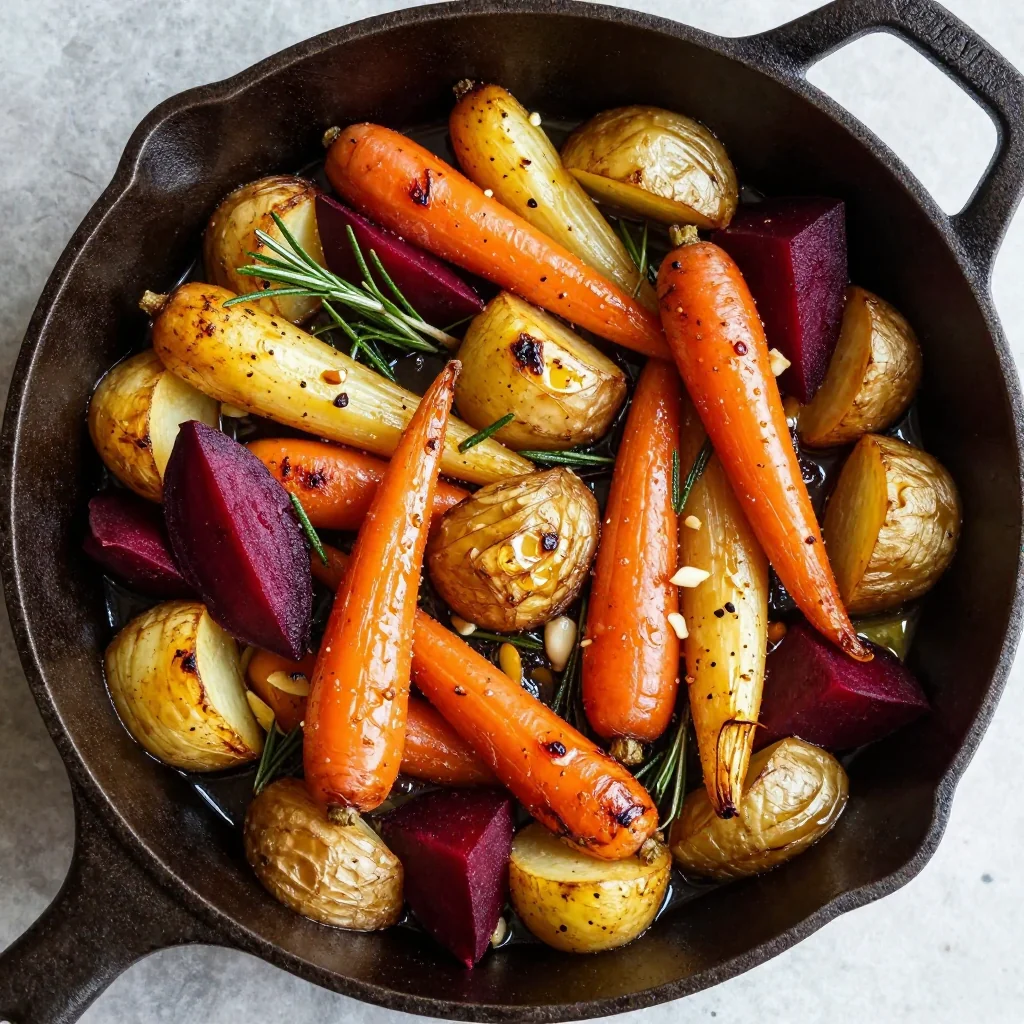
Since then it’s become my January reset button: a make-ahead lunch that reheats like a dream, a vegetarian main that even the steak-lovers demolish, and a colorful side that rescues dry chicken from boredom. It’s gluten-free, dairy-free, and vegan without trying, which means everyone gathers around the same table. Best part? You can chop everything the night before, stash it in a zip bag, and slide it into the oven while you answer one last email. By the time you pour yourself a glass of wine, the vegetables have turned into candy-sweet nuggets edged with rosemary and garlic. January nights have never felt so luxurious.
Why This Recipe Works
- One-pan wonder: Toss, roast, serve—minimal dishes on a busy weeknight.
- January nutrition boost: Beta-carotene, fiber, and slow-burning carbs to fight seasonal fatigue.
- Deep flavor, low effort: High-heat roasting concentrates natural sugars; rosemary and garlic perfume every bite.
- Meal-prep hero: Stays juicy for five days in the fridge; freezes beautifully for future you.
- Color = joy: Jewel-tone beets, sunset carrots, and violet turnips chase away winter blues.
- Budget-friendly: Root vegetables are pennies per pound in peak season.
- Infinitely flexible: Swap in whatever your CSA box or pantry offers.
- Elevates humble mains: Makes a rotisserie chicken feel restaurant-worthy.
Ingredients You'll Need
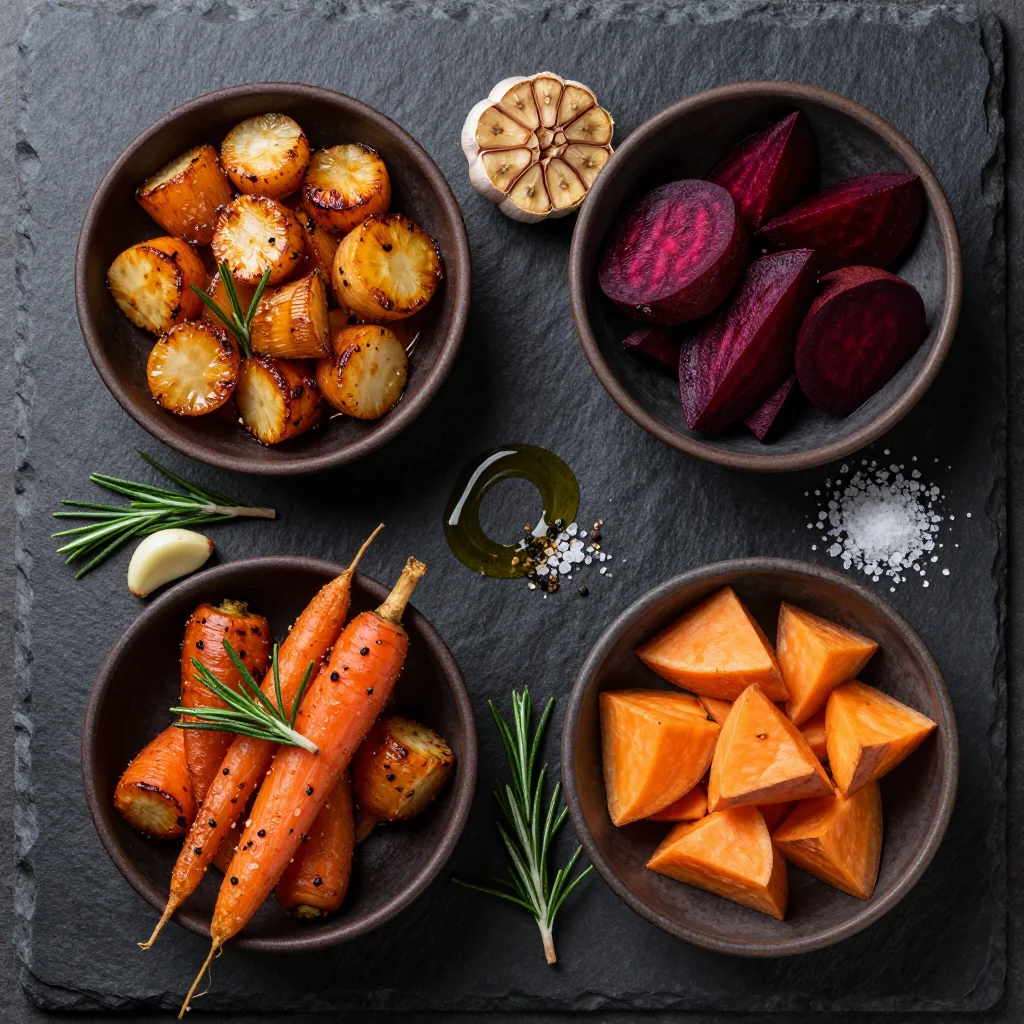
Think of this list as a template rather than a straightjacket. Every root vegetable has its own personality: parsnips bring honey-like sweetness, beets stain everything ruby and taste like candy, while celery root adds a whisper of celery and truffle. When shopping, look for firm, unblemished skins and roots that feel heavy for their size—dried-out roots roast into shriveled nubs instead of plush, creamy centers.
Extra-virgin olive oil is non-negotiable; its fruity bitterness balances the sweetness. I reach for a mid-priced cold-pressed bottle because we’re roasting hot and long. Fresh rosemary is the winter herb MVP; its piney oils bloom under heat. If your plant is buried under snow, dried rosemary works in a pinch—use half the amount and crush it between your palms to wake up the oils. Garlic goes in smashed, skin on. The skins act as tiny parchment packets, steaming the cloves into mellow, spreadable paste you’ll smear across crusty bread.
Maple syrup may seem odd, but a modest drizzle encourages caramelization and echoes the vegetables’ natural sugars. Choose dark Grade A for deeper flavor. For a smoky twist, substitute half the maple with balsamic vinegar; the acid brightens the earthy sweetness. Finally, kosher salt and cracked pepper are measured generously—roots can take it.
How to Make Warm Garlic Roasted Root Vegetables with Rosemary for January Meals
Preheat and prep the pan
Position a rack in the lower-middle of your oven and heat to 425 °F (220 °C). This slightly lower-than-max temp prevents sugars from burning before interiors soften. Line a rimmed 18×13-inch sheet pan with parchment for effortless cleanup, or use bare metal for extra browning—your call.
Scrub, peel, and cube uniformly
Wash vegetables under cold water to remove grit. Peel beets, parsnips, and celery root; carrots and sweet potatoes can keep their skins for extra fiber. Cut everything into 1-inch (2.5 cm) chunks—bite-size yet chunky enough to roast 40 minutes without turning to mush. Transfer to your largest mixing bowl.
Season aggressively
Drizzle with ⅓ cup olive oil, 2 Tbsp maple syrup, 2 tsp kosher salt, 1 tsp freshly ground black pepper, and ½ tsp crushed red-pepper flakes for gentle warmth. Strip leaves from 3 large rosemary sprigs and scatter on top; reserve stems for stock later. Toss with clean hands until every surface glistens.
Nestle the garlic
Separate a head of garlic into cloves, leaving skins intact. Smash once with the flat side of a chef’s knife to crack the skin; this lets steam escape and prevents little garlic grenades from rolling around. Tuck cloves among the vegetables, cut-side down, so they roast into buttery sweetness.
Spread, don’t crowd
Turn vegetables onto the prepared pan in a single layer with breathing room—crowding steams instead of roasts. If your stash is mountainous, split between two pans and rotate shelves halfway through. Slip pan into the oven and roast 20 minutes undisturbed.
Flip for even caramel
Using a thin metal spatula, flip vegetables and rotate pan 180 °F for even browning. Slide back into oven for 15–20 minutes more, until edges blister and a cake tester slides into beets with no resistance. Total time depends on your dice size; taste and adjust.
Finish with brightness
Zest half an orange over the hot pan; the citrus oils lift the dish from heavy to heavenly. For zing, add a splash of sherry vinegar or a squeeze of lemon. Taste for salt—roots drink it up. Shower with additional fresh rosemary needles if you like herbal pop.
Serve warm, not hot
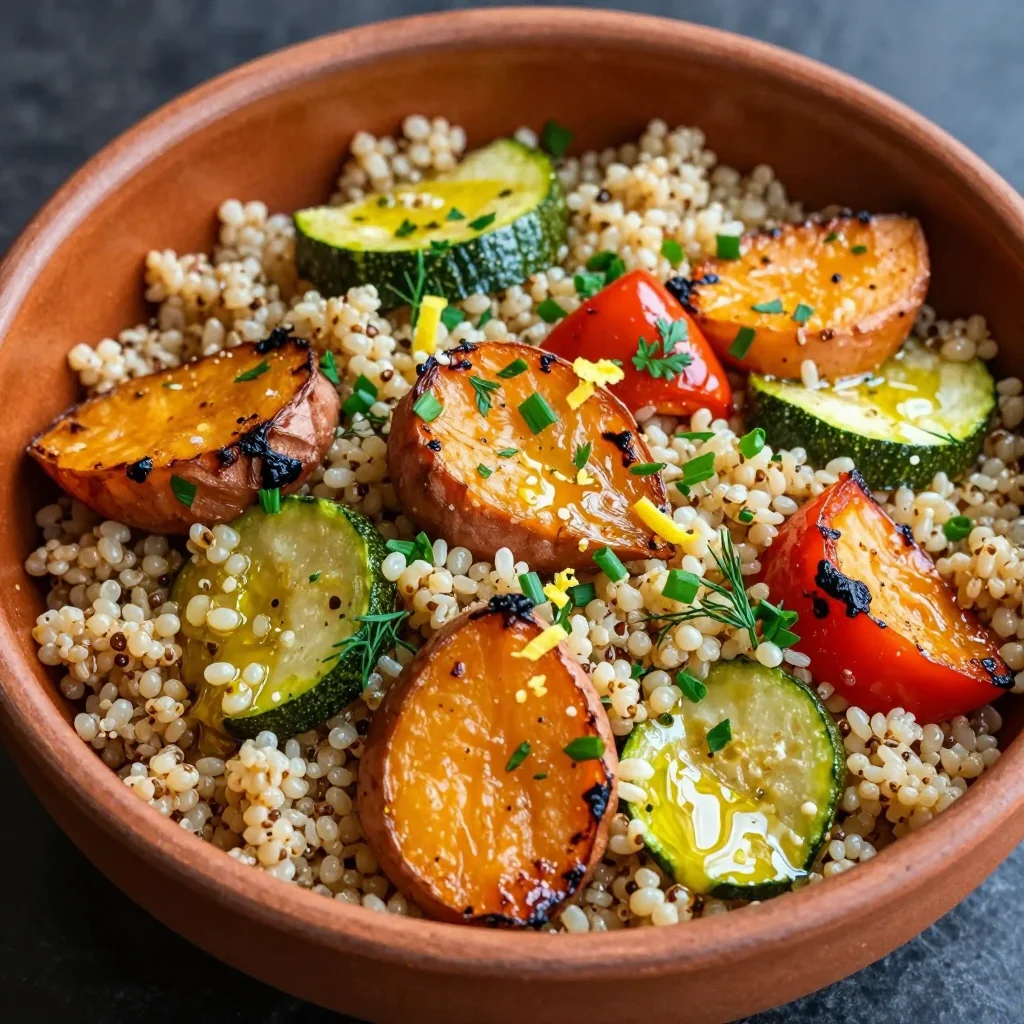
Let vegetables rest 5 minutes so flavors settle and molten sugar doesn’t scald tongues. Transfer to a shallow platter, scraping every last bit of sticky rosemary goodness. Serve as a vegetarian main over herbed farro, or alongside roast chicken, pork tenderloin, or pan-seared salmon.
Expert Tips
Steam then roast
If your cubes are larger than 1-inch, microwave the bowl covered for 3 minutes before oiling. This jump-starts cooking and guarantees creamy centers.
Save the beet tops
Sauté beet greens with olive oil and garlic while vegetables roast; they wilt in minutes and finish your rainbow of nutrients.
Night-before trick
Peel and cube vegetables, then store submerged in cold salted water with a splash of lemon to prevent browning. Drain and pat dry before seasoning.
Double batch bonus
Roast two sheet pans, cool completely, and freeze half in single-layer zip bags. Reheat at 400 °F for 10 minutes—tastes fresh.
Crank the broiler
For restaurant-style char, switch to broil the final 2 minutes. Watch like a hawk—sugar burns fast.
Mix sweet & savory
Add wedges of ripe pear or apple in the last 15 minutes—they soften into jammy pockets that contrast earthy roots.
Variations to Try
Middle Eastern
Swap maple for pomegranate molasses and finish with tahini-lemon drizzle and toasted sesame seeds.
Coconut curry
Replace olive oil with melted coconut oil, add 1 Tbsp curry powder, and garnish with cilantro and lime zest.
Smoky heat
Stir 1 tsp smoked paprika and ¼ tsp cayenne into the oil; finish with chopped chipotle in adobo.
Cheesy harvest
Sprinkle ½ cup crumbled goat cheese or shaved Parmesan during the last 5 minutes for melty tang.
Storage Tips
Refrigerator: Cool completely, then pack into airtight glass containers. They keep 5 days without drying out because the olive oil acts as a protective seal. Reheat single portions in a skillet with a splash of water and a lid—microwaves turn them to rubber.
Freezer: Spread cooled vegetables on a parchment-lined tray; freeze until solid, then transfer to freezer bags. This prevents clumping so you can scoop what you need. Best used within 3 months. Thaw overnight in the fridge or reheat directly on a sheet pan at 400 °F for 12 minutes.
Make-ahead for parties: Roast up to two days early, store chilled, then reheat covered with foil at 350 °F for 15 minutes, uncovering for the last 5 to revive crisp edges. Stir in fresh herbs just before serving so they stay vibrant.
Frequently Asked Questions
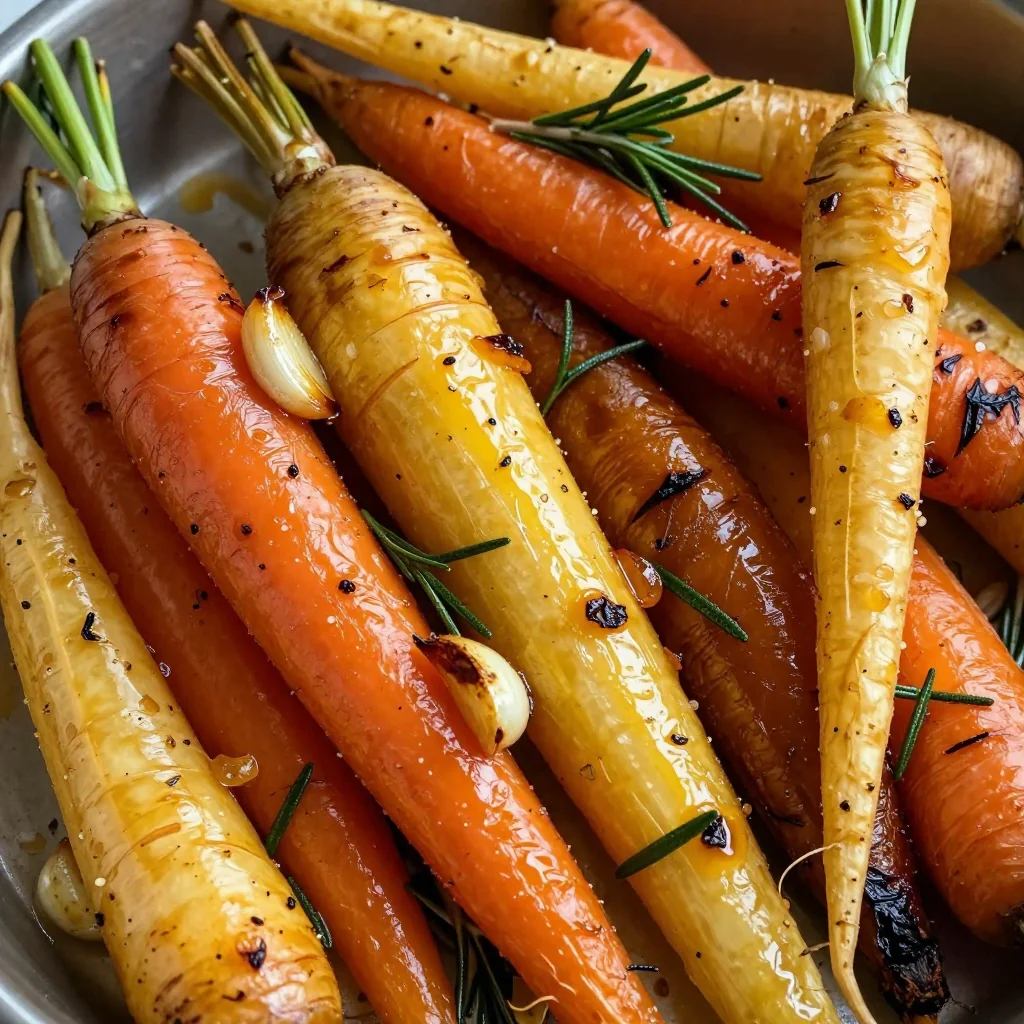
warm garlic roasted root vegetables with rosemary for january meals
Ingredients
Instructions
- Preheat: Heat oven to 425 °F. Line a rimmed sheet pan with parchment.
- Combine: In a large bowl, toss all vegetables and garlic with oil, maple syrup, salt, pepper, red-pepper flakes, and rosemary until evenly coated.
- Arrange: Spread in a single layer on prepared pan. Roast 20 minutes.
- Flip: Stir and rotate pan; roast 15–20 minutes more, until tender and caramelized.
- Finish: Zest orange over hot vegetables. Taste and adjust salt. Serve warm.
Recipe Notes
For crispier edges, broil 2 minutes at the end. Store leftovers refrigerated up to 5 days or freeze up to 3 months.