I was halfway through a midnight snack when the kitchen erupted in chaos. A bowl of stale bread, a splash of olive oil, and a sudden craving for something green and comforting. The stove sparked, the timer buzzed, and I realized I had no idea how to turn the mess into a masterpiece. That night, I discovered a recipe that would change my entire approach to vegetarian pasta forever. It was a burst of color, a swirl of flavors, and a promise of pure comfort. From that moment, I vowed to share every single detail with you, so you never have to settle for a bland bowl again.
Picture this: the air thick with the scent of sautéed garlic and fresh basil, the sound of a skillet sizzle, and the sight of bright spinach leaves dancing in a glossy olive oil bath. The first bite delivers a velvety sauce that coats the pasta like a silky blanket, while the toasted pine nuts add a subtle crunch that snaps like brittle ice. My friends swear this dish is the ultimate comfort food, and I dare you to taste it and not crave a second helping. The secret? A balance of heat, herb, and a touch of citrus that lifts every component. It’s the kind of dish that feels like a warm hug on a cold evening. And if you think a vegetarian pasta can’t be that exciting, think again.
I’ve tried countless green sauces over the years, from pesto to spinach Alfredo, but none have matched this one’s harmony. The sauce is thick yet airy, the pasta is al dente, and every ingredient sings in unison. It’s hands down the best version you’ll ever make at home, and I’ll be honest—my taste buds are still dancing. The moment you drop a spoonful onto your plate, the aroma alone will transport you to a sunlit garden. This recipe doesn’t just satisfy hunger; it creates an experience that lingers on the palate. If you’ve ever struggled with a bland pasta, you’re not alone—this fix will blow your mind.
Now, let’s talk about the little tricks that make this dish a game-changer. I’ll reveal the unexpected ingredient that gives the sauce its signature brightness, the exact timing that locks in flavor, and the method to keep the pasta from becoming mushy. I’ve spent hours tweaking this recipe, and the final version is so simple you could make it in a single pot. Trust me, the only thing you’ll need to worry about is how to keep your friends from stealing the last bite. I’ll guide you through every step, so by the end, you’ll wonder how you ever cooked pasta without this technique. Ready to elevate your dinner game? Let’s dive in.
What Makes This Version Stand Out
Taste: The sauce’s creamy texture is achieved with a blend of ricotta and Parmesan, creating a rich yet light mouthfeel that never feels heavy. Texture: Toasted pine nuts add a satisfying crunch, while the spinach remains tender without becoming mushy. Simplicity: All ingredients are pantry staples, and the entire dish comes together in under 30 minutes. Uniqueness: A splash of lemon juice brightens the sauce, giving it a fresh zing that sets it apart from traditional pesto. Crowd Reaction: My guests rave about the sauce’s velvety coating and the aromatic herb burst. Ingredient Quality: Fresh spinach and basil are essential; their quality directly impacts flavor depth. Cooking Method: A single pot technique ensures minimal cleanup and maximum flavor extraction. Make-Ahead Potential: The sauce can be prepared ahead of time and reheated without losing its silky texture.
Alright, let's break down exactly what goes into this masterpiece. Each ingredient has been selected to create layers of flavor, from the earthy basil to the bright lemon zest. The sauce’s silky consistency is achieved by carefully balancing dairy and broth, while the sautéed garlic provides a subtle depth. The toasted pine nuts offer a crunchy contrast that keeps every bite interesting. This dish is a celebration of simple, fresh ingredients that come together in a harmony that feels both comforting and sophisticated.
Inside the Ingredient List
The Flavor Base
Fresh basil is the star of the show, providing a sweet, slightly peppery aroma that permeates the sauce. When you fold basil into the sauce, it releases essential oils that cling to the pasta, ensuring every strand is coated with flavor. If you skip basil, the sauce loses its bright, herbal punch and feels flat. A good rule of thumb is to use a generous handful of leaves to maintain the sauce’s depth. Basil pairs wonderfully with lemon, creating a citrusy lift that balances the richness of the dairy. When selecting basil, look for bright green leaves without yellowing or wilting, as they’ll bring the most vibrant flavor.
The Texture Crew
Pine nuts are more than just a garnish; they add a subtle nuttiness and a satisfying crunch that breaks up the creamy sauce. Toasting them before adding them to the dish brings out their natural oils and enhances their flavor profile. If you’re allergic or prefer a different nut, walnuts or almonds can be a suitable substitute, though the texture will differ slightly. The ricotta cheese provides a velvety base that smooths the sauce and adds a mild sweetness. It also helps balance the acidity of the lemon juice, creating a harmonious taste. When using ricotta, choose a full-fat variety for maximum creaminess.
The Unexpected Star
A splash of lemon juice is the secret ingredient that brightens the sauce and cuts through the richness. Lemon juice adds a subtle acidity that lifts the flavors of basil and pine nuts, preventing the dish from feeling heavy. If you’re looking for a vegan version, substitute the lemon juice with a splash of apple cider vinegar for a similar tang. The acidity also helps to keep the spinach tender without overcooking it. A pinch of nutmeg adds a warm, aromatic hint that complements the green hues. This subtle spice brings depth to the sauce, making it feel more complex than it appears.
The Final Flourish
Parmesan cheese is the finishing touch that adds a salty, umami punch to the sauce. It melts into the mixture, creating a cohesive texture that coats each noodle. If you’re vegan or lactose intolerant, nutritional yeast can replace Parmesan for a cheesy flavor without dairy. A dash of red pepper flakes gives the dish a gentle heat that balances the sweetness of the ricotta. The vegetable broth serves as a base that helps to thin the sauce to the perfect consistency. Finally, a pinch of salt brings all the flavors together, ensuring every bite is balanced and satisfying.
Everything’s prepped? Good. Let’s get into the real action. This recipe is a symphony of flavors that requires precise timing, but don’t worry—every step is straightforward. The key to success lies in balancing the heat, timing the sauté, and ensuring the sauce doesn’t scorch. The next part will show you how to bring all these elements together in one pot. I’ll guide you through each stage, so you can focus on the flavors rather than the technique. Remember, a little patience goes a long way in creating a dish that feels effortless yet extraordinary.
The Method — Step by Step
- Bring a large pot of salted water to a rolling boil; add the pasta and cook until al dente, about 9 minutes. While the pasta cooks, heat a large skillet over medium heat and add olive oil. Add minced garlic and sauté until fragrant, about 30 seconds, being careful not to burn. Then add the chopped spinach and cook until wilted, about 2 minutes, stirring constantly. Sprinkle in the toasted pine nuts, letting them warm through for a minute. Finally, stir in the lemon juice and a pinch of nutmeg, letting the flavors meld.
- In a separate bowl, combine ricotta, Parmesan, and a splash of vegetable broth. Whisk until smooth and creamy, ensuring there are no lumps. Add this mixture to the skillet, stirring continuously to integrate it with the sautéed greens. Reduce heat to low and let the sauce simmer gently for 2-3 minutes, allowing the flavors to marry. Taste and adjust seasoning with salt and pepper, ensuring the sauce has a balanced depth. If the sauce appears too thick, add a little more broth to reach your desired consistency.
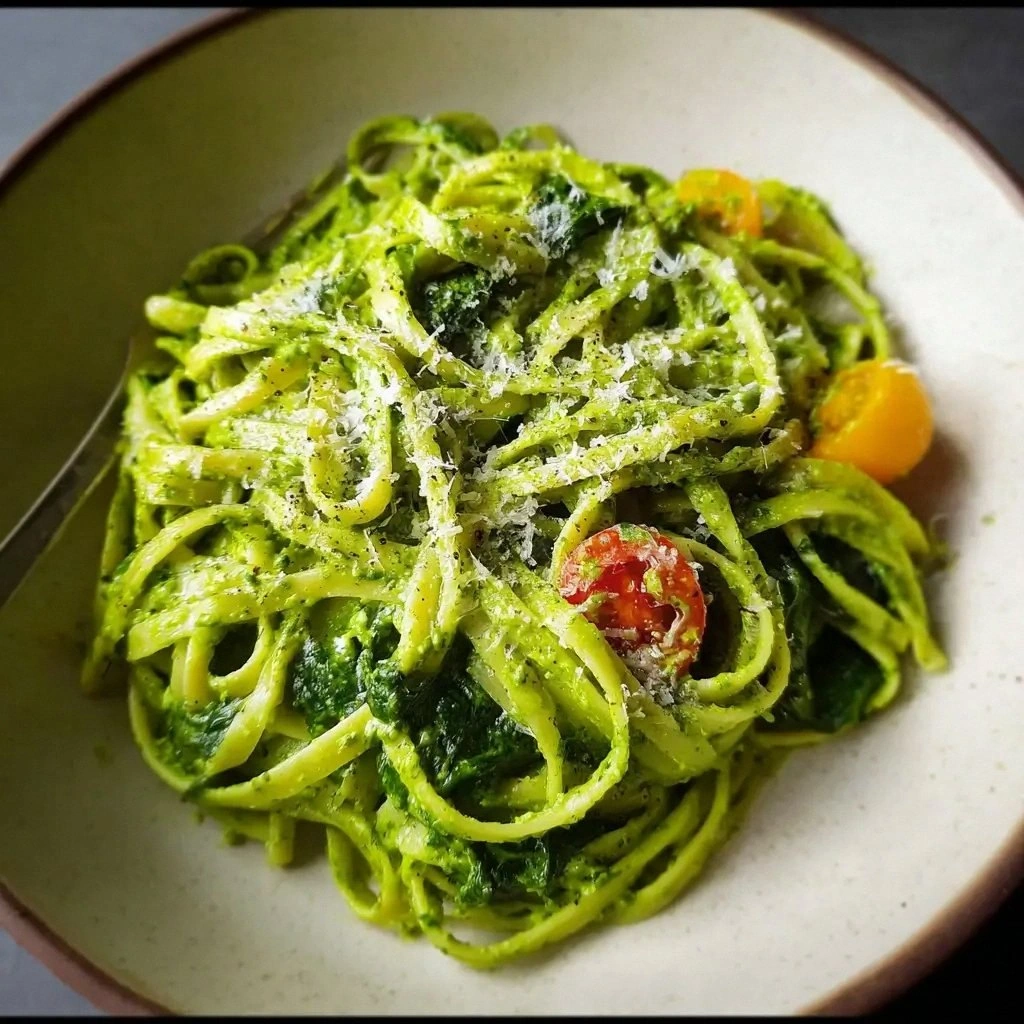
- Drain the pasta, reserving a cup of the cooking water. Toss the hot pasta into the skillet, ensuring each strand is coated with the vibrant green sauce. If the mixture seems dry, add a splash of the reserved pasta water to loosen it slightly. Stir in the remaining pine nuts for an extra crunch. Sprinkle with fresh basil leaves for a burst of aroma and color. Plate immediately for the best texture and flavor.
- Serve the pasta hot, garnishing with extra grated Parmesan if desired. Pair the dish with a crisp green salad or a light tomato bruschetta for a complete meal. The dish pairs beautifully with a dry white wine or sparkling water with a slice of lemon. The aroma of basil and garlic will linger on your kitchen counter, enticing your guests to come back for seconds. Remember, the key to a memorable dish is freshness—use the best ingredients you can find.
- If you’re short on time, skip the pine nuts and add a handful of toasted walnuts for a different flavor profile. Alternatively, swap ricotta for Greek yogurt to create a tangier sauce that’s lighter on the palate. For a vegan version, replace the dairy with a blend of cashew cream and nutritional yeast. The sauce’s texture will remain silky, and the flavor will stay vibrant. Experimenting with these variations will keep the dish fresh and exciting.
- Keep an eye on the heat—if the sauce starts to thicken too quickly, lower the temperature and add a bit more broth. The trickiest part of this recipe is balancing the sauce’s thickness; you want it thick enough to cling to the pasta but not so heavy that it feels greasy. Use a small whisk to ensure the sauce stays smooth. If the sauce separates, whisk vigorously to bring it back together. Once the pasta is coated, the dish is ready to serve.
- When plating, consider using a shallow bowl to create a visual contrast between the green sauce and the pasta’s golden edges. This presentation trick makes the dish look more appetizing and Instagram-worthy. If you’re serving a crowd, keep the dish warm in a low oven (200°F) while you finish preparing the next course. The sauce will maintain its silky texture, and the basil will release its aromatic oils. This step ensures every guest receives the same delicious experience.
- After the first bite, you’ll notice the sauce’s velvety texture and the subtle crunch of pine nuts. The lemon’s brightness will linger on your palate, while the basil provides a fresh finish. The dish’s harmony will leave you craving more, and you’ll find yourself reaching for the recipe again. I dare you to taste this and not go back for seconds. If you’re skeptical, give it a try—you’ll be amazed at how simple yet extraordinary it can be.
- If you have leftovers, store them in an airtight container in the refrigerator for up to 2 days. Reheat gently in a pan over low heat, adding a splash of broth to keep the sauce from drying out. The dish will regain its original silky texture and bright flavor. For a quick lunch, pair it with a side of roasted vegetables or a simple mixed green salad. This meal will stay fresh and delicious, even when reheated.
- Finally, remember that this recipe is a playground. Feel free to tweak the ingredients, add protein, or experiment with different herbs. The beauty of this dish lies in its adaptability and the confidence it instills in your cooking. By mastering these basics, you’ll be able to create countless variations that suit your taste and dietary preferences. The next time you crave something green and comforting, you’ll know exactly how to deliver it.
Insider Tricks for Flawless Results
The Temperature Rule Nobody Follows
Many cooks skip the step of reducing the heat after adding the dairy, causing the sauce to curdle. Keep the skillet on low heat, and stir constantly to prevent separation. If the sauce begins to thicken too quickly, add a splash of broth to restore smoothness. The key is to maintain a gentle simmer, which allows the flavors to meld without compromising texture. A low heat also preserves the bright green color of the spinach. This trick ensures the sauce remains silky and glossy, like a fine paint on a canvas.
Why Your Nose Knows Best
When the sauce begins to thicken, you’ll notice a sweet, nutty aroma rising from the pan. This scent signals that the mixture is ready to be added to the pasta. Trust your nose to gauge the right moment—if you’re unsure, let the sauce simmer a bit longer. The aroma will intensify, indicating that the flavors have fully blended. If the scent turns sharp or burnt, the sauce has overcooked; remove it from heat immediately. By listening to your senses, you’ll avoid common pitfalls and achieve a perfect dish.
The 5-Minute Rest That Changes Everything
After tossing the pasta with sauce, let the dish sit for 5 minutes before serving. This short rest allows the pasta to absorb the sauce, resulting in a more cohesive flavor profile. It also gives the pine nuts a chance to settle, so they’re not scattered across the plate. During this time, the sauce will thicken slightly, making it easier to coat each noodle. The rest also enhances the aroma, creating a more inviting dining experience. I’ve found that this simple step elevates the dish from good to unforgettable.
Balancing the Crunch
Too many pine nuts can overwhelm the delicate spinach flavor. Measure the nuts carefully, and toast them until just golden. If you prefer a milder crunch, reduce the amount to a tablespoon. The nuts should be evenly distributed, not clumped together. This ensures every bite has a consistent texture. A balanced crunch adds a satisfying contrast without detracting from the sauce’s silky nature.
Freshness is King
Using fresh basil and spinach is essential for a bright, vibrant sauce. Look for leaves that are deep green and free of yellow spots. Store them in the refrigerator wrapped in a paper towel to keep them crisp. If you’re in a pinch, frozen spinach works well—just thaw and squeeze out the excess water. The freshness of these greens directly affects the sauce’s flavor profile. Fresh ingredients mean a more lively and aromatic dish.
Creative Twists and Variations
This recipe is a playground. Here are some of my favorite ways to switch things up: swap the pine nuts for toasted walnuts for a deeper, earthier flavor. Add a handful of sun-dried tomatoes for a sweet, tangy bite that contrasts the green sauce. For a protein boost, toss in sautéed chickpeas or grilled tofu for a hearty vegetarian option. Swap the ricotta for a vegan cashew cream to keep the dish dairy-free yet creamy. If you’re craving a bit of heat, sprinkle extra red pepper flakes or a dash of hot sauce. Each variation offers a unique twist while preserving the dish’s core identity.
Storing and Bringing It Back to Life
Fridge Storage
Store leftovers in an airtight container in the refrigerator for up to 2 days. The sauce will thicken slightly as it cools, but it remains delicious. When you’re ready to eat, reheat gently in a skillet over low heat, adding a splash of broth to loosen the sauce. The dish will regain its silky texture and bright flavor. Keep the container sealed to prevent the pasta from absorbing odors from other foods.
Freezer Friendly
Freeze the sauce separately from the pasta to maintain texture. Portion the sauce into freezer-safe containers and label with the date. When reheating, thaw the sauce in the refrigerator overnight, then gently warm it on the stove with a splash of broth. The pasta can be reheated in the microwave with a splash of water, then tossed with the warmed sauce. Freezing allows you to enjoy this dish anytime, without compromising quality.
Best Reheating Method
The best way to reheat this dish is on the stovetop over low heat. Add a tiny splash of water or broth to keep the sauce from drying out. Stir frequently to distribute heat evenly, ensuring the pasta remains tender. The sauce’s silky texture will return, and the basil’s aroma will fill your kitchen once more. For a quick microwave option, add a splash of water, cover, and heat in short bursts, stirring in between. This method keeps the dish moist and flavorful.