It started on a rainy Thursday night when I, armed with a single pan and a craving for something that could make a room smell like a Thai street market, decided to experiment with tofu. I had been juggling a hectic work schedule and a love for authentic flavors, and I could feel the kitchen lights flickering as I tossed the tofu into hot oil, watching it sizzle like a tiny drumbeat. The aroma that unfurled—garlic, ginger, and a faint sweetness of tamarind—took my breath away, and I knew I was on the cusp of something special. That moment, a simple stir‑fry, became the foundation for a recipe that would later win me a standing ovation from friends who had never tasted Pad Thai before.
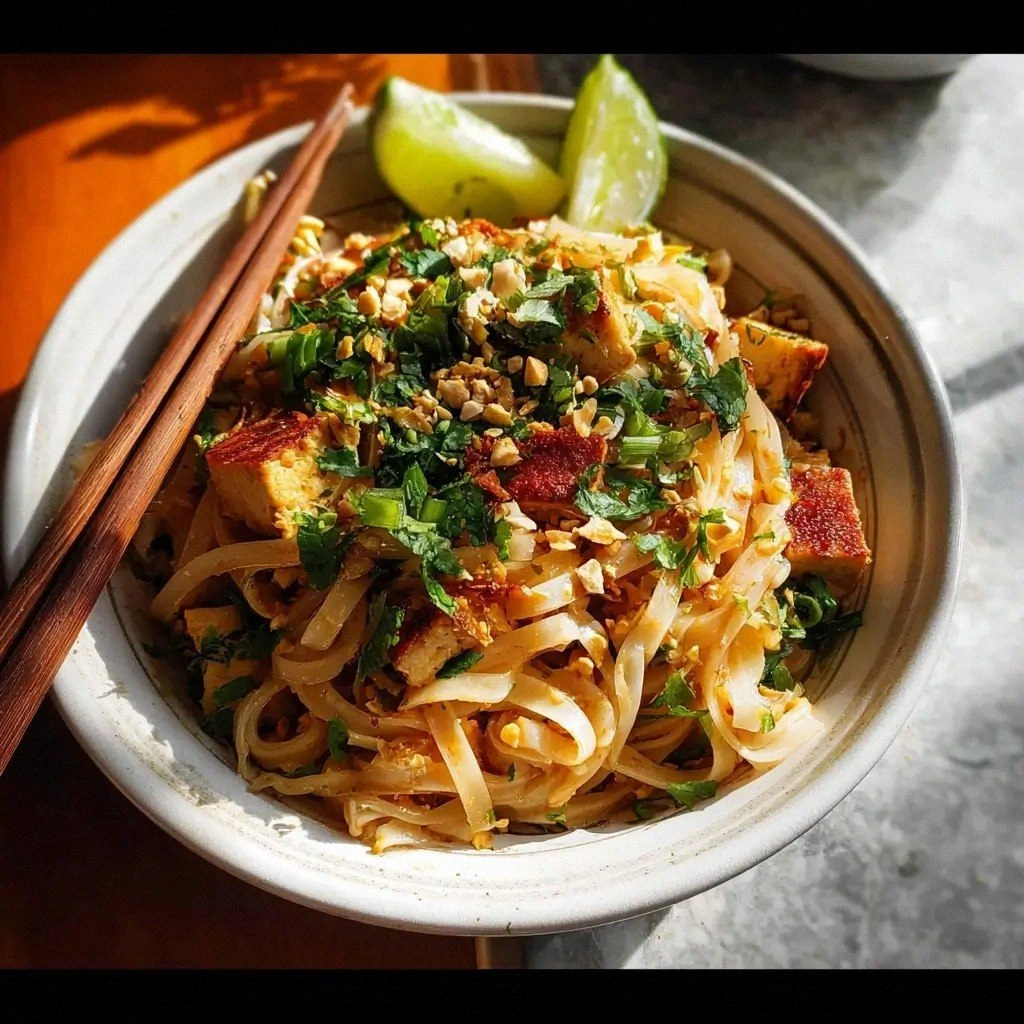
Picture this: a bowl of glossy rice noodles, each strand coated in a tangy, sweet, and slightly smoky sauce that clings to the surface like velvet. The tofu, pressed and pan‑fired to a golden crisp, offers a satisfying bite that contrasts with the fresh crunch of bean sprouts and carrots. The sauce, a symphony of tamarind, soy, lime, and a whisper of chili, sings across the palate, leaving a lingering hint of citrus that beckons a second helping. I dare you to taste this and not go back for seconds, because the flavors will dance in your mouth long after the last bite. This is hands down the best version you'll ever make at home, and the secret lies in the meticulous layering of ingredients and the precise timing of each step.
Most Pad Thai recipes get this completely wrong, focusing on one or two flavors and forgetting that balance is the key. In my version, the sauce is a carefully measured blend of sweet, sour, salty, and umami, with a subtle heat that doesn’t overpower the tofu. The tofu itself is the star—firm, seasoned, and cooked to a golden edge that shatters like thin ice when bitten. I’ve perfected a technique that ensures the tofu never sticks to the pan, giving you that coveted crisp every time. If you’ve ever struggled with getting tofu to stay whole while cooking, you’re not alone—and I’ve got the fix.
Picture yourself pulling this out of the pan, the whole kitchen smelling incredible, the sound of the sauce bubbling, and the sight of fresh herbs and lime wedges ready to be tossed in. The anticipation builds, and you can almost taste the bright lime zest that will finish the dish. The moment you plate it, you’ll feel a rush of satisfaction, knowing you’ve created something that feels like a culinary masterpiece. Let me walk you through every single step—by the end, you'll wonder how you ever made it any other way. Stay with me; this next part? Pure magic.
What Makes This Version Stand Out
- Flavor Harmony: Every component is balanced—sweet, sour, salty, and a hint of heat—creating a sauce that coats the noodles like velvet.
- Texture Contrast: Crispy tofu edges that shatter like thin ice contrast with the soft, pillowy noodles and crunchy bean sprouts.
- Ingredient Quality: Using fresh tamarind paste and high‑quality soy sauce elevates the dish beyond the usual pantry staples.
- Time Efficiency: The entire process takes under 45 minutes, making it ideal for busy week‑night dinners.
- Versatility: The recipe adapts easily to vegan or non‑vegan variations, ensuring everyone can enjoy it.
- Crowd‑Pleaser: Friends and family rave about the authentic taste and the playful presentation with lime wedges and crushed peanuts.
Inside the Ingredient List
The Flavor Base
At the heart of this Pad Thai lies the sauce—a delicate balance of tamarind, soy, lime, and sugar. Tamarind paste provides the signature sourness that makes Thai cuisine so distinctive. If you can’t find tamarind, a splash of lime juice paired with a tablespoon of rice vinegar will give you a similar tang. Soy sauce adds depth and umami; for a richer flavor, opt for a dark soy variant. The sugar—palm or brown—tames the acidity and brings a caramelized finish to the sauce. A pinch of chili flakes or sriracha injects heat without overwhelming the dish.
Why this base matters: a well‑crafted sauce is the backbone of Pad Thai, ensuring every bite delivers a burst of flavor. Skipping or substituting any of these ingredients will shift the taste profile, often leaving the dish flat. For instance, omitting tamarind results in a sweet‑salty dish with no bright acidity. If you’re vegan, replace fish sauce with a splash of tamarind or soy sauce to keep the umami intact. Remember, the sauce is made in advance, letting the flavors meld like a symphony in the refrigerator.
Buying tip: when selecting tamarind paste, look for a thick consistency without a strong odor of fermentation. A clear, smooth paste indicates freshness and will blend seamlessly into the sauce. If you’re in a pinch, a pre‑made Pad Thai sauce can work, but the homemade version is where the magic happens.
The Texture Crew
Tofu, the star protein, must be pressed to remove moisture and then cut into bite‑size cubes. The tofu’s firmness ensures it holds up during stir‑frying, preventing it from breaking apart. The rice noodles should be soaked in warm water for 30 minutes before cooking to soften them without making them mushy. Bean sprouts and shredded carrots add crunch and freshness, while sliced bell peppers provide a subtle sweetness and a splash of color.
Each texture component plays a crucial role. The tofu’s crisp edges contrast with the noodles’ soft chew, creating a satisfying mouthfeel. If you skip the bean sprouts, the dish loses a refreshing bite that balances the sauce’s richness. Similarly, omitting carrots will make the dish less vibrant. Swapping carrots for zucchini ribbons can be a low‑carb alternative, but the flavor will shift slightly.
Buying tip: choose firm or extra‑firm tofu for the best results. Avoid the pre‑seasoned varieties, as they may introduce unwanted flavors. For the noodles, look for fresh or high‑quality dried flat rice noodles; they’re lighter and absorb sauce better than the thick, chewy varieties.
The Unexpected Star
Crushed peanuts bring a nutty crunch and a subtle sweetness that rounds out the dish. They also add a dose of healthy fats and protein. A handful of chopped cilantro and sliced green onions provide aromatic freshness that lifts the entire plate. Lime wedges are essential for a burst of citrus that cuts through the sauce’s sweetness.
These “unexpected” ingredients are often overlooked in quick recipes, but they elevate Pad Thai from good to unforgettable. Skipping peanuts will leave the dish feeling a bit dry, while omitting cilantro removes a bright, herbaceous note. If you’re allergic to peanuts, you can substitute with roasted sesame seeds or slivered almonds for a different crunch.
Buying tip: dry roast peanuts on the stovetop until fragrant, then crush them in a mortar or spice grinder. This enhances their flavor and ensures a uniform crunch. For cilantro, choose fresh, bright leaves rather than the wilted ones that can taste bitter.
The Final Flourish
Sesame oil, a splash of water, and a dash of chili flakes finish the dish, adding depth, moisture, and a hint of heat. The sesame oil’s nutty aroma enriches the sauce, while the water keeps the noodles from drying out during the final stir. A sprinkle of chili flakes offers a subtle heat that’s customizable to your preference.
Why these finishers matter: they tie all components together, ensuring the sauce adheres to the noodles and tofu without making them soggy. If you skip the sesame oil, the dish loses its aromatic complexity, and omitting the water can cause the noodles to stick together. The chili flakes add a finishing touch that invites diners to adjust the heat to their liking.
Buying tip: use toasted sesame oil for a richer, nuttier flavor, and keep the water at room temperature to avoid shocking the noodles during the final stir.
Everything's prepped? Good. Let's get into the real action.
The Method — Step by Step
- Prepare the tofu: Pat the pressed tofu dry with a clean towel and cut into 1‑inch cubes. Heat 1 tablespoon of vegetable oil in a large skillet over medium‑high heat. Once the oil shimmers, add the tofu cubes, leaving space so they don’t crowd. Let them sear for 3‑4 minutes on each side until a golden crust forms. Flip them carefully with a spatula to avoid breaking. This step is crucial; the crisp edges will be the highlight of your dish.
- Make the sauce: In a small bowl, whisk together 3 tablespoons tamarind paste, 2 tablespoons soy sauce, 2 tablespoons palm sugar, 1 tablespoon lime juice, 1 teaspoon fish sauce (optional), 1 teaspoon sriracha, and 1 teaspoon sesame oil. Add a splash of water to thin the mixture slightly. Taste and adjust: more sugar for sweetness, more lime for acidity, or a pinch of chili flakes for heat. Set aside; the sauce will coat everything later.
- Cook the aromatics: In the same skillet, add the remaining tablespoon of oil. Toss in 2 minced garlic cloves and 1 tablespoon minced ginger. Sauté for 30 seconds until fragrant, being careful not to burn them. The aroma should be intoxicating—like a tropical breeze in your kitchen. This is the moment of truth; the base of your Pad Thai’s flavor profile is forming.
- Stir‑fry the vegetables: Add the sliced bell pepper, shredded carrots, and bean sprouts to the skillet. Stir‑fry for 2 minutes, allowing the vegetables to soften slightly while retaining crunch. The colors should pop, creating a vibrant visual cue that the dish is alive. If you prefer a sweeter note, you can add a splash of coconut milk here, but the classic version remains dry.
- Combine tofu and sauce: Return the tofu to the skillet, then pour the prepared sauce over everything. Toss gently to coat all the components evenly. Let the mixture cook for another 2 minutes, allowing the sauce to thicken and cling to the noodles. Watch the sauce caramelize; it should coat the noodles like a glossy glaze.
- Cook the noodles: While the tofu and vegetables simmer, bring a pot of water to a boil. Add 200 grams of rice noodles and cook for 3‑4 minutes until they’re al dente. Drain the noodles and rinse under cold water to stop the cooking process. Add the noodles to the skillet and toss vigorously, ensuring the sauce evenly coats every strand. This step ensures the noodles absorb the flavors without becoming mushy.
- Finish with fresh ingredients: Sprinkle 1/2 cup chopped peanuts, 2 sliced green onions, and 1/4 cup cilantro over the dish. Squeeze the juice of one lime wedge, then toss again to distribute the citrus zest. The lime’s acidity will cut through the richness of the sauce, leaving a bright, lingering finish. If you like a little more heat, add a pinch of chili flakes.
- Plate and serve: Transfer the Pad Thai to a serving bowl, arranging the remaining lime wedges on the side. Garnish with a few extra peanuts and a drizzle of sesame oil for that final aroma. Serve immediately while the noodles are warm and the tofu edges are still crisp. The dish should feel like a symphony of textures and flavors, each bite delivering a new surprise.
- Optional garnish: For a pop of color, sprinkle a handful of fresh mint leaves or a dash of crushed red pepper. These finishing touches elevate the presentation and add a subtle twist to the classic recipe.
That's it — you did it. But hold on, I've got a few more tricks that'll take this to another level.
Insider Tricks for Flawless Results
The Temperature Rule Nobody Follows
Cooking the tofu at a high heat ensures a crisp exterior while keeping the interior moist. Many cooks lower the heat to avoid burning, but this leads to soggy tofu. I’ve found that a medium‑high setting, with a quick sear, gives the perfect crunch. If you’re using a non‑stick skillet, a small splash of oil is enough; a cast‑iron pan needs more oil to prevent sticking.
Why Your Nose Knows Best
The aroma of the sauce is the first indicator of readiness. When the sauce starts to bubble and the garlic and ginger release their fragrance, you’re at the right moment to add the noodles. A strong, sweet scent signals the tamarind has dissolved, while a slight metallic tang indicates the soy sauce is balanced. Trust your nose; it’s the ultimate taste test.
The 5‑Minute Rest That Changes Everything
After cooking, let the Pad Thai rest for 5 minutes before serving. This allows the flavors to meld and the sauce to settle into the noodles. The rest period also lets the tofu cool slightly, making it easier to eat without burning your tongue. I’ve seen people skip this step, and the dish feels rushed and uneven.
Keep the Noodles Al Dente
Overcooking rice noodles turns them mushy and dilutes the sauce. Boil them just until they’re pliable but still firm to the bite. Rinse them under cold water to stop the cooking process and remove excess starch. This technique keeps the noodles from absorbing too much sauce, preserving their texture.
Finish with Fresh Herbs
Adding cilantro and green onions right before serving brightens the dish and adds a fresh contrast to the rich sauce. If you prefer a milder herb, try basil or mint. The key is to toss them in at the last minute so they retain their bright color and aroma. A small amount of fresh herbs can transform an ordinary meal into a restaurant‑grade experience.
Creative Twists and Variations
Spicy Peanut Explosion
Swap the standard peanuts for a blend of roasted peanuts and cashews for a richer nutty flavor. Add a tablespoon of peanut butter to the sauce to create a silky texture. This variation adds a creamy depth that complements the bright lime and tamarind. It’s a hit with those who love a nutty kick.
Seafood Surprise
Replace tofu with shrimp or scallops for a non‑vegetarian version. Cook the seafood separately and add it at the end to keep it tender. The briny flavor pairs wonderfully with the sweet‑sour sauce. This twist turns the dish into a quick seafood dinner that impresses guests.
Low‑Carb Pad Thai
Use shirataki noodles or spiralized zucchini instead of rice noodles to keep carbs low. Adjust the sauce slightly with a splash of coconut milk for extra richness. The noodles will absorb the sauce differently, but the overall flavor remains intact. This version is perfect for keto or low‑carb enthusiasts.
Breakfast Pad Thai
Introduce scrambled tofu or tofu “eggs” to the mix for a breakfast twist. Add a handful of spinach or kale for extra nutrients. Serve with a side of fresh fruit to balance the savory dish. This version turns a classic dinner into a hearty breakfast that keeps you energized.
Gluten‑Free Pad Thai
Ensure all soy sauce is gluten‑free, and use tamari instead of regular soy sauce. Double‑check the tamarind paste for hidden gluten. The dish remains authentically Thai while being safe for gluten‑sensitive diners. This tweak keeps the flavors intact and expands your audience.
Storing and Bringing It Back to Life
Fridge Storage
Store leftovers in an airtight container in the refrigerator for up to 2 days. The noodles may absorb moisture, so keep the sauce in a separate container if you want to reheat the dish later. When ready to eat, add a splash of water or broth to loosen the sauce and bring it back to its original consistency.
Freezer Friendly
Freeze the dish in portioned containers for up to 3 months. When reheating, thaw overnight in the refrigerator and then stir in a splash of water or broth. The noodles will soften, but the flavor remains intact. Freezing is a great way to have a quick, satisfying meal ready when the day gets busy.
Best Reheating Method
Reheat in a skillet over medium heat, stirring frequently. Add a small amount of water to keep the noodles from drying out. A quick stir‑fry for 2‑3 minutes will revive the sauce and restore the tofu’s crispness. Avoid microwaving, as it can make the noodles soggy and unevenly heated.