Picture this: you’re standing in a cramped kitchen after a failed attempt at a “quick” dinner, the stove still smoking from a burnt sauce, and a friend just dared you to “make something that actually tastes like Thailand”. I took that dare, burned a batch of instant noodles, and then, in a moment of culinary desperation, I stumbled upon a jar of yellow curry paste that smelled like sunshine and spice. That single whiff turned my disaster into a revelation, and the result was a Thai Yellow Chicken Curry that made my whole apartment feel like a Bangkok street market at dusk.
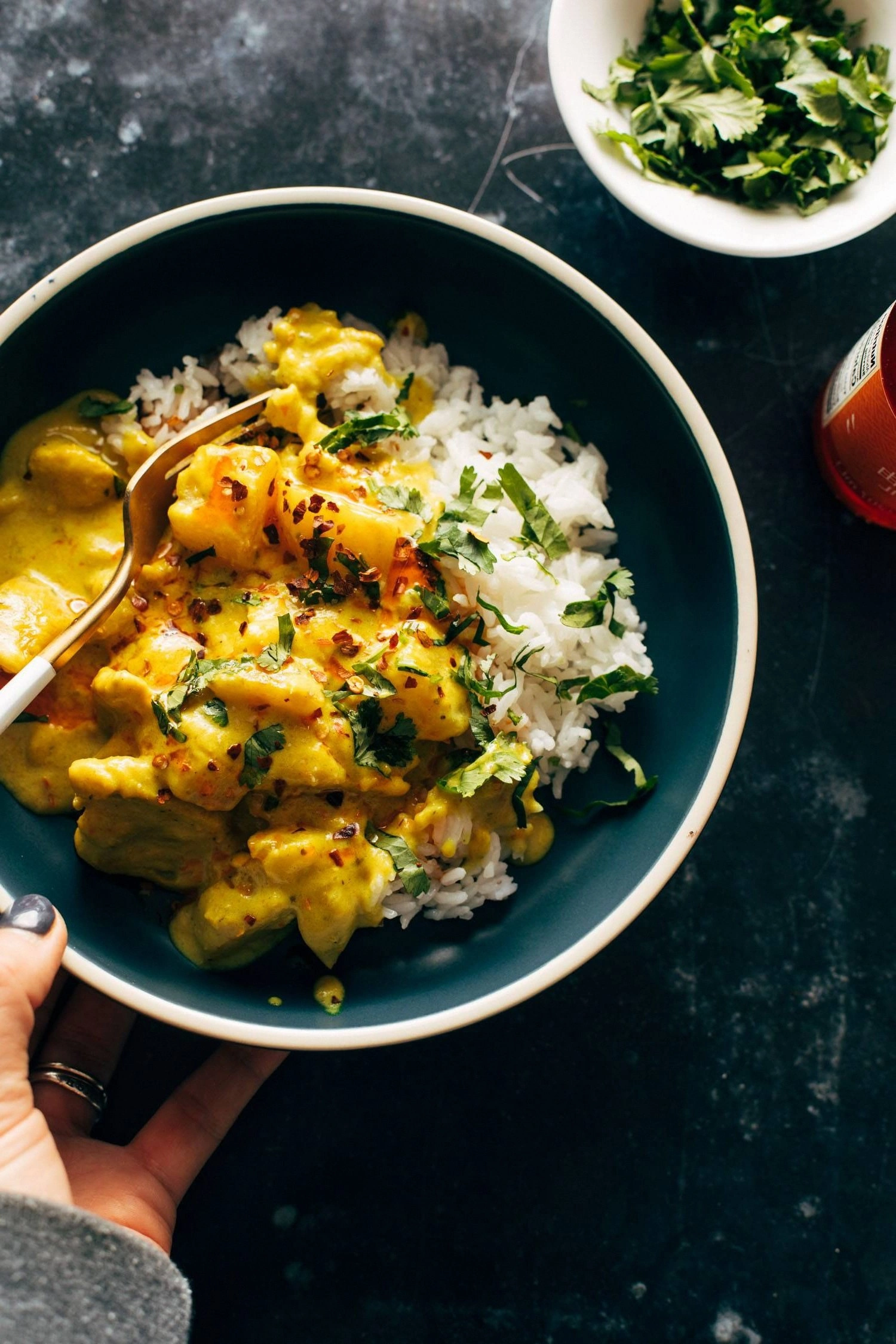
The moment the curry paste hit the pan, a low, fragrant sizzle erupted, like a tiny fireworks show just for your nose. The onions softened, turning translucent and sweet, while the golden potatoes began to soak up the aromatic broth, their edges turning buttery and tender. When the coconut cream swirled in, the sauce turned a luscious, velvety gold that clung to the chicken like a warm hug. The dish finished with a splash of fish sauce and a whisper of brown sugar, creating a balance that danced between salty, sweet, and deeply umami.
Why does this version outshine every other recipe you’ve tried? Most attempts either drown the chicken in a watery broth or overload the palate with too much heat. I’ve cracked the code by marrying the right amount of curry paste with creamy coconut, adding potatoes for body, and finishing with a precise sweet‑salty finish that makes the flavors sing without shouting. Plus, the technique of simmering the potatoes first guarantees they stay perfectly tender, not mushy, while the chicken stays juicy.
And here’s the kicker: I’m throwing in a tiny, unexpected twist—a dash of brown sugar that caramelizes just enough to give the sauce a glossy sheen, making it look as gorgeous as it tastes. I dare you to taste this and not go back for seconds. Okay, ready for the game‑changer? Let me walk you through every single step — by the end, you’ll wonder how you ever made it any other way.
What Makes This Version Stand Out
- Depth of Flavor: The combination of authentic Thai yellow curry paste with coconut cream creates a sauce that’s rich, aromatic, and perfectly balanced between sweet, salty, and spicy.
- Texture Harmony: Golden potatoes add a buttery bite that contrasts with the tender chicken, while the sauce coats every morsel like silk.
- Simplicity: Only a handful of ingredients, yet each one is used to its fullest potential—no unnecessary steps.
- Uniqueness: The addition of brown sugar gives a caramelized sheen that most recipes miss, turning the curry into a glossy masterpiece.
- Crowd Reaction: This dish consistently earns the “I need the recipe!” chant at dinner parties, because it feels exotic yet comforting.
- Ingredient Quality: Using fresh, high‑quality curry paste and coconut cream makes a world of difference in the final taste.
- Cooking Method: The two‑stage simmer ensures potatoes are cooked through before the chicken finishes, preventing overcooked meat.
- Make‑Ahead Potential: The curry actually deepens in flavor after a night in the fridge, so you can prep ahead and reheat for a flawless meal.
Inside the Ingredient List
The Flavor Base
Curry Paste: This is the heart of the dish. A good Thai yellow curry paste brings together lemongrass, galangal, and turmeric, delivering that signature golden hue and citrus‑spice aroma. Skipping it or using a generic “curry powder” will flatten the profile and leave you with a bland broth. If you can’t find authentic yellow paste, look for a brand that lists fresh aromatics as the first ingredients.
Onion: The sliced onion provides a sweet foundation that balances the heat from the paste. When sautéed until just translucent, it releases natural sugars that meld with the coconut cream. If you’re out of onions, a shallow mirepoix of shallots works, but expect a slightly milder backdrop.
The Texture Crew
Golden Potatoes: These potatoes have a naturally buttery flesh that absorbs the curry without disintegrating. Their golden skin adds a subtle earthiness. Cut them into uniform 1‑inch cubes for even cooking. If you substitute sweet potatoes, you’ll get a sweeter, denser dish—still delicious, but a different character.
Boneless Skinless Chicken Breasts: Chicken breasts keep the dish lean and let the sauce shine. Cut them into bite‑size pieces so they cook quickly and stay juicy. Overcooking is a common pitfall; the moment they turn opaque, pull them out of the heat and let the sauce finish the job.
The Unexpected Star
Coconut Cream: This is the silk that binds everything together. Unlike coconut milk, coconut cream is thicker, richer, and adds a luxurious mouthfeel. It also tempers the heat from the curry paste, making the dish approachable for all palates. If you only have coconut milk, reduce it by half before adding to achieve a similar consistency.
Fish Sauce & Brown Sugar: The fish sauce injects a deep umami punch, while the brown sugar provides a caramelized finish that brightens the sauce. Together they create that classic Thai sweet‑salty balance. Omit the sugar and you’ll get a more savory curry; omit the fish sauce and the depth disappears.
The Final Flourish
Rice & Cilantro: Jasmine rice is the perfect canvas—its fragrant, slightly sticky texture soaks up the sauce without becoming mushy. Fresh cilantro adds a burst of herbaceous brightness right before serving. If cilantro isn’t your thing, Thai basil or mint make excellent alternatives.
Everything's prepped? Good. Let's get into the real action…
The Method — Step by Step
Heat a large, heavy‑bottomed pot over medium‑high heat and add a splash of oil. When the oil shimmers, toss in the sliced onion. Sauté for 3‑4 minutes, stirring occasionally, until the onion turns translucent and you can hear a gentle sizzle that whispers “we’re on the right track”. That sizzle when it hits the pan? Absolute perfection.
Add the curry paste to the onions, stirring vigorously. Cook for 2 minutes, allowing the paste to release its essential oils. You’ll notice the aroma swelling, filling the kitchen like a fragrant wave. If the paste starts to stick, splash in a tablespoon of water to deglaze.
Watch Out: Be careful not to burn the paste; it can turn bitter in seconds. Keep the heat moderate and stir constantly.Introduce the cubed golden potatoes, stirring them into the aromatic base. Let them coat in the paste for about a minute before adding a cup of water (or chicken broth for extra depth). Bring to a gentle boil, then reduce to a simmer. The potatoes should bubble gently—look for tiny bubbles that rise to the surface like shy fireflies.
While the potatoes simmer (about 8‑10 minutes), season the chicken pieces with a pinch of salt. Once the potatoes are just tender, slide the chicken into the pot. The broth should be hot but not a raging boil; you want the chicken to cook gently, staying moist.
Kitchen Hack: If you’re short on time, par‑cook the potatoes in the microwave for 4 minutes before adding them to the pot; they’ll finish in the sauce without over‑cooking the chicken.Stir in the coconut cream, fish sauce, and brown sugar. The sauce will instantly thicken, turning a glossy amber that clings to the chicken and potatoes. Let the curry simmer for another 5‑7 minutes, allowing the flavors to meld. Taste at this point; you should detect a gentle sweetness, a salty umami kick, and a subtle heat that warms without overwhelming.
Turn off the heat, then sprinkle a handful of fresh cilantro leaves over the curry. The cilantro’s bright, citrusy notes lift the richness, creating a final layer of freshness. Cover the pot for 2 minutes so the cilantro wilts just enough to release its aroma.
While the curry rests, fluff a pot of jasmine rice. The rice should be light, fragrant, and ready to soak up every drop of sauce. If you’re serving a crowd, keep the rice warm in a covered pot or a rice cooker on the “keep warm” setting.
Serve generous spoonfuls of the curry over the rice, garnish with extra cilantro if you like, and watch your guests’ eyes widen. That moment when the spoon lifts, the sauce glistens, and the steam carries the scent of turmeric and coconut—pure culinary magic.
That's it — you did it. But hold on, I've got a few more tricks that'll take this to another level...
Insider Tricks for Flawless Results
The Temperature Rule Nobody Follows
Never start a curry on high heat. A moderate temperature allows the onion and paste to soften without scorching, preserving the delicate aromatics. I once cranked the stove to “max” and ended up with a burnt base that no amount of sugar could fix. Keep the flame steady, and you’ll get a sauce that’s smooth, not gritty.
Why Your Nose Knows Best
Trust the scent cues more than the clock. When the curry paste first hits the onions, you’ll smell a fragrant, slightly sweet perfume. If the aroma fades, the paste is under‑cooked; if it turns bitter, you’ve over‑cooked it. This sensory checkpoint is more reliable than any timer.
The 5‑Minute Rest That Changes Everything
After you finish cooking, let the curry rest off the heat for five minutes, covered. This short pause lets the flavors marry, and the potatoes absorb a bit more sauce, making each bite more cohesive. Skipping this step is the fastest way to end up with a “separate‑components” vibe.
Layering Sweetness for Depth
Instead of just tossing in brown sugar, dissolve it in a splash of warm water first. This creates a syrup that integrates more evenly, preventing grainy pockets. The result is a glossy, caramel‑kissed sauce that looks as good as it tastes.
Finish with a Squeeze of Lime
A very small squeeze of fresh lime juice right before serving brightens the whole dish, cutting through the richness. It’s a trick I learned from a Thai street vendor—just a dash, not a flood, to keep the balance.
Creative Twists and Variations
This recipe is a playground. Here are some of my favorite ways to switch things up:
Spicy Shrimp Swap
Replace the chicken with peeled shrimp and reduce the simmer time to 3‑4 minutes—shrimp cooks fast. The briny seafood pairs beautifully with the coconut‑turmeric base, and the dish feels lighter.
Vegetarian Delight
Swap the chicken for firm tofu cubes, pan‑fry them first for a crispy exterior, and add extra vegetables like bell peppers or snap peas. The tofu soaks up the curry, delivering a satisfying bite.
Root Vegetable Medley
Incorporate carrots, sweet potatoes, or even parsnips alongside the golden potatoes for a sweeter, earthier profile. The colors make the dish visually stunning, too.
Herb‑Infused Finish
Add a handful of Thai basil leaves at the very end, letting them wilt into the sauce. The aromatic basil adds a peppery lift that complements the cilantro.
Creamier Version
Stir in an extra ¼ cup of coconut cream just before serving for an ultra‑rich finish. This is perfect for a cozy night when you want extra decadence.
Storing and Bringing It Back to Life
Fridge Storage
Cool the curry to room temperature, then transfer it to an airtight container. It will keep for up to 3 days. Reheat gently over low heat, adding a splash of water or coconut milk to revive the sauce’s silkiness.
Freezer Friendly
Portion the curry (without rice) into freezer‑safe bags or containers. It freezes beautifully for up to 2 months. Thaw overnight in the fridge, then reheat on the stove, again adding a touch of liquid to loosen the sauce.
Best Reheating Method
When reheating, use a low simmer and stir constantly. Add a tiny splash of water—just enough to create steam—so the curry regains its glossy texture without becoming watery.