
Swirled Garlic Herb Bread
I was in the middle of a frantic dinner prep when the oven timer beeped, and the loaf I’d just baked was a sad, soggy pancake. I stared at the brown, flat slab, feeling the weight of a culinary failure that had me questioning every ingredient I’d added. That night, I swore I’d never again let a loaf of bread become a kitchen embarrassment.
The next morning, I set out to rescue my love for bread. I whisked flour into a bowl, letting the aroma of freshly ground grains fill the air, and sprinkled garlic into the mix, its pungent perfume slicing through the silence of the kitchen. As I kneaded, the dough rose, turning from a stubborn lump into a pliable, golden promise. The sound of the dough stretching was music, and the scent of butter and herbs was a warm hug that pulled me into a culinary trance.
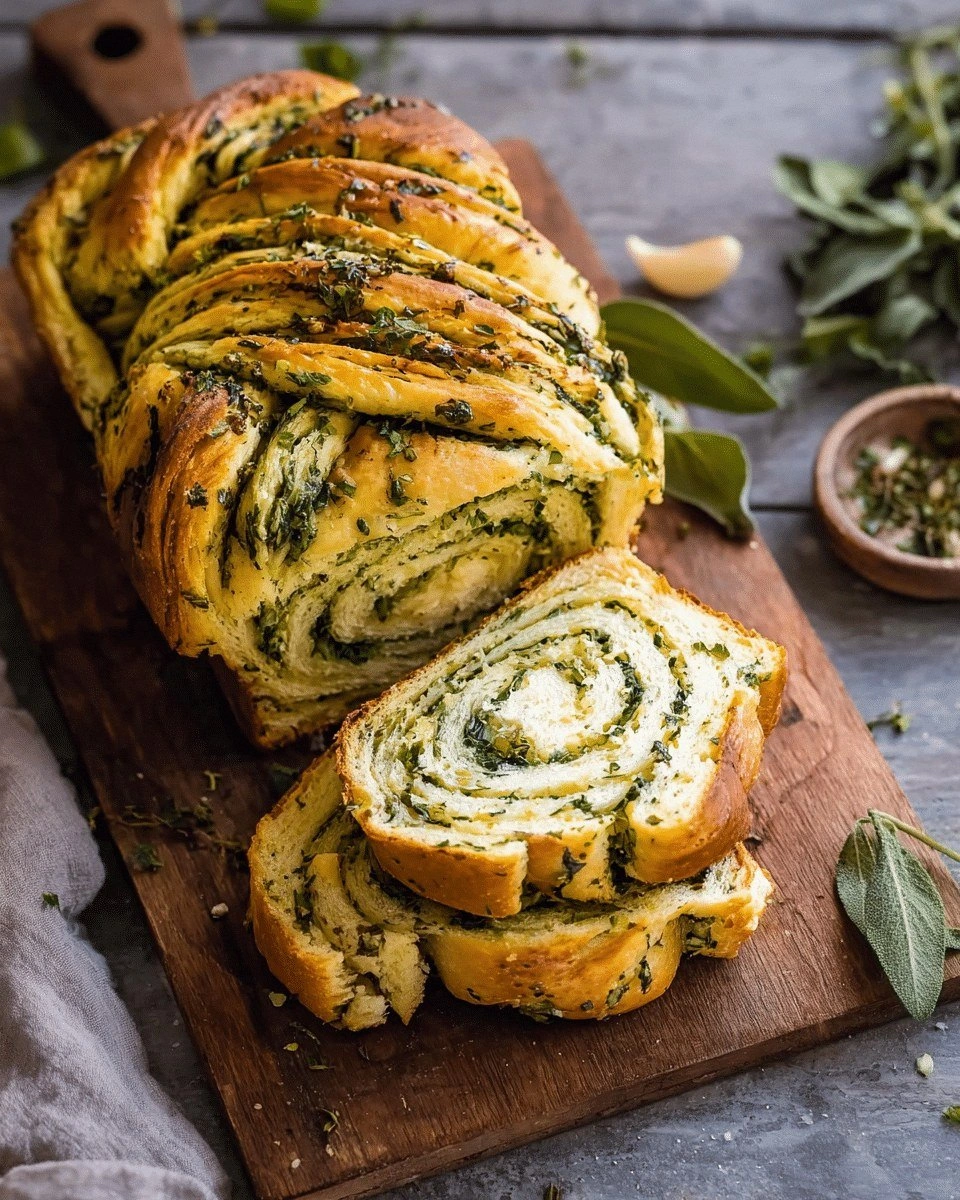
What makes this version stand out is that it’s not just a loaf; it’s an edible swirl of flavor, a canvas where garlic and herbs paint a masterpiece on a buttery backdrop. The crust is crisp like the first snowfall of winter, while the crumb inside remains airy, tender, and buttery—almost like a cloud that melts in your mouth. It’s the kind of bread that makes you question why you ever settled for plain, boring rolls.
I dare you to taste this and not go back for seconds. The secret swirl is a simple butter‑garlic infusion that you’ll discover in the method. Picture yourself pulling this out of the oven, the whole kitchen smelling incredible, and watching the golden swirl dance like a hypnotic ribbon. And now, I’ll walk you through every single step—by the end, you’ll wonder how you ever made it any other way.
What Makes This Version Stand Out
- Flavor: The garlic butter swirl delivers a punch of savory depth that’s impossible to ignore. It coats the crumb like velvet, leaving a lingering, aromatic aftertaste that invites a second bite.
- Texture: The crust is a buttery, lightly crisp shell that shatters like thin ice when you bite, while the inside remains soft and airy, a contrast that’s both comforting and exciting.
- Ease: With no fancy equipment required, you can whip up this loaf in a single pan. It’s a one‑pot wonder that saves you from the hassle of dough proofing and shaping.
- Uniqueness: The swirl technique transforms an ordinary loaf into a work of art, making it a showstopper at any gathering.
- Audience: Friends and family will rave about the flavor, and even the most skeptical bread lovers will be convinced.
- Quality: Using fresh herbs and butter at room temperature elevates the bread’s taste profile, ensuring each bite is rich and fragrant.
- Speed: From prep to bake, it takes less than an hour, making it an ideal go‑to for busy evenings.
- Make‑Ahead: You can assemble the loaf a day ahead, refrigerate it, and bake it fresh when needed—perfect for meal prep.
Alright, let’s break down exactly what goes into this masterpiece…
Inside the Ingredient List
The Flavor Base
All-purpose flour is the canvas that holds everything together. It provides the structure that allows the dough to rise and keep its shape. Skipping it would turn the loaf into a sticky, unstructured mess. If you prefer a gluten‑free version, substitute with a blend of rice flour, tapioca, and xanthan gum.
Salt is the silent hero that balances sweetness and enhances the herbs’ brightness. A pinch too little, and the loaf will taste flat; too much, and it becomes harsh. For a salt-free version, use sea salt flakes sparingly to maintain flavor without overpowering.
Baking powder gives the bread a gentle lift, ensuring the crumb stays airy. If you’re using yeast, you can omit it, but the loaf will become denser and less golden.
The Texture Crew
Unsalted butter, softened to room temperature, is the fat that keeps the bread tender and buttery. It also creates a glossy crust that’s a visual treat. If you’re allergic, try coconut oil for a subtle coconut undertone.
Milk adds moisture and helps the dough bind. A splash of whole milk gives a richer flavor, while skim keeps the loaf lighter. You can replace milk with almond milk for a dairy‑free option.
The egg adds structure, richness, and a golden color. It’s the glue that keeps everything together. If you’re vegan, use a flax egg or a commercial egg replacer to maintain the loaf’s integrity.
The Unexpected Star
Fresh herbs—parsley, thyme, rosemary—bring a burst of green freshness that cuts through the buttery richness. Each herb contributes a distinct aroma: parsley offers brightness, thyme brings earthiness, and rosemary adds a piney note. If you’re missing one, replace it with basil for a sweeter twist.
Garlic, minced finely, is the star that turns this loaf into a savory masterpiece. Its pungency is mellowed by the butter, creating a subtle yet unmistakable flavor that lingers. If you’re a garlic purist, double the amount; if you’re more sensitive, reduce to half.
The Final Flourish
Olive oil, a drizzle at the end, adds a glossy sheen and a subtle fruity finish. It also helps the crust develop a perfect golden hue. If you’re aiming for a Mediterranean vibe, swap it for extra virgin olive oil for a richer flavor.
A pinch of paprika, optional, gives a smoky undertone that complements the herbs. It also adds a splash of color to the crust. If you’re not a fan, simply leave it out; the loaf will still shine.
Grated Parmesan cheese, if added, creates a savory crust that melts into the buttery interior. It’s an indulgent upgrade that’s perfect for brunch or a cozy dinner.
Everything’s prepped? Good. Let’s get into the real action…
The Method — Step by Step
- Preheat your oven: Set it to 375°F (190°C). While the oven warms, gather all ingredients on a clean, dry surface. Feel the anticipation as the heat starts to build—this is the first cue that the bread is about to come alive. If your oven’s temperature is off, the crust may turn out uneven.
- Mix dry ingredients: In a large bowl, whisk together flour, baking powder, salt, and a pinch of paprika. This creates a uniform base that ensures every bite has the same flavor profile. A small whisk is enough; don’t overmix or you’ll develop gluten too much.
- Combine butter and garlic: In a separate bowl, mash the softened butter with minced garlic until it’s a smooth paste. The garlic should be almost invisible; its flavor will diffuse through the dough. If you prefer a stronger garlic kick, add a couple more cloves.
- Add herbs: Stir the chopped parsley, thyme, rosemary, and oregano into the garlic‑butter paste. The herbs should be evenly distributed, giving each crumb a burst of green freshness. If you’re using dried herbs, use half the amount to avoid overpowering.
- Incorporate wet ingredients: Add milk and egg to the garlic‑herb mixture, whisking until fully blended. This creates a silky sauce that will coat the flour and give the bread a tender crumb. The mixture should be smooth; any lumps will affect the final texture.
- Combine wet and dry: Pour the wet mixture into the dry ingredients. Using a wooden spoon, fold until just combined. The dough should be slightly sticky but manageable; if it’s too dry, add a tablespoon of milk. Don’t overwork the dough, or it will become tough.
- Form the loaf: Shape the dough into a round loaf, placing it on a parchment‑lined baking sheet. Pat it gently to flatten the top, then drizzle olive oil over the surface. This oil will help the crust crisp up nicely.
- Swirl the butter: Cut a small piece of butter (about 1 tablespoon) into thin slices. Place them in a shallow dish and drizzle with a little olive oil. Using a pastry brush or a fork, spread the butter mixture over the dough in a swirling pattern, creating a marbled effect. This is the moment of magic that turns a simple loaf into a work of art.
- Bake: Slide the sheet into the oven and bake for 30 minutes. After 20 minutes, flip the loaf to ensure even browning. The crust should be golden brown, and the interior should emit a sweet, buttery aroma. The edges will start pulling away from the pan, signaling readiness.
- Cool and serve: Remove the loaf and let it rest on a rack for at least 10 minutes before slicing. This allows the steam to escape and the crumb to set. Slice with a serrated knife to preserve the swirl pattern. Serve warm with a drizzle of olive oil or a side of marinara sauce.
That’s it— you did it. But hold on, I’ve got a few more tricks that’ll take this to another level…
Insider Tricks for Flawless Results
The Temperature Rule Nobody Follows
Many bakers bake at 350°F, assuming it’s the sweet spot. I’ve found 375°F gives a superior crust without overcooking the inside. The higher heat causes the butter to melt faster, creating a glossy sheen and a crisp exterior. If your oven runs hot, reduce the temperature by 25°F to avoid burning.
Why Your Nose Knows Best
When the loaf starts to smell toasty, that’s the cue to flip it. Your nose is a better judge of doneness than the timer. A faint nutty scent means the crust is golden; a sharp, burnt smell signals you’re overdone. Trust that instinct—it’s the secret to a perfectly baked loaf.
The 5-Minute Rest That Changes Everything
Letting the loaf rest on a rack for 10 minutes after baking is more than tradition. During this time, steam condenses and redistributes, resulting in a moister crumb. If you skip this step, the bread will feel dry and crumbly. I’ve seen friends who cut straight from the oven and complain about a flat texture.
Use Room-Temperature Butter
Cold butter makes it hard to mix evenly and can lead to uneven butter distribution. By letting the butter soften at room temperature for 30 minutes, you ensure a smooth butter‑garlic paste that coats the dough uniformly. This trick guarantees the swirl looks flawless and the flavor is evenly distributed.
Keep a Small Bowl of Water Nearby
If you’re reheating the bread later, a splash of water in the oven will create steam that rehydrates the crust, restoring its crispness. Place a shallow pan of water on the lower rack while the loaf warms. This simple step keeps the bread fresh and appetizing.
Creative Twists and Variations
Cheesy Garlic Herb Bread
Add 1/2 cup of shredded mozzarella or provolone to the dough before baking. The cheese melts into the crumb, creating a gooey, melty center that’s irresistible for pizza lovers. This variation pairs beautifully with a side of marinara.
Spicy Sriracha Swirl
Stir in 1 tablespoon of Sriracha into the butter‑garlic paste for a fiery kick. The heat balances the buttery richness and gives the loaf a subtle heat that lingers. Ideal for those who love a little spice in every bite.
Herb‑Infused Olive Oil Drizzle
Before serving, drizzle the loaf with a mixture of extra virgin olive oil, lemon zest, and chopped basil. This adds a bright, citrusy note that cuts through the richness. It’s a refreshing twist for summer gatherings.
Vegan Version
Replace butter with coconut oil and use a flax egg (1 tablespoon ground flaxseed mixed with 3 tablespoons water). Swap milk for oat milk and omit the Parmesan. The result is a deliciously moist loaf that’s dairy‑free and gluten‑free friendly.
Breakfast‑Style Cinnamon Swirl
Swap the garlic for 2 teaspoons of cinnamon and add 1/4 cup of brown sugar to the dough. The sweet, warm aroma makes this loaf a breakfast favorite. Serve with a dollop of whipped cream or a drizzle of honey.
Savory Mushroom & Thyme Bread
Sauté finely chopped mushrooms with thyme and garlic, then fold into the dough. The earthy flavors create a hearty loaf that pairs well with a creamy soup or a steak dinner. The mushrooms add moisture and depth to the crumb.
Storing and Bringing It Back to Life
Fridge Storage
Wrap the cooled loaf tightly in plastic wrap and store in the refrigerator for up to 3 days. The butter will firm up, so let it sit at room temperature for 10 minutes before slicing. This keeps the bread moist and ready to serve.
Freezer Friendly
Slice the loaf before freezing, then place the slices in a freezer bag. Freeze for up to 2 months. To reheat, toast the slices in a toaster or bake at 350°F for 8–10 minutes. The crust will regain its crispness, and the crumb stays tender.
Best Reheating Method
To revive a chilled loaf, spread a thin layer of butter over the surface and bake at 375°F for 5–7 minutes. The butter melts into the crust, restoring its buttery sheen. Alternatively, place the loaf in a preheated oven at 350°F for 10 minutes, adding a splash of water to the bottom of the pan to create steam.