Picture this: a quiet Saturday afternoon, a kitchen that smells of burnt toast, and a frantic phone call from a friend who wants the most mouth‑watering Korean rice cake dessert ever. I was halfway through a bland batch of plain rice cakes when the phone rang. “You’re going to make the best sweet soy butter rice cakes tonight?” she asked, and I felt a surge of culinary adrenaline. That call turned my kitchen into a laboratory, and I was determined to turn an ordinary snack into an unforgettable experience.
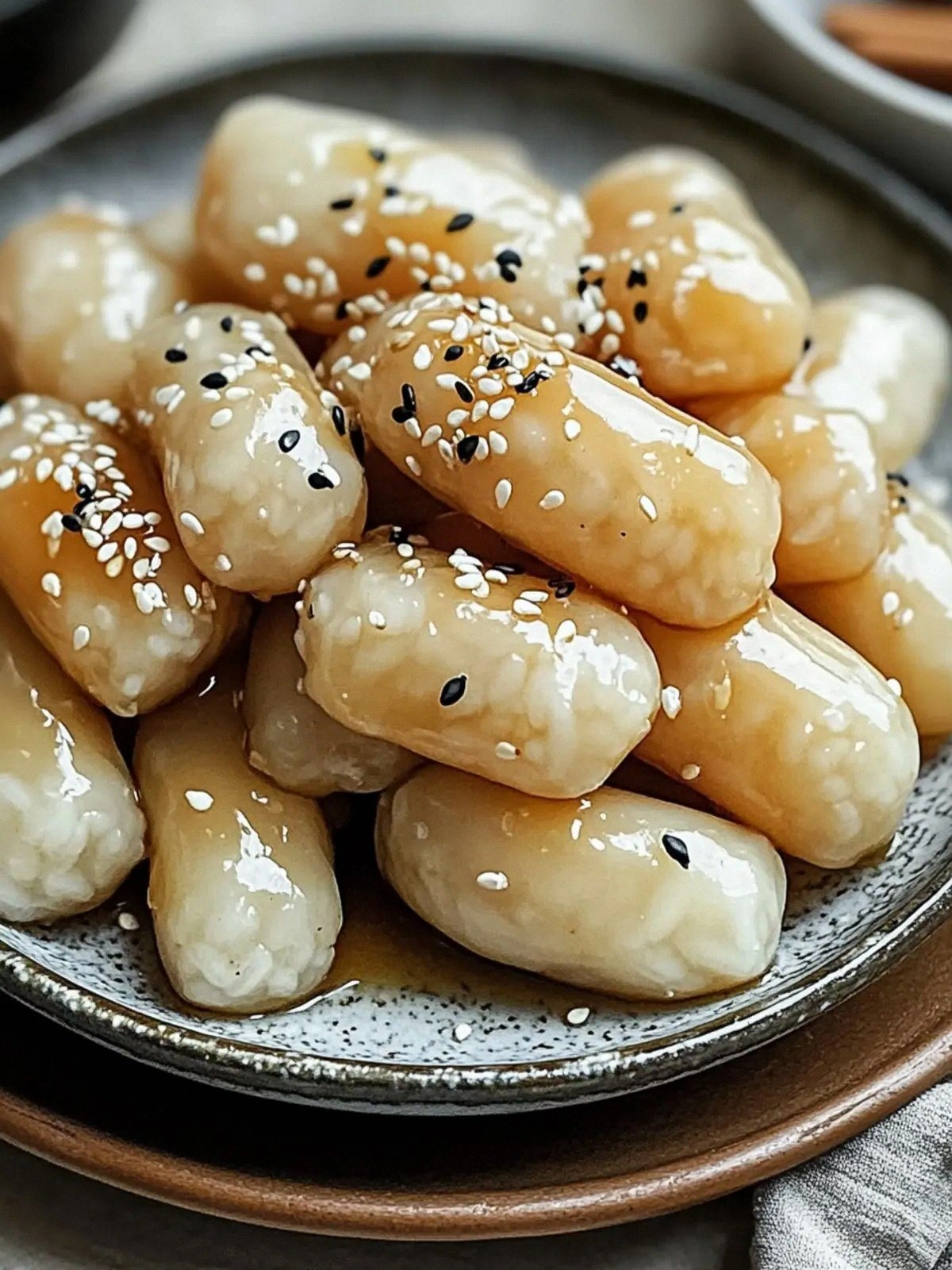
I grabbed my skillet, the pantry, and a dash of daring. The moment I poured the butter into the hot pan, a rich golden scent flooded the room—like a buttery caramel sunrise. I watched the rice cakes sizzle, their surface turning a glossy amber, each one absorbing the sauce like a sponge. The first bite was a symphony of sweet, salty, and buttery notes, followed by a satisfying chew that left a lingering umami trail. I knew right then that this version would eclipse every other recipe I’d tried.
What sets this version apart isn’t just the ingredients; it’s the method and the subtle balance of flavors. The honey and brown sugar create a caramelized glaze that caramelizes without burning, while the soy sauce adds depth and a whisper of umami that elevates the entire dish. The neutral oil keeps the butter from scorching, allowing the rice cakes to brown evenly. And the final touch of butter at the end gives the sauce a silky finish that coats the rice cakes like velvet. I dare you to taste this and not go back for seconds.
If you’ve ever struggled with making Korean rice cakes that are both sweet and savory, you’re not alone—and I’ve got the fix. Picture yourself pulling these out of the pan, the whole kitchen smelling incredible, the rice cakes golden and glossy, ready to be devoured. I promise, this is hands down the best version you’ll ever make at home. Let me walk you through every single step—by the end, you’ll wonder how you ever made it any other way.
What Makes This Version Stand Out
- Flavor Fusion: The combination of honey, brown sugar, and soy sauce creates a sweet‑savory glaze that is richer than any standard recipe. The glaze caramelizes without burning, giving the cakes a glossy, buttery sheen.
- Texture Perfection: The rice cakes puff up slightly, creating a chewy center while the edges crisp up just enough for a satisfying bite. This dual texture is the hallmark of a great Korean rice cake dessert.
- Simplicity: No complex techniques—just a few ingredients and a single pan. Even a novice can replicate the professional result.
- Ingredient Quality: Using high‑quality Korean rice cakes with a fine grain ensures a smoother melt, while the neutral oil prevents butter from burning.
- Make‑Ahead Friendly: Once glazed, the rice cakes keep their flavor for up to 48 hours when stored properly, making it a perfect batch‑cook treat.
- Audience Appeal: The sweet‑savory balance is crowd‑pleasing, making it ideal for parties, game nights, or a comforting solo snack.
- Visual Impact: The glossy glaze and golden edges make for Instagram‑ready plating that turns a simple snack into a showstopper.
- Time Efficiency: Total prep and cook time is under 30 minutes, so you can have dessert on the table before your guests even notice you were cooking.
Alright, let's break down exactly what goes into this masterpiece…
Inside the Ingredient List
The Flavor Base
Honey and brown sugar are the sweet backbone of this glaze. Honey adds a floral sweetness that balances the deep, molasses‑like richness of brown sugar. Together, they create a caramelized coating that glazes the rice cakes perfectly. If you skip either, the glaze will be either too sweet or too flat, missing the depth that makes this dish sing.
The Texture Crew
Korean rice cakes, or tteok, are the star of the show. Their chewy texture holds the glaze, and when cooked just right, they puff slightly for a delightful mouthfeel. If you substitute with regular rice cakes, the texture will be denser and less elastic. For a lighter bite, look for rice cakes made from glutinous rice with a higher moisture content.
The Unexpected Star
Soy sauce might seem ordinary, but its umami punch transforms the glaze from sweet to savory. It also provides a subtle saltiness that balances the sugars. If you’re on a low‑sodium diet, use a reduced‑sodium soy sauce, but keep in mind the overall flavor profile will shift slightly.
The Final Flourish
Butter is the finishing touch that adds richness and a silky glaze. It also helps the glaze set into a glossy sheen. Skipping butter would leave the glaze watery and dull. If you’re vegan, substitute with a plant‑based butter for a similar mouthfeel.
Everything's prepped? Good. Let's get into the real action…
The Method — Step by Step
- Heat a large skillet over medium heat and add 2 tablespoons of butter. Let the butter melt until it starts to foam, but not brown. This creates a buttery base that will caramelize the sugars later. The sizzle is a cue that the pan is ready for the rice cakes.
- Add the 300 g Korean rice cakes to the pan, spacing them evenly. Stir gently to coat each cake with the melted butter. The rice cakes should sizzle and begin to brown on the edges. Watch for the first hint of golden color; that’s the moment the glaze will start to form.
- In a small bowl, whisk together 1 tbsp honey, 2 tbsp brown sugar, and 3 tbsp soy sauce until smooth. Pour this mixture over the rice cakes. The sugars will start to caramelize, forming a glossy glaze. Keep the heat at medium; if it gets too hot, the sugars could burn.
- Add 1 tbsp neutral oil to the skillet. The oil helps prevent the butter from burning and keeps the glaze silky. Stir the rice cakes again so the glaze coats every surface. The mixture should bubble gently, indicating that the glaze is thickening.
- Reduce the heat to low and let the rice cakes simmer in the glaze for 3–4 minutes, turning occasionally. The glaze should thicken and coat the cakes like a glossy sauce. The rice cakes will puff slightly, creating a chewy center. Keep an eye on the pan; the glaze can go from perfect to burnt quickly.
- Remove the skillet from heat and let the rice cakes rest for 2 minutes. This resting period allows the glaze to set and the flavors to meld. The rice cakes will still be hot, but the glaze will have a silky sheen.
- Transfer the glazed rice cakes to a serving dish. Garnish with a drizzle of extra butter or a sprinkle of toasted sesame seeds if you like. The butter adds a final shine, while sesame seeds introduce a nutty aroma.
- Serve immediately while warm, or let them cool to room temperature for a chewy, caramelized treat. The rice cakes stay moist for up to an hour if stored in an airtight container. They’re perfect for a quick dessert or a savory snack.
That's it — you did it. But hold on, I've got a few more tricks that'll take this to another level…
Insider Tricks for Flawless Results
The Temperature Rule Nobody Follows
Many cooks skip the low‑heat simmer step, causing the glaze to scorch. I always keep the heat at medium‑low once the glaze is added. This allows the sugars to caramelize gently, giving the rice cakes a glossy finish without burning. A friend once tried high heat and ended up with a burnt glaze that tasted bitter.
Why Your Nose Knows Best
Smelling the glaze as it cooks is your best indicator of readiness. A sweet, buttery aroma that is slightly caramelized signals that the sugars are at their peak. If the scent is raw or overly sweet, give it a minute longer. Trust your nose; it’s a seasoned judge of caramelization.
The 5‑Minute Rest That Changes Everything
Letting the rice cakes sit for 5 minutes after removing from heat allows the glaze to set. This short rest prevents the glaze from sliding off when you plate the dish. It also gives the rice cakes a chance to firm up slightly, improving the chew. I’ve found that dishes served immediately tend to feel too soft and greasy.
The Butter Finish
Adding a final pat of butter right before serving creates a silky sheen and a rich aftertaste. The butter also helps the glaze adhere to the rice cakes, preventing it from sliding off. If you’re vegan, use a high‑smoke‑point oil like grapeseed instead of butter for a similar effect.
The Sweet‑Savory Ratio
The balance of honey to brown sugar is crucial. A 1:2 ratio (honey to brown sugar) gives a bright sweetness without overpowering the soy. If you prefer a sweeter dish, increase the honey slightly, but keep the soy sauce constant to maintain umami. Experimenting with this ratio can yield a personalized flavor profile.
The Resting Time for Storage
When storing leftovers, let the rice cakes cool completely before sealing them in an airtight container. This prevents condensation that can make the glaze watery. For best flavor, reheat in a skillet over low heat until the glaze is silky again.
Creative Twists and Variations
Coconut‑Creamed Twist
Replace the neutral oil with coconut oil and add a splash of coconut milk during the glaze step. The result is a tropical, creamy glaze that pairs wonderfully with the chewy rice cakes. This variation is perfect for a beach‑themed dinner or a summer gathering.
Spicy Sriracha Kick
Add a tablespoon of sriracha to the glaze for a spicy, sweet explosion. The heat contrasts the caramelized sugars, creating a bold flavor profile that’s great for adventurous palates. Pair it with a cooling cucumber salad to balance the heat.
Cheese‑Infused Delight
Sprinkle grated Parmesan or mozzarella over the rice cakes before glazing. The cheese melts into the sauce, adding a savory depth and a slight tang. This savory‑sweet combo works well as an appetizer or a side dish for grilled meats.
Herb‑Infused Freshness
Stir in chopped fresh mint or cilantro at the end of the cooking process. The herbs add a bright, aromatic note that cuts through the richness of the glaze. This variation is especially refreshing for a summer party.
Berry‑Burst Variation
Fold in a handful of fresh berries (strawberries or blueberries) after the glaze has set. The berries release juice that mingles with the sweet glaze, creating a juicy burst of flavor. This version is great for a brunch or a dessert that feels light and fruity.
Nutty Crunch Upgrade
Toss toasted almond or pecan pieces over the rice cakes before serving. The nuts add a delightful crunch and a nutty aroma that complements the sweet glaze. It’s an excellent way to add protein and texture to the dish.
Storing and Bringing It Back to Life
Fridge Storage
Place the glazed rice cakes in an airtight container and refrigerate for up to 48 hours. The glaze may thicken slightly; a quick warm‑up will restore its silky texture. For best results, keep the container at room temperature for 30 minutes before serving.
Freezer Friendly
Wrap the rice cakes individually in plastic wrap and place them in a freezer bag. They remain fresh for up to 2 weeks. Thaw overnight in the refrigerator and reheat gently in a skillet or microwave to bring back the caramelized glaze.
Best Reheating Method
Reheat the rice cakes over low heat in a skillet, adding a splash of water or broth to create steam. The steam helps the glaze soften without drying out the rice cakes. Finish with a light drizzle of butter for that extra glossy shine.
Everything's ready—taste buds tingling, kitchen smelling like caramelized dreams, and a dish that feels like a warm hug. I’ve spent countless hours tweaking this recipe, and every tweak has brought me closer to the perfect sweet soy butter Korean rice cake. I hope you enjoy crafting this as much as I enjoy devouring it. Now, grab your skillet and let the magic begin.