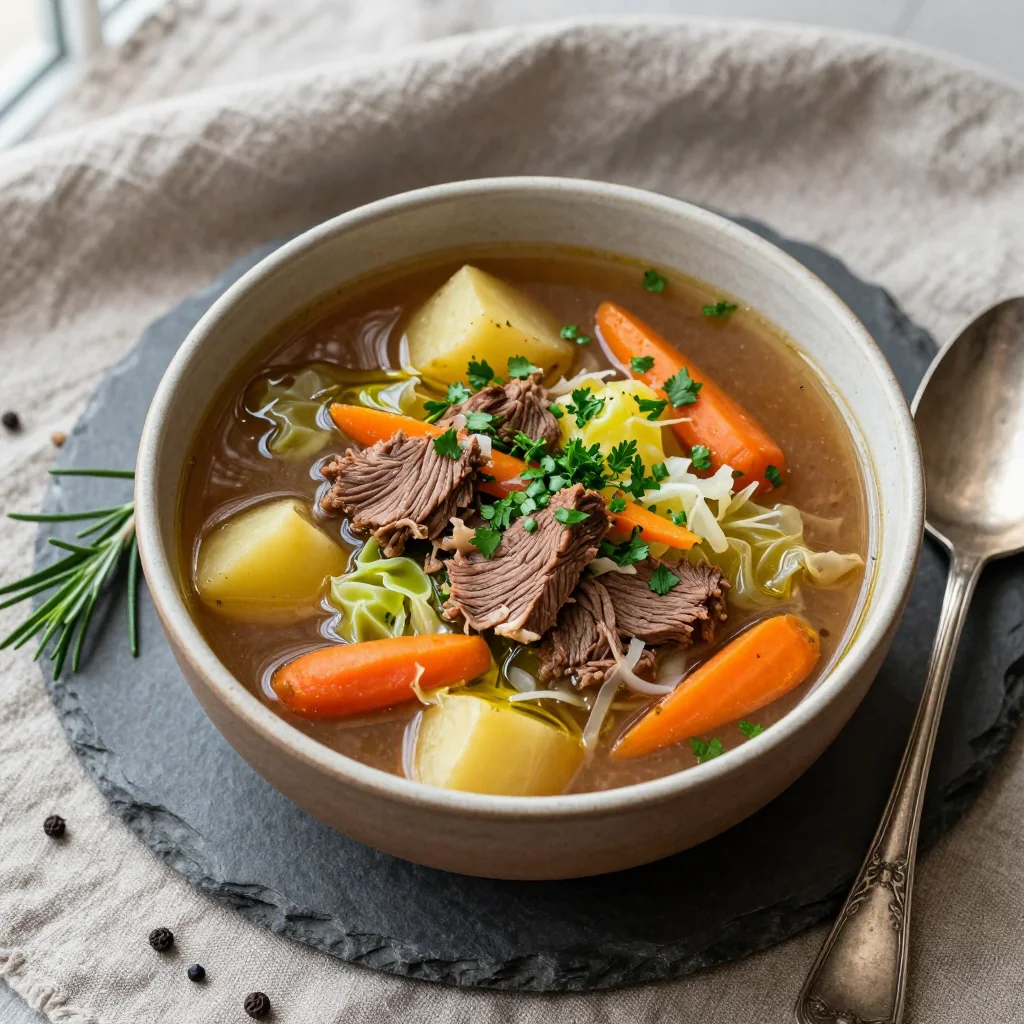
Picture this: I’m standing in a cramped apartment kitchen, the air thick with the scent of garlic and sizzling meat, when I realize the only thing I can afford to buy in bulk is a single, humble bunch of bok choy. I’m not a fancy foodie, but I’m also a master of turning pantry staples into something that feels like a Michelin‑grade dish. That night, after a few too many take‑out meals, I dared myself to create a stir‑fry that would make my taste buds dance and my friends question their own culinary skills. The result? A dish that is hands down the best version you’ll ever make at home, with a crunch that shatters like thin ice and a sauce that coats the leaves like velvet.
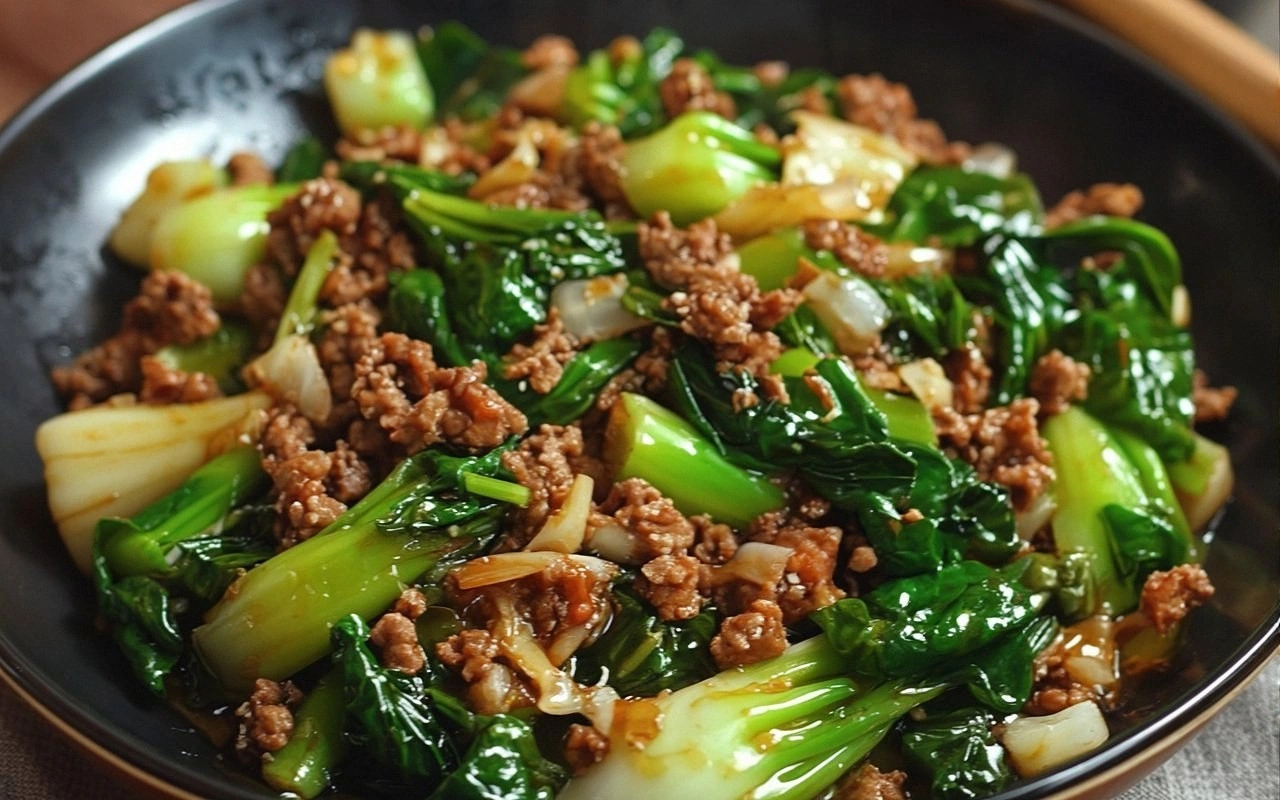
I’ve spent years chasing the perfect stir‑fry, but I never thought I’d find a recipe that feels like a secret weapon in my kitchen arsenal. This version of stir‑fried bok choy with ground beef is a revelation, marrying the earthy sweetness of the greens with the savory depth of a well‑seasoned meat base. The key is a blend of umami sauces that creates a sauce so thick it clings to every leaf, yet light enough to let the vegetables breathe. I dare you to taste this and not go back for seconds; the combination of textures alone will have you reaching for more.
The first bite is a symphony of flavors: the fresh, peppery bite of bok choy, the tender, slightly caramelized ground beef, and a burst of spicy heat from red pepper flakes that dance across the tongue. The aroma alone—garlic, ginger, and soy—lifts the whole kitchen, turning an ordinary evening into a culinary celebration. The texture is a winning combo: crisp stems, tender leaves, and meat that’s juicy but not greasy. And the best part? The dish is so simple that you can whip it up in less than 30 minutes, yet it’s so impressive that your guests will swear you’re a professional chef.
What makes this recipe truly stand out is a single ingredient that most people overlook: oyster sauce. It adds a subtle brininess that elevates the dish beyond the usual soy‑based stir‑fry. Coupled with sesame oil, the dish gets that nutty aroma that instantly transports you to a bustling Asian market. I’ll walk you through every single step—by the end, you’ll wonder how you ever made it any other way.
What Makes This Version Stand Out
- Flavor: The umami punch from soy and oyster sauce creates a sauce that coats the vegetables like velvet, while the sesame oil adds a nutty finish that lingers on the palate.
- Texture: The bok choy stems stay crisp, the leaves stay tender, and the ground meat stays juicy—no soggy or dry spots.
- Simplicity: Five main ingredients plus a few seasonings mean you can pull this together in under 15 minutes, making it a perfect weeknight dinner.
- Versatility: Swap ground beef for turkey or chicken, or even use a plant‑based mince; the sauce adapts beautifully.
- Ingredient Quality: Using fresh ginger and garlic instead of powdered versions gives the dish a vibrant, bright flavor that’s hard to replicate.
- Crowd Reaction: Friends who usually shy away from green veggies will be surprised at how much they love the crispness and umami.
- Make‑Ahead Potential: The flavors deepen when the dish rests, so you can prep it ahead of time and reheat it for a quick meal.
- Balanced Nutrition: High in protein, low in carbs, and packed with vitamins from the bok choy, this dish fits comfortably into any balanced diet.
Alright, let’s break down exactly what goes into this masterpiece…
Inside the Ingredient List
The Flavor Base
Olive oil and sesame oil are the two fats that build the foundation of our stir‑fry. Olive oil provides a subtle fruitiness that balances the savory meats, while sesame oil gives the dish a deep, nutty aroma that’s unmistakably Asian. Skipping either oil will leave the dish feeling flat and lacking depth. If you’re watching calories, you can reduce the olive oil by half, but then you’ll need to add a splash of broth to keep the veggies from drying out.
Garlic and fresh ginger are the aromatic powerhouses that kickstart the flavor profile. Garlic’s sharpness cuts through the richness of the meat, while ginger’s bright, peppery note adds a refreshing lift. If you’re not a fan of raw ginger, try lightly sautéing it first to mellow its heat—just be careful not to burn it, or you’ll get a bitter aftertaste.
Soy sauce is the backbone of the sauce, delivering that salty, umami punch that makes the dish irresistible. For a lower sodium option, use a light soy sauce, but remember to adjust the salt in the recipe accordingly. If you’re craving a sweeter note, a splash of honey or brown sugar can be added, though it will change the overall profile slightly.
The Texture Crew
Bok choy is divided into stems and leaves, each bringing a different mouthfeel. The stems are crunchy and slightly fibrous, while the leaves are tender and delicate. If you prefer a more uniform texture, you can blanch the stems for 30 seconds before adding them to the pan, which softens them just enough without losing their bite.
Ground beef (or your preferred protein) provides the heart of the dish. Use a lean cut to keep the dish light, or choose a fattier cut if you want a richer flavor. If you’re using ground chicken or turkey, reduce the cooking time slightly to prevent the meat from drying out.
Water or chicken broth is added at the end to loosen the sauce and keep the vegetables from sticking to the pan. The liquid also helps the flavors meld together. If you’re using a broth, choose one that’s low in sodium to keep the dish balanced.
The Unexpected Star
Oyster sauce is optional but highly recommended. It brings a sweet, briny depth that elevates the dish beyond a standard soy‑based stir‑fry. If you’re allergic or simply don’t have oyster sauce on hand, a dash of hoisin sauce can serve as a suitable substitute, though the flavor will be slightly sweeter.
Red pepper flakes add a gentle heat that balances the richness of the meat and the sweetness of the sauce. If you’re a heat lover, double the amount, or add a splash of chili oil for an extra kick. Conversely, omit them entirely for a milder version that still tastes fantastic.
The Final Flourish
Salt and black pepper are the final seasonings that tie everything together. Salt enhances the umami, while black pepper adds a subtle warmth. Be cautious with the salt—since soy sauce is already salty, you don’t need much. A pinch of pepper is usually enough, but you can adjust to taste if you prefer a spicier finish.
Everything’s prepped? Good. Let’s get into the real action…
The Method — Step by Step
- Heat a large wok or skillet over medium‑high heat until it shimmers. Add the olive oil and let it swirl around the pan, coating the surface. The oil should be hot enough that a drop of water sizzles and evaporates almost instantly. This is the moment of truth; if the oil is too cool, your vegetables will steam instead of sear.
- Add the minced garlic and ginger, stirring constantly for about 30 seconds. The aroma should become fragrant, not burnt. If the mixture starts to brown too quickly, lower the heat slightly. This step is crucial for building depth without introducing bitterness.
- Introduce the ground beef (or your chosen protein). Break it up with a wooden spoon, spreading it evenly across the pan. Cook for 3–4 minutes, allowing the meat to develop a golden crust. The edges should start pulling away from the pan, indicating a good sear.
- Add the finely chopped onion, stirring to combine with the meat. Sauté until the onion is translucent, about 2 minutes. This will add a subtle sweetness that balances the savory meat.
- Pour in the soy sauce and oyster sauce (if using). Stir vigorously to coat the meat and onions. The sauce should begin to thicken slightly, clinging to the meat. This is where the umami magic starts to unfold.
- Add the bok choy stems first, tossing them for 1 minute to ensure they’re evenly coated. Then add the leaves, which will wilt quickly. Keep the heat high so the vegetables maintain their vibrant green color and crispness.
- Sprinkle in the red pepper flakes, salt, black pepper, and sesame oil. Stir everything together, allowing the flavors to mingle. The sauce should coat the vegetables like a glossy sheen. If the mixture looks dry, add a splash of water or broth.
- Reduce the heat to medium and let the stir‑fry simmer for 2–3 minutes, allowing the flavors to marry. The sauce should thicken to a glaze that clings to every leaf and stem. Taste and adjust seasoning if needed.
- Turn off the heat and transfer the dish to a serving bowl. Let it rest for a minute; the residual heat will finish cooking the vegetables without overcooking them.
- Serve hot over steamed rice or noodles, and drizzle any remaining sauce from the pan. The dish is best enjoyed immediately, when the bok choy is still crisp and the meat is tender.
That’s it — you did it. But hold on, I’ve got a few more tricks that will take this to another level…
Insider Tricks for Flawless Results
The Temperature Rule Nobody Follows
Many cooks lower the heat too quickly after adding the meat, which prevents a good sear. Keep the heat high until the meat is fully browned, then reduce to medium. This ensures a caramelized crust that locks in flavor. I once tried the opposite and ended up with soggy meat that didn’t have that satisfying bite.
Why Your Nose Knows Best
The aroma of garlic and ginger is a reliable indicator of timing. When the scent becomes fragrant but not burnt, it’s time to add the meat. If the smell turns sharp or acrid, the aromatics are overcooked, and you’ll need to adjust your technique. Trust your nose; it’s the best seasoning guide.
The 5‑Minute Rest That Changes Everything
After turning off the heat, let the dish sit for 5 minutes. The residual heat will continue to cook the vegetables, ensuring they’re tender but not mushy. This small pause also allows the sauce to thicken into a glossy glaze. I’ve seen this trick turn a good stir‑fry into a great one.
The Secret to Juicy Meat
Do not over‑crowd the pan. If the wok is too full, the meat will steam instead of sear. Cook in batches if necessary. This keeps the meat juicy and flavorful. My friend once tried to cook too many pieces at once and ended up with a soggy mess.
The Quick Water Splash
If the wok starts to dry, splash a tablespoon of water. The water will instantly vaporize, creating steam that lifts the vegetables and prevents sticking. This simple trick saves you from a ruined stir‑fry and keeps the flavors intact.
Creative Twists and Variations
This recipe is a playground. Here are some of my favorite ways to switch things up:
Spicy Thai Version
Replace the soy sauce with a mix of fish sauce and lime juice, and add sliced fresh chilies. The result is a bright, tangy dish with a fiery kick that pairs well with coconut rice.
Creamy Coconut Twist
Stir in half a cup of coconut milk after the bok choy is wilted. The coconut adds a silky texture and a subtle sweetness that balances the savory flavors.
Vegetarian Delight
Swap the ground beef for crumbled tofu or tempeh. Use a soy‑based protein sauce, and add a splash of nutritional yeast for depth. This version keeps the same structure but offers a plant‑based protein boost.
Gluten‑Free Option
Use tamari instead of soy sauce and ensure your oyster sauce is gluten‑free. This keeps the dish safe for those with gluten sensitivities without sacrificing flavor.
Breakfast Boost
Serve the stir‑fry over a bowl of scrambled eggs or a fluffy rice cake for a hearty breakfast. The protein and greens make for a balanced start to your day.
Asian Fusion Fusion
Add sliced shiitake mushrooms and a splash of rice wine during the cooking process. The mushrooms give an earthy depth that complements the bok choy and meat.
Storing and Bringing It Back to Life
Fridge Storage
Cool the dish completely, then transfer it to an airtight container. Store in the refrigerator for up to 3 days. The flavors will continue to develop, making it even tastier the next day.
Freezer Friendly
For longer storage, freeze in portioned containers for up to 2 months. Thaw overnight in the refrigerator before reheating. The texture remains firm, and the sauce stays glossy.
Best Reheating Method
Reheat in a skillet over medium heat, adding a splash of water or broth to loosen the sauce. Stir frequently until heated through. A tiny splash of water before reheating steams the dish back to perfection.