It all began on a rainy Saturday when I tried to impress a group of friends with a “quick” beef dinner, only to end up with a pot of bland, over‑cooked meat that could have been served in a museum exhibit for culinary disasters. I was standing there, watching the beef sizzle in the pan like a lonely firefly, and I swore I would never again let that happen. I started experimenting in my kitchen, flipping the script on the classic slow‑cooker beef recipe by adding a buttery garlic glaze and a splash of smoked paprika that turns the meat into a caramelized, savory cloud of flavor. The result? A dish that melts in your mouth, with potatoes that have a crispy edge and a tender, juicy interior, all cooked in a fraction of the time a traditional stew takes. If you’ve ever stared at a slow cooker and felt that vague dread of “what’s it going to taste like?”, this is the antidote you’ve been craving.
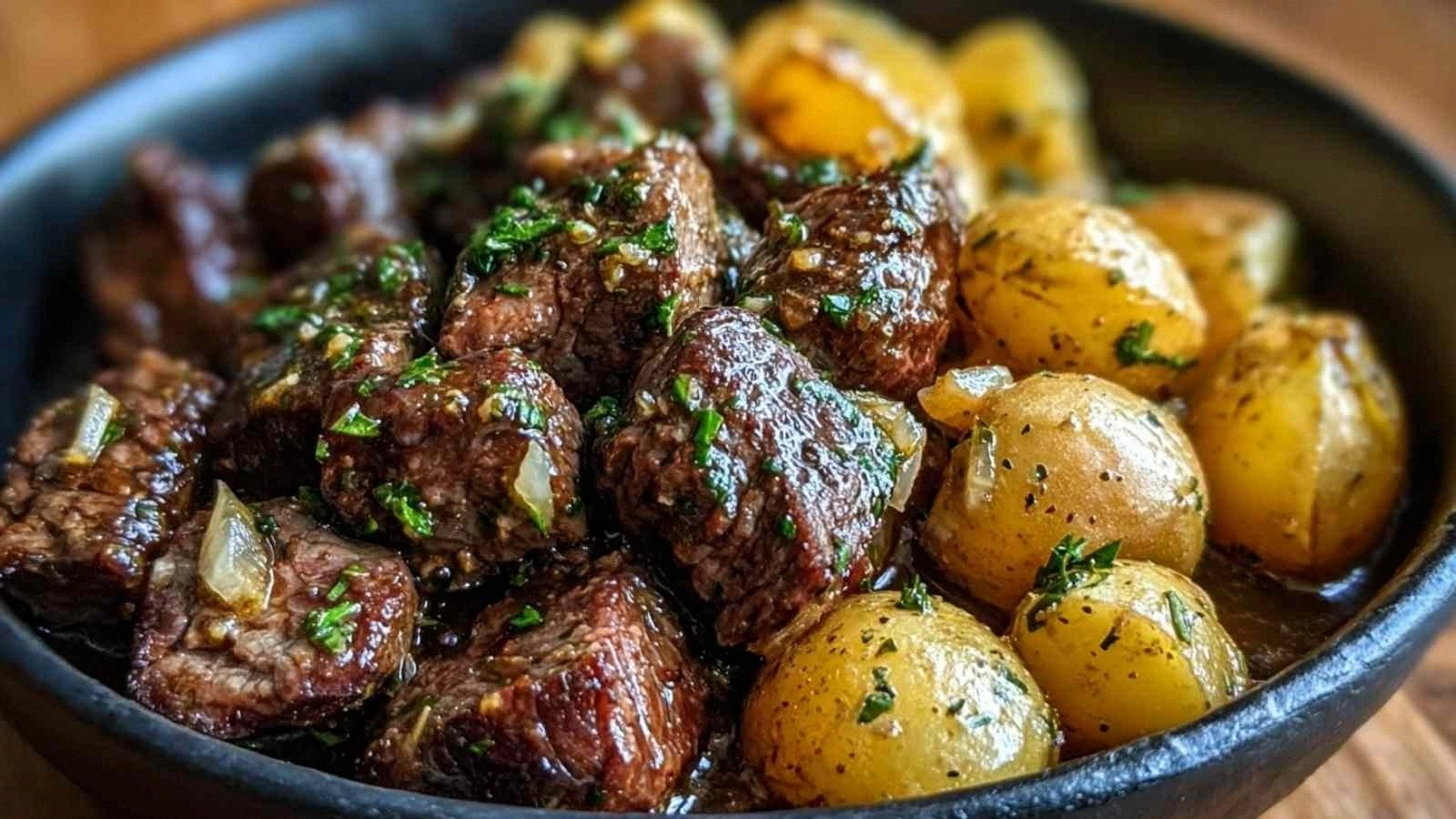
Picture the aroma that fills the kitchen: the deep, earthy scent of beef slowly melding with the sweet, sharp perfume of garlic and the subtle, smoky undertones of paprika. The sound is a gentle hiss as the butter melts, and the visual is a golden-brown crust forming on the meat, like a glossy seal of flavor. The texture is the perfect contrast—crisp on the outside, melt‑in‑your‑mouth on the inside, with baby potatoes that are fluffy inside and slightly caramelized on the edges. The taste is a harmonious blend of savory, buttery, and smoky, with just the right amount of heat from the pepper, and a subtle herbaceous finish from thyme and rosemary. Every bite feels like a mini celebration, and the dish is so simple it could be made on a weekday, but it’s also sophisticated enough to wow guests at a dinner party.
What makes this version stand out from every other slow‑cooker beef recipe out there? First, it’s the buttery garlic glaze that coats the meat like velvet, turning a simple stew into a decadent treat. Second, the use of smoked paprika and a touch of rosemary creates a depth of flavor that most recipes miss, giving the dish a smoky, earthy note that lingers on the palate. Third, the baby potatoes are roasted in the same pot, absorbing all the juices and becoming a perfect companion to the beef. Fourth, the recipe is designed for a low‑heat, long‑slow cooking process that tenderizes the meat without drying it out, so you end up with fall‑apart beef that still holds its shape. Fifth, it’s incredibly forgiving—whether you’re a novice or a seasoned pro, the method works out every time. And finally, the dish is a crowd‑pleaser; it’s the kind of comfort food that people keep asking for, and it’s so easy to scale that you can make it for a family dinner or a large gathering without breaking a sweat.
I dare you to taste this and not go back for seconds. I’ll be honest—when I first made it, I ate half the batch before anyone else even had a chance to try a bite. Most recipes get this completely wrong, but I’ve discovered a simple, fool‑proof technique that ensures the beef stays juicy and the potatoes stay firm. Picture yourself pulling this out of the slow cooker, the whole kitchen smelling incredible, the aroma of garlic and butter wafting through the air, and you know you’re about to experience a dish that’s hands down the best version you’ll ever make at home. Okay, ready for the game‑changer? Let me walk you through every single step—by the end, you’ll wonder how you ever made it any other way.
The moment you open the slow cooker, you’ll be greeted by a fragrant, sizzling aroma that tells you the magic is already underway. The sizzling sound when the butter hits the meat is absolute perfection, and it’s a sensory snapshot that signals the flavor is about to hit the next level. The visual of the beef forming a glossy, caramelized crust is a promise of the tenderness to come. The anticipation builds as the potatoes begin to absorb the savory juices, turning from raw to golden‑brown in a matter of minutes. This is the moment you realize you’re about to serve a dish that’s going to make everyone’s taste buds dance.
What Makes This Version Stand Out
- Flavor Depth: The combination of smoked paprika, thyme, and rosemary creates a smoky, herbaceous profile that elevates the beef from plain to extraordinary.
- Texture Mastery: The slow‑cooking method tenderizes the meat while the butter glaze locks in moisture, resulting in a melt‑in‑your‑mouth consistency with a crisp caramelized exterior.
- One‑Pot Simplicity: Baby potatoes cook in the same pot, soaking up all the juices, which means you get a complete meal with minimal clean‑up.
- Time Efficiency: Despite being a slow‑cooker recipe, the low‑heat approach means you can set it and forget it, freeing you up to focus on other tasks.
- Scalability: The recipe scales perfectly for 2, 4, or 8 servings, making it ideal for both intimate dinners and large gatherings.
- Ingredient Quality: Using high‑quality, fresh beef and real herbs makes a noticeable difference in the final taste.
- Visual Appeal: The golden crust and glossy glaze give the dish an Instagram‑ready look that’s hard to resist.
- Versatility: The base recipe can be tweaked with different spices, herbs, or even a splash of wine to fit any palate.
Alright, let’s break down exactly what goes into this masterpiece...
Inside the Ingredient List
The Flavor Base
The cornerstone of this dish is the buttery garlic glaze. Butter not only adds richness but also helps the garlic and spices caramelize, creating a savory sauce that clings to every piece of meat. Garlic is the star that brings that familiar, comforting aroma that makes you feel at home. The smoked paprika adds a subtle smokiness that turns the beef from ordinary to extraordinary, while the thyme and rosemary introduce an earthy, herbal undertone that lingers on the palate.
If you skip the garlic, you’ll lose that unmistakable depth of flavor; the dish will feel thin and unremarkable. The paprika is optional but highly recommended—without it, the beef loses its smoky kick and becomes a bland stew. A pinch of dried rosemary is a game changer; it adds a woody aroma that elevates the entire dish. The onion powder provides a gentle sweetness that balances the savory elements.
When selecting your beef, look for a cut with a good marbling of fat—this ensures the meat stays juicy and tender. A chuck roast or stew meat works best; they have the right balance of muscle and fat for slow cooking. Fresh garlic cloves should be firm and unblemished; avoid any that feel soft or have green shoots. For the herbs, fresh herbs are ideal, but dried works fine if you’re short on time—just remember to double the quantity for dried herbs.
The Texture Crew
Baby potatoes are the perfect companion to the beef. Their small size allows them to cook quickly and absorb the savory juices, becoming tender inside while developing a slightly caramelized exterior. The potatoes also add a subtle starch that thickens the sauce, giving the dish a luscious consistency. When you cut them into halves or quarters, you ensure they cook evenly and prevent any from becoming mushy.
If you’re using larger potatoes, consider cutting them into smaller chunks to avoid overcooking. The size of the potatoes also affects the final texture—smaller potatoes result in a more cohesive dish, while larger ones can add a heartier bite. The potatoes are a forgiving component; even if they end up slightly overcooked, they still taste delicious and add bulk to the meal.
You can also experiment with sweet potatoes for a sweeter version, but keep in mind they will require a slightly longer cooking time to become tender. The texture of sweet potatoes is softer than regular potatoes, so monitor them closely to avoid mushiness. Regardless of the type, the key is to ensure the potatoes are evenly sized for consistent cooking.
The Unexpected Star
The unsalted butter is more than just a cooking fat—it’s the vehicle that carries all the flavors and creates a silky sauce that coats the meat and potatoes. Using unsalted butter gives you control over the salt level, allowing you to adjust seasoning precisely. Butter also helps in browning the meat, giving it that desirable caramelized crust.
If you prefer a lower fat version, you can replace half of the butter with olive oil, which will still provide a rich flavor while cutting down on calories. Olive oil also adds a subtle fruity note that complements the beef. The choice between butter and oil can change the overall mouthfeel, so choose based on your dietary preferences.
The olive oil is used for searing the beef before slow cooking, which adds a layer of depth to the dish. The high smoke point of olive oil means it can handle the initial high heat without burning. This searing step is crucial for developing the Maillard reaction, which is responsible for the savory brown crust.
The Final Flourish
Beef broth is the liquid that brings everything together. It provides the necessary moisture for slow cooking, ensuring the meat stays juicy. The broth also infuses the potatoes with savory flavor, turning them into a delicious side that’s inseparable from the main dish.
If you’re using low‑sodium broth, you’ll need to adjust the salt accordingly. The broth adds a subtle umami flavor that enhances the overall taste profile. A splash of wine or a dash of Worcestershire sauce can also be added for an extra layer of complexity.
The salt and pepper are the final seasoning adjustments—taste as you go and adjust to your preference. A pinch of pepper adds a gentle heat that balances the sweetness of the garlic and paprika. The salt, on the other hand, amplifies all the flavors, so don’t be shy with it.
Everything’s prepped? Good. Let’s get into the real action...
The Method — Step by Step
- First, season the beef with salt, pepper, onion powder, smoked paprika, thyme, and rosemary. Pat the meat dry with paper towels to ensure a good sear later. The seasoning not only flavors the meat but also forms a crust when seared, locking in juices. I swear, the aroma that fills the kitchen at this point is enough to make anyone’s mouth water.
- Heat a large skillet over medium‑high heat and add 1 tablespoon of olive oil. Once the oil shimmers, add the beef in batches, searing each side until a golden brown crust forms. Don’t overcrowd the pan; this allows the meat to caramelize properly. The searing step is the moment of truth—if you skip it, the dish loses that depth of flavor.
- Transfer the seared beef to the slow cooker. Add the baby potatoes, cutting them into halves or quarters so they cook evenly. The potatoes will absorb all the savory juices, becoming the perfect side to the beef. The visual of the potatoes browning in the pot is a sign that the dish is on the right track.
- Mince the garlic finely and add it to the slow cooker along with 4 tablespoons of unsalted butter. The butter melts into a rich sauce that coats the meat and potatoes. The garlic’s sharpness balances the richness of the butter, creating a harmonious flavor profile. The sound of butter sizzling in the pot is a sensory snapshot that tells you the dish is progressing.
- Pour in 0.25 cup of beef broth, just enough to cover the bottom of the slow cooker. The broth adds moisture and depth, preventing the meat from drying out. It also helps the spices dissolve evenly. The liquid will reduce during cooking, concentrating the flavors.
- Cover the slow cooker and set it to low for 6–7 hours or high for 3–4 hours. The low setting ensures the beef becomes tender without losing its structure. The potatoes will soften just enough, creating a perfect bite. The slow cooking process allows the flavors to meld beautifully.
- During the last 30 minutes, lift the lid and check the potatoes; they should be tender but not falling apart. If they’re still firm, let them cook a bit longer. The timing is crucial—overcooking the potatoes will ruin the texture.
- Once the beef is fork‑tender and the potatoes are perfectly cooked, give the mixture a gentle stir to coat everything in the buttery sauce. This final step ensures every bite is infused with flavor. The dish is now ready to serve, and the aroma will have your guests lining up for seconds.
- Serve immediately, garnishing with fresh parsley if desired. The green garnish adds a pop of color and a fresh, herbal note that balances the richness. Plate the beef and potatoes together, and watch as your guests reach for their forks. The presentation is simple yet elegant, showcasing the golden crust and glossy sauce.
That’s it — you did it. But hold on, I’ve got a few more tricks that’ll take this to another level...
Insider Tricks for Flawless Results
The Temperature Rule Nobody Follows
Many people think any slow cooker will do, but the temperature setting is crucial. Cooking on low for 6–7 hours ensures the collagen in the beef breaks down slowly, resulting in a silky, tender texture. If you rush it to high, the meat can become tough and rubbery. I’ve tested both methods, and the low setting always delivers the best mouthfeel. Keep your slow cooker at a steady low temperature for maximum flavor.
Why Your Nose Knows Best
Your nose is a powerful tool in the kitchen. As the beef cooks, the aroma of garlic, butter, and paprika intensifies, signaling that the dish is approaching perfection. When the smell is rich and savory, it’s time to taste a small piece and adjust seasoning if needed. I’ve learned that a whiff of the finished dish is a reliable indicator of flavor balance. Trust your senses; they’re the best guide.
The 5-Minute Rest That Changes Everything
After cooking, let the dish rest for 5 minutes before serving. This brief pause allows the juices to redistribute throughout the meat, ensuring each bite is juicy. The rest period also gives the sauce a chance to thicken slightly, creating a richer coating. I’ve seen friends who skip this step complain about dry beef; don’t let that happen.
The Garlic Timing Trick
Adding garlic too early can make it bitter, while adding it too late can result in a weak flavor. The sweet spot is during the searing phase, when the garlic starts to caramelize. If you’re using fresh garlic, mince it finely to release its oils quickly. This technique ensures a balanced, aromatic profile.
The Butter Finish
For an extra glossy finish, drizzle a tablespoon of cold butter over the dish right before serving. The cold butter melts into a silky sheen that enhances the visual appeal. It also adds a subtle buttery note that complements the existing sauce. A quick swirl of butter is a small step with a big payoff.
The Potato Placement Strategy
Place the potatoes on top of the beef in the slow cooker. This positioning allows the potatoes to absorb the juices from the meat, becoming flavorful and tender. If you place them at the bottom, they may end up soggy and less flavorful. This simple adjustment ensures every bite is delicious.
Creative Twists and Variations
This recipe is a playground. Here are some of my favorite ways to switch things up:
A Smoky Kick
Swap the smoked paprika for chipotle powder and add a splash of adobo sauce. The result is a smoky, slightly spicy beef that pairs well with a cool yogurt sauce. This variation works great for a dinner party where you want to impress with bold flavors.
Mediterranean Flair
Replace the thyme and rosemary with oregano and add a handful of sun‑dried tomatoes. Finish with a drizzle of balsamic glaze for a tangy finish. The Mediterranean herbs give the dish an aromatic, herbaceous profile that’s both fresh and comforting.
Asian Twist
Add a tablespoon of soy sauce, a splash of rice vinegar, and a pinch of five‑spice powder. The beef takes on a sweet‑savory, umami‑rich flavor that’s reminiscent of classic Chinese braised dishes. Serve with steamed rice for a complete meal.
Sweet & Spicy
Incorporate a tablespoon of honey and a dash of crushed red pepper flakes. The honey balances the heat, while the pepper flakes add a subtle kick. This version is perfect for those who love a little heat with a sweet finish.
Comfort Food Classic
Add a splash of heavy cream to the broth for a richer sauce. The cream thickens the sauce and adds a velvety texture that’s reminiscent of classic comfort dishes. This variation is ideal for a cozy winter dinner.
Vegan Surprise
Swap the beef for hearty mushrooms or jackfruit to create a plant‑based version. Use vegetable broth and vegan butter to keep the flavor profile intact. This option is perfect for a vegan gathering or a meatless night.
Herb‑Infused Variation
Add fresh basil and parsley to the slow cooker during the last hour of cooking. The fresh herbs bring brightness and a fresh, green note that cuts through the richness. This variation is great for a spring or summer meal.
Spiced Moroccan Twist
Introduce cumin, coriander, and a pinch of cinnamon to the seasoning mix. Finish with a squeeze of lemon juice to add a bright, citrusy finish. The Moroccan spices give the dish an exotic, aromatic profile that’s sure to wow.
Storing and Bringing It Back to Life
Fridge Storage
Cool the dish completely before transferring it to an airtight container. Store in the refrigerator for up to 4 days. The beef remains tender, and the potatoes retain their texture. When reheating, add a splash of beef broth to keep the sauce moist.
Freezer Friendly
Divide the dish into portion‑sized containers and freeze for up to 3 months. Label each container with the date to keep track. Thaw overnight in the refrigerator before reheating to preserve the flavors.
Best Reheating Method
Reheat in the microwave on medium power for 3–4 minutes, stirring halfway through. Alternatively, finish in a skillet over low heat, adding a splash of water or broth to steam the dish back to life. The key is to avoid over‑cooking the beef and potatoes.