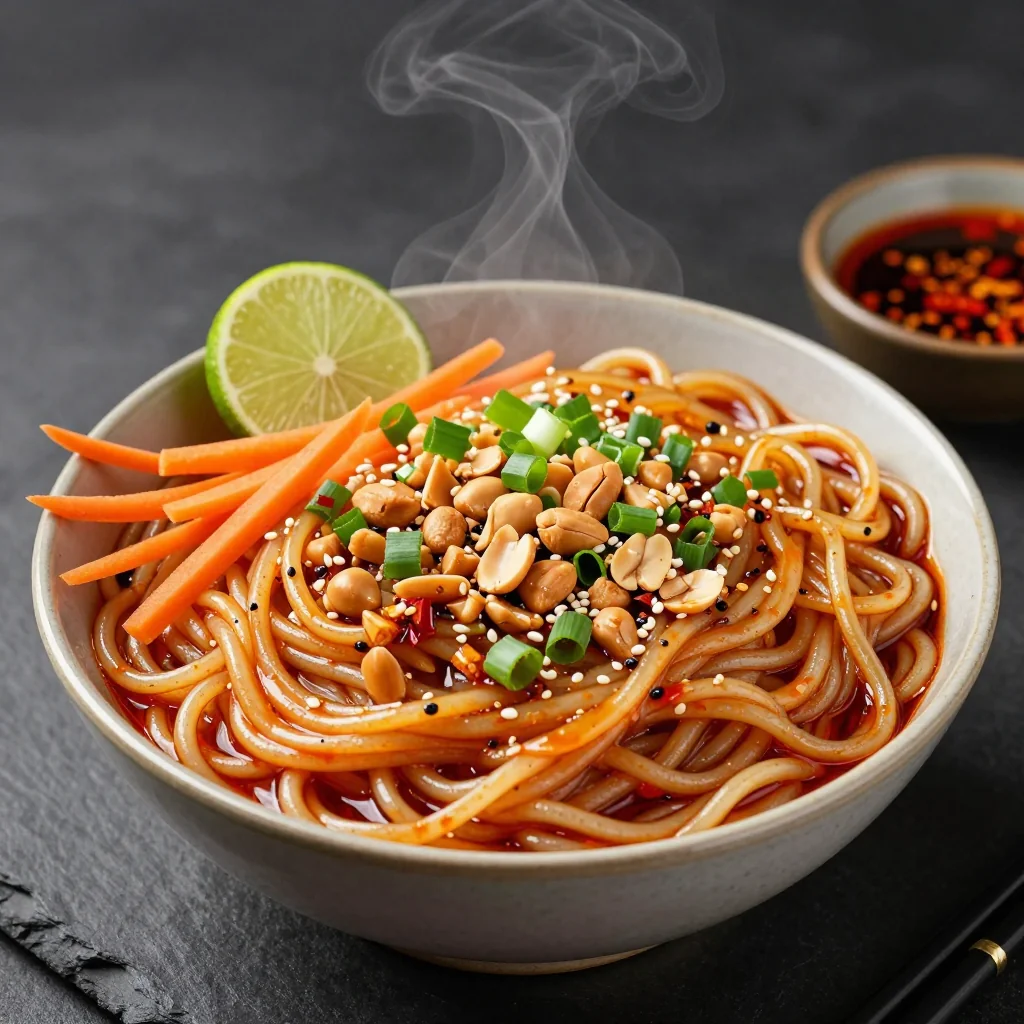
I was standing in my kitchen, staring at a pile of rotisserie chicken that had been left in the fridge for a week, feeling a little guilty about that last night’s takeout. The idea of turning that limp meat into something that could compete with a fancy restaurant dish was both a dare and a dream. I grabbed a bag of rice noodles, a jar of creamy peanut butter, and a handful of fresh veggies, and whispered, “Let’s see if we can make this a showstopper.” The aroma that began to unfurl was a promise of something bright, spicy, and utterly comforting.
The first thing you notice is the glossy sheen of the noodles, their silky texture clinging to the sauce like a velvet cloak. The air is thick with the nutty scent of peanut butter mingling with the sharp tang of lime and the subtle heat of sriracha. As the sauce simmers, it releases a steam that feels like a warm hug, while the crunch of fresh vegetables pops like tiny fireworks. The taste is a balanced dance: sweet honey, salty soy, bright lime, and a whisper of ginger that keeps you coming back for more. If you’re skeptical, I dare you to taste this and not go back for seconds.
What makes this version stand out is that it’s not just a recipe; it’s a conversation starter. I’ve taken the classic Thai peanut noodle and added a few secret twists that elevate it from ordinary to unforgettable. The sauce, for instance, is thick enough to coat each strand, yet light enough to let the flavors mingle without feeling heavy. The rotisserie chicken is shredded to the perfect bite size, so it’s tender and juicy, not dry or chewy. And the final garnish—crunchy peanuts, sesame seeds, and fresh cilantro—adds layers of texture and aroma that make every bite feel like a mini celebration.
Picture yourself pulling this out of the pan, the whole kitchen smelling incredible, the steam rising like a fragrant cloud. The dish will be served steaming hot, a colorful bowl that invites you to dive right in. I’ve been told that the first bite is so satisfying you’ll want to keep going, but I’ll be honest—I ate half the batch before anyone else got to try it. And most recipes get this completely wrong. Here’s what actually works: a sauce that balances heat and sweetness, noodles that are cooked al dente, and a final garnish that adds crunch and freshness. If you've ever struggled with this, you're not alone—and I've got the fix.
What Makes This Version Stand Out
- Flavor: The sauce is a symphony of sweet, salty, sour, and spicy, with a peanut butter base that coats the noodles like velvet. The subtle ginger and garlic give it a depth that keeps the palate engaged.
- Texture: The rice noodles are cooked to al dente perfection, offering a slight chew that contrasts beautifully with the crisp vegetables and crunchy peanuts.
- Convenience: Every ingredient is pantry‑friendly, and the recipe is ready in under an hour, making it ideal for busy weeknights.
- Versatility: Swap rotisserie chicken for tofu, shrimp, or beef, and you’ll still have a dish that’s equally delicious.
- Presentation: The vibrant colors—green from veggies, golden from peanuts, and bright lime—make the dish Instagram‑worthy.
- Make‑ahead: The sauce can be prepped ahead and stored; just add the noodles and veggies when you’re ready to serve.
Alright, let's break down exactly what goes into this masterpiece…
Inside the Ingredient List
The Flavor Base
The sauce is the heart of this dish, and it starts with a creamy peanut butter foundation. The ½ cup of peanut butter provides a rich, nutty flavor that balances the acidity of lime and vinegar. Adding 3 tablespoons of soy sauce introduces umami and saltiness, while 1 tablespoon of honey or maple syrup sweetens the mixture just enough to counter the heat of sriracha. If you prefer a vegan version, swap the honey for maple syrup or agave nectar. Skipping any of these elements will leave the sauce thin and underwhelming; the harmony of flavors is what makes it memorable.
The Texture Crew
Rice noodles are the canvas that absorbs the sauce’s richness. Cook them al dente so they hold their shape and provide a pleasant chew. The sliced vegetables—such as bell pepper, carrots, and snow peas—add crunch and color, but they’re also a source of vitamins and fiber. Shredded rotisserie chicken adds protein and moisture, turning the dish into a filling meal. If you’re in a hurry, pre‑shredded chicken works just fine, but fresh shredding gives a better texture. The final crunch comes from toasted chopped peanuts and a sprinkle of sesame seeds, which also add a subtle nutty aroma.
The Unexpected Star
Fresh ginger and garlic are the unsung heroes that bring depth to the sauce. Grated ginger adds a peppery warmth that cuts through the sweetness, while minced garlic offers a savory backbone. These aromatics are essential; omitting them will make the sauce feel flat. For a milder version, reduce the ginger to ½ teaspoon or use garlic powder. If you’re experimenting, try adding a splash of fish sauce for an extra umami kick.
The Final Flourish
The finishing touches—green onions, cilantro, lime wedges, and toasted sesame seeds—transform the dish from simple to spectacular. Green onions give a sharp, oniony bite, while cilantro adds herbal brightness. Lime wedges allow diners to squeeze fresh lime into their bowls, tailoring the acidity to taste. Sesame seeds lend a subtle nuttiness and a satisfying crunch. Each garnish is carefully chosen to enhance the overall flavor profile and create a multi‑sensory experience.
Everything's prepped? Good. Let's get into the real action…
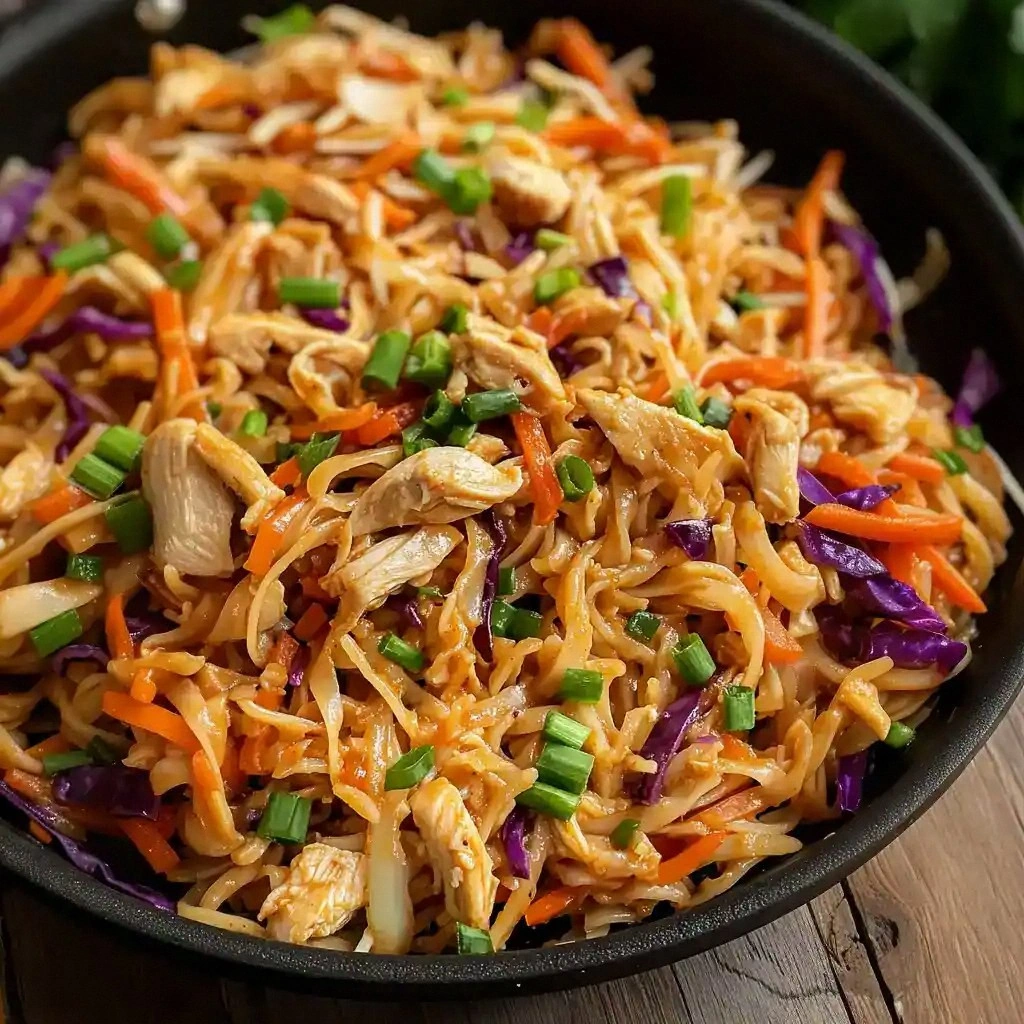
The Method — Step by Step
- Bring a large pot of salted water to a rolling boil. Add the rice noodles and cook for 4–5 minutes until they’re al dente. Drain and rinse under cold water to stop the cooking process; toss with a teaspoon of sesame oil to keep them from sticking. This step ensures the noodles maintain a firm bite that’s perfect for soaking up the sauce.
- While the noodles are cooking, heat a tablespoon of sesame oil in a large skillet over medium heat. Add the minced garlic and grated ginger, sautéing for 30 seconds until fragrant. The aroma should be intoxicating; you’ll know it’s ready when the garlic turns a light golden color. This forms the aromatic base for the sauce.
- In a small bowl, whisk together the peanut butter, soy sauce, rice vinegar, lime juice, honey, and sriracha. Add the warm water to thin the mixture until it’s smooth and pourable. The sauce should coat a spoon without dripping. If it’s too thick, add a splash more water; if too thin, add a little more peanut butter.
- Pour the sauce into the skillet with the aromatics, stirring constantly to combine. Let it simmer for 2–3 minutes, allowing the flavors to meld. The sauce should thicken slightly and develop a glossy sheen. This is the moment of truth; the sauce must be rich, not watery.
- Add the shredded rotisserie chicken to the skillet, tossing to coat it evenly with the sauce. Cook for an additional 2 minutes, just until the chicken is heated through. Overcooking will dry it out, so keep the heat moderate.
- Stir in the sliced vegetables, letting them soften just enough to stay crisp—about 3 minutes. The vegetables should still have a bite, providing a satisfying contrast to the tender chicken. This step keeps the dish light and colorful.
- Add the cooked noodles to the skillet, tossing everything together until the noodles are fully coated and heated through. The noodles should feel warm and coated with the silky sauce, but not soggy. If the mixture seems dry, splash a bit more warm water.
- Transfer the noodle mixture to a serving bowl. Garnish with chopped peanuts, toasted sesame seeds, sliced green onions, chopped cilantro, and lime wedges. Serve immediately while hot; the contrast of warm noodles and cool garnishes is a sensory delight.
That’s it — you did it. But hold on, I've got a few more tricks that'll take this to another level…
Insider Tricks for Flawless Results
The Temperature Rule Nobody Follows
Keep the skillet at medium heat when adding the sauce. A higher temperature can cause the peanut butter to burn, leaving a bitter aftertaste. I once tried a high‑heat method and ended up with a burnt sauce that tasted like a campfire. Stick to medium, and the sauce will stay smooth and flavorful.
Why Your Nose Knows Best
When you’re cooking, trust your sense of smell. If the sauce starts to smell overly sweet or overly acidic, adjust the honey or lime juice. The aroma is a real-time indicator of balance. I always pause and sniff before adding the final pinch of sriracha; it tells me if the heat is right.
The 5-Minute Rest That Changes Everything
Let the dish rest for 5 minutes after cooking. This allows the flavors to marry and the noodles to absorb the sauce fully. During this short rest, the sauce will thicken slightly, making each bite richer. A friend tried skipping this step and found the noodles soggy; the rest is a game‑changer.
The Quick Toss Trick
When adding the noodles to the sauce, toss vigorously for 30 seconds. This ensures even coating and prevents clumping. I learned this trick from a Thai cook I met at a market; the quick toss is essential for that silky feel.
The Final Garnish Timing
Add the peanuts, sesame seeds, and cilantro just before serving. If you add them too early, the peanuts can become soggy and the cilantro wilt. Sprinkle them on top to preserve crunch and freshness.
Creative Twists and Variations
This recipe is a playground. Here are some of my favorite ways to switch things up:
Coconut Curry Twist
Replace the rice vinegar with coconut milk and add a teaspoon of curry powder. The result is a creamy, aromatic dish that pairs perfectly with grilled shrimp. The coconut flavor complements the peanut butter and adds a tropical vibe.
Spicy Korean BBQ Version
Swap the soy sauce for Korean gochujang and add a splash of sesame oil. Top with kimchi for an extra kick of fermented flavor. This variation offers a bold, umami‑rich profile that will wow any foodie.
Vegetarian Delight
Use tofu or tempeh instead of chicken, and add edamame or mushrooms for protein. The tofu soaks up the sauce beautifully, creating a plant‑based version that’s just as satisfying.
Low‑Carb Option
Replace rice noodles with spiralized zucchini or shirataki noodles. The dish stays light and flavorful while cutting carbs dramatically. The texture is a bit different, but the sauce still adheres well.
Breakfast Edition
Serve the noodles with a fried egg on top and drizzle extra sriracha. The yolk adds richness, and the dish becomes a hearty breakfast that feels like dinner.
Storing and Bringing It Back to Life
Fridge Storage
Store the dish in an airtight container for up to 3 days. The noodles will stay soft, and the sauce will remain creamy. Reheat in a skillet over low heat, adding a splash of water to restore moisture.
Freezer Friendly
Freeze the dish for up to 2 months. Thaw overnight in the fridge and reheat in a saucepan, stirring frequently. Adding a teaspoon of warm water during reheating helps keep the sauce silky.
Best Reheating Method
The ideal way to reheat is in a skillet over medium heat, stirring until hot. A tiny splash of water or broth will prevent the sauce from thickening too much. The result is a dish that tastes almost freshly made.