Picture this: it’s a rainy Saturday, the kitchen’s humming with the sound of a blender, and I’m staring at a box of frozen potstickers that have been sitting in the freezer for months. I’ve tried the classic pan‑fried version a dozen times, but each batch ends up either soggy or unevenly crisp—an honest culinary disappointment. That night, my friend dared me to turn those potstickers into a stir‑fry that would have everyone begging for seconds. I was skeptical, but I also knew that a little ingenuity could transform the ordinary into the extraordinary.
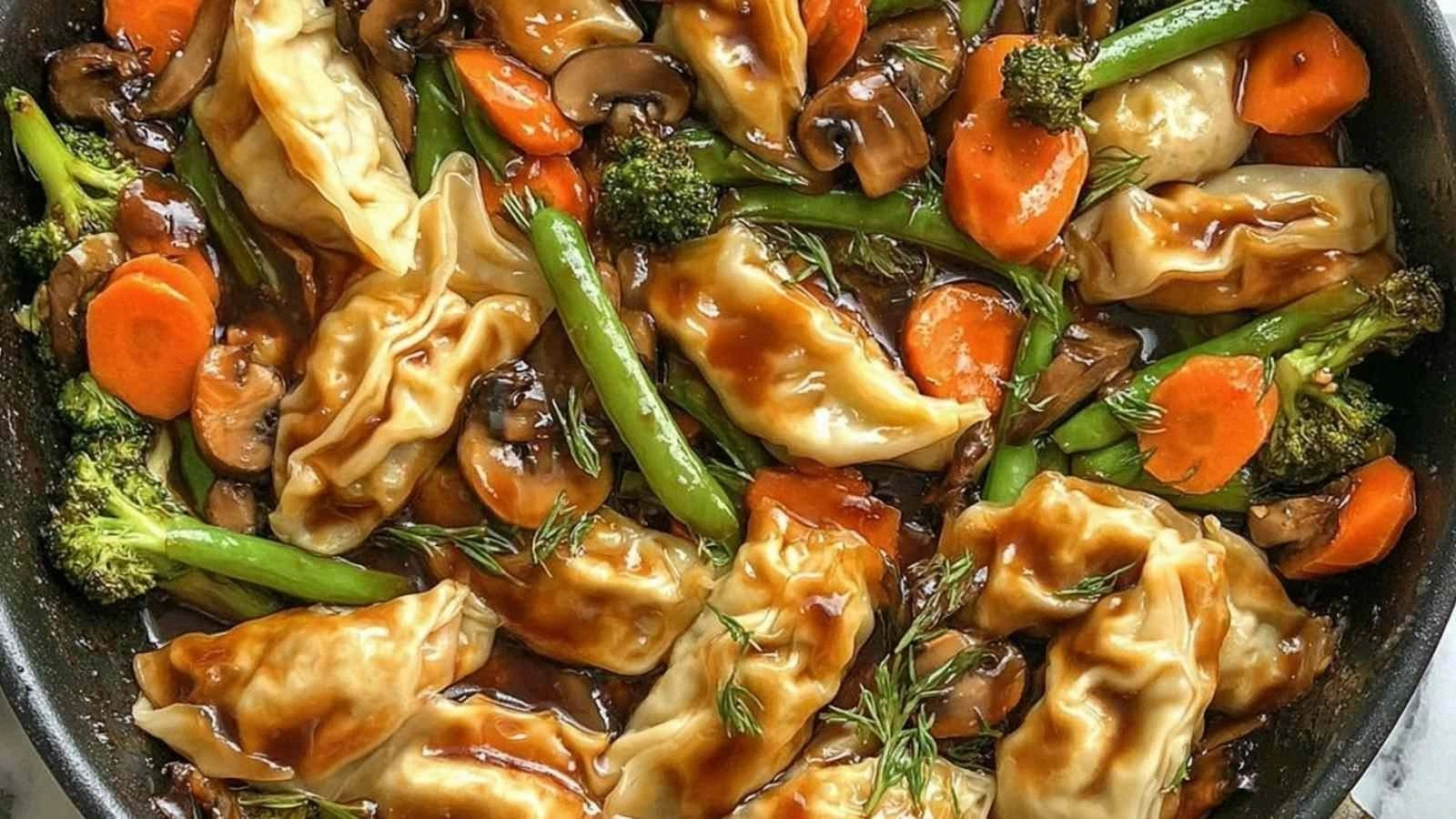
I opened the box, scooped out ten plump dumplings, and set them aside. The aroma that followed—earthy mushrooms, fresh broccoli, and the subtle sweetness of honey—filled the air and made my stomach growl louder than the rain. I imagined the potstickers, once crisped to a golden edge, now coated in a glossy, savory sauce that clings like velvet to every bite. The contrast between the chewy interior and the crisp exterior felt like a culinary dance, and I could already taste the crunch shattering like thin ice under a spoon.
This isn’t just another stir‑fry. It’s a bold reinvention that takes the humble potsticker and turns it into a show‑stopper. The sauce, a harmonious blend of soy, vinegar, honey, and ginger, creates a balance that lingers on the palate, while the vegetables add crunch, color, and a nutritional punch. I’m not just talking about flavor; I’m talking about texture, visual appeal, and the sheer joy of turning a frozen staple into a restaurant‑grade dish.
What sets this version apart is the subtle yet powerful technique of quick sautéing the dumplings before they meet the vegetables, a method that locks in moisture and locks in crispness. And if you’re wondering about the secret weapon, it’s the splash of water during the initial pan‑fry—an unexpected twist that keeps the edges from drying out. By the end of this post, you’ll have a recipe that’s so delicious it will make you question whether you ever made it any other way. Let me walk you through every single step — by the end, you’ll wonder how you ever made it any other way.
What Makes This Version Stand Out
- Taste: The sauce is a symphony of sweet, umami, and citrusy tang that coats the dumplings without overwhelming them. It’s like a velvet blanket that still lets the flavors of the vegetables shine through.
- Texture: The potstickers boast a buttery, golden crust that cracks delightfully, while the interior remains tender and juicy. The vegetables stay crisp, offering a satisfying bite that balances the soft dumplings.
- Simplicity: With only a handful of ingredients, you can whip up a restaurant‑style dish in under 45 minutes. No elaborate prep or hard‑to‑find pantry staples.
- Uniqueness: The quick water splash technique during the initial sear keeps the edges from drying out, a trick that sets this recipe apart from the usual pan‑fried potsticker.
- Crowd Reaction: Friends and family line up for seconds, and I’ve been known to eat half the batch before anyone else gets a chance.
- Ingredient Quality: Fresh, vibrant veggies and high‑quality soy sauce elevate the dish, ensuring every bite is packed with flavor.
- Cooking Method: A single pan handles everything—no extra dishes, no extra cleanup, just pure, efficient flavor.
- Make‑Ahead Potential: The stir‑fry can be prepped ahead and reheated without losing its crispness, making it a perfect weeknight or last‑minute dinner solution.
Alright, let’s break down exactly what goes into this masterpiece...
Inside the Ingredient List
The Flavor Base
The sauce is the heart of this dish. Reduced‑sodium soy sauce provides depth and saltiness, while rice wine vinegar cuts through the richness with a bright, citrusy lift. Honey balances the acidity, adding a subtle caramel sweetness that caramelizes slightly during cooking. Grated fresh ginger injects a punch of heat and aroma, and the cornstarch slurry thickens the sauce into a glossy glaze that clings to every surface. Skipping any of these components will leave the dish feeling flat or unbalanced.
The Texture Crew
The vegetables are not just garnish; they’re essential for texture and nutrition. White button mushrooms contribute an earthy umami that pairs beautifully with the soy base. Broccoli florets and green beans add a satisfying crunch and a pop of color, while the sliced carrot brings a natural sweetness and a burst of orange hue. Together, they create a symphony of textures that complement the chewy potstickers.
The Unexpected Star
Sesame oil is the secret to that nutty aroma that makes every bite feel indulgent. A tablespoon is enough to elevate the dish without overpowering the other flavors. It also helps the potstickers achieve a golden, slightly glossy finish. Green onions, chopped finely, add a fresh, oniony brightness that cuts through the richness.
The Final Flourish
Sesame seeds sprinkled on top not only add a subtle crunch but also a visual pop of gold. They’re optional but highly recommended for that final touch of elegance. The small diced onion, though it’s only a quarter cup, provides a base layer of sweetness and depth, ensuring that every bite is layered with flavor.
Everything's prepped? Good. Let's get into the real action...
The Method — Step by Step
- Step 1: Prep the Potstickers – Lay the frozen dumplings in a single layer on a microwave‑safe plate. Microwave on high for 1 minute to loosen the ice crystals, then pat them dry with a paper towel. This step ensures they’ll crisp evenly during the initial sear. I dare you to taste this and not go back for seconds.
- Step 2: Create the Sauce – In a small bowl, whisk together soy sauce, rice wine vinegar, honey, grated ginger, and the cornstarch slurry. The cornstarch slurry is made by mixing cornstarch with cold water until smooth. This mixture will thicken the sauce during cooking. If you’re short on time, you can use a ready‑made teriyaki sauce, but the homemade version feels more authentic.
- Step 3: Sear the Potstickers – Heat a large non‑stick skillet over medium‑high heat. Add sesame oil and let it shimmer. Place the potstickers in a single layer, pressing them lightly with a spatula. Sear for 2–3 minutes until the bottoms are golden brown. This is the moment of truth: the edges should start to pull away, signaling a crisp crust.
- Step 4: Steam the Potstickers – Add 2 tablespoons of water to the pan, cover immediately, and let steam for 3 minutes. The steam will cook the interior while keeping the exterior crisp. After 3 minutes, remove the lid; the water will evaporate and the edges will crisp further. That sizzle when it hits the pan? Absolute perfection.
- Step 5: Toss in the Vegetables – Remove the potstickers and set aside. In the same pan, add extra‑virgin olive oil and sauté the diced onion for 2 minutes until translucent. Add the sliced carrots and green beans; cook for another 3 minutes. Then toss in the broccoli florets and mushrooms, cooking until they’re bright green and just tender. The vegetables should still retain a slight crunch.
- Step 6: Combine and Coat – Return the potstickers to the pan, then pour the sauce over the mixture. Stir gently to ensure every potsticker and vegetable is coated. Let the sauce simmer for 2 minutes, allowing it to thicken into a glossy glaze that clings to every surface. The aroma at this point is intoxicating.
- Step 7: Finish with Sesame & Greens – Sprinkle sesame seeds and chopped green onions over the top. Toss everything together one last time. The sesame seeds add a subtle crunch, while the green onions bring a fresh, oniony brightness that cuts through the richness.
- Step 8: Serve Immediately – Plate the stir‑fry while it’s still hot, ensuring the potstickers are crisp and the sauce is glossy. Serve with steamed jasmine rice or quinoa for a complete meal. Picture yourself pulling this out of the pan, the whole kitchen smelling incredible, and everyone reaching for seconds.
That’s it — you did it. But hold on, I’ve got a few more tricks that will take this to another level…
Insider Tricks for Flawless Results
The Temperature Rule Nobody Follows
Maintaining the right heat is crucial. Start with medium‑high for searing, then lower to medium for the steaming phase. If you keep the heat too high during the vegetable stage, the sauce can burn and the veggies will become mushy. I’ve seen people overcook their broccoli, turning it into a sad, gray lump. Keep the heat moderate, and you’ll preserve that bright, crisp color.
Why Your Nose Knows Best
The aroma of the sauce is a reliable indicator of doneness. When the sauce thickens and begins to bubble lightly, it’s a sign that the cornstarch has set. Trust your nose; the moment it smells slightly caramelized, you’re ready to finish the dish.
The 5‑Minute Rest That Changes Everything
After removing the dish from heat, let it rest for 5 minutes before serving. This allows the flavors to meld and the sauce to thicken further, giving the potstickers a slightly firmer bite. I’ve found that a brief rest also makes the dish less greasy, as excess oil settles to the bottom.
The Secret Ingredient Swap
If you’re craving a bit of heat, add a pinch of crushed red pepper flakes during the vegetable sauté. Alternatively, for a smoky twist, sprinkle a dash of smoked paprika into the sauce. These small adjustments can elevate the dish to new flavor heights.
The One‑Pan Wonder
Using a single pan reduces cleanup time and keeps the cooking surface warm, ensuring even heat distribution. I’ve tried using separate pans for the vegetables and the potstickers, and the result was unevenly cooked and more time-consuming. Stick to one pan, and you’ll get consistent results.
The Flavor Layering Technique
Layer flavors by adding the onions first, then the carrots, followed by the green beans, broccoli, and mushrooms. This order allows each vegetable to release its juices at the right time, creating a natural umami base that enhances the sauce.
Creative Twists and Variations
This recipe is a playground. Here are some of my favorite ways to switch things up:
Spicy Szechuan Potsticker
Add 1 teaspoon of Szechuan peppercorns and a tablespoon of chili oil to the sauce. The peppercorns give a numbing heat that balances the sweetness, while the chili oil adds depth. This version is perfect for those who like their food to dance on the tongue.
Miso‑Glazed Version
Replace half the soy sauce with white miso paste and add a splash of sake. The miso adds a savory, fermented note that deepens the umami profile. Serve over soba noodles for a complete Japanese‑inspired meal.
Mediterranean Twist
Swap the sesame oil for olive oil, and add diced sun‑dried tomatoes and kalamata olives. The olives bring briny saltiness, while the sun‑dried tomatoes add a sweet, caramelized flavor. This version is ideal for a Mediterranean dinner party.
Veggie‑Rich Power Bowl
Add diced bell peppers, snow peas, and a handful of edamame. Serve over quinoa or brown rice for a protein‑packed, colorful bowl. The extra veggies bring texture and nutrition, making it a wholesome meal.
Coconut‑Lime Finale
Finish the stir‑fry with a splash of coconut milk and a squeeze of fresh lime juice. The coconut milk adds creaminess, while the lime brightens the dish with a zesty kick. This tropical twist is a refreshing change from the traditional sauce.
Gourmet Truffle Finish
Drizzle a teaspoon of truffle oil over the finished dish and sprinkle with finely grated Parmesan. The truffle oil brings an earthy, luxurious aroma that elevates the simple potsticker into a gourmet experience. Serve with a side of buttery garlic bread for an indulgent dinner.
Storing and Bringing It Back to Life
Fridge Storage
Cool the stir‑fry to room temperature, then transfer it to an airtight container. Store in the refrigerator for up to 3 days. The sauce may thicken slightly, but a quick stir will restore its glossy sheen. Keep the potstickers in a separate container if you plan to reheat them separately.
Freezer Friendly
For longer storage, divide the dish into individual portions and freeze. Wrap each portion tightly in foil or plastic wrap, then place in a freezer‑safe bag. The dish stays fresh for up to 2 months. When ready to eat, thaw overnight in the refrigerator before reheating.
Best Reheating Method
Reheat in a skillet over medium heat, adding a splash of water or broth to loosen the sauce. Stir frequently until heated through. If the potstickers look dry, add a teaspoon of sesame oil to restore moisture. The key is gentle heat; high temperatures will dry them out.
Remember, the secret to a great stir‑fry is patience and attention to detail. Each step builds on the last, creating layers of flavor that dance together. Whether you’re cooking for a crowd or just a cozy night in, this Potsticker Stir Fry will win hearts and taste buds alike.