I never thought a kitchen mishap could lead to a culinary revelation, until that fateful night when I tried to impress my roommate with a fancy lemon chicken dish and ended up with a sauce that was more like a velvet curtain than a sauce. The pan was smoking, the lemon had gone bitter, and the chicken was falling apart. But as I tasted the mishmash, a spark of possibility lit up my palate—an idea that the disaster could be salvaged into something spectacular. The aroma of citrus mingled with the savory scent of browned chicken, the sizzling sound of garlic hitting hot oil, and the sight of a golden‑brown crust on the meat made me realize that the heart of the dish was already there. That night, I decided to experiment and rewrite the recipe in a way that would make every bite a triumph.
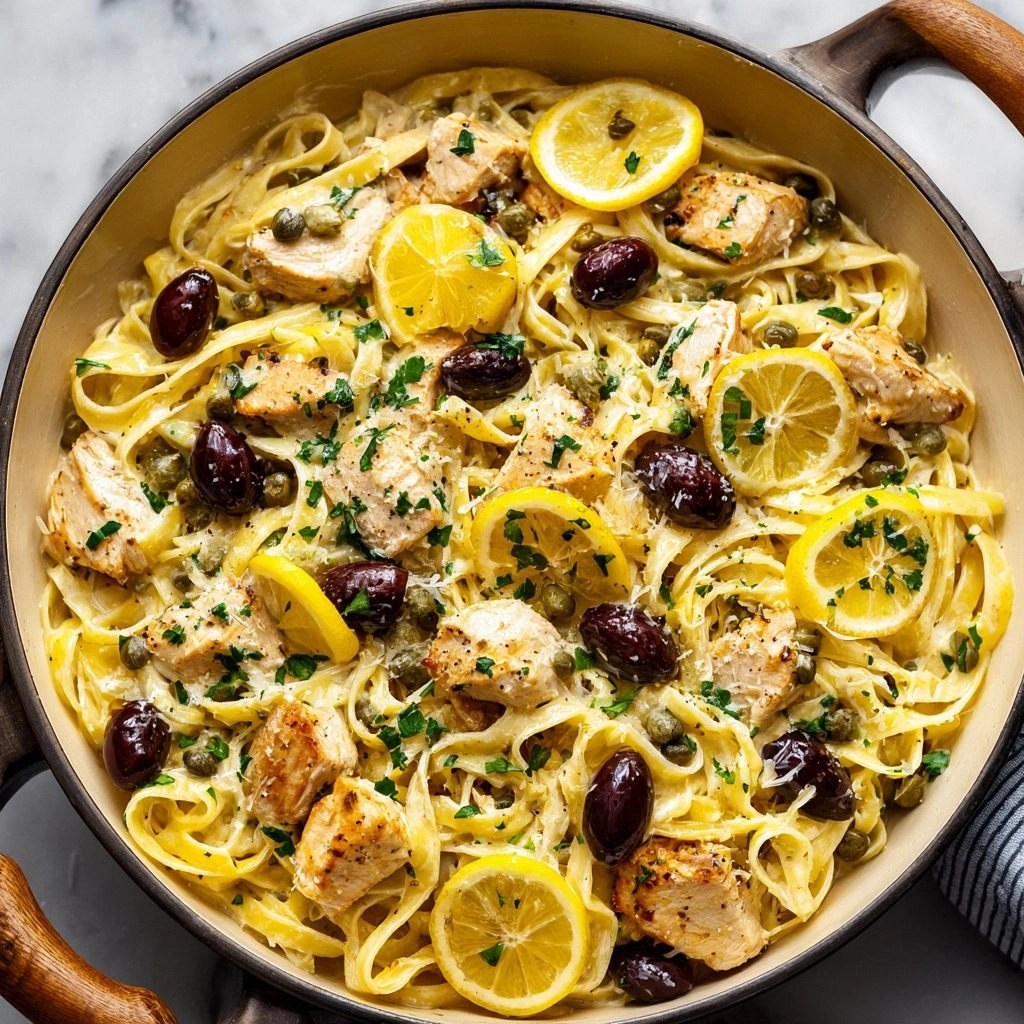
Fast forward to today, and this one‑pot creamy lemon chicken pasta is hands down the best version you'll ever make at home. It’s the kind of dish that turns a simple dinner into a show‑stopper, with a sauce that coats the pasta like velvet, a citrus zing that wakes up your senses, and a buttery finish that lingers on the tongue. The combination of capers, olives, and fresh lemon zest creates a flavor profile that’s bright, briny, and utterly unforgettable. I dare you to taste this and not go back for seconds, because the moment you finish the first spoonful, you’ll know you’ve hit the jackpot. If you’ve ever struggled with creamy pasta sauces that turn out too heavy or too watery, you’re not alone—and I’ve got the fix.
What sets this version apart from every other recipe out there is not just the ingredients but the way they’re brought together. The sauce never separates, the chicken stays juicy, and the pasta remains perfectly al dente, all in one pan without the usual clean‑up hassle. Picture yourself pulling this out of the stove, the whole kitchen smelling incredible, and the plate gleaming with a golden, citrus‑infused sheen. The technique that makes it possible is a simple yet powerful one: cook the pasta directly in the sauce’s own broth so that the pasta absorbs all the flavor. And there’s a twist you won’t expect—capers are the secret to that briny kick, and olives add a subtle saltiness that balances the lemon’s brightness. Let me walk you through every single step — by the end, you’ll wonder how you ever made it any other way.
Now, let’s break down exactly what goes into this masterpiece.
What Makes This Version Stand Out
- Flavor: The citrus brightness from fresh lemon zest and juice cuts through the richness of cream, creating a balanced harmony that lingers on the palate.
- Texture: The pasta is coated in a silky sauce that clings like velvet, while the chicken stays tender and slightly caramelized, offering a contrast that never feels heavy.
- Simplicity: One pot, one pan, one clean‑up—no separate sauce pan or pasta pot needed, saving you time and dishes.
- Ingredient Quality: Fresh, high‑quality ingredients like real lemon, capers, and parmesan elevate the dish beyond the average takeout imitation.
- Crowd Reaction: Friends who’ve tried this rave about how the sauce “coats the pasta like a coat of armor” and the lemon “pops in your mouth like a bright spark.”
- Make‑Ahead Potential: The dish keeps well in the fridge for up to four days, and a splash of water when reheating restores its silky texture.
- Versatility: Swap chicken for shrimp, add spinach, or use gluten‑free pasta—this base adapts to almost any dietary preference.
Inside the Ingredient List
The Flavor Base
The foundation of this dish starts with aromatics that awaken the senses. Fresh lemon zest and juice provide a bright, citrusy punch that cuts through the richness of the cream. Garlic, when sautéed just until fragrant, adds depth without bitterness, while the diced onion contributes a subtle sweetness that balances the acidity. Capers, rinsed to remove excess salt, bring a briny pop that contrasts the lemon’s brightness, and pitted olives add a savory, slightly smoky undertone. If you skip any of these, the dish will feel flat, but you can substitute diced shallots for onions or use preserved lemons for an extra zing.
The Texture Crew
Pasta is the canvas, and in this recipe, it’s chosen for its ability to absorb sauce. Penne or rigatoni work best because their ridges trap the creamy mixture, ensuring every bite is saturated with flavor. Heavy cream gives the sauce its luxurious mouthfeel, but if you’re watching calories, half‑fat or coconut milk can be used without sacrificing creaminess. Parmesan cheese, grated finely, melts into the sauce, creating a velvety texture and a nutty undertone. Butter, added at the end, rounds out the sauce with a glossy sheen and a subtle butter flavor. Cutting the pasta into bite‑sized pieces ensures even cooking and prevents clumping.
The Unexpected Star
While most creamy lemon chicken recipes rely solely on chicken, this version elevates the dish with capers and olives—ingredients that might feel out of place in a pasta sauce. Capers, small pickled flower buds, provide a burst of salty tang that balances the lemon’s sharpness. Olives, whether Kalamata or green, add a briny depth that complements the capers, creating a complex flavor profile that feels both Mediterranean and comforting. If you’re allergic to shellfish or simply dislike capers, you can replace them with sun‑dried tomatoes for a sweet, chewy contrast, or simply omit them and double the olives for extra saltiness.
The Final Flourish
Seasoning is the final touch that pulls the dish together. Salt to taste and freshly ground black pepper enhance every component without overpowering the delicate lemon notes. A handful of chopped fresh parsley, stirred in at the end, adds a burst of color and a fresh herbal brightness that lifts the entire dish. If you’re craving a little heat, a pinch of red pepper flakes can be added during the sautéing stage, but keep it minimal to preserve the lemon’s clean finish. Remember, the goal is to create a sauce that coats the pasta like velvet while allowing the individual flavors to shine through.
Everything's prepped? Good. Let's get into the real action...
The Method — Step by Step
- Heat 2 tablespoons of olive oil in a large, heavy‑bottomed pot over medium heat until shimmering. Add the diced onion and minced garlic, sautéing until the onion becomes translucent and the garlic releases its fragrance—about 3 minutes. This step builds the aromatic base that will carry the lemon’s brightness throughout the dish. Keep the heat steady to avoid burning the garlic, which would introduce bitterness.
- Push the aromatics to the side of the pot and add the sliced chicken breast. Season the chicken with salt and pepper, then sear each side until golden brown and just cooked through, about 4–5 minutes per side. The searing process caramelizes the surface, creating a rich flavor that will deepen the sauce. Once browned, remove the chicken and set it aside; the pan will be ready for the next layer of flavor.
- Return the chicken to the pot, then pour in 1 cup of chicken broth and 1 cup of heavy cream. Stir gently to combine, ensuring the cream doesn’t separate. The broth provides the liquid needed for the pasta, while the cream adds richness that will coat each strand. Bring the mixture to a gentle simmer, letting the flavors meld for about 2 minutes.
- Add the uncooked pasta to the pot, making sure it’s fully submerged in the liquid. Stir once to prevent sticking, then cover and reduce the heat to medium-low. The pasta will absorb the sauce as it cooks, ensuring every bite is infused with lemony, buttery flavor. Keep an eye on the pot; you’ll want to stir occasionally to prevent the pasta from sticking to the bottom.
- When the pasta is almost al dente, stir in 1/2 cup of grated parmesan, 2 tablespoons of capers, and 1/4 cup sliced olives. The parmesan melts into the sauce, creating a velvety texture, while the capers and olives add a briny contrast that brightens the dish. Taste the sauce; if it feels too thick, add a splash more broth or a little water to loosen it. This is the moment when the sauce transforms from a simple broth to a luxurious coating.
- Watch for the final texture: the pasta should be al dente, the sauce should coat the strands, and the chicken should be tender. If the sauce is too thin, let it simmer uncovered for a few minutes to reduce; if it’s too thick, stir in a little more broth or cream. The key is to maintain a gentle simmer, allowing the flavors to meld without overcooking the pasta or chicken.
- Finish the dish by stirring in 2 tablespoons of unsalted butter and the zest of one lemon. The butter adds a glossy sheen and rounds out the sauce, while the fresh zest gives a bright, citrusy finish that lifts the entire plate. Garnish with chopped parsley for a pop of color and freshness. Serve immediately, letting the steam carry the aroma into every corner of the dining room.
That's it — you did it. But hold on, I've got a few more tricks that'll take this to another level. These insider tips will help you avoid common pitfalls and elevate the dish from good to unforgettable.
Insider Tricks for Flawless Results
The Temperature Rule Nobody Follows
Many cooks keep the heat high for the entire cooking time, which can cause the cream to scorch and the pasta to overcook. I’ve discovered that starting at medium heat for the aromatics and then dropping to medium‑low for the pasta allows the sauce to develop its full flavor without burning. Keep the pot covered during the pasta cooking stage; the steam will help the pasta cook evenly and keep the sauce from drying out. If you’re using a thinner pasta, reduce the cooking time by a minute to avoid mushy strands.
Why Your Nose Knows Best
When you’re cooking, your sense of smell is your best indicator of flavor balance. If the sauce feels too acidic, add a pinch of sugar or a splash of cream to mellow the lemon. If it’s too rich, a squeeze of lemon juice or a splash of white wine can cut through the heaviness. Trust your nose; it will tell you when the dish is ready to be plated.
The 5-Minute Rest That Changes Everything
Letting the dish rest for 5 minutes after it’s removed from the heat allows the flavors to settle and the sauce to thicken slightly. During this rest, the pasta will absorb any remaining liquid, ensuring every strand is coated. I’ve found that a brief rest also makes the sauce easier to serve, as it holds together better when ladled onto plates. If you’re in a hurry, a quick stir before serving will re‑distribute the sauce.
The Secret to Perfect Pasta Texture
The key to al dente pasta in a sauce is timing. Test the pasta 2 minutes before the package instructions call for, and then taste it. If it’s still a bit firm, give it the remaining time; if it’s soft, remove it immediately to avoid overcooking. Remember, the pasta will continue to cook slightly after you stir it into the sauce, so a slightly firmer bite is preferable.
How to Avoid Creamy Clumps
Cream can separate if it’s added too quickly or if the heat is too high. To keep the sauce silky, add the cream slowly while whisking, and keep the heat low once the cream is in. If you notice any clumps, whisk vigorously or use an immersion blender to smooth the mixture. A small pinch of salt can also help emulsify the sauce, preventing separation.
Creative Twists and Variations
This recipe is a playground. Here are some of my favorite ways to switch things up:
Shrimp Swap
Replace the chicken with shrimp for a lighter, seafood‑focused dish. Sauté the shrimp just until pink, about 2 minutes per side, then follow the same steps. The shrimp’s quick cooking time means you’ll need to adjust the pasta cooking time slightly to avoid overcooking.
Sun‑Dried Tomato Boost
Add a handful of chopped sun‑dried tomatoes for a sweet, chewy texture that pairs beautifully with the lemon. Stir them in with the capers and olives, and let them rehydrate in the sauce for a few minutes. This variation adds a Mediterranean flair that’s both colorful and flavorful.
Spinach Splash
Stir in a cup of fresh spinach during the last minute of pasta cooking. The spinach wilts instantly, adding a pop of green and a subtle earthiness that balances the citrus. This is a great way to sneak in some veggies without compromising the dish’s creamy character.
Coconut Milk Tropical Twist
Swap the heavy cream for coconut milk to create a tropical, dairy‑free version. The coconut adds a subtle sweetness that complements the lemon, while still providing the silky mouthfeel. Pair this with a pinch of curry powder for an extra kick.
Gluten‑Free Version
Use rice noodles or a gluten‑free pasta brand for a gluten‑free alternative. The cooking times may differ slightly, so keep an eye on the noodles to ensure they’re al dente. The sauce will still cling beautifully to the noodles, delivering the same indulgent experience.
Storing and Bringing It Back to Life
Fridge Storage
Cool the dish completely before transferring it to an airtight container. Store in the refrigerator for up to four days. When you’re ready to eat, reheat gently on the stovetop over low heat, stirring occasionally. The sauce will thicken as it cools, so a splash of water can help restore its silky texture.
Freezer Friendly
For longer storage, divide the dish into single‑serving portions and freeze in freezer‑safe containers. This recipe keeps well for up to three days in the freezer. Thaw overnight in the refrigerator, then reheat on the stove, adding a splash of broth if needed to loosen the sauce.
Best Reheating Method
Reheat the dish over low heat, stirring frequently to prevent sticking. Add a tiny splash of water or broth before reheating; this steams the pasta back to a silky, moist texture. If you’re in a hurry, a quick microwave reheating works too—just cover the dish with a damp paper towel to keep it from drying out.