
Love this? Pin it for later! 📌
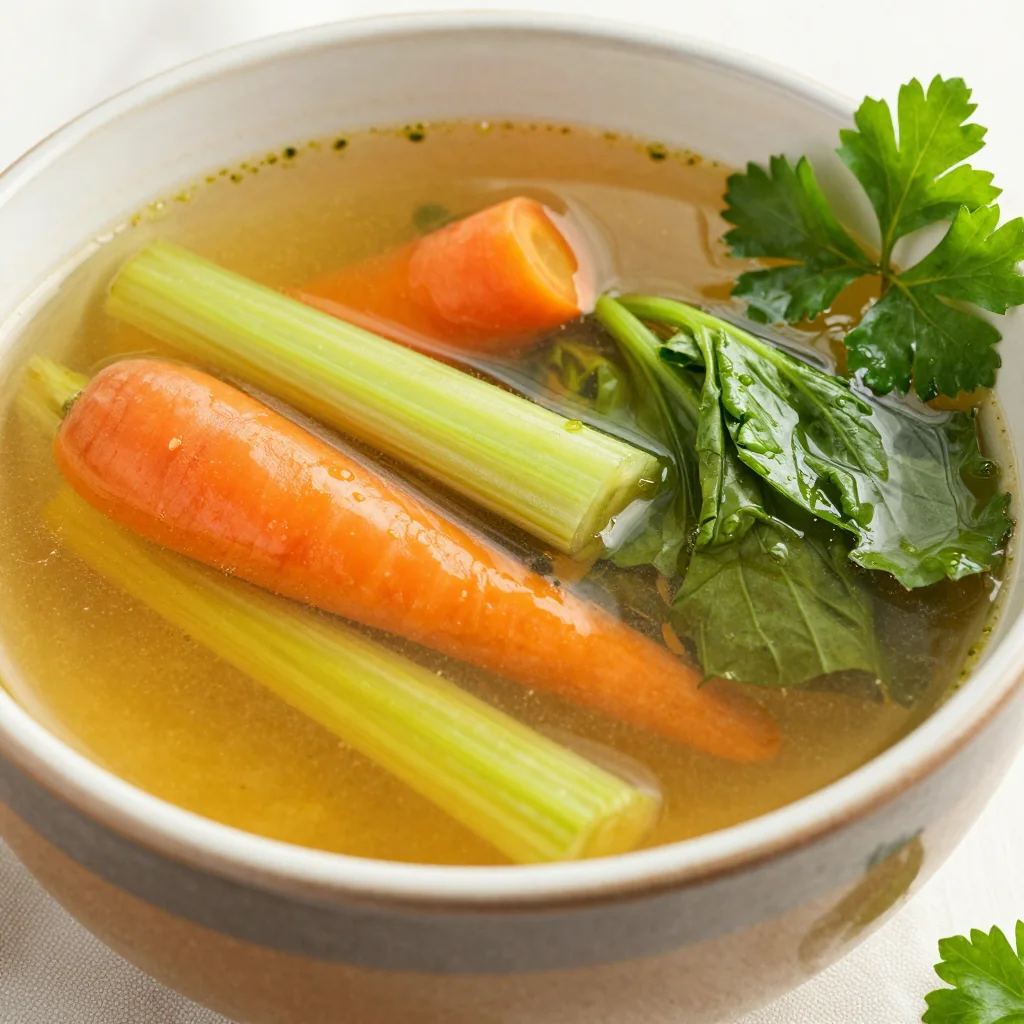
I used to greet January with a fridge full of wilted celery and guilt. After the holidays my body craved something green and gentle, but my brain was still in celebration-mode: too foggy to chop, too tired to simmer, too tempted to order take-out. Then one frosty morning—still wearing a party crown, because why not—I dumped a freezer bag of vegetable scraps into my largest pot, added a few aromatics, and walked away. Four hours later the house smelled like a brand-new year and I had twelve cups of liquid calm: a golden, mineral-rich New Year Reset Veggie Broth that tasted like forgiveness in a mug. I poured it into mason jars, tucked some into ice-cube trays, and suddenly every soup, grain, and craving felt doable. That January I lost the bloat, kept the joy, and gained a ritual I now prep before Thanksgiving even hits. If you can toss vegetables into a pot and forget about them while you binge-watch your favorite show, you can master this broth. It’s the dessert your body begs for after a season of cookies and champagne—sweet only in the way that nourishment can be, and so easy you’ll wonder why you ever paid six dollars for the boxed stuff.
Why This Recipe Works
- Zero-waste magic: Uses onion skins, carrot tops, and mushroom stems you’d normally toss.
- Freezer-friendly cubes: Portion in silicone trays and pop straight into soups or sauces.
- Deep flavor fast: Roasting the scraps first caramelizes natural sugars for a richer taste.
- Low-maintenance simmer: Hands-on time is under ten minutes; the stove does the rest.
- Salt-free base: Control sodium in every future dish by seasoning later.
- Budget booster: One pot yields three store-bought cartons for pennies.
- Detox-friendly: Potassium, magnesium, and antioxidants support post-holiday recovery.
- Family ritual: Kids love dropping veggie coins into bags; teaches sustainability early.
Ingredients You'll Need
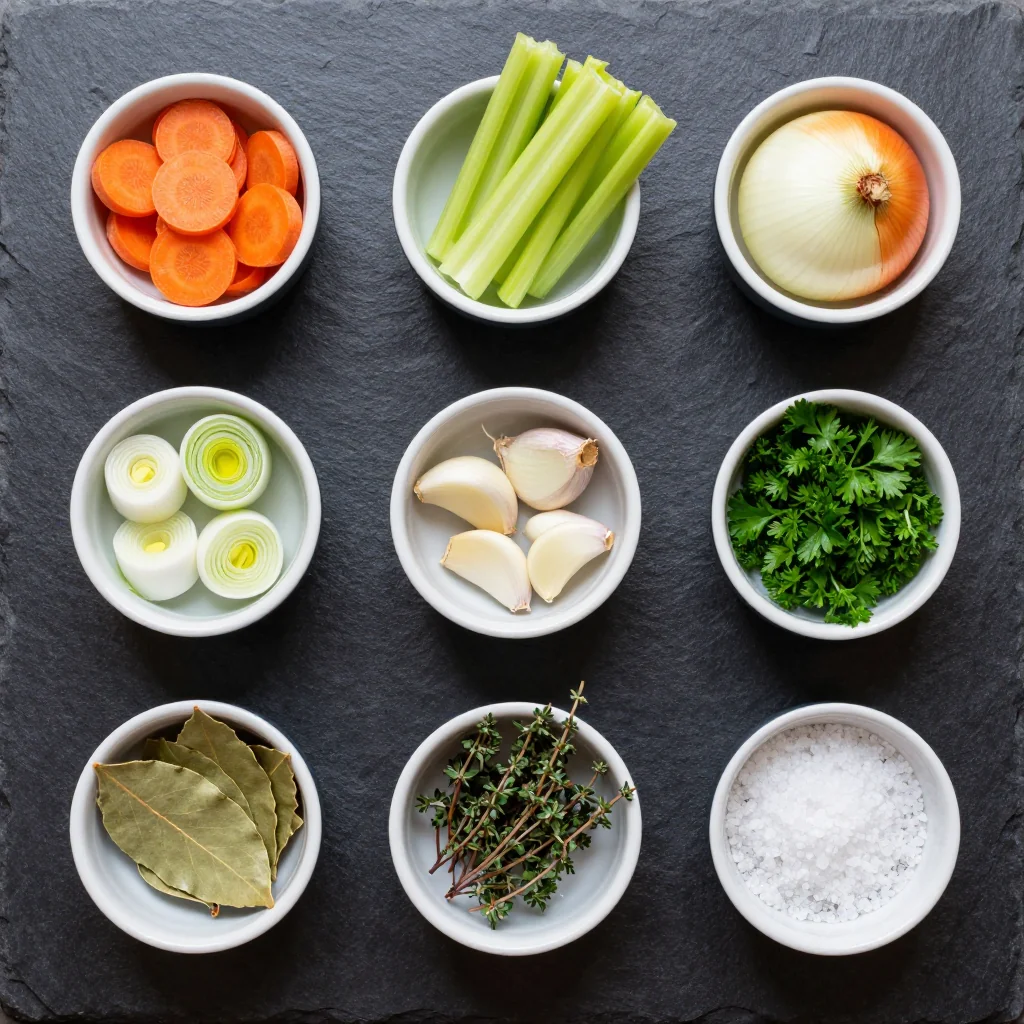
Think of this list as a gentle guideline rather than a strict decree. The secret is balance: about 50 % aromatic vegetables (onions, carrots, celery), 25 % earthy notes (mushrooms, parsnips), and 25 % bright accents (herb stems, citrus peel). Aim for roughly two pounds of scraps per gallon of water. If you’re missing one item, swap freely.
Onion skins & leek tops: These papery layers are packed with quercetin, an anti-inflammatory antioxidant. They turn your broth sunset-gold and add natural sweetness. Save them in a zip-top bag every time you cook; freeze until you have four packed cups.
Carrot peels & tops: Buy carrots with the feathery greens attached—they signal freshness and lend subtle minerality. Avoid baby-cut carrots; their chlorine rinse can muddy flavor.
Celery leaves & base: The pale heart leaves are intensely herbal. The fibrous base (the part most cooks trash) holds the highest concentration of apigenin, a compound that may support calm moods—perfect for post-holiday nerves.
Mushroom stems: Portobello or cremini stems contribute glutamic acid, the natural version of MSG, giving broth a rounded umami backbone. If you’re allergic to mushrooms, substitute a handful of dried seaweed for similar depth.
Parsnip cores: Their gentle spice bridges the gap between sweet and savory. If parsnips are out of season, a small sweet potato peel works, but avoid beet peels unless you want magenta broth.
Fresh herb stems: Parsley and cilantro stems are often juicier than their leaves. Woody rosemary or thyme stems release oils slowly; tie them with kitchen twine for easy fishing later.
Peppercorns & bay: Just five peppercorns add subtle heat without clouding clarity. Turkish bay leaves are milder than California; crack one in half to gauge strength.
Cold water: Starting cold extracts collagen from any accidental chicken skin scraps and prevents cloudy calcium haze. Filtered water matters if your tap is heavily chlorinated.
How to Make New Year Reset Freezer Prep Veggie Broth for Clean Start Easy
Collect & roast your scraps
Preheat oven to 425 °F. Spread frozen vegetable scraps on a parchment-lined sheet. Drizzle with 1 tsp oil (optional) and roast 25 minutes until edges char. Roasting caramelizes natural sugars, deepening color and flavor from mild to restaurant-level complex.
Deglaze the pan
Pour ½ cup hot water onto the hot sheet and scrape with a wooden spoon to lift the fond (those sticky brown bits = pure flavor). Pour everything, liquid and all, into an 8-quart stockpot.
Add aromatics & cold water
Toss in peppercorns, bay, herb stems, and any fresh garlic cloves. Cover with 4 quarts cold water, leaving 1 inch at the top to prevent boil-overs. Starting cold ensures gradual extraction and crystal-clear broth.
Bring to a tremble, not a boil
Set heat to medium-high. When bubbles form but liquid isn’t yet dancing (around 200 °F), reduce to low. A gentle tremble extracts flavor without emulsifying fats, keeping broth translucent.
Simmer uncovered 2–4 hours
Two hours gives a light golden broth; four hours turns it mahogany-rich. Add water if level drops below solids. Skim foam occasionally, but don’t stress—impurities get strained later.
Cool quickly for safety
Remove large solids with tongs. Fill a sink with ice water and submerge pot to bring temperature below 40 °F within two hours, preventing bacterial growth.
Strain twice
First through a colander, then through cheesecloth-lined sieve into a large pitcher. Double-straining removes micro particles that shorten freezer life.
Portion & label
Ladle into 1-cup silicone muffin molds for recipe-ready cubes, and a few 2-cup mason jars for sipping. Masking tape + permanent marker = date and contents; broth looks identical to iced tea once frozen.
Freeze flat for space
Place filled freezer bags on a sheet pan until solid, then stack like books. Saves 40 % freezer volume and speeds thawing.
Compost the spent veggies
They’ve given their all; return them to the earth via compost or municipal green bin. Your garden will thank you next summer.
Expert Tips
Skim smart
Use a small ladle rather than a spoon; the shallow bowl picks up surface scum without removing flavorful fat droplets.
Ice-cube broth bombs
Freeze in 2-tablespoon trays; each cube equals ⅛ cup—perfect for deglazing a pan or thinning baby food.
Reduce for demi-glace
Simmer finished broth down to 25 % volume; cool and pour into ice-cube trays for instant vegetarian “demi” that melts into sauces.
Color control
Too yellow? Add a teaspoon of lemon juice to brighten. Too pale? Simmer 30 minutes with dried shiitake caps.
Safety first
Never can broth in a water bath; it’s low-acid. Freeze or pressure-can only.
Aromatherapy bonus
Add one crushed cardamom pod during the last 10 minutes for a spa-like scent that lingers in your kitchen.
Variations to Try
-
Asian reset broth
Add 2-inch knob of smashed ginger, 1 strip of kombu, and the green tops of one leek. Simmer 30 minutes only to keep seaweed delicate. Use as base for pho or miso soup.
-
Smoky Southwest
Roast scraps with ½ tsp chipotle powder. Add a dried ancho chile during simmer. Perfect for black-bean chili or tortilla soup.
-
Golden turmeric tonic
Stir 1 tsp ground turmeric and a pinch of black pepper into finished broth for anti-inflammatory “sunshine” cubes that melt into rice.
-
Forest mushroom elixir
Use ½ pound fresh porcini or 1 oz dried mixed mushrooms; reduce liquid to 75 % for an intense duxelles-ready concentrate.
-
Sweet dessert broth
Swap parsnips for roasted pear peels and add one cinnamon stick. Reduce by half, chill, and lightly sweeten for a zero-waste poaching liquid for fruit desserts.
Storage Tips
Cool broth completely before sealing; trapped heat creates condensation ice crystals that degrade flavor. Use wide-mouth jars, leaving 1 inch headspace for liquid expansion. Plastic freezer jars are safer than glass if you’re prone to forgetting headspace. For ultimate convenience, freeze broth in 1-cup Souper-Cubes; they pop out like large Lego bricks and stack efficiently. Once solid, transfer to labeled freezer bags to prevent freezer burn. Broth keeps 6 months at peak quality, but safe indefinitely if held below 0 °F. Thaw overnight in the fridge or float the sealed bag in a bowl of cool water for 30 minutes. Never microwave in plastic; transfer to glass first. If you own a pressure canner, ladle hot broth into pint jars, remove bubbles, affix lids, and process at 10 PSI (weighted gauge) for 30 minutes—shelf-stable for one year and no freezer space required.
Frequently Asked Questions
New Year Reset Freezer Prep Veggie Broth for Clean Start Easy
Ingredients
Instructions
- Roast scraps: Preheat oven to 425 °F. Toss vegetable scraps with oil on a sheet pan; roast 25 minutes until browned.
- Deglaze: Pour ½ cup hot water onto hot pan; scrape browned bits into an 8-quart stockpot.
- Simmer: Add peppercorns, bay, herb stems, and cold water. Bring to a tremble (just under a boil), then reduce heat and simmer uncovered 2–4 hours.
- Cool & strain: Cool in an ice bath within 2 hours. Strain twice through cheesecloth.
- Portion: Ladle into 1-cup silicone trays and 2-cup mason jars. Freeze solid, then transfer to labeled bags.
- Use: Swap cubes into any recipe calling for broth or sip warm with a squeeze of lemon for a cleansing “dessert” drink.
Recipe Notes
Broth is salt-free; season finished dishes to taste. For dessert applications, reduce with a cinnamon stick and sweeten lightly for poaching pears or as a vegan panna-cotta base.