I was in the middle of a dinner party when a pot slipped off the stove and splashed hot oil across the counter. The chaos turned into a frantic scramble, but the moment the smoke cleared, a familiar scent drifted through the kitchen—coconut, palm oil, and the sharp tang of lime. That instant, I realized how much of a culinary adventure a single stew can become when you let the flavors speak for themselves. I had been chasing the perfect Brazilian fish stew for months, and this recipe finally answered every question I had, from the silky texture of the coconut milk to the bright, peppery bite of fresh cilantro. If you’ve ever felt the frustration of a bland, watery fish soup, this version will change the way you think about stews forever.
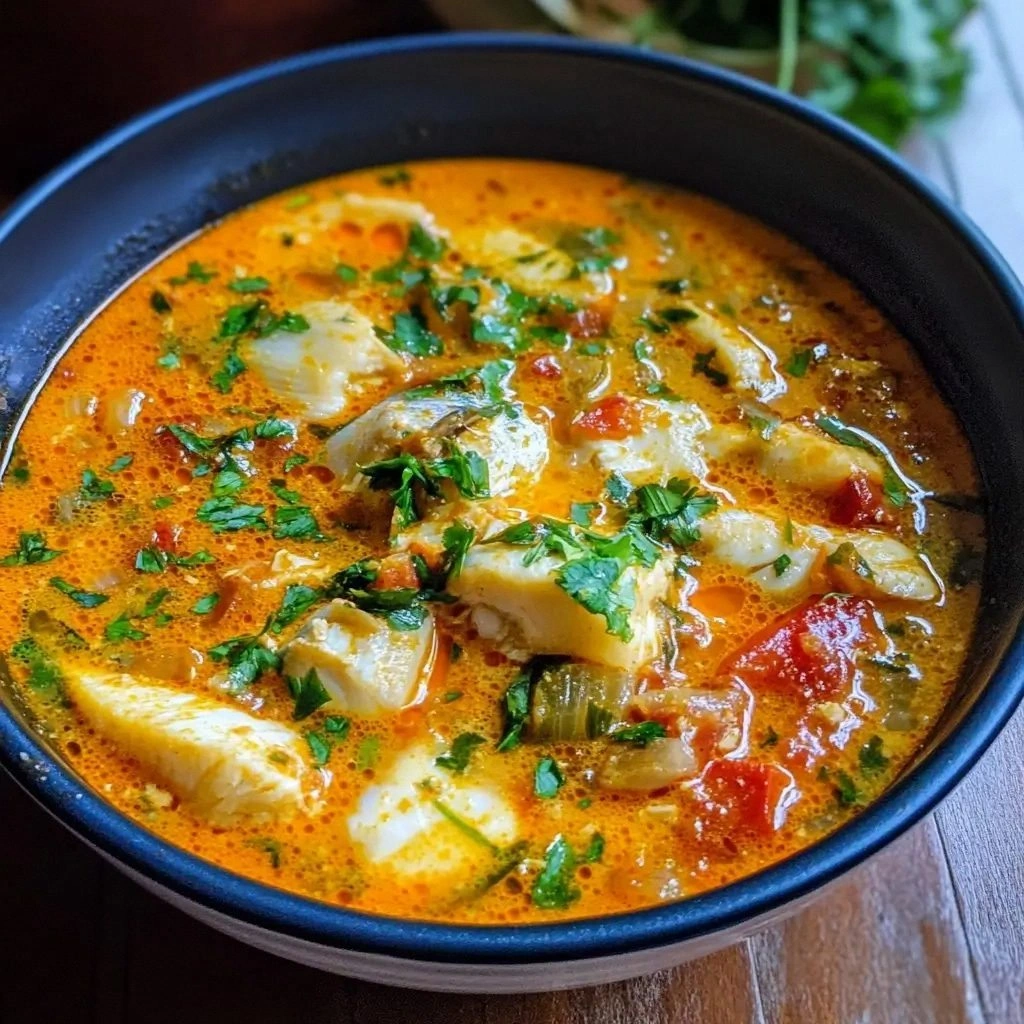
The first thing you notice is the deep, golden hue of the palm oil swirling like liquid fire in the pan. The aroma is a heady mix of toasted garlic and ripe tomatoes, punctuated by the earthy sweetness of coconut milk. The texture feels almost buttery, yet the fish stays flaky and tender, like a cloud that’s been kissed by a tropical breeze. Every spoonful delivers a burst of citrus, a whisper of heat, and a comforting, silky finish that lingers on the palate. It’s the kind of dish that makes the kitchen smell like a vacation and the taste buds feel like they’re on a beach.
What sets this version apart isn’t just the ingredients; it’s the deliberate layering of flavors and the precise timing that brings everything together. The use of palm oil instead of regular olive or canola oil gives the stew a distinct, slightly sweet depth that’s hard to replicate. Coconut milk adds a creamy richness that balances the acidity of the tomatoes and lime, while the fresh cilantro provides a bright, herbal counterpoint. The fish, chosen for its firm texture, holds its shape through gentle simmering, preventing it from falling apart. The result is a stew that feels both comforting and adventurous, a perfect bridge between traditional Brazilian roots and contemporary culinary flair.
One technique that might surprise you is the way the palm oil is toasted before adding the aromatics. Toasting the oil for a minute or two brings out a nutty undertone that elevates the entire dish. Another secret is the quick blanching of the fish before it goes into the stew, which locks in moisture and ensures it stays moist after the simmer. Finally, finishing the dish with a splash of fresh lime juice just before serving brightens the flavors and adds a zesty finish that’s impossible to ignore. These small steps may seem trivial, but they’re the difference between a good stew and a memorable one.
And if you think you’ve seen every version of Moqueca out there, I dare you to taste this and not go back for seconds. I’m talking about a dish that’s so full of flavor that it practically sings in your mouth. The next paragraph will walk you through every single step—by the end, you’ll wonder how you ever made it any other way. Let’s dive into the details, starting with why this version stands out.
When you’re ready, imagine a bowl of steaming stew that feels like a hug from the inside. The anticipation is almost tangible, like the scent of a summer storm. The moment you taste the first spoonful, you’re transported to a sunny coast, the waves gently lapping against a distant shoreline. And when you finish the last bite, the satisfaction lingers, a gentle echo of that tropical breeze. This is the kind of experience that turns a simple dinner into a celebration.
Okay, let’s break down exactly what goes into this masterpiece. The ingredients are carefully chosen to create a harmonious balance of flavors, textures, and aromas. Each component plays a pivotal role, from the robust palm oil to the delicate fish. Together, they form a stew that’s as visually stunning as it is delicious. Now, let’s explore the individual groups that make this dish truly exceptional.
What Makes This Version Stand Out
- Flavor Depth: The combination of palm oil and coconut milk creates a rich, velvety base that carries the bright acidity of lime and tomatoes. This depth transforms a simple stew into a complex, satisfying experience.
- Texture Precision: The quick blanching of the fish preserves its flaky integrity, preventing it from turning mushy during the simmer. The result is a tender bite that contrasts beautifully with the creamy broth.
- Ingredient Authenticity: Using real palm oil (dendê) and fresh coconut milk keeps the dish true to its Brazilian roots, offering an authentic taste that many commercial recipes miss.
- Visual Appeal: The vibrant reds of the tomatoes, the green of the cilantro, and the golden sheen of the palm oil create a colorful, appetizing presentation that’s Instagram-worthy.
- Time Efficiency: While the flavors are deep, the cooking process is straightforward, with a prep time of just 15 minutes and a cook time of 30 minutes.
- Make‑Ahead Potential: The stew can be prepared ahead of time and reheated without losing its flavor profile, making it perfect for busy weeknights.
- Adaptability: Whether you prefer a mild or spicy version, the recipe allows for easy adjustments with pepper or chili flakes, ensuring it suits every palate.
- Health Conscious: With lean fish, healthy fats from palm oil, and plenty of fresh vegetables, this dish balances indulgence and nutrition.
- Crowd‑Pleaser: The bold flavors and comforting texture make it a hit at gatherings, from casual dinners to formal soirées.
- Chef’s Confidence: The step‑by‑step guidance ensures even novice cooks can master this dish, turning them into confident, proud chefs.
Inside the Ingredient List
The Flavor Base
At the heart of Moqueca lies a trio of aromatics that set the stage: diced onions, minced garlic, and sliced bell peppers. These vegetables are sautéed in palm oil until they release their sweet, earthy flavors, creating a fragrant foundation. The choice of bell peppers—one red and one green—adds both color and a subtle peppery bite that balances the richness of coconut milk. If you prefer a milder version, replace the red pepper with a yellow one for a sweeter profile. Skipping this step will leave the stew flat and unremarkable.
The Texture Crew
The fish is the star of the show, and its texture is paramount. A firm white fish such as cod or snapper, cut into bite‑size chunks, is the ideal choice. The fish should be blanched briefly in boiling water to seal the surface, preventing it from falling apart during the simmer. A quick blanch also removes any fishy odor, ensuring a cleaner taste. If you’re using a different fish, adjust the blanching time accordingly to maintain tenderness. Using a delicate fish like tilapia can result in a mushy stew.
The Unexpected Star
Coconut milk is the unexpected star that brings creaminess and tropical nuance to the dish. It’s essential that you use full‑fat coconut milk for the richest mouthfeel. Skipping the coconut milk turns the stew into a thin broth, losing the signature silky texture. If you’re lactose intolerant, coconut milk is naturally dairy‑free and still delivers the same indulgence. A splash of coconut cream can be added for an extra velvety finish.
The Final Flourish
Fresh cilantro and lime juice are the final flourish that lifts the stew into a new realm of brightness. The cilantro’s bright, slightly peppery flavor cuts through the richness, while the lime juice provides a citrusy zing that balances the sweetness. Adding the cilantro and lime at the very end preserves their vibrant color and aroma. If you’re a fan of a more pronounced citrus kick, consider adding a pinch of zest as well. The fresh herbs also add a subtle herbal note that rounds out the flavor profile.
The Secret Sauce
The secret sauce is a blend of spices that gives Moqueca its distinctive warmth. A dash of cayenne pepper introduces a gentle heat that is offset by the cooling coconut milk. A pinch of black pepper enhances the overall depth without overwhelming the dish. Some recipes call for a splash of white wine or a dash of fish sauce, but for authenticity, we keep it simple with just the spices and lime. Skipping the spices will make the stew taste flat and uninspired.
Everything’s prepped? Good. Let’s get into the real action.
The Method — Step by Step
- Heat a large, heavy‑bottomed pot over medium heat and pour in ½ cup of palm oil. Let it warm until it shimmers but does not smoke. This is the moment of truth, where the oil’s nutty aroma begins to unfurl, signaling that the base is ready. Once the oil is hot, add the diced onions and sauté until translucent, about 3–4 minutes. The onions should soften without browning, preserving their sweet profile.
- Add the minced garlic and sliced bell peppers to the pot, stirring constantly. The garlic should release its fragrance within 30 seconds, while the peppers soften and start to caramelize slightly. This step layers the stew with a complex, aromatic foundation. Keep the heat at medium to avoid burning the garlic, which would introduce a bitter edge. After 5 minutes, the mixture should smell like a tropical sunrise.
- Pour in the diced tomatoes, a pinch of salt, and a splash of water to deglaze the pan. Stir until the tomatoes break down into a thick, glossy sauce. The tomatoes’ acidity balances the richness of the coconut milk, and the salt enhances every component. This is where the stew starts to take shape, and you’ll notice the liquid thickening. Let the mixture simmer for 8–10 minutes, allowing the flavors to meld.
- While the tomato base simmers, blanch the fish chunks in boiling water for 1–2 minutes. This quick blanch seals the surface, ensuring the fish remains flaky during the stew’s simmer. Drain the fish and set aside. The blanching step also removes any fishy odor, keeping the dish fresh and clean.
- Reduce the heat to low and pour in 1 cup of full‑fat coconut milk. Stir gently to combine with the tomato base. The coconut milk should swirl into a creamy, golden broth, coating the vegetables in a silky glaze. This is when the stew’s richness truly begins to shine. Keep the heat low to prevent the coconut from separating.
- Return the blanched fish to the pot, nestling the chunks into the broth. Sprinkle in ¼ tsp cayenne pepper, ½ tsp black pepper, and a pinch of salt. Cover the pot and let the stew simmer gently for 8–10 minutes, or until the fish is opaque and flakes easily with a fork. The gentle simmer allows the flavors to marry without overcooking the delicate fish.
- Just before serving, stir in the freshly squeezed lime juice and a generous handful of chopped cilantro. The lime’s bright acidity lifts the stew, while the cilantro adds a herbal freshness that cuts through the richness. The aroma at this point should be intoxicating, a promise of a meal that will be remembered. Taste the stew, adjust seasoning if necessary, and let it rest for a minute to allow flavors to settle.
- Serve the Moqueca over a bed of fluffy white rice or warm corn tortillas, allowing the broth to soak into each bite. Garnish with extra cilantro or a lime wedge if desired. The final dish should be a harmonious blend of creamy, spicy, and citrusy notes, with each spoonful delivering a burst of tropical delight. The steam rising from the bowl will fill the kitchen with an irresistible aroma that lures everyone to the table.
- Enjoy the result, and remember to savor each moment of this culinary journey. The combination of textures and flavors will leave you with a sense of accomplishment and a craving for more. This stew is perfect for a cozy family dinner or a celebratory gathering with friends. The next section will give you insider tricks that elevate this dish even further.
That's it — you did it. But hold on, I've got a few more tricks that'll take this to another level.
Insider Tricks for Flawless Results
The Temperature Rule Nobody Follows
Maintaining a low simmer after adding the coconut milk is crucial. Many cooks inadvertently let the pot boil, which can cause the milk to curdle and the fish to become rubbery. Keep the heat at a gentle bubble, just enough to keep the liquid moving. If you notice a thickening that’s too rapid, reduce the heat immediately. This small adjustment keeps the stew silky and the fish tender.
Why Your Nose Knows Best
The aroma of a stew is a reliable indicator of its readiness. When the coconut milk is properly incorporated, the broth should emit a sweet, nutty scent that mingles with the bright citrus. A lack of aroma often signals that the stew needs more time or that the heat is too low. Trust your nose; it’s the best judge of flavor.
The 5-Minute Rest That Changes Everything
After simmering, let the stew rest uncovered for five minutes before serving. This pause allows the flavors to settle and the fish to finish cooking in its own heat. The rest also lets the coconut milk thicken slightly, giving the stew a richer mouthfeel. Skipping this step can leave the stew feeling rushed and underdeveloped.
Balancing Sweet and Heat
Adjusting the cayenne pepper and lime juice is essential for personal preference. If you love heat, increase the cayenne to a full teaspoon. If you prefer a milder version, reduce it to a pinch. The lime juice should be added at the end; adding it earlier can dilute the coconut’s richness.
Using Fresh Ingredients for Authenticity
Fresh cilantro and lime are non-negotiable. Dried herbs lose their bright flavor and can make the stew taste flat. When choosing limes, look for ones that feel heavy for their size; they’re juicier and more aromatic. Freshness is the secret to a vibrant, authentic stew.
Serving Suggestions for Maximum Impact
Serve the stew hot, directly from the pot, to preserve the steam and aroma. Pair it with a side of farofa (toasted cassava flour) for added crunch or a simple cucumber salad for a refreshing contrast. These accompaniments enhance the overall dining experience and bring the flavors together.
Creative Twists and Variations
This recipe is a playground. Here are some of my favorite ways to switch things up:
Spicy Shrimp Moqueca
Swap the fish for medium‑sized shrimp, adding them after the coconut milk has been incorporated. Shrimp cooks quickly, so add it just before the final simmer to keep it juicy. The result is a lighter, yet equally flavorful stew that appeals to seafood lovers.
Vegan Coconut Moqueca
Replace the fish with firm tofu cubes, seasoned with a pinch of turmeric for color. Sauté the tofu until lightly browned before adding it to the broth. This version delivers the same creamy, spicy profile while keeping it plant‑based.
Mild Coconut Moqueca with Sweet Potatoes
Incorporate diced sweet potatoes into the tomato base, allowing them to soften during the simmer. The natural sweetness of the potatoes complements the coconut milk, creating a comforting, hearty dish. Ideal for cooler evenings.
Moqueca with Coconut Cream
Stir in a splash of coconut cream at the end of cooking for an extra silky texture. The cream thickens the broth and adds a luxurious mouthfeel. This variation is perfect for a special occasion or a romantic dinner.
Moqueca with Coconut Rice
Cook rice in coconut milk instead of water, and serve the stew on top of this fragrant rice. The coconut flavor is amplified, and the rice absorbs the savory broth beautifully. It’s a one‑pot meal that’s both simple and elegant.
Moqueca with Fresh Herbs
Introduce a handful of chopped parsley or basil along with the cilantro for an herbaceous twist. The additional herbs add complexity and a fresh, green finish. This variation is great for those who enjoy a layered herbal flavor profile.
Storing and Bringing It Back to Life
Fridge Storage
Transfer the stew to an airtight container and refrigerate within two hours of cooking. The stew will keep well for up to three days, maintaining its flavor and texture. Store it in a shallow container to allow the liquid to settle evenly.
Freezer Friendly
For longer storage, portion the stew into freezer‑safe bags and freeze for up to two months. Thaw overnight in the refrigerator before reheating. This method preserves the coconut milk’s creamy consistency and the fish’s tenderness.
Best Reheating Method
Reheat the stew gently over low heat, adding a splash of water or coconut milk to restore moisture. Stir frequently to prevent scorching and to re‑emulsify the coconut. The result is a freshly cooked stew that tastes just as good as when it was first made.