I remember the night my kitchen turned into a disaster zone, the smell of over‑cooked fish mingling with burnt garlic, and a friend’s impatient sigh: “You’re going to make this again?” That was the moment I vowed to reinvent the humble sea bass. I pulled every secret from my culinary playbook—lemon zest that sings, garlic that sings louder, a splash of white wine that lifts the whole plate. The result? A dish that feels like a hug in a bowl, with the sea bass so flaky it practically melts in your mouth.
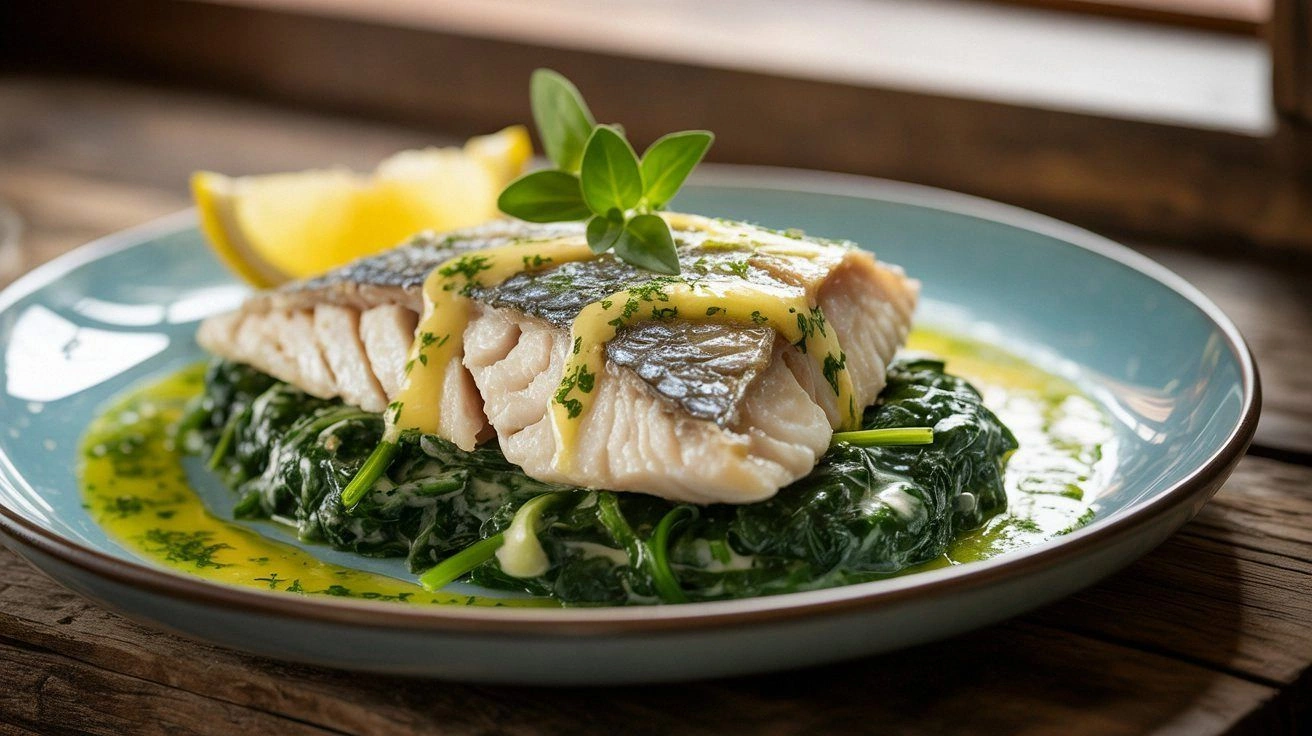
Picture the scene: a bright, sun‑lit kitchen, the sea bass fillets glinting like fresh pearls on a wooden board, the citrus aroma rising from the simmering pan, and the sound of garlic sizzling like tiny fireworks. The texture is a contrast of crispy, caramelized edges and tender, buttery flesh, while the sauce coats each bite like velvet. I swear, that first bite is a revelation—bright citrus, smoky garlic, a hint of herbaceous freshness, and a creamy whisper that lingers without weighing you down.
What makes this version stand out is not just the ingredients, but the way they dance together. The lemon’s bright acidity cuts through the richness of butter and cream, while the garlic adds depth and a gentle heat that doesn’t overpower. The sea bass itself is fresh enough to be almost buttery on its own, but the sauce amplifies every nuance. If you’re tired of bland fish or recipes that over‑season, this one is a game‑changer. Trust me, I dare you to taste this and not go back for seconds.
I’m not just sharing a recipe; I’m handing you the secret handshake to a dinner that feels like a celebration. There’s a twist you won’t expect—an unexpected splash of white wine that gives the sauce a silky, slightly tart lift. By the end of this guide, you’ll wonder how you ever cooked sea bass any other way. Let me walk you through every single step—by the end, you’ll wonder how you ever made it any other way.
What Makes This Version Stand Out
- Flavor Depth: The combination of lemon zest, fresh garlic, and a touch of white wine creates layers that evolve with each bite.
- Texture Contrast: Crispy, caramelized edges meet a tender, buttery interior, giving the dish a satisfying bite.
- Freshness: Using only the freshest sea bass fillets ensures the fish’s natural flavor shines through.
- Balanced Richness: Heavy cream is tempered by citrus and herbs, preventing it from feeling heavy.
- Visual Appeal: The bright lemon slices and green spinach garnish turn the plate into a feast for the eyes.
- Time Efficiency: Prep is under 15 minutes, cook under 30, making it a quick yet impressive dinner.
- Make‑Ahead Friendly: The sauce can be prepared ahead and reheated without losing its silky texture.
- Versatility: The base can be swapped with other proteins or vegetables for endless variations.
Alright, let’s break down exactly what goes into this masterpiece…
Inside the Ingredient List
The Flavor Base
Lemon: Freshly grated zest and juice are the backbone of this dish, providing a bright, citrusy punch that balances the richness of butter and cream. If you skip the zest, the sauce will taste flat and lack that vibrant zing. For a less acidic version, use half the juice and add a splash of orange juice to maintain brightness.
Garlic: Minced garlic is sautéed until golden, releasing its sweet, slightly nutty flavor. Cutting garlic into thin slices instead of mincing can give a more pronounced, smoky note. If you’re a garlic lover, feel free to double the amount; just be prepared for a stronger bite.
Olive Oil: A high‑quality extra‑virgin olive oil provides a subtle fruity undertone and helps the fish sear evenly. Substituting with avocado oil or grapeseed oil will give a cleaner, more neutral flavor, but you’ll lose that olive aroma.
The Texture Crew
Sea Bass Fillets: Fresh, skin‑on fillets are ideal; the skin crisps beautifully, adding a delightful crunch. If you prefer skinless fillets, you’ll miss the textural contrast, but the flavor will still be excellent. Look for fillets that feel firm to the touch and have a mild, oceanic scent.
Butter: Butter adds a luxurious mouthfeel and a subtle, rich flavor. For a lighter version, replace half the butter with coconut oil or a plant‑based butter alternative. Avoid using salted butter; it will make it hard to gauge the salt level.
Heavy Cream: Cream gives the sauce its silky texture and mild sweetness. If you’re watching calories, switch to half‑fat or a plant‑based cream; just be prepared for a slightly thinner sauce that may require a quick reduction.
The Unexpected Star
White Wine: A splash of dry white wine deglazes the pan, lifts the caramelized bits, and adds a subtle acidity that complements the lemon. If you’re avoiding alcohol, substitute with chicken broth or a pinch of white wine vinegar. The wine also helps to thin the sauce just enough to coat the fish without making it watery.
The Final Flourish
Spinach: Roughly chopped fresh spinach adds a pop of color, a gentle earthy flavor, and a dose of nutrients. If spinach is out of season, try kale or Swiss chard; they’ll provide a different but equally satisfying green.
Fresh Herbs: Parsley and thyme bring herbal brightness that cuts through the richness. If you’re out of fresh herbs, dried ones can work, but use half the amount to avoid overpowering the dish. A pinch of cayenne pepper can add a subtle heat that contrasts nicely with the citrus.
Salt & Pepper: Season to taste. Too much salt can flatten the flavors; too little can make the dish taste flat. A quick pinch of sea salt after cooking can brighten the entire plate.
Everything's prepped? Good. Let's get into the real action…
The Method — Step by Step
- Pat the sea bass fillets dry with paper towels and season both sides with salt, pepper, and a pinch of cayenne. Let them rest for 10 minutes; this allows the seasoning to penetrate and the fish to come to room temperature.
- Heat a large skillet over medium‑high heat, add olive oil, and let it shimmer. Place the fillets skin‑side down and sear for 4–5 minutes until the skin is crisp and releases easily from the pan. This step is the moment of truth—watch the edges turn golden.
- Flip the fillets and add butter, minced garlic, and lemon zest. As the butter melts, use a spoon to baste the fillets, creating a glossy, aromatic coating. The garlic should turn a golden amber, not brown, indicating perfect timing.
- Deglaze the pan with white wine, scraping up the caramelized bits. Let the wine reduce by half, concentrating the flavor before adding the cream. This is where the sauce starts to form its silky body.
- Add the heavy cream, reduce the heat to low, and let the sauce simmer gently for 3–4 minutes. It should thicken slightly and coat the back of a spoon. The aroma will be a fragrant blend of citrus, garlic, and cream.
- Fold in the chopped spinach, allowing it to wilt in the sauce. The spinach should be bright green and tender, not soggy. This step adds a fresh, earthy note that balances the richness.
- Return the fillets to the pan, spooning some sauce over them. Cook for an additional 2–3 minutes, letting the fish absorb the flavors. The fillets should be opaque and flaky, with a buttery finish.
- Finish with fresh parsley, thyme, and a squeeze of lemon juice. Plate the fillets on a warmed dish, spooning the sauce over and garnishing with lemon wedges. Serve immediately for the best texture.
That's it — you did it. But hold on, I've got a few more tricks that'll take this to another level…
Insider Tricks for Flawless Results
The Temperature Rule Nobody Follows
Many cooks start with high heat and keep it steady, but the secret is a two‑stage approach: high heat for searing, then low for simmering. This keeps the fish from drying out and the sauce from scorching. I once left the sauce on medium and it turned into a thick, lumpy mess. Stick to low after adding cream.
Why Your Nose Knows Best
Smell is your first quality control. If the garlic turns brown, it’s burnt; if the lemon aroma fades, the sauce is overcooked. Trust your nose to tell you when to flip the fillets or reduce the heat. I’ve had friends skip this step and end up with a flat, flavorless dish.
The 5‑Minute Rest That Changes Everything
After cooking, let the fillets rest for five minutes before serving. This allows the juices to redistribute, keeping the fish moist. Cutting into it immediately can cause the fillets to dry out and lose that buttery texture.
The Perfect Lemon Balance
Too much lemon can overpower the cream, while too little can leave the sauce bland. I recommend adding the lemon zest first, then a small splash of juice, and tasting as you go. A final squeeze of lemon right before serving brightens the dish without drowning the flavors.
The Secret Herb Swap
If you’re not a fan of thyme, replace it with dill or tarragon for a different aromatic profile. Dill pairs beautifully with fish and adds a subtle sweetness, while tarragon gives a hint of anise. Just remember to adjust the quantity to avoid overpowering the citrus.
Creative Twists and Variations
This recipe is a playground. Here are some of my favorite ways to switch things up:
Miso‑Marinated Sea Bass
Swap the lemon and garlic for a miso glaze. Mix 2 tablespoons of white miso, 1 tablespoon rice vinegar, and 1 teaspoon honey. Marinate the fillets for 30 minutes before cooking for an umami‑rich twist.
Spicy Cajun Sea Bass
Add a teaspoon of Cajun seasoning to the fillets and a dash of hot sauce to the sauce. The heat pairs beautifully with the citrus, creating a bold, flavorful dish that’s sure to impress.
Pesto‑Infused Cream Sauce
Replace half the cream with basil pesto. The green, herbaceous flavor elevates the dish, and the pesto’s natural oils give it a silky consistency. Serve with a side of roasted potatoes.
Saffron‑Infused Spinach
Stir in a pinch of saffron threads into the spinach while it wilts. The subtle floral aroma and golden hue add a luxurious touch to the plate.
Smoked Paprika Finish
Sprinkle smoked paprika over the fillets just before serving. The smoky flavor complements the citrus and adds a depth that’s reminiscent of a summer grill.
Coconut‑Cream Variation
Use coconut milk instead of heavy cream for a tropical twist. The slight sweetness pairs well with the lemon, creating a dessert‑like finish that’s surprisingly savory.
Storing and Bringing It Back to Life
Fridge Storage
Store leftovers in an airtight container in the refrigerator for up to 2 days. Keep the sauce separate from the fish to prevent the fillets from becoming soggy. When ready to eat, reheat gently in a skillet over low heat, adding a splash of water if needed.
Freezer Friendly
The dish freezes well; place the fish and sauce in a freezer‑safe container and freeze for up to 3 months. Thaw overnight in the refrigerator, then reheat on the stovetop, stirring occasionally. Add a teaspoon of cream or milk to restore creaminess.
Best Reheating Method
Reheat on low heat, stirring frequently. Add a tiny splash of water or broth to keep the sauce from drying out. The key is to warm the dish gently, preserving the delicate texture of the fish and the silky sauce.