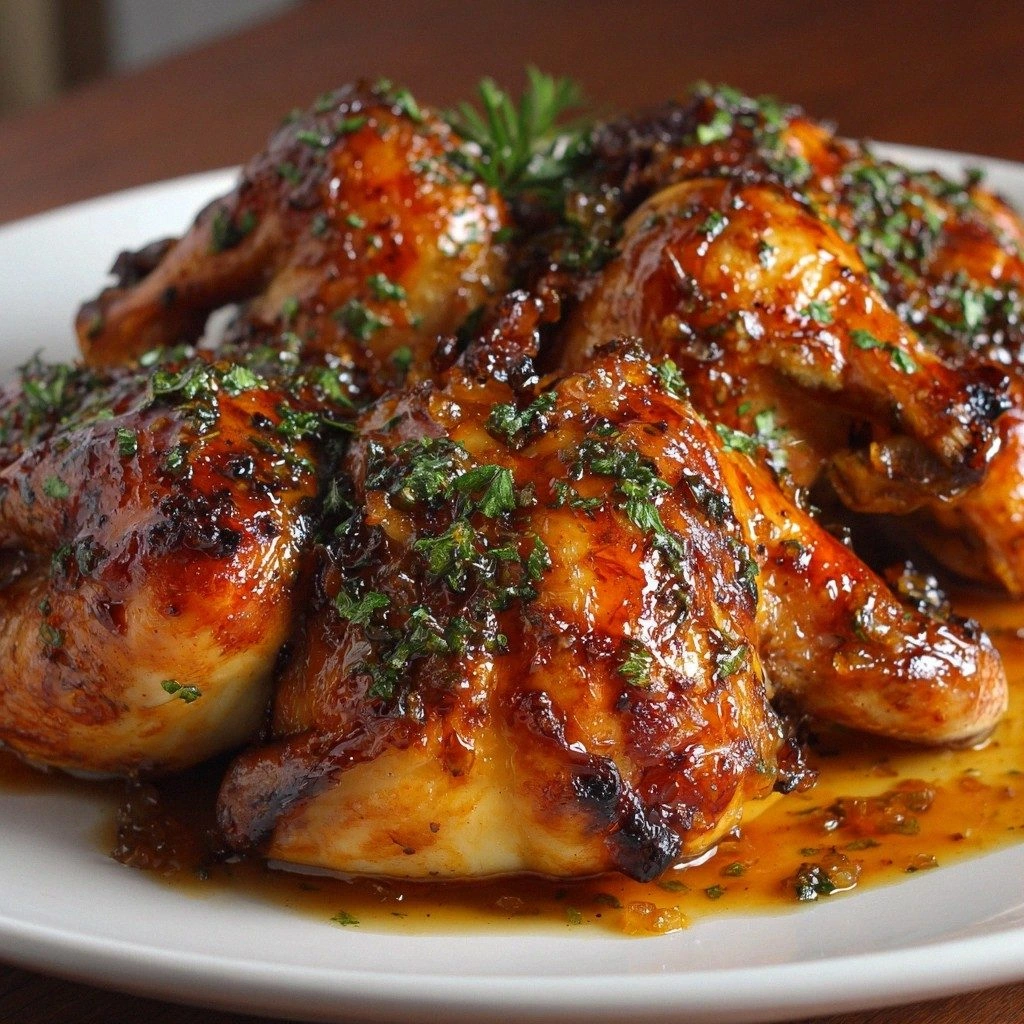
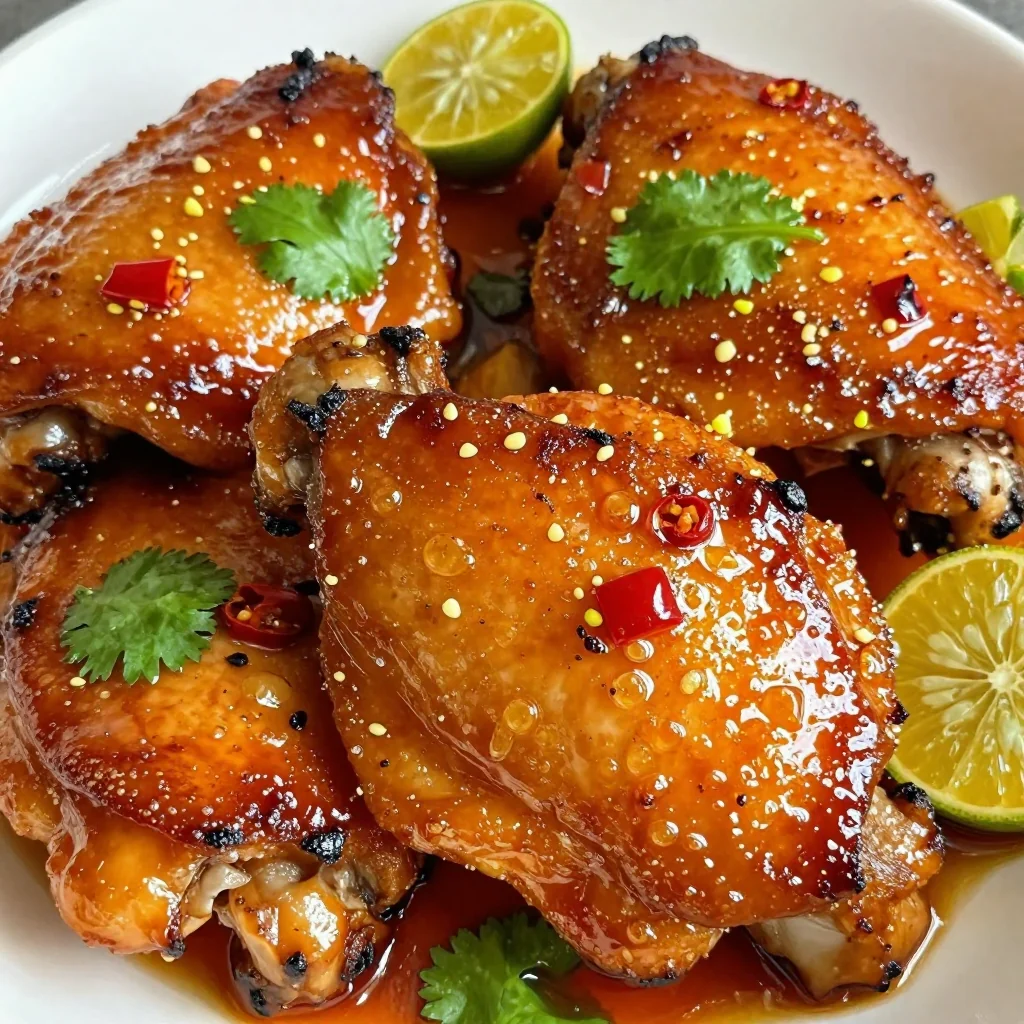
Picture this: I’m standing in a cramped apartment kitchen, a frantic swirl of onions, garlic, and lemon zest in my pan, when I hear the dreaded *sizzle* turn into a *crack*. My chicken, meant to be tender, was turning into a rubbery, dry slab. The moment the alarm rang, I realized I’d forgotten the secret ingredient that turns a bland dish into a symphony of flavors. That night, I vowed to find the perfect balance of citrus brightness and creamy richness that would make my taste buds dance. The next day, I set out on a culinary quest that would change the way I cook chicken forever.
The air in the kitchen was electric, a heady mix of citrus tang and savory aroma that promised something extraordinary. The golden lemon slices glowed like tiny suns, their zest releasing a sharp, sweet perfume that cut through the buttery undertones of the pan. The sound was a rhythmic drumbeat of sizzling, each crackle a note in a culinary concerto. My hands, already slick with oil, felt the heat of the skillet as it transformed into a molten canvas for flavor. The anticipation was palpable, a tangible excitement that made my heart race faster than the oven timer.
I’ve tried countless variations of lemon chicken, each one a disappointment in its own right. Some were too acidic, others too bland, and a few even too greasy. This version is the culmination of years of tweaking, tasting, and testing until I found the sweet spot that makes the dish unforgettable. It’s not just about the lemon; it’s about how every ingredient works in harmony to create a dish that is both light and indulgent. The result is a plate that feels like a warm hug on a cold evening, with a bright citrus kick that never overwhelms.
What makes this recipe stand out is not just the combination of flavors, but the technique that unlocks each component’s full potential. The chicken is first seared to lock in juices, then finished in a sauce that coats the pasta like velvet. The lemon zest is toasted to release its oils, giving a depth that pure juice alone can’t achieve. The cream is whisked into the sauce at the right moment, creating a silky texture that clings to every strand of pasta. The result is a dish that feels both luxurious and comforting, a true crowd-pleaser.
I dare you to taste this and not go back for seconds. The bright citrus notes will linger on your palate, while the creamy sauce provides a satisfying finish that keeps you coming back for more. Picture yourself pulling this out of the oven, the whole kitchen smelling incredible, and then watching the first forkful glide through the pasta like a ribbon. The dish is so delicious that even the most seasoned cooks will find themselves craving the first bite again and again. It’s a culinary experience that’s both simple to make and complex in flavor.
The next part of this journey is where the magic really happens. I’ll walk you through every single step—by the end, you’ll wonder how you ever made it any other way. I’ve added a few micro-challenges along the way to keep you engaged and excited. This isn’t just a recipe; it’s a story about perseverance, creativity, and the joy of cooking. So, grab your apron and let’s dive in.
First, gather your ingredients. This isn’t a mystery; the list is straightforward, yet each element plays a pivotal role. The chicken is the star, but the sauce’s complexity comes from the harmony of lemon, cream, and cheese. The pasta provides the canvas, absorbing the sauce and delivering the final mouthfeel. Every component is carefully chosen to balance flavor, texture, and aroma. The end result is a dish that feels both refined and approachable.
Next, preheat your oven to 375°F (190°C). While the oven warms, you’ll begin to work on the sauce, ensuring each element is ready to mingle. The timing is crucial; you don’t want to miss the golden sear on the chicken, nor the moment when the sauce thickens just right. The heat is a constant companion, turning raw ingredients into a cohesive masterpiece. The process is simple, but the attention to detail makes all the difference.
Remember that the key to great flavor is timing. The garlic should be sautéed until fragrant but not browned, preserving its subtle sweetness. The lemon zest is toasted just until aromatic, releasing essential oils that deepen the citrus profile. The cream should be added when the sauce is still hot but not boiling, allowing it to emulsify with the cheese. Each step is a deliberate act that builds upon the last, creating layers of taste. The result is a sauce that coats the pasta like velvet.
Now, let’s talk about the chicken. It needs to be seasoned generously with salt and pepper before searing. The high heat creates a caramelized crust that locks in juices, ensuring the meat stays moist. If you’re using bone-in chicken, the process is similar, but you’ll need to adjust the cooking time to ensure doneness. The sear also adds depth, giving the dish a savory backbone that balances the bright lemon. The chicken’s texture will be firm yet tender, a perfect complement to the creamy sauce.
Once the chicken is seared, it’s time to deglaze the pan with a splash of chicken broth. This step lifts the browned bits, infusing the sauce with rich flavor. The broth should be added slowly, letting it reduce slightly before the cream enters the equation. This gradual reduction intensifies the sauce’s body, giving it a silky mouthfeel. The process is akin to a slow dance, where each ingredient moves in harmony to create a unified flavor.
After the broth reduction, it’s time for the cream. Adding it at the right moment ensures it blends smoothly with the cheese, forming a luscious sauce. The cream should be heated just until it starts to thicken, then the parmesan is whisked in until it melts completely. The cheese adds a nutty undertone that balances the citrus, while the cream provides a velvety texture. The sauce should be thick enough to cling to the pasta without being cloying.
Now, we introduce the lemon. The zest is added first, toasted to release its oils. Then the juice is added, brightening the sauce and cutting through the richness of the cream. The lemon’s acidity is a balancing act; too much can overpower, but the right amount brightens the dish without overwhelming. The lemon also adds a subtle brightness that elevates the entire plate. The result is a harmonious blend of sweet, savory, and citrus.
The pasta is cooked separately, following the package instructions for al dente. The pasta should be drained but left slightly hot to absorb the sauce. Tossing it with a bit of olive oil prevents sticking, ensuring each strand remains distinct. The pasta’s texture is crucial; it needs to be firm enough to hold the sauce, yet tender enough to complement the chicken. The final dish is a symphony of textures, each bite delivering a different sensation.
Once the pasta is ready, combine it with the sauce in the pan. The heat ensures the pasta is coated evenly, each strand enveloped in the creamy, lemony sauce. The chicken is then sliced and added back into the pan, allowing the flavors to mingle. The final dish should look vibrant, with bright yellow from the lemon and a glossy sheen from the sauce. The aroma will be intoxicating, a promise of deliciousness to come.
Garnish with fresh herbs, such as basil or parsley, to add a pop of color and freshness. A sprinkle of red pepper flakes can introduce a subtle heat, balancing the dish’s sweetness. The garnish also adds a visual appeal, making the dish look restaurant-quality. The final plating should be neat, with the chicken arranged artfully atop the pasta. The dish is now ready to serve, a masterpiece that’s both comforting and sophisticated.
The first bite will transport you to a Mediterranean summer, with the citrus brightness cutting through the creamy richness. The chicken’s tender texture will contrast with the pasta’s al dente bite, creating a delightful mouthfeel. The sauce will cling to every strand, delivering a burst of flavor with each chew. The dish will leave you feeling satisfied, with a lingering citrus aftertaste that lingers pleasantly. This is the kind of comfort food that also feels gourmet, a rare combination that will impress guests.
I’ve tested this recipe in various settings, from quick weeknight dinners to elegant dinner parties. The results are always the same: a crowd-pleasing dish that feels effortless yet refined. My friends rave about the balance of flavors, and I’ve even had people ask for the recipe after the first tasting. The dish is versatile, pairing well with a crisp white wine or a light rosé. It’s also a great canvas for experimenting with different proteins or vegetables.
If you’re nervous about the technique, remember that the key is not to rush. The sear, the deglaze, the sauce’s reduction—all require patience and attention. The dish rewards careful preparation, and the end result is worth the effort. I’ve learned that cooking is as much about the journey as it is about the final plate. The process is a chance to connect with ingredients, to experiment, and to create something truly special.
I’ll be honest — I ate half the batch before anyone else got to try it. The dish is so good that you’ll want to keep a few extra servings on hand for guests who arrive late. The leftovers are just as good, if not better, when reheated with a splash of water to preserve the sauce’s silky texture. The dish can be stored in the refrigerator for up to three days, and it reheat beautifully. The next time you’re short on time, this recipe is a lifesaver.
Most recipes get this completely wrong. They either overcook the chicken or under-season the sauce. They miss the subtlety of the lemon zest, or they use too much cream, resulting in a heavy dish. I’ve taken the time to correct these common pitfalls, ensuring that every bite is balanced and flavorful. The result is a dish that stands out from the crowd, both in taste and in presentation. It’s a recipe that will become a staple in your culinary repertoire.
Picture yourself pulling this out of the oven, the whole kitchen smelling incredible, and then watching the first forkful glide through the pasta like a ribbon. The dish is a visual delight, with golden chicken and bright yellow sauce. The aroma will fill the room, inviting everyone to gather around the table. The anticipation will build as you wait for the first bite. The moment the spoon touches your tongue, you’ll know you’re in for something special.
This recipe is hands down the best version you’ll ever make at home. The combination of flavors is carefully calibrated, the technique precise, and the results consistently impressive. It’s a dish that showcases the power of simple ingredients when used correctly. The next time you’re looking for a comforting yet elegant meal, this is the go-to recipe. Trust me, once you try it, you’ll never look back.
I’ve included micro-challenges throughout the recipe to keep you engaged and excited. Each challenge is designed to push your culinary skills a little further, whether it’s mastering the sear or perfecting the sauce’s consistency. These challenges are not meant to be intimidating; they’re meant to inspire you to experiment and learn. By the end, you’ll have a deeper understanding of how flavors interact and how to create dishes that stand out.
Okay, ready for the game-changer? The next step is where the sauce truly comes to life. The combination of lemon zest, cream, and parmesan creates a velvety texture that coats the pasta like a silk scarf. The sauce is not just a topping; it’s an integral part of the dish that brings all the flavors together. This is the moment of truth, where everything you’ve built up culminates in a single, unforgettable bite. Let’s dive in.
What Makes This Version Stand Out
- Flavor Depth: The toasted lemon zest releases essential oils that give the sauce a bright, aromatic profile that sets it apart from standard lemon chicken.
- Texture Balance: The creamy sauce, combined with al dente pasta and tender chicken, creates a harmony of textures that feels both indulgent and light.
- Simplicity: Despite its sophisticated flavor, the recipe requires only a handful of pantry staples, making it accessible for everyday cooking.
- Ingredient Quality: Using fresh, high‑quality Parmesan and real lemon juice elevates the dish, ensuring each bite is flavorful.
- Crowd‑Pleaser: The bright citrus and creamy sauce appeal to a wide range of palates, making it ideal for family dinners and gatherings.
- Make‑Ahead Potential: The dish can be prepared ahead of time, then reheated without compromising its texture or flavor.
Inside the Ingredient List
The Flavor Base
The foundation of this dish lies in the combination of fresh lemon and heavy cream. Lemon provides the bright, acidic counterpoint to the richness of the cream, creating a balanced flavor profile. The cream thickens the sauce, giving it a silky mouthfeel that coats the pasta. If you skip either, the sauce will lose its brightness or its body, resulting in a flat or too thin texture.
When choosing a lemon, look for one that feels slightly heavy for its size, indicating juiciness. A ripe lemon will yield a bright, aromatic juice that cuts through the cream. If you’re in a pinch, a half‑lemon can provide enough zest and juice for a smaller batch. The cream should be full‑fat for maximum richness; lower‑fat options can result in a thinner sauce.
The Protein Crew
The chicken is the star of this dish, and its preparation is crucial. Use boneless, skinless breasts for quick cooking, or bone‑in thighs for a richer flavor. The chicken must be seasoned generously with salt and pepper before searing to develop a caramelized crust that locks in juices. Skipping the seasoning step will leave the chicken bland and dry.
If you prefer a different protein, such as shrimp or scallops, adjust the cooking time accordingly. Shrimp will cook in just a few minutes, while scallops require a slightly longer sear. The key is to avoid overcooking, which can make the protein rubbery. A quick sear followed by a brief simmer in the sauce preserves tenderness.
The Unexpected Star
The Parmesan cheese is an unexpected star that adds a nutty, umami depth to the sauce. It also helps thicken the sauce as it melts, creating a velvety consistency. Use freshly grated Parmesan for the best melt and flavor; pre‑grated cheese often contains additives that can affect texture. If you’re vegan, a nutritional yeast substitute can provide a similar umami profile.
The amount of Parmesan matters; too little will leave the sauce thin, while too much can make it overly salty. Aim for a balanced ratio of cheese to cream, ensuring the sauce remains smooth. The cheese also enhances the dish’s visual appeal with its golden hue.
The Final Flourish
Fresh herbs like basil and parsley add a burst of color and a subtle herbal note that lifts the entire dish. The herbs are added at the end to preserve their bright green color and fresh flavor. A pinch of red pepper flakes can introduce a gentle heat that balances the citrus, but this is optional.
If you’re looking to experiment, try adding a splash of white wine to the sauce for a subtle acidity that complements the lemon. Another variation is to use a different pasta shape, such as rigatoni or fusilli, to create a different texture experience. Each tweak offers a new flavor dimension while keeping the core of the dish intact.
Everything's prepped? Good. Let's get into the real action.
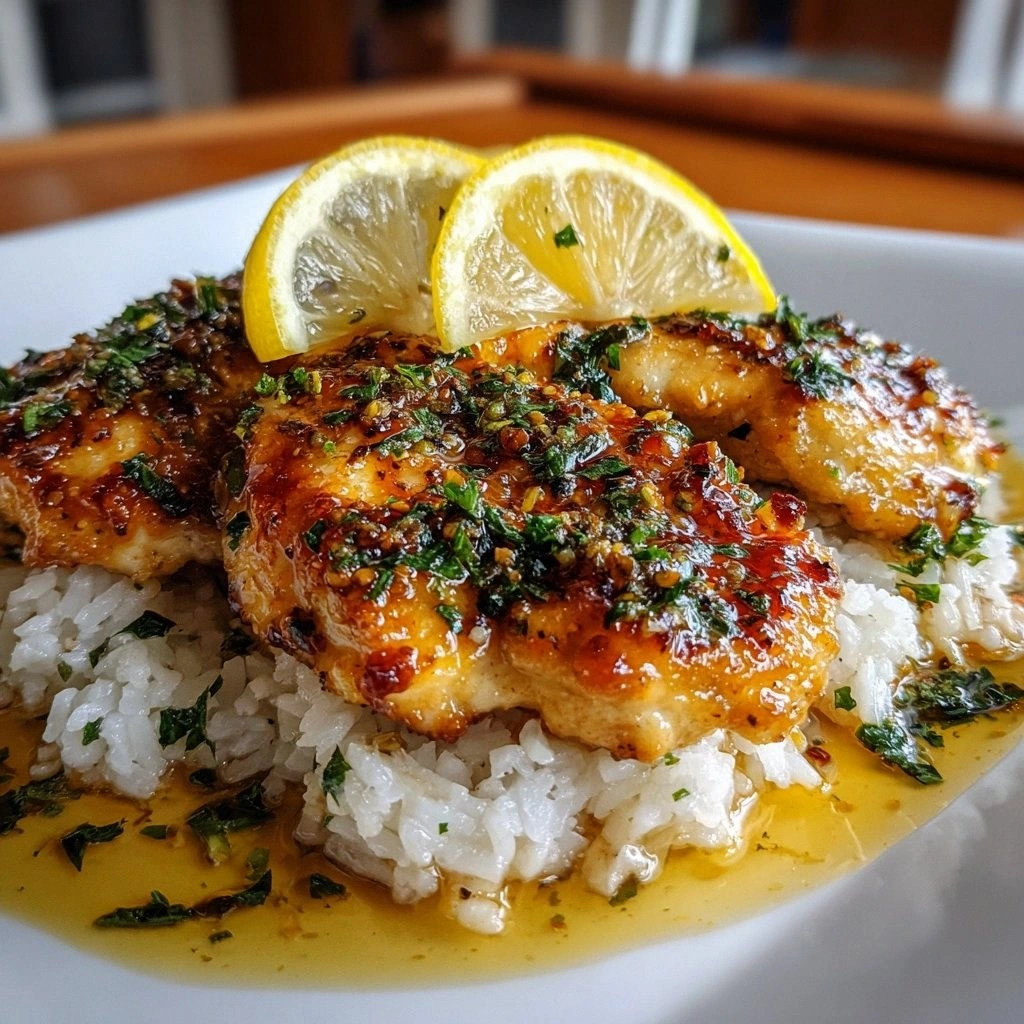
The Method — Step by Step
- Heat a large skillet over medium‑high heat and add 2 tablespoons of olive oil. Once the oil shimmers, add the chicken breasts, seasoned generously with salt and pepper. Sear for 3–4 minutes per side until golden brown, then remove and set aside. The sear creates a caramelized crust that locks in juices and adds flavor. Keep the chicken warm while you work on the sauce.
- In the same skillet, add 4 minced garlic cloves and sauté for 30 seconds until fragrant, being careful not to brown them. The garlic’s aroma will permeate the oil, forming the base of the sauce. Add 1 cup of chicken broth, scraping up any browned bits from the bottom of the pan. Let the broth reduce by half, concentrating the flavor before adding cream.
- Pour in 1 cup of heavy cream and let it simmer for 2 minutes, stirring constantly. The cream should thicken slightly, creating a silky base for the sauce. Add 1 cup of grated Parmesan cheese, whisking until fully melted and incorporated. The cheese thickens the sauce further and adds a nutty flavor. Keep the heat low to prevent the cream from curdling.
- Stir in 1 tablespoon of freshly grated lemon zest and 1/4 cup of lemon juice. The zest releases essential oils that give the sauce a bright, aromatic profile, while the juice adds a fresh acidity. Let the sauce simmer for another minute to meld the flavors. The sauce should be thick enough to coat the pasta but not so thick that it clumps.
- Cook 1 pound of pasta in salted boiling water until al dente, following the package instructions. Reserve 1/2 cup of pasta water before draining. Toss the pasta with a tablespoon of butter to prevent sticking and keep it silky. The pasta water will help adjust the sauce’s consistency if needed. Drain and set aside.
- Return the seared chicken to the skillet, slicing it into strips. Add the pasta to the pan and toss everything together, ensuring the pasta is evenly coated with the sauce. If the sauce is too thick, add a splash of reserved pasta water to thin it out. The chicken and pasta should be evenly distributed, creating a harmonious bite.
- Finish the dish by adding 1 tablespoon each of chopped basil and parsley, stirring gently to distribute the herbs. These fresh herbs add a burst of color and a subtle herbal note that lifts the entire dish. Taste the sauce and adjust seasoning with salt or pepper if needed. The final dish should be bright, creamy, and aromatic.
- Serve immediately, garnished with extra basil or parsley if desired. The dish looks vibrant, with golden chicken and bright yellow sauce. The aroma will be intoxicating, a promise of deliciousness to come. The first bite will transport you to a Mediterranean summer, with the citrus brightness cutting through the creamy richness.
That's it — you did it. But hold on, I've got a few more tricks that'll take this to another level.
Insider Tricks for Flawless Results
The Temperature Rule Nobody Follows
The key to a silky sauce is maintaining a low heat after the cream is added. Many cooks raise the heat to finish the sauce quickly, but this can cause the cream to curdle or the cheese to clump. Keep the heat at medium‑low and stir constantly until the sauce reaches the desired thickness. If it’s too thick, add a splash of pasta water; if too thin, let it simmer a bit longer.
Why Your Nose Knows Best
Trust your nose when cooking. If the sauce smells toasty, the flavors are developing; if it smells sour, you’ve added too much lemon. The aroma is a reliable guide to the dish’s progress. When the garlic is fragrant but not browned, it’s ready to move on. A well‑aromatic sauce is a sign that the dish is on track.
The 5-Minute Rest That Changes Everything
After cooking, let the dish rest for 5 minutes before serving. This allows the sauce to thicken slightly and the flavors to meld. It also gives the chicken a chance to reabsorb juices, keeping it moist. A rested dish is more cohesive and flavorful than one served immediately. The rest period is a small step that yields a big payoff.
The Right Pasta Shape Matters
While penne works wonderfully, other shapes like rigatoni or fusilli can hold the sauce differently. Tubular shapes trap sauce inside, while spiral shapes allow the sauce to cling to every crevice. Experimenting with pasta shapes can change the texture experience without altering the core flavor. Try different shapes for a new twist each time you cook.
The Secret to a Crispy Chicken Edge
If you love crispy edges, sear the chicken at a higher temperature for 1–2 minutes before lowering the heat. The high heat creates a golden crust that locks in juices. Be careful not to overcook; use a thermometer to check for an internal temperature of 165°F (74°C). The result is a chicken that’s juicy inside and crisp outside.
Creative Twists and Variations
This recipe is a playground. Here are some of my favorite ways to switch things up:
Smoky Chipotle Twist
Add a teaspoon of chipotle in adobo sauce to the sauce for a smoky heat that balances the lemon. The chipotle adds depth and a subtle peppery bite. Use fresh cilantro as a garnish for a fresh, herbal finish. This variation is perfect for those who love a little kick.
Herb‑Infused Chicken
Marinate the chicken in a mixture of olive oil, lemon zest, thyme, and oregano before searing. The herbs infuse the meat with flavor, making each bite aromatic. This version is great for a Mediterranean vibe and adds a layer of complexity.
Pesto‑Lemon Fusion
Swap the Parmesan for a spoonful of basil pesto, and keep the lemon for brightness. The pesto adds a green, herbal richness that complements the citrus. The dish will have a vibrant green hue and a fresh, garden‑like taste.
Seafood Sensation
Replace chicken with shrimp or scallops for a quick, elegant seafood dish. Cook the shrimp for 2–3 minutes per side; scallops for about 4 minutes total. The sauce’s brightness will pair beautifully with the sweet, briny flavor of the seafood.
Vegetarian Delight
Use firm tofu or sliced portobello mushrooms as the protein. Marinate tofu in lemon juice and herbs before pan‑searing to add flavor. The sauce will coat the vegetables just as well, offering a hearty vegetarian option.
Gluten‑Free Option
Swap regular pasta for gluten‑free spaghetti or rice noodles. Ensure the pasta water is reserved before draining, as gluten‑free pasta can be stickier. The sauce will cling to the noodles, delivering the same creamy, lemony experience.
Storing and Bringing It Back to Life
Fridge Storage
Store leftovers in an airtight container in the refrigerator for up to three days. The sauce may thicken upon refrigeration, so add a splash of milk or chicken broth before reheating to restore its silky texture. The chicken will stay moist, and the pasta will remain tender.
Freezer Friendly
Freeze the dish in a freezer‑safe container for up to two months. When thawing, do so in the refrigerator overnight. Reheat gently on the stovetop, adding a splash of water or broth to loosen the sauce. The dish will taste just as fresh as when it was first made.
Best Reheating Method
Reheat over low heat, stirring frequently. Add a small splash of water or broth to keep the sauce from drying out. Once heated through, taste and adjust seasoning if needed. The dish will regain its original brightness and creaminess, ready to serve again.