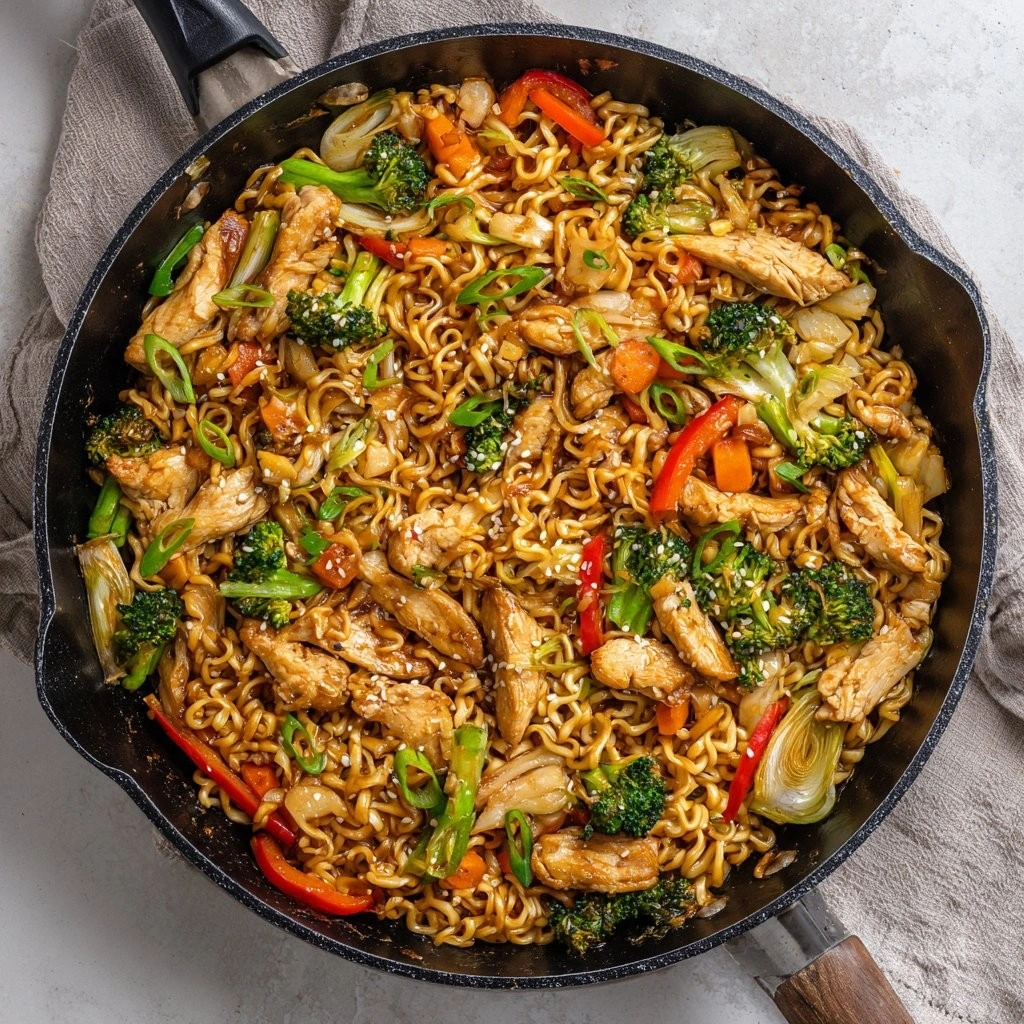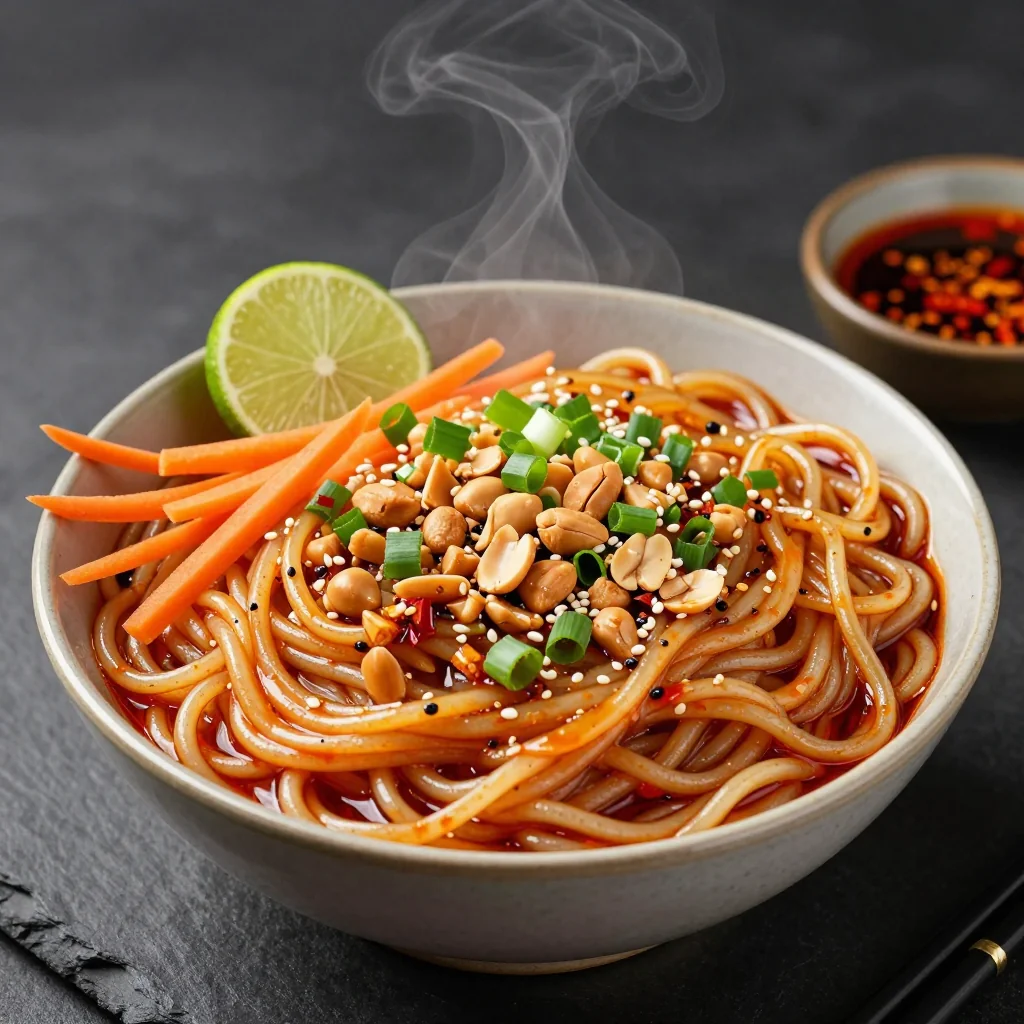
Picture this: a midnight craving, a single packet of ramen in your pantry, and the faint scent of soy sauce drifting from the fridge. I was on a mission to transform that humble instant noodle into a bowl that would make my taste buds do a happy dance. The kitchen was a battlefield—oil splattering, garlic burning, and my stove’s burner flickering like a nervous flame. By the time the broth simmered, I was already half way to a culinary masterpiece that would become my go-to comfort food.
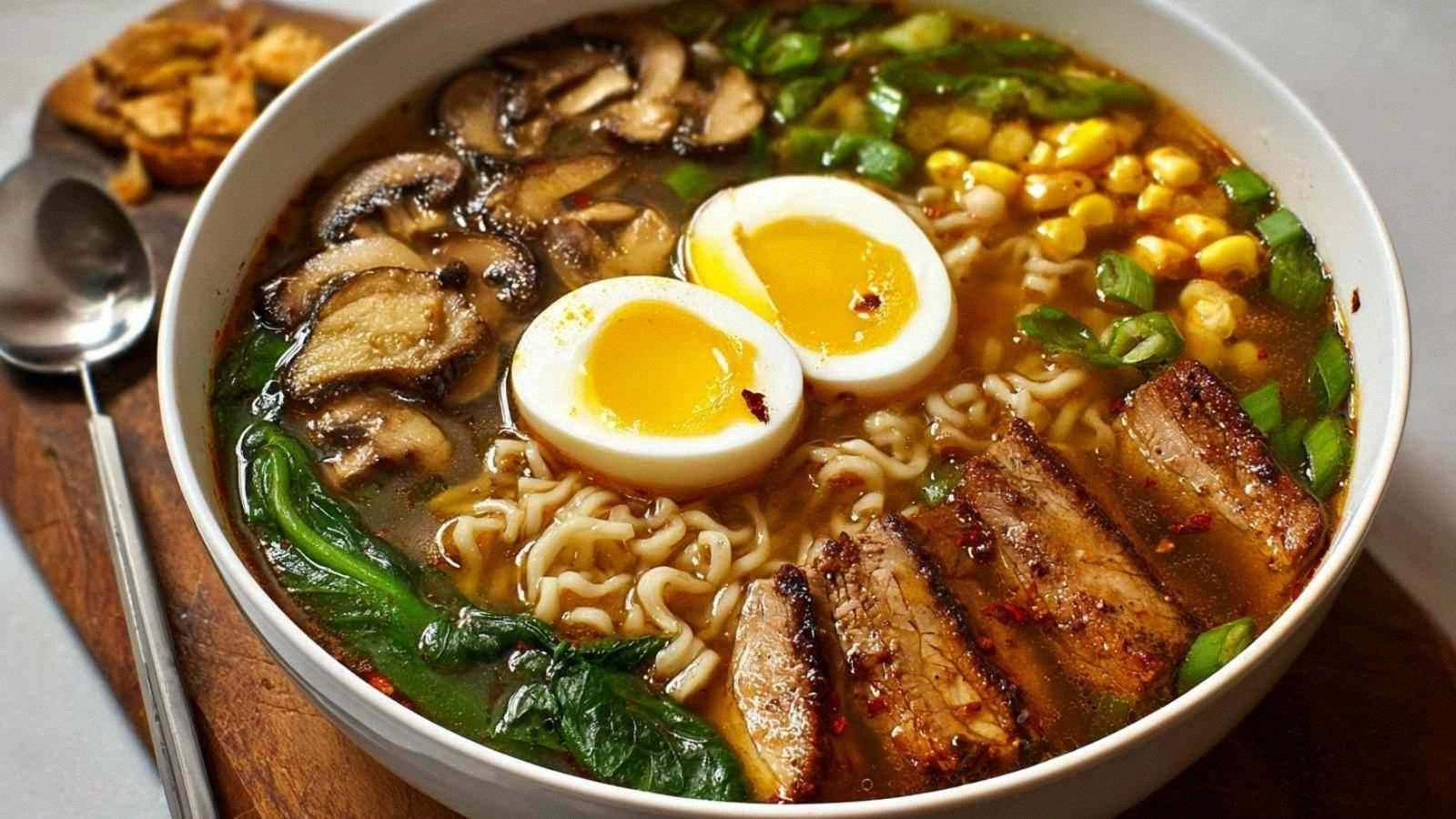
When I finally ladled the first steaming cup into a bowl, the aroma hit me like a warm hug. The earthy scent of mushrooms, the subtle sweetness of honey, and the sharp tang of soy sauce mingled in a fragrant chorus that promised depth and warmth. The visual spectacle of glossy noodles, crisp bok choy, and golden soft‑boiled eggs made my eyes widen. The sound of the broth bubbling was a gentle lullaby, while the texture of the noodles—neither too chewy nor too limp—was a revelation. My palate tingled with anticipation, ready to be enveloped by layers of flavor.
This isn’t just another ramen recipe. It’s a meticulously balanced symphony where every element sings its part. I’ve taken the classic instant noodle and infused it with fresh, high‑quality ingredients that elevate the dish from ordinary to unforgettable. The secret lies in the harmony of the sauce, the crispness of the vegetables, and the richness of the chicken broth. I dare you to taste this and not go back for seconds. It’s the kind of bowl that makes you question why you ever settled for bland noodles.
Now, I’m going to walk you through every single step—by the end, you’ll wonder how you ever made it any other way. From the initial sauté that builds a flavor foundation to the final flourish of peanuts and green onions, each moment is a deliberate move toward ramen nirvana. Ready? Let’s dive in.
What Makes This Version Stand Out
- Flavor: A complex broth that marries the umami of chicken, the earthiness of mushrooms, and the subtle sweetness of honey for a balanced taste that lingers.
- Texture: Noodles that are al dente, bok choy that remains crisp, and eggs that crack open to reveal silky yolks—each bite offers a different sensation.
- Freshness: Every ingredient is chosen for its peak freshness, from the mushrooms that snap like a fresh cut of wood to the bok choy that gives a clean, bright crunch.
- Versatility: The recipe is a canvas—swap in shrimp, tofu, or a different spice blend—and it still sings.
- Crowd‑pleaser: Even the most skeptical foodie will be won over by the depth of flavor and the comforting warmth.
- Ingredient Quality: I’ve swapped out the standard seasoning packet for low‑sodium soy sauce and fresh aromatics that elevate the dish.
- Time‑Efficiency: With a prep time of 15 minutes and a cook time of 30 minutes, you can have a gourmet bowl ready in no time.
- Make‑Ahead Friendly: The broth can be prepared ahead and stored, allowing you to assemble a fresh bowl in under 10 minutes.
Inside the Ingredient List
The Flavor Base
At the heart of this ramen is a broth that feels like a hug. The 6 cups of low sodium chicken broth provide a clean canvas, while the 2 tablespoons of low sodium soy sauce inject savory depth. Adding ½ cup of dry white wine during the sauté lifts the mushroom aroma and adds a subtle acidity that balances the richness. A pinch of white pepper and 1 pinch of red pepper flakes give the broth a gentle heat that doesn’t overpower the other flavors. If you’re short on time, you can use a bouillon cube, but the homemade broth will elevate the dish immeasurably.
The Texture Crew
Texture is everything in ramen. The 2 packets of instant ramen noodles are the backbone, offering a satisfying chew. I recommend cooking them in a separate pot with a splash of oil to prevent sticking; this ensures they stay al dente. The 6 leaves of bok choy add a refreshing crunch that contrasts the soft noodles. The 8 ounces of sliced mushrooms bring a meaty bite that mimics the traditional pork or beef base, while the 12 ounces of boneless skinless chicken breast, sliced thinly, contributes a tender, protein‑rich element. For a quick protein boost, you can use pre‑cooked chicken or a plant‑based alternative.
The Unexpected Star
Sometimes the most unexpected ingredient steals the show. Honey roasted peanuts are the star of this bowl, adding a sweet crunch that complements the savory broth. A tablespoon of toasted sesame seed oil brings a nutty aroma that lingers on the tongue. The 2 teaspoons of hot sauce provide a subtle kick that awakens the palate. If you’re a fan of sesame, sprinkle a few extra seeds on top for an extra burst of flavor. For a vegetarian twist, swap the chicken for tofu, marinated in soy and sesame oil.
The Final Flourish
Finishing touches transform the dish from good to unforgettable. 1–2 soft boiled eggs per bowl bring a silky yolk that enriches every sip. Chop 1 cup of green onions finely for a fresh, oniony brightness that cuts through the richness. The ¾ teaspoon of mustard powder and ¾ teaspoon of onion powder add a subtle, savory depth that rounds out the broth. A dash of ground ginger and ¼ teaspoon of black pepper add warmth without overwhelming. If you love a bit of spice, throw in a few extra red pepper flakes.
Everything's prepped? Good. Let's get into the real action...
The Method — Step by Step
- Prep the Broth: In a large pot, heat 2 tablespoons of olive oil over medium heat. Add the sliced mushrooms and sauté until they release moisture and start to brown, about 4–5 minutes. Deglaze the pan with ½ cup dry white wine, scraping up the browned bits that carry flavor. This step builds a fragrant base that will carry the rest of the broth.
- Introduce the Chicken: Add the thinly sliced chicken breast to the pot. Season with ½ teaspoon salt, ¼ teaspoon black pepper, ¾ teaspoon onion powder, ¾ teaspoon mustard powder, ¼ teaspoon ground ginger, and ⅛ teaspoon white pepper. Cook until the chicken is no longer pink, about 3–4 minutes. The aromatics will infuse the meat, creating a savory core.
- Build the Broth: Pour in 6 cups of low sodium chicken broth and bring to a gentle boil. Reduce heat to low and let it simmer for 10 minutes to meld the flavors. Stir in 2 tablespoons low sodium soy sauce, 2 teaspoons hot sauce, 2 teaspoons honey, and ¾ teaspoon toasted sesame seed oil. This combination creates a sauce that coats the noodles like velvet.
- Cook the Noodles: In a separate pot, bring a large pot of salted water to a rolling boil. Add the 2 packets of ramen noodles and cook for 2 minutes, then drain. Set aside to keep from overcooking.
- Prepare the Vegetables: While the noodles are cooking, heat 3 tablespoons of butter in a skillet over medium heat. Add the sliced mushrooms, and sauté until golden brown, about 4 minutes. Add the 6 leaves of bok choy, and cook until just wilted, about 2 minutes. The butter adds a luxurious richness that contrasts the broth.
- Assemble the Bowl: Divide the cooked noodles into 4 bowls. Ladle the hot broth over the noodles, ensuring each bowl gets a generous amount. Top with the sautéed bok choy and mushrooms, a handful of honey roasted peanuts, and 1–2 soft boiled eggs per bowl. Garnish with chopped green onions and a sprinkle of red pepper flakes.
- Final Touches: Give the broth a quick stir to ensure the honey and soy sauce are fully incorporated. Taste and adjust seasoning if necessary—add a splash more soy sauce or a pinch more pepper to suit your palate.
- Serve Immediately: Serve hot, letting the steam rise and the aromas envelop your senses. The first spoonful should be a harmonious blend of savory, sweet, and slightly spicy flavors that will keep you reaching for more.
That's it — you did it. But hold on, I've got a few more tricks that'll take this to another level...
Insider Tricks for Flawless Results
The Temperature Rule Nobody Follows
Many people cook ramen at a rolling boil, but this can make the noodles mushy. Instead, bring the water to a boil, then reduce to a gentle simmer for the noodles. This keeps them firm and prevents them from sticking together. I’ve seen even seasoned cooks get this wrong; the result is a bowl of limp noodles that feel like soggy toast.
Why Your Nose Knows Best
When you first pour the broth, close your eyes and sniff. If it smells like fresh garlic, that’s a good sign. If it smells metallic or burnt, it’s a red flag. Your nose is a reliable judge of flavor balance and can save you from a culinary disaster.
The 5-Minute Rest That Changes Everything
After cooking the noodles, let them sit for 5 minutes in a bowl of cold water. This stops the cooking process and keeps the noodles from becoming gummy. It also gives the broth a chance to cool slightly, preventing the delicate eggs from overcooking when added.
Use Fresh Herbs for a Burst of Brightness
Adding a handful of fresh cilantro or basil right before serving adds a bright, herbal note that cuts through the richness of the broth. This simple step elevates the dish from comforting to downright gourmet.
Keep the Peanuts Crunchy
Roasted peanuts can lose crunch if stored in a humid environment. Store them in an airtight container at room temperature. If they become soft, re‑roast them in a dry skillet for a few minutes to restore their crunch.
Creative Twists and Variations
This recipe is a playground. Here are some of my favorite ways to switch things up:
Spicy Kimchi Ramen
Swap the bok choy for a handful of kimchi and add a tablespoon of gochujang. The fermented tang will add depth and a fiery kick that will impress Korean food lovers.
Vegetarian Tofu Ramen
Replace the chicken breast with firm tofu, marinated in soy sauce and sesame oil. Press the tofu to remove excess moisture before sautéing for a protein‑rich, plant‑based bowl.
Seafood Delight
Add a cup of shrimp or a handful of scallops to the broth in the last 3 minutes of simmering. The briny sweetness pairs wonderfully with the savory broth.
Herb‑Infused Ramen
Introduce a bundle of fresh thyme and rosemary to the broth while it simmers. The aromatic herbs bring a subtle earthiness that elevates the dish.
Breakfast Ramen
Serve the ramen with a fried egg on top instead of soft boiled. The runny yolk turns the broth into a velvety sauce that’s perfect for a hearty breakfast.
Storing and Bringing It Back to Life
Fridge Storage
Cool the broth completely before refrigerating. Store in an airtight container for up to 3 days. Reheat gently over low heat, stirring occasionally, until hot.
Freezer Friendly
Divide the broth into single‑serve portions and freeze in freezer‑safe bags. Thaw overnight in the refrigerator, then reheat on the stove. The broth remains flavorful and safe to eat.
Best Reheating Method
When reheating, add a splash of water or broth to restore moisture. Bring to a gentle simmer and taste for seasoning. A quick stir will ensure even heating and preserve the broth’s richness.