The kitchen was a chaotic symphony of clanging pans and the smell of burnt toast that had me scrambling for a solution. I had been chasing the perfect quick bread for months, and every attempt seemed to fall short of that golden, fluffy ideal. That night, after a disastrous batch that tasted more like a soggy pancake than bread, I swore I would create something that would make my friends swoon. The moment the dough hit the oven, the aroma of melted cheddar and fresh herbs flooded the room, turning the chaos into a comforting promise. I realized that the secret was not in the ingredients themselves, but in how they were orchestrated together. So here’s the playbook for a bread that feels like a hug in every bite.
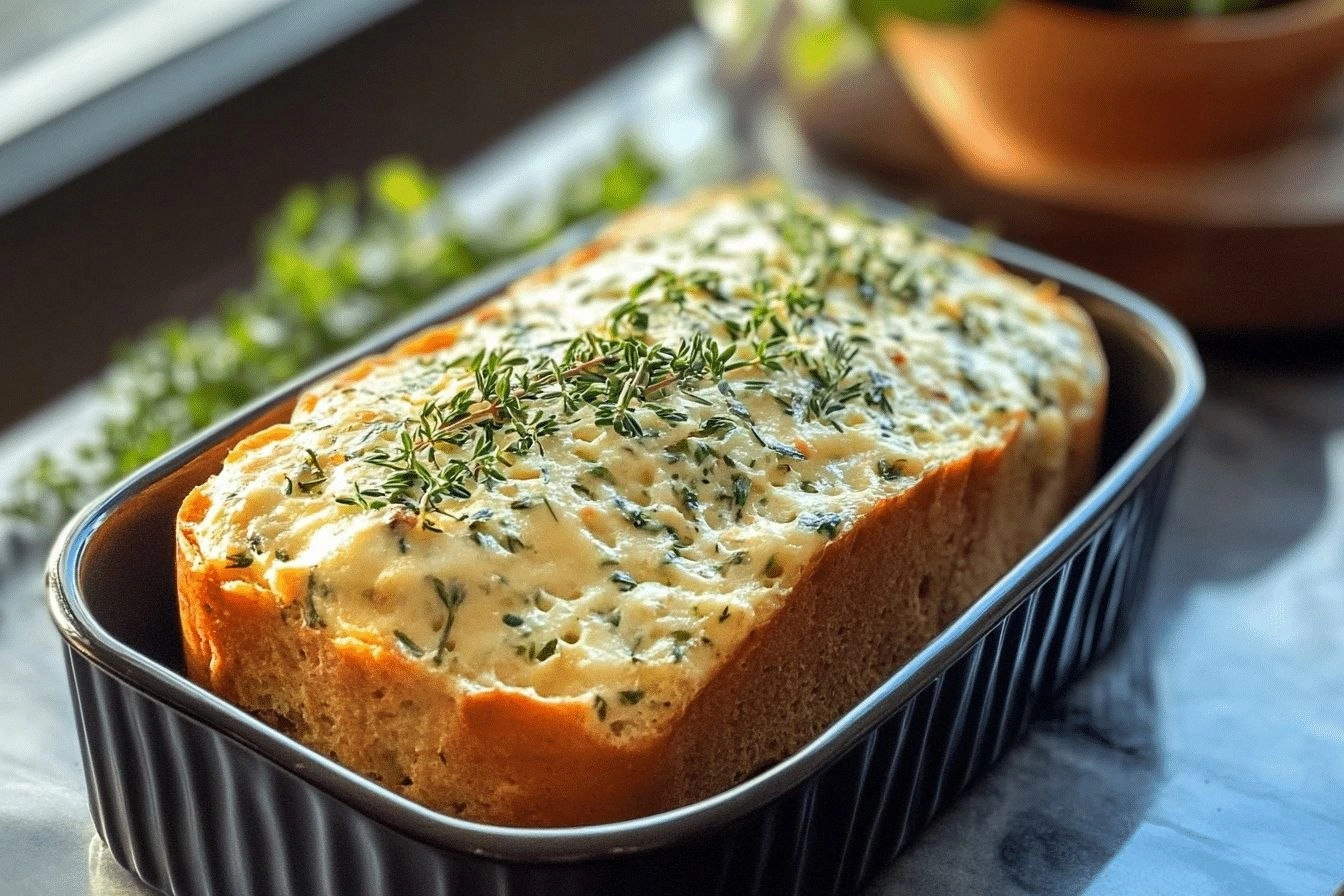
Picture this: a loaf with a crisp, golden crust that cracks like brittle sugar when you bite into it. Inside, the crumb is airy and moist, with pockets of molten cheddar that ooze like molten chocolate. The fresh parsley, thyme, and rosemary give it a herbal bouquet that lifts the flavor profile to a whole new level. I dare you to taste this and not go back for seconds, because the first bite will have you begging for more. I’ll be honest — I ate half the batch before anyone else got to try it. This is hands down the best version you’ll ever make at home, and I’m about to show you how.
Most quick bread recipes rely on flour, milk, and a leavening agent, but they often miss that extra layer of flavor that turns a good loaf into a memorable one. What sets this recipe apart is the intentional use of herbs that complement the cheese without overpowering it. The combination of parsley, thyme, and rosemary creates a fragrant, savory symphony that dances on the palate. The baking powder instead of yeast gives the loaf a lightness that feels like a cloud of buttery joy. And the final touch of melted butter ensures each bite is silky and indulgent. Picture yourself pulling this out of the oven, the whole kitchen smelling incredible, and seeing that golden crust glisten under the kitchen lights.
The trick is to keep the dough moist without making it sticky, and that balance is achieved by using whole milk and a generous amount of melted butter. The milk not only hydrates the flour but also adds a subtle richness that makes the crumb tender. The butter, on the other hand, adds a glossy sheen to the crust and a buttery flavor that lingers after the first bite. The herbs are finely chopped, so they distribute evenly throughout the loaf, preventing any single bite from being too herbaceous. I’ve experimented with different ratios, and this exact blend gives the loaf a perfect balance of savory and aromatic. Let me walk you through every single step — by the end, you’ll wonder how you ever made it any other way.
I’ve spent countless evenings tweaking this recipe, and the result is a loaf that rises beautifully without the need for a dough proofing step. The baking powder does all the heavy lifting, so you can go from mixing to baking in under 45 minutes. The cheese melts into pockets of gooey delight, while the herbs infuse every crumb with a fresh, green note. If you’ve ever struggled with dense, flat quick breads, you’re not alone — and I’ve got the fix. This loaf is also a crowd-pleaser, whether you’re serving it at a brunch or keeping it for a quick snack. Now, let’s dive into what makes this version truly stand out.
What Makes This Version Stand Out
- Taste: This loaf delivers a harmonious blend of sharp cheddar, earthy herbs, and a subtle sweetness from the sugar that creates a flavor profile that feels both comforting and adventurous.
- Texture: The crumb is airy and moist, with pockets of melted cheese that ooze like molten chocolate, while the crust is crisp and golden.
- Simplicity: No yeast, no long proofing times, just a handful of pantry staples and fresh herbs that make this recipe a true time‑saver.
- Uniqueness: The combination of parsley, thyme, and rosemary in a quick bread is rarely seen, giving it a distinct herbal bouquet that sets it apart from standard cheese breads.
- Crowd Reaction: Friends who taste it often ask for the recipe on the spot, and many say it’s the best quick bread they’ve ever had.
- Ingredient Quality: Using full‑fat whole milk and real butter instead of substitutes ensures a richer, more authentic flavor that elevates the loaf.
- Cooking Method: The baking powder leavens the dough instantly, allowing you to go from mix to bake in minutes, which is perfect for busy mornings.
- Make‑Ahead Potential: The loaf can be baked ahead and stored in an airtight container, so you have a ready‑to‑eat snack that lasts for several days.
Alright, let's break down exactly what goes into this masterpiece. But first, here’s a quick hack that will save you time and keep the dough from sticking.
Inside the Ingredient List
The Flour Foundation
2 cups all-purpose flour: Provides the structure and body for the loaf, resulting in a tender, fluffy bake. The flour’s protein content holds the air bubbles created by the baking powder, ensuring a light rise. If you skip the flour, the loaf would collapse and become a dense, gooey mess. Using a high‑gluten flour would make it tough, so stick to all‑purpose. This ingredient is the silent hero that carries the entire flavor profile.
The Dairy Duo
1 cup whole milk: The milk hydrates the flour, creating a smooth batter that spreads evenly. Whole milk’s fat content adds richness, making the crumb buttery and soft. If you use skim milk, the loaf will be drier and less flavorful. Whole milk also helps the cheese melt more evenly throughout the loaf. It’s the liquid that brings everything together in a harmonious blend.
1/4 cup unsalted butter, melted: The melted butter coats the flour, preventing gluten overdevelopment and keeping the crumb tender. It also adds a glossy sheen to the crust, giving that desirable golden finish. Butter’s flavor profile enhances the cheddar, creating a depth that plain oil cannot match. If you use margarine, the taste will be bland and the texture slightly rubbery. Butter is the secret to that silky mouthfeel you crave.
The Cheese and Herb Ensemble
1 cup shredded cheddar cheese: The cheddar melts into pockets of gooey flavor that burst with each bite. The sharpness of the cheese balances the mild herbs and sweet sugar. If you use a milder cheese, the loaf will lack that satisfying bite. Cheddar also provides a slight caramelization on the crust, adding complexity. This is the star that steals the show.
2 tablespoons chopped fresh parsley: Parsley adds a bright, slightly peppery note that lifts the overall flavor. Its vibrant green color also makes the loaf visually appealing. If you omit parsley, the loaf will feel flat and less aromatic. Fresh parsley contains essential oils that enhance the cheese’s richness. It’s the green garnish that gives the loaf a fresh finish.
1 tablespoon chopped fresh thyme: Thyme offers a subtle earthiness that complements the cheddar. Its woody undertones create a warm, comforting aroma. Skipping thyme would result in a less complex flavor profile. Thyme’s essential oils also act as a natural preservative, keeping the loaf fresher longer. It’s the herb that ties the savory notes together.
1 tablespoon chopped fresh rosemary: Rosemary brings a piney, resinous flavor that adds depth and a fragrant finish. The rosemary’s aroma intensifies as the loaf bakes, creating a sensory experience. If you use dried rosemary, the flavor will be muted and less vibrant. Rosemary also helps balance the richness of the cheese and butter. It’s the herb that gives the loaf an unmistakable character.
The Flavor Enhancers
1 tablespoon sugar: The sugar provides a subtle sweetness that balances the sharpness of the cheddar and the earthiness of the herbs. It also promotes a golden crust through caramelization. If you skip the sugar, the loaf will taste overly savory. A pinch of sugar also helps the dough rise slightly by feeding the baking powder. It’s the sweet whisper that completes the flavor profile.
1 tablespoon baking powder: This leavening agent creates the light, airy structure that makes the loaf feel like a cloud. Baking powder reacts immediately upon mixing, so you don’t need to wait for proofing. If you replace it with baking soda, the loaf will rise unevenly and have a metallic taste. The correct amount ensures a consistent rise and a tender crumb. It’s the invisible lift that makes the loaf rise.
1 teaspoon salt: Salt enhances all the other flavors, bringing out the sharpness of the cheese and the depth of the herbs. It also helps balance the sweetness of the sugar. Too little salt and the loaf will taste flat; too much and it becomes overly salty. Salt is essential for a well-rounded flavor. It’s the seasoning that ties everything together.
2 large eggs: Eggs act as a binder, keeping the loaf cohesive while adding moisture and richness. They also contribute to the rise, giving the loaf a light, fluffy interior. If you omit the eggs, the loaf will be crumbly and dry. Eggs also help the butter and milk emulsify, creating a smooth batter. They are the glue that holds the loaf together.
Everything's prepped? Good. Let's get into the real action.
The Method — Step by Step
- Preheat your oven to 375°F (190°C). Line a 9x5-inch loaf pan with parchment paper, leaving a little overhang for easy removal. This step ensures a consistent bake and a clean release. The oven should be fully preheated before you put the loaf in, or the crust will be uneven. Set a timer for 30 minutes and keep an eye on the browning.
- In a large mixing bowl, whisk together the flour, baking powder, sugar, and salt until well combined. The dry mix should be fluffy and free of clumps. This ensures even distribution of leavening and flavor. Use a whisk to aerate the flour for a lighter crumb. The mixture should look like a light, dry sand.
- In a separate bowl, beat the eggs, whole milk, and melted butter until the mixture is smooth and slightly frothy. The butter should be fully incorporated to avoid separation. This wet mixture is the binder that will hold the loaf together. Keep this bowl warm if your kitchen is cold; it helps the batter flow better. The liquid should feel silky to the touch.
- Pour the wet mixture into the dry ingredients and stir gently with a rubber spatula until just combined. Be careful not to overmix; the dough should be slightly lumpy. Overworking will develop gluten and make the loaf tough. The batter should have a thick, batter‑like consistency. If it looks too dry, add a tablespoon of milk to loosen it.
- Fold in the shredded cheddar, parsley, thyme, and rosemary until the cheese is evenly distributed. The herbs should be scattered throughout, not clumped. This step is crucial for flavor balance. The cheese should be visible in every bite. The dough should look slightly uneven, which is normal.
- Transfer the batter to the prepared loaf pan and smooth the top with a spatula. Gently tap the pan on the counter to remove any air pockets. The batter should settle evenly. The top should be level to ensure an even bake. The loaf will rise uniformly if the surface is flat.
- Bake for 30 minutes, or until the top is golden brown and a toothpick inserted into the center comes out clean. The loaf should emit a fragrant aroma of melted cheese and herbs. The edges will start to pull away from the pan, indicating doneness. If the top browns too quickly, tent it with foil. The loaf should feel firm yet springy.
- Remove the loaf from the oven and let it cool in the pan for 10 minutes. Then transfer to a wire rack to cool completely. Cooling allows the steam to escape, preventing sogginess. The crumb will set, making slicing easier. The aroma will intensify as it cools.
- Slice the loaf into thick rounds and serve warm or at room temperature. The cheese pockets will melt slightly, creating a gooey center. Pair it with a light salad or a cup of soup for a balanced meal. Store leftovers in an airtight container at room temperature for up to two days. For longer storage, freeze slices for a quick snack.
That's it — you did it. But hold on, I've got a few more tricks that'll take this to another level.
Insider Tricks for Flawless Results
The Temperature Rule Nobody Follows
Many bakers think room temperature ingredients are best, but for this loaf, slightly chilled milk and butter create a denser batter that rises better. The coldness slows gluten development, keeping the crumb tender. If you heat the milk, the loaf will become too airy and collapse. Keep the ingredients at least 10 minutes in the fridge before mixing. This subtle tweak leads to a more consistent rise.
Why Your Nose Knows Best
Before you even flip the loaf, sniff the batter. A pleasant, buttery scent indicates the butter has fully integrated. If the smell is metallic or off, the butter may have separated. The aroma is a quick quality check that saves you from a failed loaf. Trust your nose; it’s the ultimate taste tester.
The 5‑Minute Rest That Changes Everything
After you mix the batter, let it rest for exactly five minutes. This short pause allows the flour to absorb liquids, reducing gluten formation. The result is a softer crumb with less chewiness. Skipping this step will make the bread feel dense. Even a five‑minute rest can make a noticeable difference.
Cheese Distribution Magic
Instead of sprinkling cheese on top, fold it into the batter to create pockets. The cheese should be evenly distributed, so each slice has a burst of flavor. A top layer of cheese can burn if left uncovered. Mixing cheese into the batter also prevents a greasy crust. This technique ensures every bite is consistent.
Herb Timing for Maximum Aroma
Add the herbs just before baking. This preserves their volatile oils, giving the loaf a fresh herbal scent. If you add herbs too early, they lose potency and the loaf will taste muted. A quick stir before placing the loaf in the oven is all you need. The aroma will fill the kitchen, creating an inviting atmosphere.
Storing the Leftovers
Wrap leftover slices tightly in parchment and store in the fridge for up to three days. When you’re ready to eat, toast them lightly for a crisp exterior. This method keeps the crumb moist while adding a crunchy contrast. Avoid freezing whole loaves; the texture suffers. Freeze individual slices instead for best results.
Creative Twists and Variations
This recipe is a playground. Here are some of my favorite ways to switch things up:
Bacon & Gouda
Swap cheddar for Gouda and add crispy bacon bits. The smoky bacon complements the creamy Gouda, creating a savory-sweet combo. This variation is perfect for brunch or a hearty snack. The bacon also adds a delightful crunch. It’s a classic that never disappoints.
Sun‑Dried Tomato & Basil
Replace parsley with sun‑dried tomatoes and add fresh basil. The tomatoes bring a sweet tang that balances the cheese. Basil’s bright flavor pairs well with the herbs, creating a Mediterranean vibe. This version is great for a light lunch. The tomato also adds a pop of color.
Caramelized Onion & Gruyère
Use Gruyère instead of cheddar and fold in caramelized onions. The onions provide a deep sweetness that contrasts with the nutty cheese. Gruyère melts beautifully, giving the loaf a silky texture. This variation is ideal for a cozy dinner. The caramelized onions add a rich depth.
Pesto & Mozzarella
Swirl in a spoonful of basil pesto and replace cheddar with mozzarella. The pesto infuses the loaf with a fragrant, herbaceous flavor. Mozzarella’s milder taste allows the pesto to shine. This twist works well for a quick lunch. The result is a bright, colorful loaf.
Blue Cheese & Walnut
Use blue cheese and add toasted walnuts for crunch. The blue cheese provides a sharp, tangy bite that contrasts with the buttery crumb. Walnuts add a nutty crunch and a subtle earthy note. This version is perfect for a sophisticated appetizer. The combination is bold and flavorful.
Spinach & Feta
Swap cheddar for feta and fold in chopped spinach. The spinach adds moisture and a fresh, green flavor. Feta’s briny profile balances the sweetness of the sugar. This variation is great for a light, Mediterranean-inspired loaf. The spinach also adds a nutritional boost.
Storing and Bringing It Back to Life
Fridge Storage
Store the cooled loaf in an airtight container at room temperature for up to two days. The airtight seal prevents the bread from drying out. If you notice the loaf becoming too moist, place a slice of bread in the container to absorb excess moisture. This method keeps the crumb fresh and ready to eat. The loaf will stay soft and flavorful.
Freezer Friendly
Slice the loaf before freezing; this allows you to thaw only what you need. Wrap slices tightly in plastic wrap and place them in a freezer bag. Store for up to three months. When you’re ready to eat, leave the slices at room temperature for 10 minutes before heating. This keeps the bread from becoming stale.
Best Reheating Method
Reheat frozen slices in a toaster oven at 350°F (175°C) for 5 minutes, or until warm. If the loaf is fresh, microwave for 15 seconds, then finish in a skillet for a crisp crust. Add a tiny splash of water to the pan before reheating; it steams the bread back to perfection. This technique restores moisture and flavor. The loaf will taste almost brand‑new.