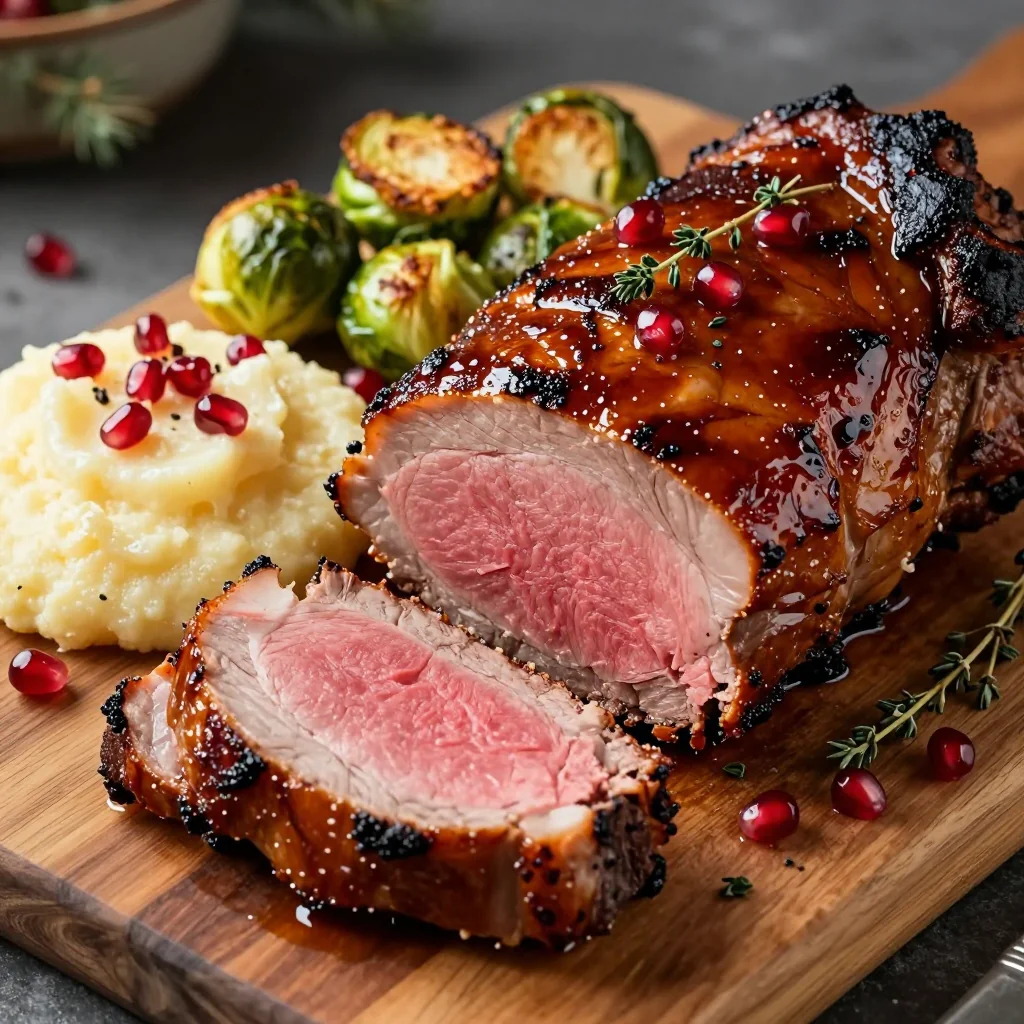
Love this? Pin it for later! 📌
When December rolls around and my kitchen smells like cinnamon and pine, I know it's time for my show-stopping glazed pork tenderloin. This isn't just another roast—it's the dish that made my mother-in-law finally admit I could cook (a true Christmas miracle!). After years of dry, forgettable holiday mains, I developed this jewel-toned, mahogany-glazed masterpiece that has become our family's most requested recipe. The secret lies in a double-glaze technique that creates a lacquered exterior while keeping the interior blush-pink and juicy. Whether you're hosting twelve guests or creating intimate memories for two, this tenderloin delivers the kind of centerpiece that has people snapping photos before they even say grace.
Why This Recipe Works
- Restaurant-quality glaze: A reduction of pomegranate, balsamic, and brown butter that clings like glossy enamel without burning.
- Reverse-sear method: Slow-roast first, then blast at high heat for the most evenly cooked, tender pork imaginable.
- Make-ahead friendly: Prep the glaze and dry-brine the meat up to 48 hours ahead—stress-free entertaining.
- Holiday aromatics: Fresh rosemary, star anise, and orange zest infuse every slice with winter warmth.
- Leftover magic: Cold slices transform next-day sandwiches into gourmet affairs with brie and cranberry chutney.
- Impressive but economical: Feeds eight for the price of a modest beef roast, leaving budget for sparkling wine.
Ingredients You'll Need
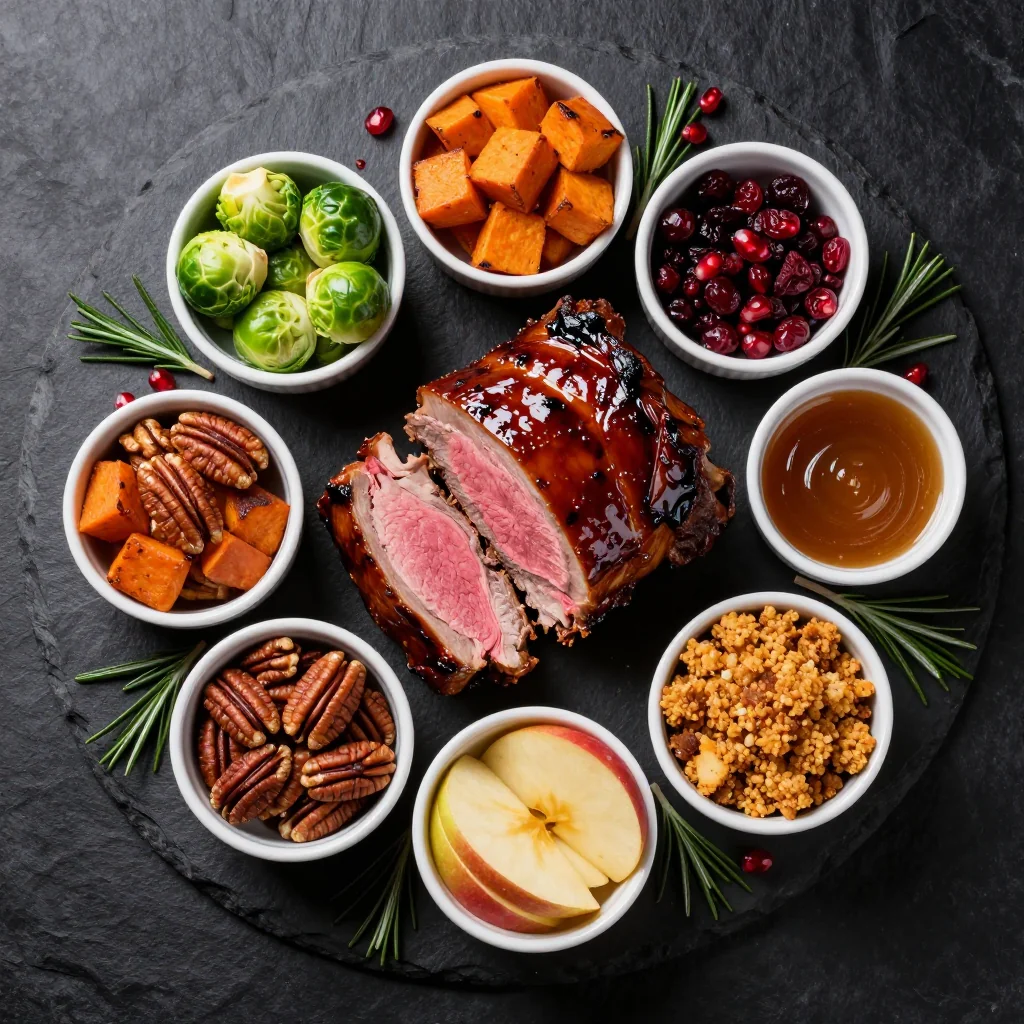
Quality ingredients make the difference between a good holiday roast and a legendary one. Start with two pork tenderloins (about 1.25 lb each), preferably from a heritage breed like Berkshire or Duroc—the marbling is superior and the meat tastes subtly sweet. Look for rosy-pink flesh with creamy white fat; avoid any packages with excess liquid, a sign of previously frozen meat.
For the glaze, you'll need 100% pomegranate juice (POM Wonderful works beautifully), aged balsamic that's thick enough to coat a spoon, and unsalted butter for browning. The butter adds nutty depth that olive oil simply can't match. Dark brown sugar balances the tart pomegranate, while fresh rosemary, cracked green cardamom, and a single star anise pod perfume the sauce with holiday nostalgia.
My secret weapon is a tablespoon of soy sauce—it provides umami that makes guests ask "what's that intriguing flavor?" without recognizing it. Fresh garlic, orange zest, and a pinch of flaky salt round out the profile. If pomegranates aren't in season, substitute tart cherry juice; the color remains stunning and the flavor profile stays festive.
Don't skip the coarse dijon in the finishing butter; the sharpness cuts through the sweetness and ties the whole dish together. Finally, invest in a good instant-read thermometer—this recipe depends on precise temperature, not guesswork.
How to Make Glazed Pork Tenderloin for a Holiday Centerpiece
Dry-brine for maximum flavor
Pat tenderloins very dry with paper towels. Mix 2 tsp kosher salt, 1 tsp black pepper, and 1 tsp orange zest. Rub all over pork, place on wire rack set in rimmed baking sheet, and refrigerate uncovered 12-48 hours. This seasons the meat deeply and dries the surface for better browning.
Prepare the pomegranate glaze
In small saucepan, melt 4 tbsp butter over medium heat until foaming subsides and butter turns golden brown. Add rosemary sprig, star anise, and cardamom; sizzle 30 seconds. Stir in pomegranate juice, balsamic, brown sugar, soy sauce, and garlic. Simmer 20-25 minutes until reduced to ⅓ cup and coats spoon like warm honey. Strain and keep warm.
Slow-roast for even cooking
Preheat oven to 275°F. Brush tenderloins lightly with oil, add ¼ cup water to pan to prevent drippings from burning. Roast until internal temperature reaches 130°F, 35-45 minutes depending on thickness. Remove and tent loosely with foil; temperature will rise to 135°F while resting.
Create the lacquer coating
Increase oven to 475°F. Brush tenderloins generously with half the glaze. Return to oven 5-7 minutes until glaze bubbles and begins to caramelize. Brush with remaining glaze and roast 3-5 minutes more until deep mahogany and internal temp hits 145°F. Watch closely—glaze can burn quickly.
Rest and flavor-baste
Transfer to cutting board, tent with foil and kitchen towels; rest 10 minutes. Meanwhile whisk dijon and herbs into pan juices for quick sauce. This resting period allows juices to redistribute, ensuring every slice stays succulent.
Slice for maximum drama
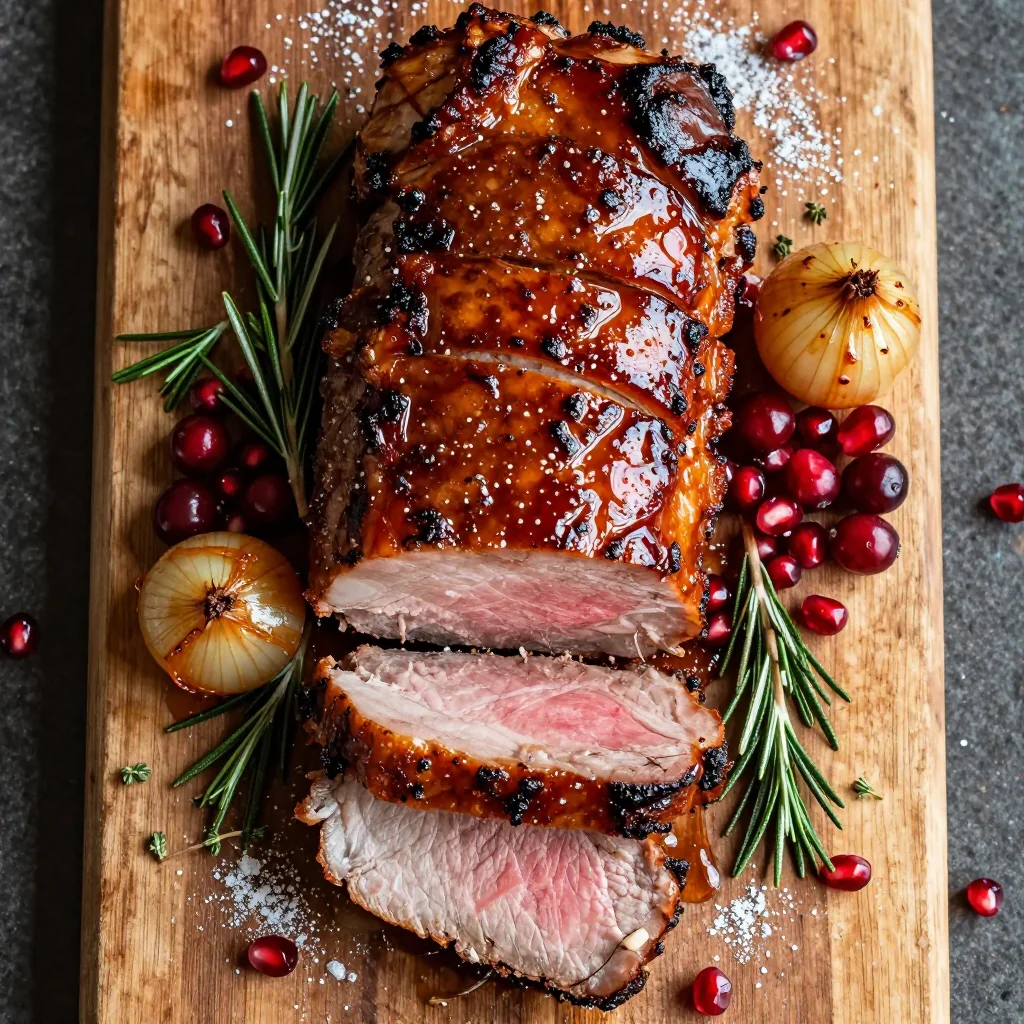
Using sharp carving knife, slice on slight bias into ½-inch medallions. Arrange on warmed platter, drizzle with pan sauce, and scatter with fresh pomegranate arils and rosemary flowers. The contrast of rosy meat and garnet glaze is pure holiday magic.
Expert Tips
Invest in accuracy
An instant-read thermometer is non-negotiable. Remove pork at 145°F for perfect blush-pink center. Carryover cooking will add 3-5 degrees while resting.
Keep glaze warm
Cold glaze thickens and won't brush smoothly. Keep it in a heat-proof measuring cup set in a pan of hot water on the stovetop while roasting.
Don't skip the chill
The overnight dry-brine is crucial. Salt penetrates deeply, seasons evenly, and changes protein structure so meat retains more juice during cooking.
Double the glaze
Make extra glaze and simmer until syrupy. Serve in tiny pitchers for guests to drizzle over roasted vegetables or even vanilla ice cream for dessert.
Manage oven heat
If glaze darkens too quickly, tent loosely with foil. Better to slow the caramelization than serve bitter, burnt sugar coating.
Slice with confidence
Use long, single strokes rather than sawing motions. A sharp slicing knife or electric carving knife produces clean, professional medallions.
Variations to Try
- Cranberry-Port: Swap pomegranate juice for ruby port and cranberry juice, add splash of orange liqueur for boozy brightness.
- Asian-inspired: Replace balsamic with rice vinegar, add ginger and five-spice; finish with toasted sesame seeds and scallions.
- Apple-cider: Use reduced apple cider and Calvados, stir in grainy mustard; serve with sautéed apples and sage.
- Smoky chipotle: Add 1 tsp adobo sauce to glaze, use smoked salt; pair with sweet potato gratin.
- Citrus-herb: Brighten glaze with blood orange juice and thyme; garnish with candied orange peel.
Storage Tips
Leftovers keep 4 days refrigerated in airtight container. For best texture, reheat gently: place slices in baking dish, add splash of chicken stock, cover with foil, and warm at 275°F until just heated through—about 10 minutes. Microwaving toughens the meat.
Cooked tenderloin freezes beautifully for up to 2 months. Wrap individual slices in parchment, then foil, and store in freezer bag. Thaw overnight in refrigerator before reheating as above.
Extra glaze keeps 1 week refrigerated or 3 months frozen. Warm slightly before using; whisk in a teaspoon of hot water if too thick.
For make-ahead entertaining, roast and glaze tenderloins earlier in the day. Keep whole, wrapped in foil, at back of oven set to warm (150-170°F) up to 2 hours. Glaze may lose some shine but flavor remains stellar. Slice just before serving for juiciest presentation.
Frequently Asked Questions
Glazed Pork Tenderloin for a Holiday Centerpiece
Ingredients
Instructions
- Dry-brine: Pat pork dry, rub with salt, pepper, and orange zest. Refrigerate uncovered 12-48 hours.
- Make glaze: Brown butter, add aromatics, then pomegranate juice, balsamic, sugar, soy. Simmer 20-25 min until syrupy. Strain.
- Slow-roast: Heat oven to 275°F. Oil tenderloins, add water to pan. Roast to 130°F internal, 35-45 min.
- Glaze and sear: Brush with half the glaze, increase oven to 475°F. Roast 5-7 min, brush again, cook 3-5 min more until 145°F.
- Rest: Tent loosely, rest 10 min. Whisk dijon into pan juices for sauce.
- Serve: Slice into ½-inch medallions, drizzle with sauce, scatter pomegranate arils.
Recipe Notes
For buffet service, keep sliced pork in slow cooker on warm setting with a splash of stock. Glaze just before guests arrive for maximum shine. Garnish with rosemary flowers for professional flair.