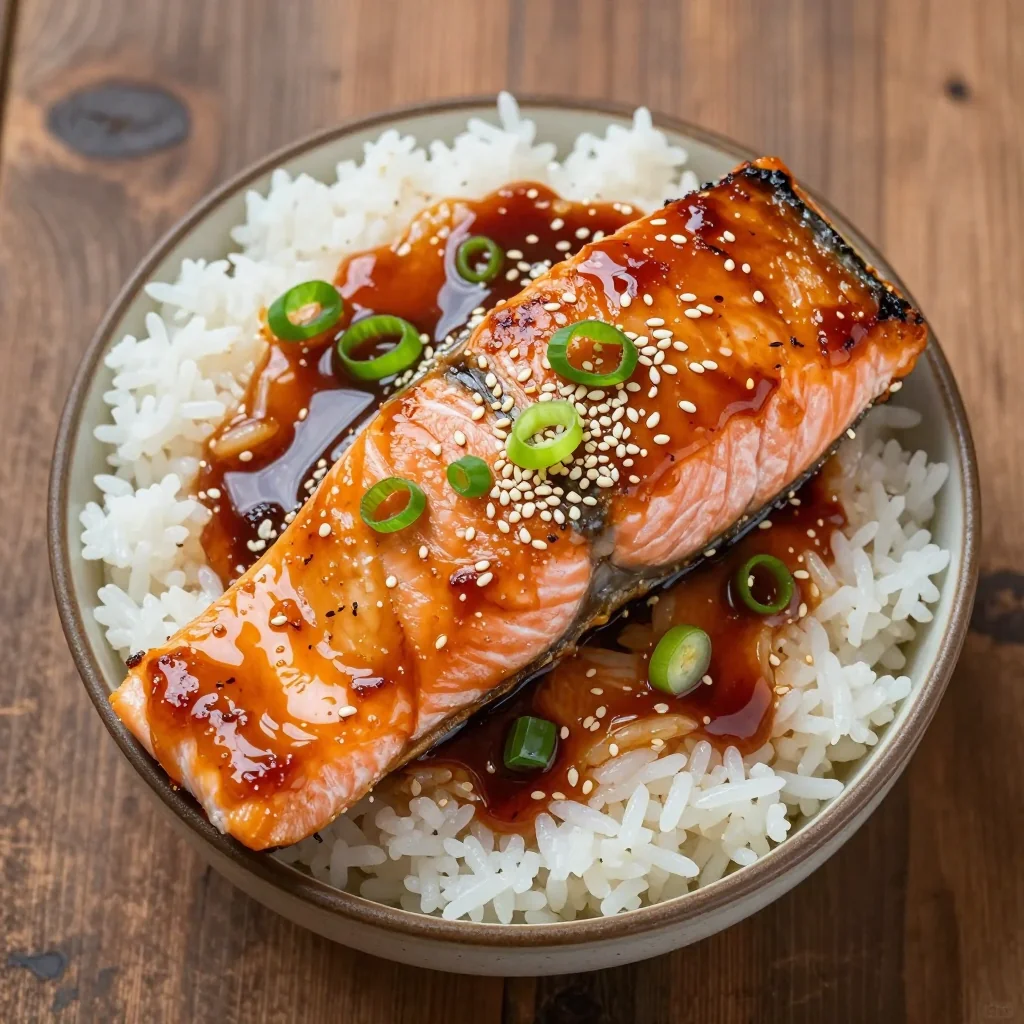
Love this? Pin it for later! 📌
I still remember the first time I tried to meal-prep salmon. It was a Wednesday night, my toddler was teething, and I had exactly 20 minutes to assemble something—anything—before the bedtime meltdown arrived. I slapped two salmon fillets into a hastily shaken marinade, tossed them in the freezer, and forgot all about them… until a frantic Friday rolled around. I popped one of those frozen blocks into the oven, crossed my fingers, and 20 minutes later my kitchen smelled like a Tokyo izakaya. The glaze had caramelized; the fish was flaky, tender, and bursting with garlicky-sweet teriyaki flavor; and my husband actually asked, “Wait, did you secretly order take-out?” That freezer miracle became a weekly ritual. Fast-forward three years and I’ve tweaked the formula dozens of times—low-sodium, gluten-free, extra-omega, you name it—until I landed on the version I’m sharing today. It checks every box: heart-healthy omega-3s, lightning-fast weeknight cooking, zero last-minute cleanup, and a flavor that makes even fish-hesitant kids ask for seconds. If you’ve got 15 minutes this weekend, you can stock your freezer with four (or 12!) restaurant-quality salmon dinners. Let me show you how.
Why This Recipe Works
- Flash-freeze & glaze technique: The marinade thickens slightly before freezing, so it clings to the salmon and caramelizes in minutes—no soggy fish, ever.
- Omega-3 powerhouse: Each 5-oz portion delivers 2.1 g EPA/DHA—well above the weekly target recommended by the American Heart Association.
- Zero weeknight dishes: Freeze fillets flat in reusable silicone bags; transfer straight to a parchment-lined sheet pan and bake—no bowls, no whisking, no stress.
- Flex-flavor base: The same teriyaki ratio works with tamari, coconut aminos, or even low-sodium soy; swap maple for honey and you’ve got a vegan glaze for tofu or tempeh.
- Kid-approved sweet-savory profile: Mirin and fresh orange juice mellow the soy, so even picky eaters polish off their “candy fish.”
- Scalable for Costco runs: Triple the batch, freeze on sheet pans, then vacuum-seal; they’ll keep 3 months without freezer burn.
- 15-minute oven or air-fryer finish: From rock-solid frozen to glossy perfection faster than delivery pizza.
Ingredients You'll Need
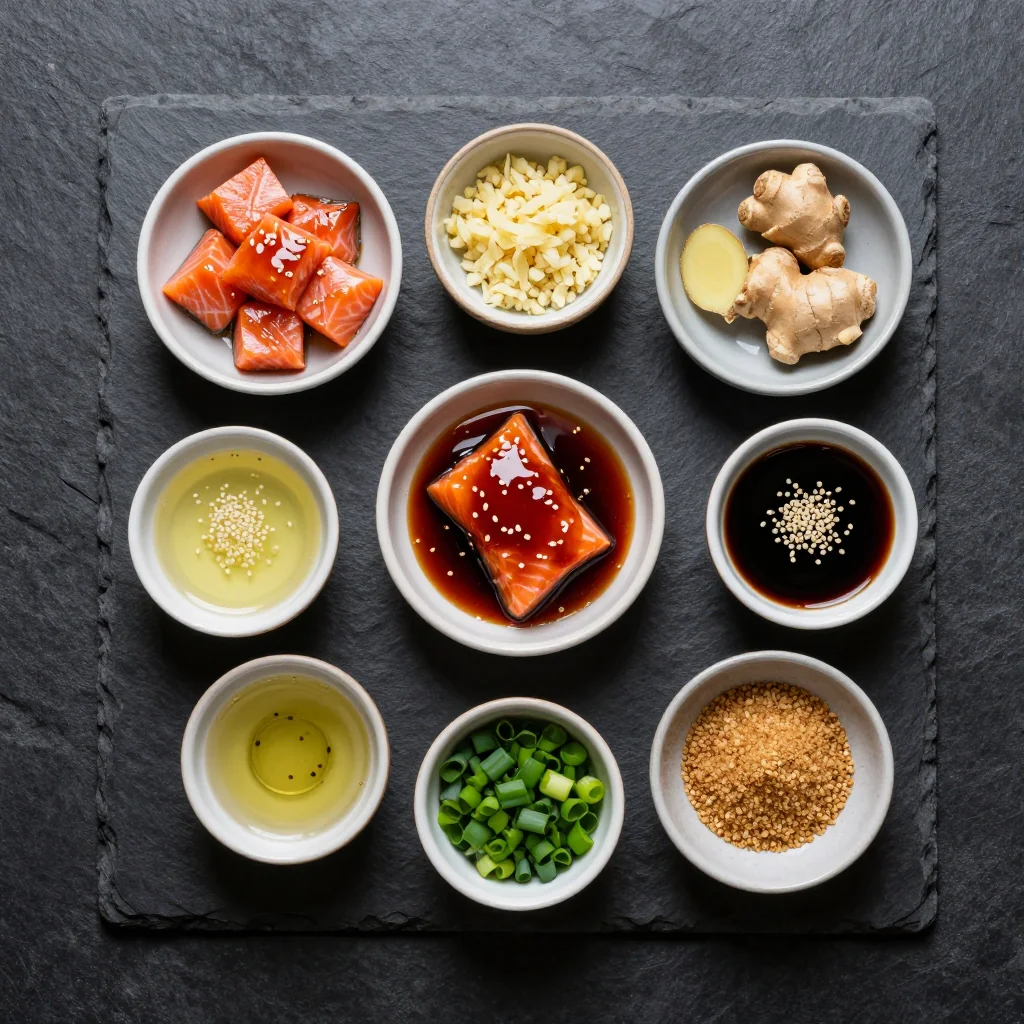
Great salmon starts at the seafood counter. Look for fillets that are at least 1-inch thick so they stay juicy after freezing and reheating. Wild-caught Coho or King boast the highest omega-3 numbers, but responsibly farmed Atlantic works beautifully if that’s what your budget allows. Ask your fishmonger to pin-bone the fillets for you—one less task at home.
For the teriyaki, I blend tamari (gluten-free) with a splash of toasted sesame oil, fresh ginger micro-planed right into the bag, and two secret weapons: orange juice for brightness and a teaspoon of arrowroot starch so the glaze thickens as it freezes. Maple syrup balances the salt without refined sugar; combined with mirin it delivers that classic lacquered shine. Finally, a handful of scallion whites go into the marinade while the green tops are reserved for a last-second sprinkle.
Substitutions? Swap coconut aminos for tamari to go soy-free. Replace maple with honey (but add it after the mixture cools so raw enzymes stay alive). If you can’t find mirin, a dry Riesling plus a pinch of sugar mimics the flavor. And if ginger isn’t your thing, try grated galangal for a Thai twist.
How to Make Freezer Prep Teriyaki Salmon for Omega 3 Boost
Whisk the no-cook teriyaki
In a 2-cup glass measure combine ½ cup low-sodium tamari, ¼ cup real maple syrup, ¼ cup mirin, 2 Tbsp fresh orange juice, 1 tsp toasted sesame oil, 2 tsp micro-planed ginger, 2 minced garlic cloves, and 1 tsp arrowroot starch. Microwave 30 seconds just to dissolve the starch, then cool completely. Cooling prevents premature curing of the fish.
Prep your freezer bags
Label quart-size reusable silicone bags (they lay flat and don’t leach micro-plastics). Write “Teriyaki Salmon” + today’s date + “Bake 400°F 15-18 min.” Trust me, future you will thank present you.
Portion & pat dry
Rinse 2 lb salmon under cold water, then pat very dry—excess moisture dilutes flavor and encourages ice crystals. Slice into 5-oz portions (roughly 1½ inches wide) for even freezing and faster thawing in the glaze.
Marinate 10 minutes only
Slide salmon into the bags, add 3 Tbsp teriyaki per fillet, seal while pressing out excess air. Let rest 10 minutes on the counter—longer and the salt begins to cure the surface, giving a mushy texture after freezing.
Flash-freeze flat
Lay bags on a sheet pan so each fillet is in a single layer. Freeze 2 hours, then stack vertically like books—saves 40 % freezer space and prevents the dreaded salmon iceberg that never fits in the air-fryer basket.
Cook from frozen
Preheat oven to 400°F (or air-fryer 390°F). Peel the frozen salmon “sheet” from the bag, place on parchment, brush with reserved teriyaki, bake 15-18 min until 125°F in the center for medium—carry-over heat will finish it to 130°F, optimal for moist flakes.
Garnish & serve
Brush with a final lacquer of teriyaki, sprinkle sesame seeds, scallion greens, and a squeeze of lime. Pair with microwave-steamed edamame and you’ve got a 5-minute restaurant plate.
Expert Tips
Don’t thaw before cooking
Thawing in the fridge causes drip-loss and rubbery texture. Straight from freezer to oven preserves omega-3 oils and keeps the glaze glossy.
Double the glaze
Reserve half the marinade (never in contact with raw fish) in a jar. Warm it for 10 seconds and brush post-bake for candy-shell shine.
Air-fryer trick
Place the frozen fillet skin-side down on air-fryer parchment, cook 390°F for 12 minutes, flip once, brush with glaze, cook 3 more minutes—faster than the oven with zero pre-heat.
Prevent freezer burn
Press silicone bags until the marinade just coats the fish; extra air equals frost. For longer storage, slip the sealed bag inside a vacuum pouch and seal on “gentle.”
Check temp with a probe
Salmon turns from velvety to chalky in two degrees. A $15 digital probe inserted horizontally through the thickest part guarantees 130°F carry-over perfection.
Compost those scallion ends
Stick the root bulbs in a mason jar with an inch of water—green shoots regenerate twice, giving you free aromatics for the next batch.
Variations to Try
- Miso-Ginger: Swap 2 Tbsp tamari for white miso paste and add 1 tsp grated ginger. Blend until smooth before freezing.
- Pineapple-Chili: Sub orange juice for pineapple juice and whisk in ½ tsp gochujang for a Korean kick.
- Coconut-Lime: Replace sesame oil with coconut aminos and 1 tsp lime zest; finish with toasted coconut flakes.
- Maple-Mustard: Omit mirin and whisk 1 Tbsp whole-grain mustard into the cooled glaze—perfect for salmon burgers.
- Blackened Teriyaki: Dust the frozen fillet with 1 tsp Cajun seasoning before baking for a fusion crust.
Storage Tips
Once the fillets are rock-solid, stack them vertically in a designated “fish” bin to avoid cross-contamination odors. They’ll maintain peak quality for three months; after that they’re still safe but the glaze may crystallize. If you vacuum-seal, you can push storage to six months, though I recommend using them sooner for maximum omega-3 potency. Never re-freeze after thawing; if you must, cook the salmon first, then freeze portions for salads or salmon cakes.
Leftover cooked salmon keeps four days refrigerated. I flake it over cold soba noodles with the reserved teriyaki thinned with rice vinegar for an instant lunchbox upgrade.
Frequently Asked Questions
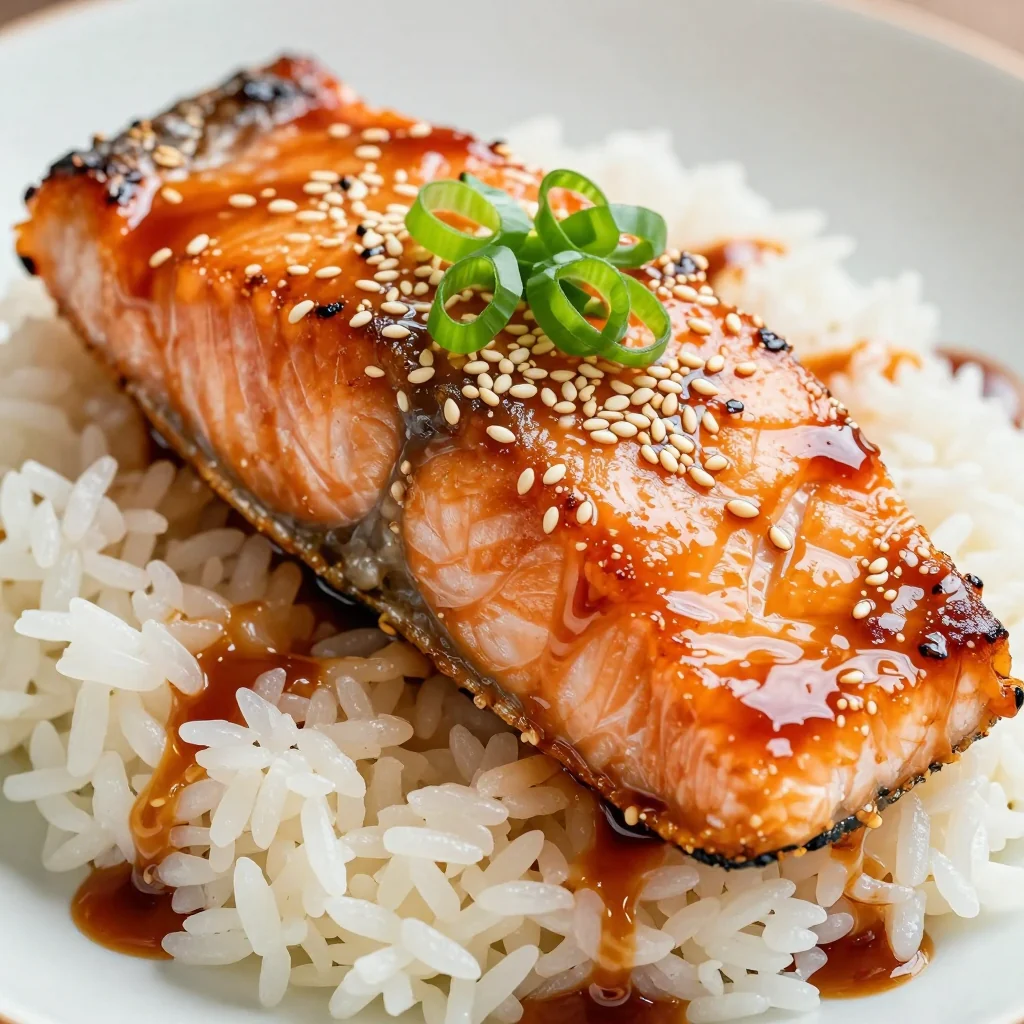
Freezer Prep Teriyaki Salmon for Omega 3 Boost
Ingredients
Instructions
- Make the glaze: Whisk tamari, maple syrup, mirin, orange juice, sesame oil, and arrowroot in a small saucepan. Warm 30 seconds to dissolve starch; cool completely.
- Portion salmon: Cut into 4 even pieces (about 5 oz each), pat very dry.
- Bag & marinate: Place salmon in reusable silicone bags, add 3 Tbsp cooled glaze per fillet plus scallion whites. Seal, pressing out air; rest 10 minutes.
- Flash-freeze: Lay bags flat on a sheet pan; freeze 2 hours. Stack vertically for long-term storage up to 3 months.
- Cook from frozen: Preheat oven to 400°F. Peel salmon from bag, set on parchment-lined sheet, brush with extra glaze. Bake 15-18 minutes to 125°F center.
- Finish & serve: Brush with a final coat of warm glaze, sprinkle sesame seeds and scallion greens. Serve with lime wedges.
Recipe Notes
For a soy-free version, substitute coconut aminos and reduce maple syrup to 3 Tbsp (coconut aminos are sweeter). Cooked salmon keeps 4 days refrigerated; flake leftovers into salads or salmon cakes.