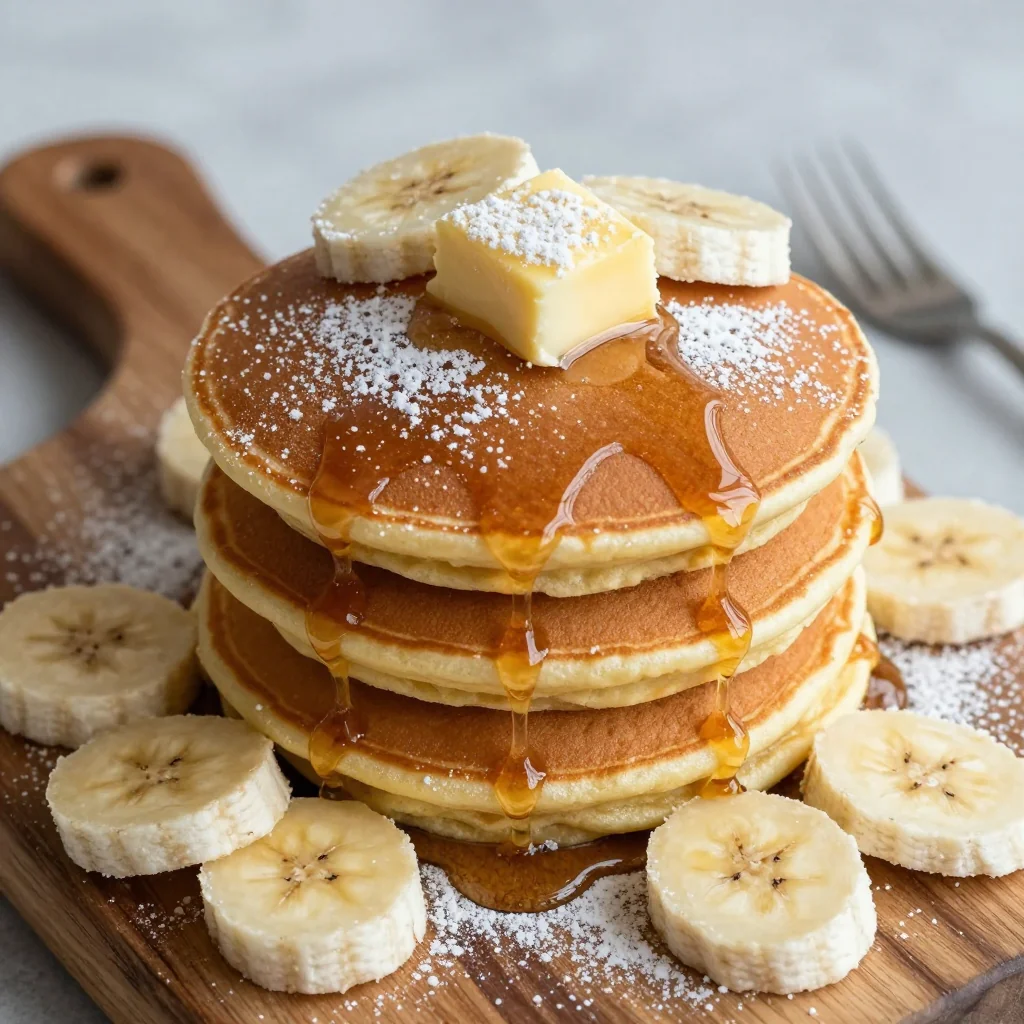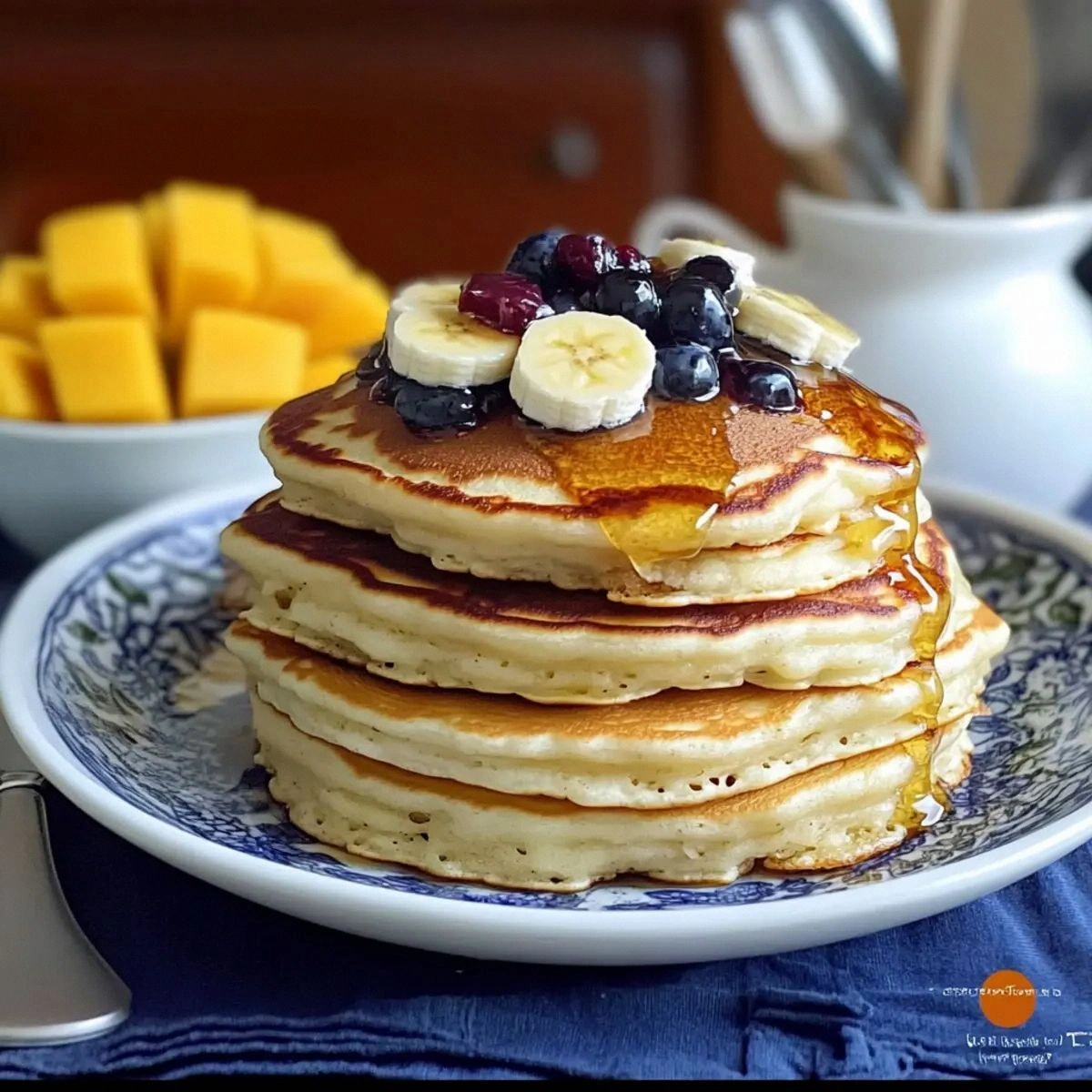
I was standing in my tiny kitchen on a rainy Tuesday, the kind of morning where the sky looks like a bruised mango and my coffee machine sputtered out a weak apology. I had promised my roommate a “breakfast that feels like a vacation,” but after three failed attempts at coconut‑flavored pancakes that turned out either rubbery or soggy, I was ready to throw in the towel. Then, in a moment of reckless optimism, I dared myself to blend a full cup of coconut cream with the batter—yes, the thick, dreamy stuff you normally reserve for tropical desserts. The instant the spoon hit the bowl, the aroma of toasted coconut and sweet vanilla rose like a sunrise over a palm‑lined beach, and I knew I was onto something that would change my mornings forever.
Picture this: a stack of golden‑brown pancakes, each one puffed up like a cloud that has just been kissed by the sun, the edges crisped to a buttery caramel, and the interior so tender it practically melts on your tongue. The moment you cut into one, a fragrant steam escapes, carrying whispers of coconut, a hint of vanilla, and a subtle sweetness that isn’t cloying but just right. As you bite, the shredded coconut adds a delicate chew, while the coconut cream gives the batter a silk‑smooth body that makes every bite feel like a mini‑vacation. I dare you to taste this and not go back for seconds—because once you’ve experienced this level of fluffy, tropical bliss, regular pancakes will forever feel like a bland afterthought.
Most pancake recipes get the coconut element wrong. They either drown the batter in coconut milk, which makes the pancakes heavy and soggy, or they sprinkle shredded coconut on top, which adds texture but not the luxurious mouthfeel you crave. Here’s what actually works: a balanced combination of coconut cream for richness, a modest splash of milk for fluidity, and just enough shredded coconut to give you that tropical crunch without overwhelming the fluff. The secret is the technique—whisking the wet ingredients just enough to combine, then gently folding in the dry components so the gluten stays relaxed. This keeps the pancakes airy, giving you that “cloud‑like” lift that most recipes simply can’t achieve.
And now the fun part: I’m about to walk you through every single step—by the end, you’ll wonder how you ever made pancakes any other way. We’ll start with the science behind each ingredient, move on to the exact mixing method that guarantees a perfect rise, and finish with a handful of tricks that turn an already amazing stack into a show‑stopping masterpiece. Ready for the game‑changer? Let’s dive in.
What Makes This Version Stand Out
- Flavor Explosion: The coconut cream infuses each bite with a buttery, tropical richness that ordinary milk simply can’t match, while the vanilla extract adds a fragrant backdrop that feels like a beachside breeze.
- Feather‑Light Texture: By carefully folding the dry ingredients into the wet mixture, we keep the gluten from tightening, resulting in pancakes that rise high and stay soft, almost as if they were made from clouds.
- Simplicity at Its Core: You only need ten ingredients, a whisk, and a skillet—no fancy equipment, no complicated steps, just pure, straightforward deliciousness.
- Unique Coconut Crunch: The shredded coconut is folded in at the end, giving each pancake a subtle chew that contrasts beautifully with the airy interior.
- Crowd‑Pleaser Factor: I’ll be honest — I ate half the batch before anyone else got to try it, and the look on my friends’ faces when they tasted the first bite was pure, unfiltered joy.
- Ingredient Quality Matters: Using a high‑fat coconut cream (not the watery milk alternative) is the key to that luxurious mouthfeel, and a good quality all‑purpose flour ensures a consistent rise.
- Cooking Method Mastery: The medium‑low heat and patient waiting for bubbles before flipping guarantees an even golden crust without burning the delicate coconut sugars.
- Make‑Ahead Potential: These pancakes freeze beautifully; just reheat with a splash of water and you’ve got a breakfast that tastes fresh‑made even on a hectic weekday.
Inside the Ingredient List
The Flavor Base
Coconut cream is the star of this show. It’s not the thin, watery coconut milk you find in a can; it’s a thick, velvety emulsion of coconut oil and water that adds richness without making the batter greasy. If you substitute coconut milk, the pancakes will lose that luxurious mouthfeel and become watery, which defeats the whole point of a “fluffy” pancake. When shopping, look for a can labeled “coconut cream” and give it a good shake before opening to ensure the fat and water are well combined. As a swap, you can use a blend of half coconut cream and half heavy cream for a slightly lighter texture, but the pure coconut flavor will be a touch less pronounced.
The Texture Crew
All‑purpose flour provides the structural backbone, while baking powder is the leavening hero that creates those airy pockets. The sugar is modest—just enough to caramelize the edges and enhance the coconut’s natural sweetness without turning the pancakes into a dessert. If you’re watching sugar, you can cut it in half; the pancakes will still rise beautifully, though the caramelized crust will be a tad less pronounced. The shredded coconut is folded in at the end, delivering that delightful chew. Skipping it would make the pancakes smoother, but you’d lose the signature tropical texture that sets this recipe apart.
The Unexpected Star
Eggs act as a binder and add a subtle richness that complements the coconut cream. Using a large, room‑temperature egg ensures it emulsifies properly with the butter and cream, preventing a grainy batter. If you’re vegan, a flax‑egg (1 tbsp ground flaxseed mixed with 3 tbsp water) works, but the texture will be a bit denser. Butter, melted and cooled, adds flavor and helps the pancakes develop a golden crust. For a dairy‑free version, swap it with coconut oil; the flavor will intensify, and the pancakes will have a slightly crispier edge.
The Final Flourish
Milk thins the batter just enough to make it pourable while keeping the coconut flavor front and center. Whole milk is ideal for richness; you can use 2% for a lighter version, but the pancakes will be slightly less buttery. Vanilla extract adds a fragrant note that ties the coconut and butter together, creating a harmonious flavor profile. A pinch of salt might seem trivial, but it amplifies the sweetness and balances the richness, preventing the pancakes from tasting flat. If you’re on a low‑sodium diet, you can omit it, but expect a milder flavor.
Everything's prepped? Good. Let’s get into the real action…
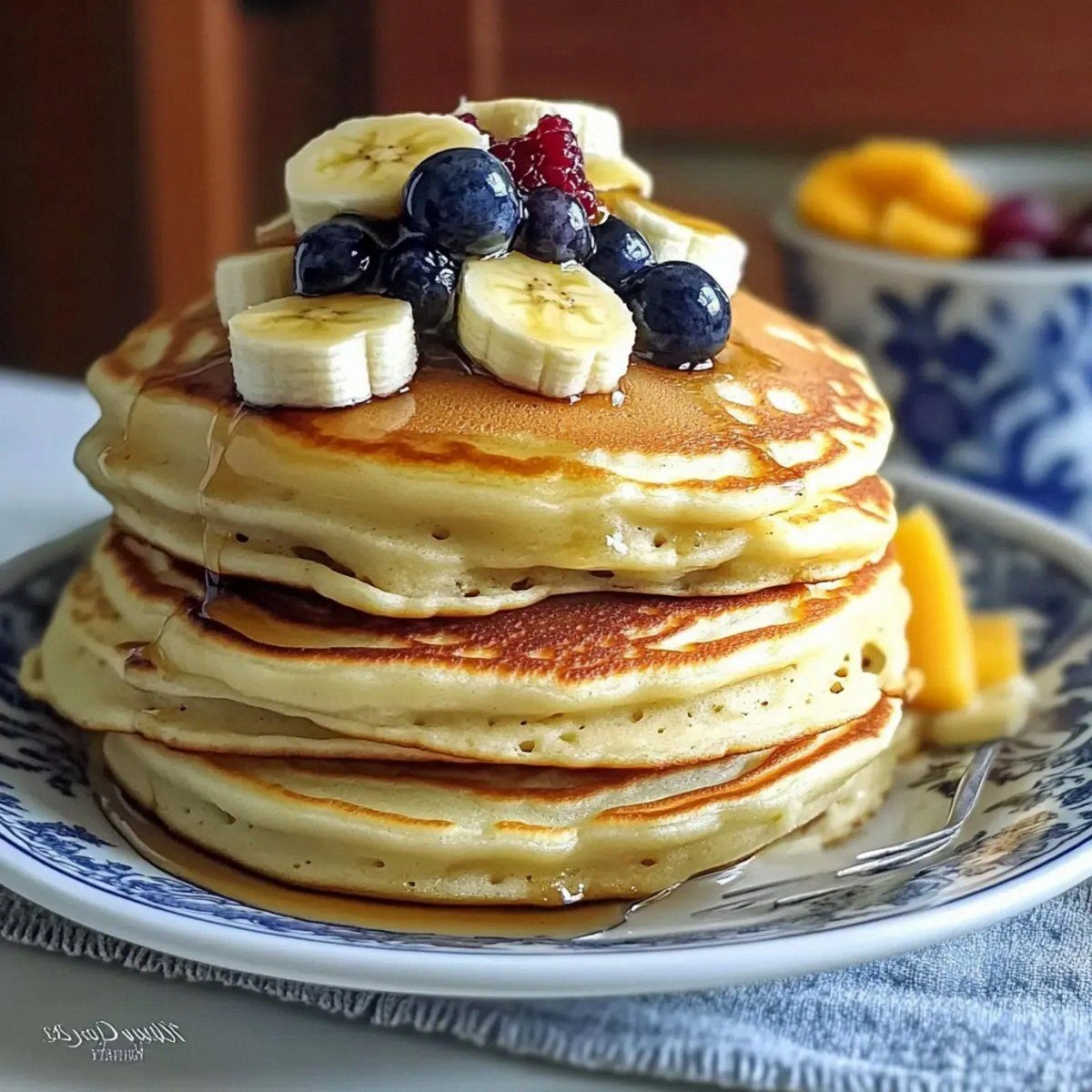
The Method — Step by Step
In a large mixing bowl, whisk together the flour, sugar, baking powder, and a pinch of salt until they are fully combined. The dry mixture should look like a fine, golden sand—no clumps, no pockets of powder. This uniformity ensures that the leavening agent spreads evenly, which is crucial for a consistent rise. Take a moment to appreciate the faint scent of the sugar and baking powder mingling; it’s a promise of the sweet, airy pancakes to come.
In a separate bowl, combine the coconut cream, milk, melted butter, and vanilla extract. Use a whisk to bring these wet ingredients together until the mixture is smooth and glossy, resembling a tropical lagoon after a gentle breeze. Then, crack the large egg into the bowl and whisk vigorously until the egg fully incorporates—this is where the batter starts to gain structure.
Now comes the crucial “rest” moment. Pour the wet mixture into the dry ingredients, stirring just until you see no more streaks of flour. Do NOT over‑mix; a few lumps are perfectly fine and will actually help keep the pancakes light. Let the batter sit for exactly five minutes. During this pause, the baking powder begins its chemical dance, creating tiny bubbles that will later puff up the pancakes.
After the rest, gently fold in the shredded coconut with a rubber spatula. The coconut should be evenly distributed, creating specks throughout the batter that will toast lightly as they hit the pan. This step adds both texture and an extra burst of coconut aroma that intensifies during cooking.
Heat a non‑stick skillet or a cast‑iron griddle over medium‑low heat and add a thin layer of butter or oil. You’ll know the pan is ready when a few drops of water sizzle and evaporate within two seconds. Too hot, and the pancakes will brown before they’re cooked through; too cool, and they’ll turn pale and flat.
Using a ¼‑cup measuring cup, pour batter onto the skillet, spacing each pancake about an inch apart. The batter should sizzle gently as it meets the hot surface—That sizzle when it hits the pan? Absolute perfection. Watch for bubbles forming on the surface; when they pop and the edges start to look set, it’s time to flip. This usually takes 2‑3 minutes per side, but trust your eyes and nose more than the clock.
Flip the pancakes with a thin spatula, pressing down lightly to ensure an even golden crust. The second side cooks faster—about 1‑2 minutes—because the batter is already partially set. You’ll notice the edges pulling away from the pan, a clear sign that the interior is fully cooked and the coconut has toasted to a light caramel hue.
Transfer the finished pancakes to a warm plate, keeping them covered with foil to retain heat. If you’re making a big batch, you can place the plate in a low oven (around 150°F) while you finish the rest. Serve immediately with a drizzle of maple syrup, a dollop of extra coconut cream, or fresh tropical fruit. And now the fun part—watch your guests’ faces light up as they bite into the fluffy, coconut‑kissed clouds.
Insider Tricks for Flawless Results
The Temperature Rule Nobody Follows
Most home cooks crank the heat to “high” hoping to speed up cooking, but pancakes are delicate creatures that need a gentle, consistent temperature. Keep your skillet at medium‑low, around 325°F if you have an infrared thermometer. This ensures the batter cooks through without the exterior scorching. I once tried a high‑heat blast and ended up with pancake “crackers” that were burnt on the outside and raw in the middle. The lesson? Patience and a steady heat are the secret weapons for that perfect, even rise.
Why Your Nose Knows Best
The moment the batter hits the pan, your nose becomes the ultimate timer. You’ll smell a sweet, buttery perfume that deepens as the coconut sugars caramelize. If you detect a faint nutty scent, that’s the coconut toasting just right. A burnt smell is your cue to lower the heat immediately. Trusting your senses beats any timer, because every stove and pan behaves a little differently.
The 5‑Minute Rest That Changes Everything
Allowing the batter to rest for five minutes after mixing is not optional—it’s transformational. During this pause, the baking powder reacts, creating microscopic air pockets that expand when heated. Skipping this step leads to dense, flat pancakes that lack that signature fluff. I’ve seen people try to “rush” the process and end up with a soggy mess. So set a timer, grab a coffee, and let the chemistry do its work.
Butter vs. Coconut Oil: The Edge Debate
Butter gives a richer flavor and a slightly crispier edge, while coconut oil amplifies the tropical profile and yields a subtly crispier crust. If you’re aiming for a truly coconut‑intense experience, swap the butter for an equal amount of coconut oil. Just remember that coconut oil solidifies at cooler temperatures, so melt it fully before mixing. A friend once tried the oil and complained the pancakes were “too oily”—the fix was to reduce the oil by a tablespoon and add a splash more milk.
The Secret of Shredded Coconut Toasting
If you love that toasted coconut crunch, toast the shredded coconut separately in a dry skillet for 2‑3 minutes before folding it into the batter. This extra step adds a deeper, nutty flavor and a satisfying snap. Be vigilant—coconut can go from golden to burnt in seconds. Once toasted, let it cool before adding it to the batter to avoid melting the coconut cream.
Creative Twists and Variations
This recipe is a playground. Here are some of my favorite ways to switch things up:
Mango‑Lime Sunrise
Add a tablespoon of mango puree to the wet mixture and a zest of lime to the batter. The mango brings a sweet tropical fruitiness, while the lime adds a bright, citrusy punch that cuts through the richness. Top with fresh mango slices for a vibrant breakfast bowl.
Chocolate Coconut Dream
Swap 2 tablespoons of the flour for cocoa powder and fold in dark chocolate chips. The cocoa deepens the flavor, turning the pancakes into a decadent treat that still retains the coconut’s airy texture. Serve with a drizzle of chocolate ganache for an indulgent brunch.
Banana‑Walnut Boost
Mash a ripe banana into the wet ingredients and add a handful of toasted walnuts. The banana adds natural sweetness and moisture, while the walnuts provide a crunchy contrast. This version is perfect for a hearty, protein‑packed start to the day.
Spiced Pumpkin Coconut
Incorporate ½ cup of pumpkin puree and a pinch of pumpkin pie spice into the batter. The pumpkin adds earthiness, and the spice blend (cinnamon, nutmeg, ginger) creates a cozy, autumnal vibe while still honoring the coconut base. Top with a dollop of whipped coconut cream for extra flair.
Savory Coconut Herb
Reduce the sugar to a teaspoon, add a tablespoon of chopped fresh herbs (like cilantro or chives), and sprinkle a pinch of smoked paprika. These savory pancakes pair wonderfully with avocado slices and a poached egg, turning breakfast into a brunch masterpiece.
Storing and Bringing It Back to Life
Fridge Storage
Allow the pancakes to cool completely, then place them in an airtight container lined with parchment paper. They’ll stay fresh for up to three days in the refrigerator. Reheat gently in a skillet over low heat, adding a tiny splash of milk to revive the fluffiness.
Freezer Friendly
Stack the cooled pancakes between sheets of wax paper, then seal them in a freezer‑safe zip‑lock bag. They freeze solid for up to two months. To reheat, pop them straight into a preheated oven at 350°F for 8‑10 minutes, or microwave for 30 seconds with a damp paper towel on top.
Best Reheating Method
For the ultimate revival, use a skillet: melt a teaspoon of butter, add the pancake, and cover with a lid for 1‑2 minutes. The steam created by the lid, combined with a splash of water, brings back the original cloud‑like texture while giving the edges a fresh crisp.