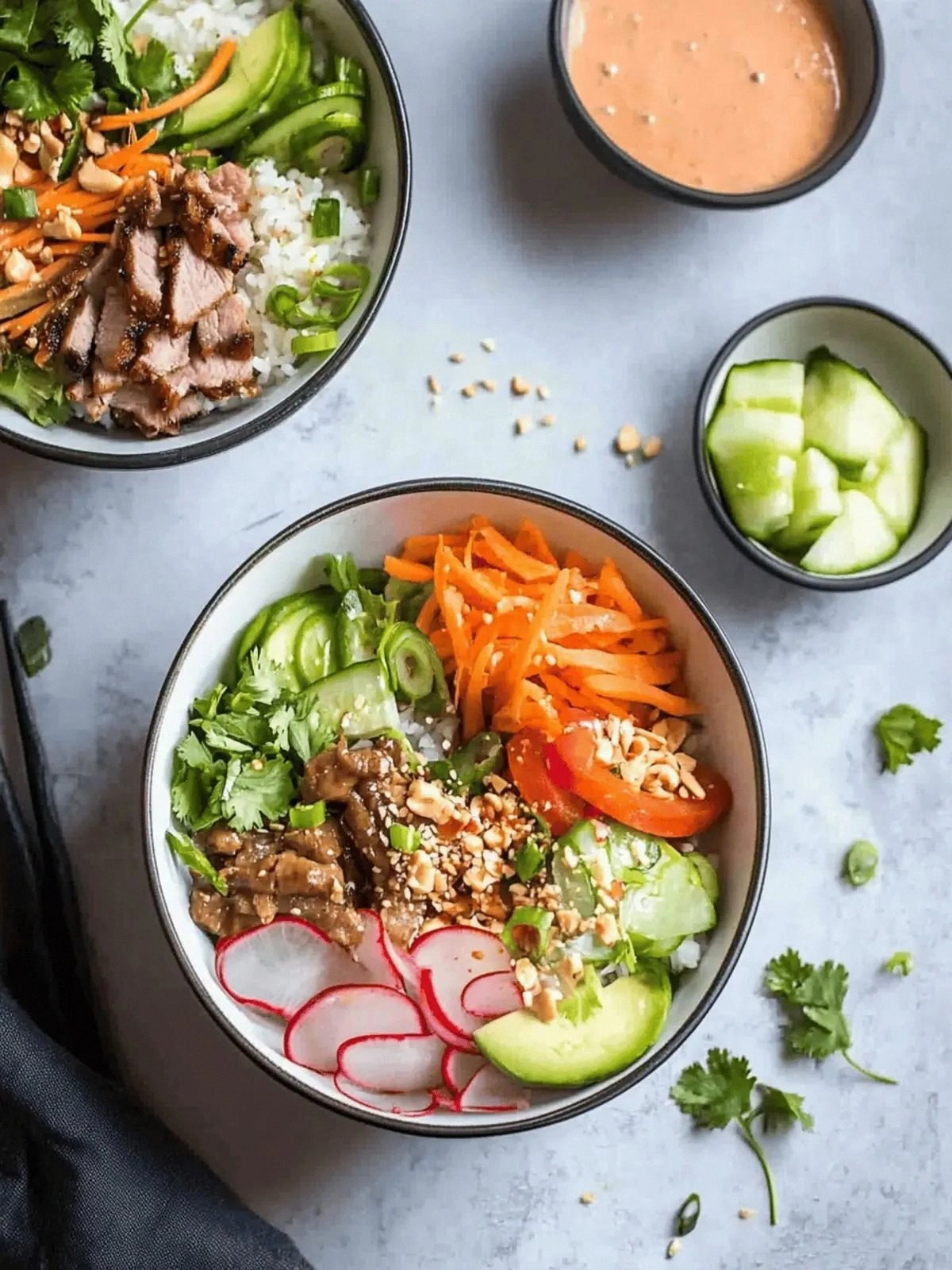

Picture this: the kitchen is a battlefield, the stove a volcano, and you’re armed with a humble bag of ground beef that’s about to transform into something legendary. I was halfway through a frantic weeknight dinner when a stray chip of pepper popped onto my skillet, and the sizzling aroma turned into an instant craving. That moment sparked a quest: find a ground‑beef stir‑fry so simple, so packed with flavor, that it could replace any fancy takeout or overpriced restaurant dish. And I finally cracked the code.
I dare you to taste this and not go back for seconds. The first bite hits with a burst of umami, the beef is perfectly seared, and the veggies maintain that satisfying crunch, like a symphony of textures playing in harmony. The sauce, a velvety blend of soy, hoisin, and a splash of rice vinegar, coats the meat and vegetables like velvet on a silk scarf, while the sesame oil adds a nutty finish that lingers. You’ll notice the subtle heat from the chili flakes, a whisper that keeps the dish from feeling flat. Every component is balanced, yet each has its own spotlight, creating a dish that’s both comforting and exciting.
What sets this version apart is not just the flavor, but the method. Most recipes get this completely wrong by overcrowding the pan or using the wrong heat level, resulting in soggy vegetables and a bland sauce. Here, I’ve streamlined the process: a single pan, a precise heat sequence, and a few secret tricks that elevate the dish from ordinary to unforgettable. You’ll learn how to achieve that coveted sear on the beef without burning the aromatics, how to make a sauce that thickens in seconds, and how to finish the dish with a burst of fresh green onions and sesame seeds that add a satisfying crunch.
And now, stay with me here—this is worth it. By the end of this guide, you’ll wonder how you ever made ground‑beef stir‑fry any other way. I’ll walk you through every single step, from prepping the ingredients to the final garnish, and share insider secrets that will make you the envy of every dinner table. Let’s get started.
What Makes This Version Stand Out
- Taste: A balanced sauce that marries sweet, salty, and umami flavors, with a hint of heat that’s just enough to keep things interesting.
- Texture: Crispy vegetables and tender beef that hold their shape, thanks to a quick sear and the right heat setting.
- Simplicity: One pan, minimal prep, and a handful of pantry staples—no fancy equipment or obscure ingredients.
- Uniqueness: The addition of hoisin sauce and sesame oil gives it a subtle sweetness and nutty depth that sets it apart from standard stir‑fry recipes.
- Crowd Reaction: Guests will be amazed at how restaurant‑quality it tastes, and they’ll keep asking for the recipe.
- Ingredient Quality: Fresh veggies, lean ground beef, and high‑quality sauces are the foundation—no compromise needed.
- Cooking Method: A step‑by‑step heat control guide ensures a perfect sear and a sauce that clings beautifully.
- Make‑Ahead Potential: The sauce can be pre‑made and stored, and the stir‑fry itself can be reheated without losing flavor.
Inside the Ingredient List
The Flavor Base
Ground beef is the star of the show, but it’s the foundation that supports everything else. Use a lean mix (about 85% lean) to keep the dish from becoming too greasy. The beef should be browned to a deep mahogany, releasing a savory aroma that sets the tone. If you prefer a richer flavor, add a splash of Worcestershire sauce during browning—just a teaspoon or two. Skipping the beef’s browning step will result in a bland, soggy texture, so don’t rush this part.
The Texture Crew
The vegetables bring that essential crunch and color. Broccoli florets, sliced carrots, and diced bell pepper add a rainbow of nutrients and a satisfying bite. Keep them cut into uniform pieces so they cook evenly. If you’re short on time, pre‑cut frozen mixed veggies work fine, but fresh will deliver a brighter flavor. The key is to cook them just until they’re tender but still crisp—overcooking turns them into mush.
The Unexpected Star
Hoisin sauce is the secret sauce that brings a sweet, slightly tangy depth. It’s often overlooked in stir‑fry recipes, but it creates a glossy glaze that clings to the beef and veggies. If you don’t have hoisin, a mix of hoisin and a touch of honey or brown sugar can mimic the flavor. This sauce is what gives the dish that restaurant‑grade finish.
The Final Flourish
Sesame oil and sesame seeds add a nutty aroma and a subtle crunch that elevate the dish. The oil should be added at the end of cooking to preserve its delicate flavor, while the seeds are sprinkled on top just before serving. Green onions provide a fresh, bright contrast that cuts through the richness. If you’re vegan, simply omit the beef and use a plant‑based protein; the sauce will still shine.
Everything's prepped? Good. Let’s get into the real action.
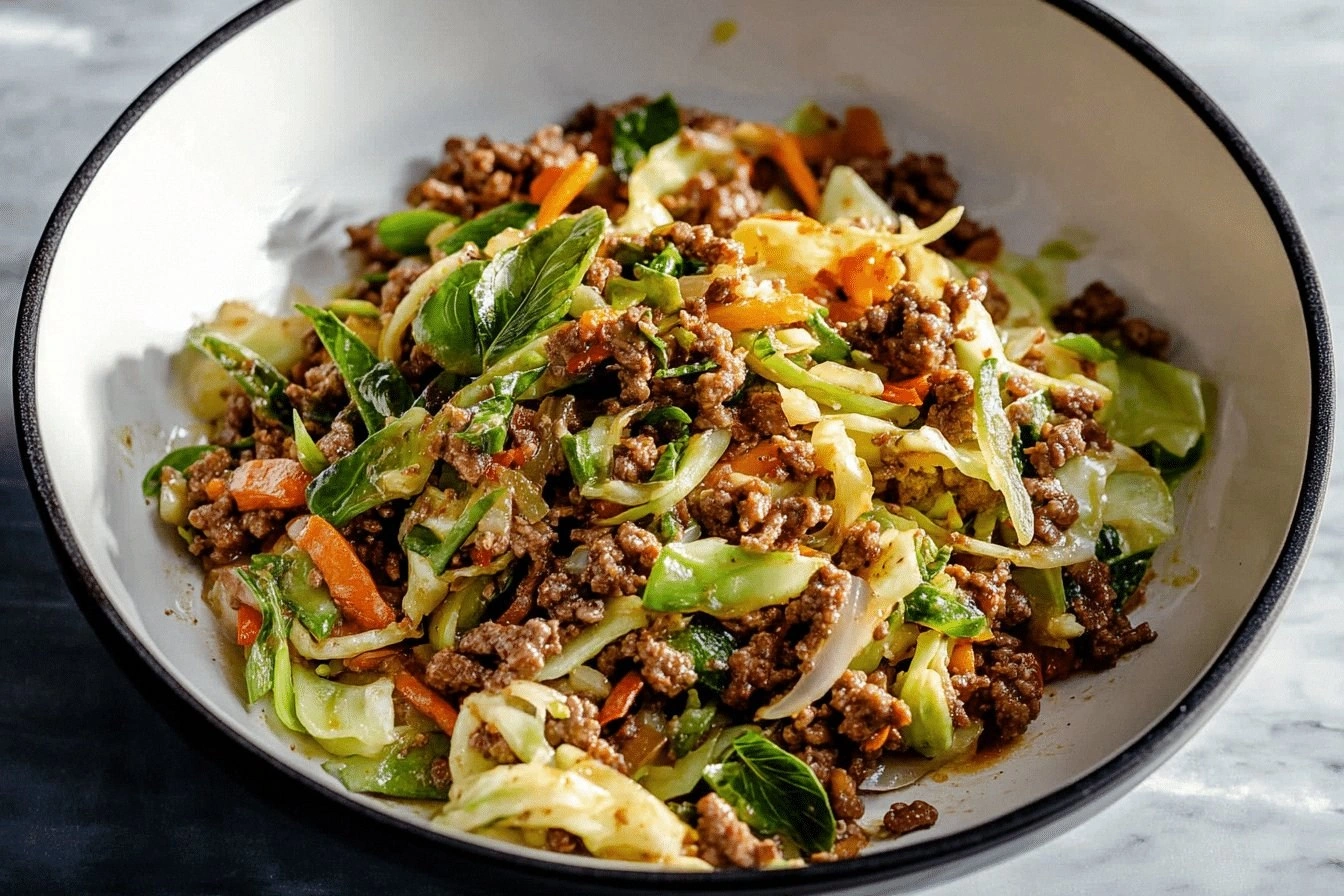
The Method — Step by Step
- Heat a large, heavy‑bottom skillet or wok over medium‑high heat. Once hot, swirl in 1 tablespoon of vegetable oil. You should hear a faint hiss—this means the oil is ready. I dare you to watch the oil; if it’s too hot, the garlic will burn before the beef even starts browning.
- Add the ground beef in a single layer. Let it sear without stirring for 2–3 minutes. This creates a caramelized crust that locks in juices. Flip the beef, break it into smaller pieces, and continue cooking until it’s uniformly browned. The goal is a deep mahogany color, not a pale pink.
- Once the beef is nearly cooked, push it to the side of the pan. Add the remaining tablespoon of oil if needed. Toss in the diced onion, minced garlic, and grated ginger. Stir constantly for 1–2 minutes until the aromatics release their fragrance. The scent should be sweet, not sharp—if it’s burning, lower the heat.
- Introduce the sliced bell pepper, broccoli florets, and carrots. Stir-fry for 3–4 minutes until the vegetables are bright green and slightly crisp. The key is to keep the heat high enough to sear the veggies but not so high that they steam and lose crunch.
- Now it’s time for the sauce. In a small bowl, whisk together 3 tablespoons soy sauce, 2 tablespoons hoisin sauce, 1 tablespoon rice vinegar, 1 teaspoon sesame oil, 1 teaspoon cornstarch, and 1 tablespoon water. Add 1/2 teaspoon chili flakes for a gentle kick. Pour the mixture over the beef and veggies, stirring to coat everything evenly.
- Let the sauce simmer for 2–3 minutes. You’ll notice it thickening and taking on a glossy sheen. The cornstarch slurry will create a silky texture that clings to the meat and veggies. If the sauce becomes too thick, add a splash of water to reach your desired consistency.
- Add a pinch of salt and pepper to taste. Taste the sauce—if it needs more depth, a dash of oyster sauce or a splash of sesame oil can deepen the flavor. This is the moment of truth; the sauce should be balanced, not overpowering.
- Finish by sprinkling 2 sliced green onions and 1 tablespoon sesame seeds over the top. Toss gently to distribute the garnish. The fresh green onions add a bright, peppery note that cuts through the richness, while the sesame seeds provide a subtle crunch.
- Serve hot over steamed rice or noodles. The sauce will coat the grains, turning a simple bowl into a feast. If you’re plating for a crowd, drizzle a little extra sesame oil on top for that glossy finish.
- Enjoy immediately. The dish is at its best when the beef is juicy, the veggies are crisp, and the sauce is perfectly glossy. Remember: this is hands down the best version you'll ever make at home.
Insider Tricks for Flawless Results
The Temperature Rule Nobody Follows
Most cooks lower the heat after adding the beef, but this dish thrives on a consistently high temperature. Keep the pan hot enough that the beef sears quickly, but not so hot that it burns the aromatics. I’ve found that medium‑high heat works best; if you’re using a gas stove, aim for a flame that’s just below the burner’s tip. This ensures a caramelized crust without sacrificing the freshness of the veggies.
Why Your Nose Knows Best
Before you even touch the pan, sniff the ground beef. A fresh, slightly sweet aroma indicates good quality. If the beef smells off or overly metallic, it’s a sign that the meat is past its prime. The same goes for the soy sauce—if it’s too strong or has a burnt scent, it will overpower the dish. Trust your nose; it’s a reliable quality control tool.
The 5‑Minute Rest That Changes Everything
After cooking, let the stir‑fry rest for 5 minutes off the heat. This allows the flavors to meld and the sauce to thicken slightly. It also gives the beef a chance to redistribute juices, ensuring each bite is moist. I’ve seen people skip this step and end up with a dry, uneven texture—don’t let that happen to you.
The Secret of a Sticky Sauce
If you want a stickier glaze, add a teaspoon of honey or brown sugar to the sauce. The sweetness will caramelize slightly during the final simmer, giving the dish a glossy, mouth‑watering finish. Just be careful not to add too much, or the dish will become overly sweet.
The One‑Pan Wonder
Using a wok or a wide skillet is essential. A shallow pan will cause the ingredients to steam instead of fry, resulting in a soggy texture. A wide surface area lets the liquid evaporate quickly, concentrating the flavors. If you don’t have a wok, a cast‑iron skillet works well, but make sure it’s large enough to hold all the ingredients comfortably.
Creative Twists and Variations
This recipe is a playground. Here are some of my favorite ways to switch things up:
Spicy Thai Kick
Replace the chili flakes with a tablespoon of fresh Thai bird’s eye chilies. Add a splash of fish sauce for an extra umami layer. Serve over jasmine rice for an authentic Thai experience.
Creamy Coconut Twist
Swap the water in the cornstarch slurry with coconut milk. This gives the dish a silky, tropical flavor that pairs beautifully with the ginger and garlic. Garnish with chopped cilantro for a fresh finish.
Mediterranean Flair
Add chopped sun‑dried tomatoes and olives to the veggie mix. Replace hoisin sauce with a drizzle of balsamic reduction. The result is a savory, slightly sweet stir‑fry that feels like a Mediterranean night.
Vegetarian/Vegan Version
Omit the beef and add tofu cubes or tempeh. Press the tofu before cooking to remove excess moisture. Use a plant‑based soy sauce and ensure all sauces are vegan‑friendly.
Pasta Fusion
Swap rice for spaghetti or fettuccine. Toss the pasta with the stir‑fry sauce and top with grated Parmesan. This fusion dish brings the best of both worlds—Italian comfort meets Asian heat.
Breakfast Boost
Serve the stir‑fry over fluffy scrambled eggs. Add a sprinkle of cheddar cheese on top and let it melt. This hearty breakfast will keep you full until lunch.
Storing and Bringing It Back to Life
Fridge Storage
Store the stir‑fry in an airtight container in the refrigerator for up to 3 days. Keep the rice or noodles separate to avoid sogginess. When ready to eat, reheat on the stove or in a microwave, stirring frequently to ensure even heating.
Freezer Friendly
The dish freezes well for up to 2 months. Portion into individual servings and freeze in freezer‑safe containers. Thaw overnight in the refrigerator before reheating. A splash of water or broth during reheating will revive the sauce’s moisture.
Best Reheating Method
Reheat on medium heat, adding a tablespoon of water or broth to loosen the sauce. Stir until the dish is steaming hot. A quick sear in a hot pan will restore the crisp edges of the vegetables, giving you that fresh‑cooked texture.