I was standing in the middle of a kitchen that looked more like a disaster zone than a culinary haven. The sink was overflowing with half‑cooked pasta, the stove had a lingering smell of burnt garlic, and my friends had already started to complain about the lack of flavor. I was determined to turn that chaos into a triumph, so I grabbed my favorite skillet and set out to create a dish that would make everyone stop their complaints and start asking for seconds. I knew I had to make something creamy, comforting, and utterly irresistible – a dish that would sit on the table like a velvet blanket and melt in your mouth. That was the moment I decided to craft the Easy Creamy Chicken & Pea Riso, a risotto‑style creation that would win over even the most skeptical diners. I dare you to taste this and not go back for seconds.
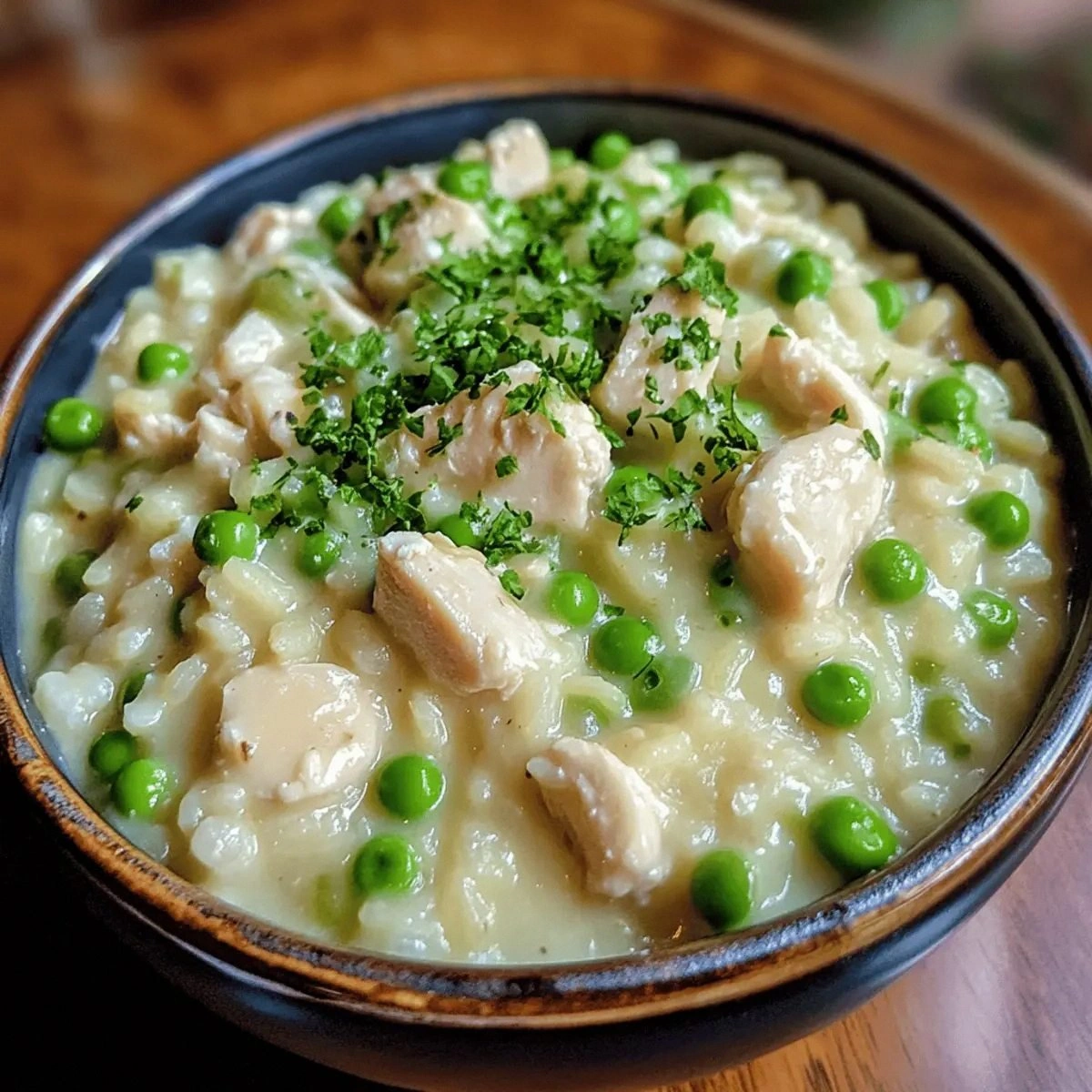
Picture yourself pulling this out of the pan, the kitchen suddenly filling with a savory aroma that feels like a hug from your grandma. The sound of the rice simmering is a gentle, rhythmic lullaby, and the steam rising is a promise of the creamy texture to come. The sight of the golden-brown peas glistening in the buttery broth makes your eyes water with anticipation. The first bite is a harmonious blend of nutty rice, tender chicken, and sweet peas, all coated in a rich parmesan sauce that feels like silk. I’ve always believed that the best dishes are those that engage all five senses, and this one does just that. If you’ve ever struggled with a bland risotto, you’re not alone – and I’ve got the fix.
What makes this version stand out is that it doesn’t just follow the textbook risotto method; it elevates it with a few secret tricks. I’ve added a splash of dry white wine early on to deglaze the pan, which brings a bright, citrusy lift that cuts through the richness. The chicken is seared to a golden brown, creating a caramelized crust that adds a subtle crunch and depth of flavor. I’ve used Arborio rice, the classic choice for risotto, but I’ve also tossed in a pinch of Parmesan right after the rice is cooked to help bind the sauce into a silky, cohesive texture. The peas are added at the very end to preserve their vibrant color and sweet crunch, ensuring each spoonful has a burst of freshness. I’ve also tossed in fresh parsley at the finish to add a pop of green and a hint of peppery brightness. All these elements combine to create a dish that feels indulgent yet comforting, and I promise you, it’s hands down the best version you'll ever make at home.
I’ve spent hours experimenting with different cooking times and ratios, and I’ve discovered that the key to a perfect risotto is patience. The rice must be stirred constantly, but not so vigorously that you lose the subtle, creamy texture. The broth should be added one ladle at a time, allowing the rice to absorb it fully before adding more. I’ve learned that the moment the rice turns translucent, you’re ready to add the peas and finish with a generous handful of Parmesan and a knob of butter. The final stir should feel like a dance, where each grain of rice is coated in a velvety sauce that clings to your spoon. And that’s how I create a dish that is both comforting and luxurious, a dish that will make you wonder how you ever cooked it any other way.
Now, before we dive into the details, let me walk you through why this recipe is a game‑changer. It’s not just about the creamy texture or the tender chicken; it’s about the balance of flavors, the ease of execution, and the versatility that allows you to tweak it for any occasion. Whether you’re cooking for a crowd, a date night, or a quiet evening at home, this dish delivers on all fronts. The next part? Pure magic. Stay with me here – this is worth it.
What Makes This Version Stand Out
- Flavor: The combination of white wine, chicken stock, and Parmesan creates a layered, umami‑rich profile that lingers on the palate.
- Texture: The rice is cooked to al dente perfection, giving a satisfying bite that’s neither mushy nor dry.
- Convenience: The recipe requires no fancy equipment; a single skillet does the job, and the steps are straightforward.
- Visual Appeal: The bright green peas and golden butter swirl create a dish that looks as good as it tastes.
- Adaptability: Swap the chicken for shrimp, tofu, or mushrooms, and you’ve got a new flavor profile.
- Time Efficiency: Prep takes 15 minutes, cooking 30, so you’re ready to serve in under an hour.
- Make‑Ahead Potential: The dish can be prepared a day ahead and reheated without losing its creaminess.
- Crowd‑Pleaser: The comforting, familiar flavors make it a hit with kids and adults alike.
Alright, let's break down exactly what goes into this masterpiece…
Inside the Ingredient List
The Flavor Base
The foundation of any great risotto is a flavorful base. The Arborio rice is the star of the show, known for its ability to absorb liquid and release starch, creating that signature creaminess. When you add the dry white wine early, it deglazes the pan, lifting any browned bits that carry deep flavor. The chicken stock is the liquid that carries the dish together; using a homemade stock gives a richer taste than store‑bought. If you skip the stock, the risotto will taste flat and underdeveloped.
The Texture Crew
Butter and Parmesan are the duo that turns the rice into a silky sauce. Butter adds a buttery depth, while Parmesan provides a nutty, salty finish that binds everything. The peas are the bright green burst of color and sweetness, adding a pleasant crunch when they’re added at the end. If you leave out the peas, you’ll lose that pop of freshness that balances the richness.
The Unexpected Star
Fresh parsley isn’t just a garnish; it adds a bright, peppery note that cuts through the richness. It also adds a pop of color that makes the dish visually appealing. If you’re allergic or simply don’t like parsley, try cilantro or basil for a different twist. A pinch of nutmeg can also add a warm, aromatic hint that complements the cheese.
The Final Flourish
Salt and black pepper are the finishing touches that bring everything together. They’re essential for balancing the flavors and ensuring the dish isn’t bland. If you’re watching sodium, you can reduce the amount of Parmesan and add more seasoning at the end. Remember, the salt should be added gradually, tasting as you go.
Everything's prepped? Good. Let's get into the real action…
The Method — Step by Step
- Start by heating a large, heavy‑bottom skillet over medium heat. Add the butter, allowing it to melt and foam without browning. Once the butter is bubbly, add the diced onion and a pinch of salt. Sauté until the onion turns translucent and starts to caramelize, about 3–4 minutes. The aroma of the onions should be sweet and slightly nutty, signaling that the base is ready.
- Add the minced garlic to the skillet, stirring constantly to prevent burning. Garlic releases its flavor quickly, so you only need about 30 seconds. Once the garlic is fragrant, add the chicken breast pieces. Sear them on all sides until they develop a golden crust, which will lock in juices. Flip the chicken halfway through to ensure even browning. The seared chicken will add depth and a savory note to the risotto.
- Next, pour in the dry white wine to deglaze the pan. Use a wooden spoon to scrape up any browned bits stuck to the skillet. Let the wine reduce by half, which concentrates the flavor and evaporates the alcohol. This step is crucial for the bright, citrusy lift that distinguishes this risotto from ordinary versions. If you’re watching alcohol, let it simmer longer until it’s fully reduced.
- Stir in the Arborio rice, coating each grain in butter and wine. Toast the rice for about 2 minutes, allowing it to become slightly translucent at the edges. Toasting releases the rice’s natural starches, creating the creamy texture that defines risotto. Keep the heat at medium; too high and the rice will burn, too low and it will become mushy.
- Begin adding the chicken stock one ladle at a time, stirring constantly. Wait until the liquid is almost fully absorbed before adding the next ladle. This slow, steady addition ensures the rice cooks evenly and releases its starch gradually. The rice should develop a creamy consistency without becoming soupy. Keep an eye on the texture; if it looks too dry, add a splash of hot water to maintain moisture.
- Once the rice is cooked to al dente (the grains should be tender but still have a slight bite), fold in the frozen peas. The peas should be heated through but still bright green. Add the Parmesan cheese, stirring until it melts into a velvety sauce. The cheese should coat each grain, giving the risotto a rich, savory finish. Taste and adjust the seasoning with salt and pepper as needed.
- Finally, remove the skillet from the heat and stir in the remaining butter. This finishing touch gives the risotto a glossy sheen and a silky mouthfeel. Sprinkle the fresh parsley over the top for a burst of color and freshness. Let the dish rest for a minute or two, allowing the flavors to meld together. The resting period helps the sauce thicken slightly, giving it a luxurious texture.
- Serve the risotto hot, spooned into bowls or onto plates. Garnish with additional Parmesan or a drizzle of olive oil if desired. The dish should be creamy, flavorful, and visually appealing. If you’re plating for a crowd, consider adding a side of crisp salad to balance the richness. And that’s it — you did it. But hold on, I've got a few more tricks that'll take this to another level…
Insider Tricks for Flawless Results
The Temperature Rule Nobody Follows
Many cooks think that higher heat cooks faster, but for risotto, a steady medium heat is essential. Too high a temperature causes the rice to cook unevenly and can lead to a gritty texture. Keep the heat steady and monitor the liquid level. If you notice the pan getting too dry, lower the heat slightly and add a splash of stock. This trick keeps the risotto silky and prevents it from sticking.
Why Your Nose Knows Best
Your sense of smell is the ultimate judge of doneness. As the rice cooks, you’ll notice a nutty, toasted aroma. When the rice is ready, the aroma should shift to a warm, buttery scent with a hint of Parmesan. If the aroma is too strong or sharp, it may indicate that the rice is overcooked. Trust your nose and adjust the heat accordingly.
The 5-Minute Rest That Changes Everything
Letting the risotto rest for five minutes after cooking allows the starches to set and the flavors to meld. During this rest period, the sauce thickens slightly, giving the dish a more luxurious mouthfeel. The rest also helps the peas retain their bright color and crispness. When you’re ready to serve, give the risotto a final stir to re‑emulsify the butter and cheese. This simple step elevates the dish from good to unforgettable.
Using Fresh vs. Frozen Peas
Frozen peas are a convenient option, but fresh peas offer a brighter flavor and sweeter crunch. If you’re using fresh peas, blanch them briefly in boiling water before adding to the risotto to preserve their color. Frozen peas can be added directly to the pan; just make sure they’re fully thawed to avoid excess moisture. The choice ultimately depends on your preference and what’s on hand.
Substituting Chicken for a Vegetarian Option
If you prefer a vegetarian version, replace the chicken with diced tofu or seared mushrooms. Tofu adds a neutral base that absorbs the risotto’s flavors, while mushrooms bring an earthy depth. For tofu, press it to remove excess moisture before searing. For mushrooms, use a mix of cremini and shiitake for a complex profile. These swaps keep the dish hearty and satisfying.
Creative Twists and Variations
Sunset Citrus Twist
Swap the dry white wine for a splash of orange juice and add a pinch of orange zest. The citrus notes pair beautifully with the Parmesan, creating a bright, refreshing flavor. This variation is perfect for spring or summer gatherings, adding a burst of sunshine to your plate.
Herb Garden Edition
Incorporate a mix of fresh herbs such as basil, thyme, and oregano. These herbs bring depth and a fragrant aroma that elevates the dish. This version is ideal for herb lovers and works wonderfully with a side of grilled vegetables.
Spicy Kick
Add a pinch of red pepper flakes or a splash of hot sauce to give the risotto a subtle heat. The heat balances the richness, making each bite more dynamic. This variation is great for those who enjoy a little spice in their comfort food.
Smoky Bacon Finale
Crisp bacon bits can be folded in at the end for a smoky, savory crunch. The bacon’s saltiness complements the Parmesan, while the crunch adds texture. This version is a crowd‑pleaser for brunch or a casual dinner.
Seafood Splash
Replace the chicken with shrimp or scallops for a luxurious seafood risotto. The delicate flavors of the seafood pair beautifully with the creamy base. Serve with a squeeze of lemon for a bright finish.
Vegetarian Mushroom Medley
Use a mix of wild mushrooms like porcini, chanterelle, and shiitake. The earthy flavors create a deeply satisfying vegetarian option. Finish with a drizzle of truffle oil for an extra layer of decadence.
Storing and Bringing It Back to Life
Fridge Storage
Cool the risotto to room temperature before transferring it to an airtight container. Store in the refrigerator for up to 3 days. The creamy texture may thicken slightly, but it’s still delicious when reheated. When reheating, add a splash of warm water or stock to loosen the sauce.
Freezer Friendly
For longer storage, freeze the risotto in freezer‑safe containers or zip‑lock bags. It can stay in the freezer for up to 2 weeks. Thaw overnight in the refrigerator before reheating. Add a splash of milk or cream to restore creaminess if needed.
Best Reheating Method
Reheat the risotto gently on the stove over low heat, stirring frequently. Add a tiny splash of water or stock to steam back to perfection. Avoid microwaving, as it can make the dish rubbery. Once heated, give it a final stir to re‑emulsify the butter and cheese.