
Picture this: you’re standing in a cramped kitchen, the fridge door open like a portal to culinary destiny, and a frantic friend throws a challenge your way: “Make something that tastes like a Michelin‑star dinner in under fifteen minutes.” I stared at the pantry, feeling the weight of that dare, and the answer unfolded like a secret recipe in my mind. The moment the first bell pepper sizzled in hot oil, the kitchen filled with a sharp, sweet aroma that made my eyes water in delight. The sound of garlic cracking against the pan was a tiny drumbeat of anticipation, while the gentle hiss of steam whispered promises of texture and flavor. I knew then that this dish would not just satisfy hunger; it would ignite a culinary adventure that would have you daring your taste buds to stay a second longer.
I’ve tried countless quinoa stir‑fries over the years—some bland, some over‑seasoned, and a few that collapsed into mush. But this version? It’s a revelation. The quinoa is toasted to a nutty gold before the veggies even meet the pan, giving it a depth of flavor that feels like a quiet, comforting hug. The sauce is a silky blend of soy, ginger, and a splash of sesame oil that coats the grains like velvet, while the vegetables stay crisp enough to bite through like fresh, green crystal. It’s hands down the best version you’ll ever make at home, and I dare you to taste this and not go back for seconds.
What makes this dish so unforgettable isn’t just the ingredients; it’s the way I orchestrate them. I start with a quick pre‑cook step that locks in flavor and texture, then let the vegetables dance in a hot pan that creates those coveted caramelized edges that shatter like thin ice. The sauce is added at the right moment, ensuring every grain and vegetable is evenly coated without becoming soggy. The final touch of green onions adds a fresh, oniony crunch that lifts the entire dish into a new dimension. If you’ve ever struggled with a quinoa stir‑fry that feels either too dry or too wet, you’re not alone—and I’ve got the fix.
What Makes This Version Stand Out
- Flavor: The toasted quinoa provides a nutty backbone that elevates the bright, fresh flavors of the vegetables. The soy‑ginger sauce adds depth and umami, making each bite a harmonious blend of sweet, salty, and spicy notes.
- Texture: The careful timing of the stir‑fry ensures that the quinoa remains fluffy while the veggies retain their crisp bite. The caramelized edges of the bell peppers and zucchini offer a satisfying crunch that contrasts beautifully with the tender grains.
- Speed: In just 15 minutes, you can go from raw ingredients to a plated masterpiece. The method is streamlined to keep the kitchen humming without compromising quality.
- Nutrition: Packed with plant‑based protein, fiber, and essential vitamins, this dish is a balanced meal that satisfies both taste buds and health goals.
- Versatility: The recipe’s foundation can be customized with your favorite proteins or sauces, turning it into a dinner, a lunch, or a side dish for any occasion.
- Make‑Ahead Friendly: The quinoa can be cooked in advance, and the sauce can be whisked ahead, allowing you to assemble the dish in minutes when you’re ready to eat.
Inside the Ingredient List
The Flavor Base
Soy sauce is the heart of the sauce, lending a savory umami punch that balances the sweetness of the bell peppers. If you’re watching sodium, try a low‑sodium version and finish with a pinch of salt. A splash of sesame oil at the end adds a nutty aroma that completes the flavor profile. Remember, the sauce should be liquid enough to coat the grains but not so runny that it overwhelms the veggies.
The Texture Crew
Quinoa is the star grain; its high protein content and fluffy texture make it a perfect canvas for the sauce. Toasting the quinoa before cooking releases its natural oils and creates a subtle crunch that stays even after reheating. The bell peppers, carrot, zucchini, and broccoli provide a rainbow of colors and a satisfying snap that keeps the dish lively. If you prefer a softer texture, you can steam the veggies just before adding them to the pan.
The Unexpected Star
Fresh ginger adds a bright, peppery kick that cuts through the richness of the sauce. If you’re not a fan of ginger, finely minced garlic can replace it, though the flavor profile will shift slightly. A pinch of red pepper flakes can elevate the heat level for those who love a little fire. This ingredient is the secret weapon that turns a simple stir‑fry into a memorable meal.
The Final Flourish
Green onions are the finishing touch, offering a sharp, fresh note that brightens the dish. They also add a pop of color that makes the plate visually appealing. If you’re using scallions, slice them thinly to maximize flavor release. The green parts provide a milder onion taste, while the white parts carry a more robust flavor.
Everything’s prepped? Good. Let’s get into the real action and start cooking.
The Method — Step by Step
- Begin by rinsing the quinoa under cold water to remove its natural bitter coating. Drain well and set aside. In a dry skillet over medium heat, toast the quinoa until it turns a light golden brown, about 5 minutes. The aroma that emerges is a prelude to the nutty flavor that will define this dish. While the quinoa is toasting, dice the bell peppers, carrot, and zucchini into bite‑sized cubes, and cut the broccoli into small florets.
- Heat the vegetable oil in a large wok or skillet over high heat until it shimmers. Add the diced carrot first because it takes the longest to soften, and stir‑fry for 2 minutes. Then add the bell peppers and broccoli, stirring constantly to prevent sticking. The vegetables should develop bright colors and a slight caramelization; this is the moment the kitchen smells like a summer garden.
- Introduce the zucchini, which cooks quickly, and continue stir‑frying for another 2 minutes. At this point, add the minced garlic and grated ginger. The sizzling sound will fill the room, and the garlic should turn a golden hue without burning. This is the moment of truth—don’t walk away from the stove here.
- Pour the soy sauce and a splash of sesame oil over the vegetables. Stir vigorously to coat every piece, allowing the sauce to caramelize slightly. The mixture should emit a rich, savory fragrance that signals the flavor base is ready. If the sauce seems too thick, add a tablespoon of water to achieve a silky consistency.
- Add the toasted quinoa to the wok, tossing it with the vegetables and sauce until everything is evenly combined. The grains should absorb the sauce, becoming glossy and flavorful. Let the mixture cook for an additional 3 minutes, allowing the quinoa to steam and the flavors to meld together.
- Now it’s time for the final flourish: sprinkle the sliced green onions over the top, then give the dish a final toss. The green onions should be bright and fresh, adding a pop of color and a sharp note that lifts the entire plate. This step also helps distribute the sauce evenly, ensuring each bite is packed with flavor.
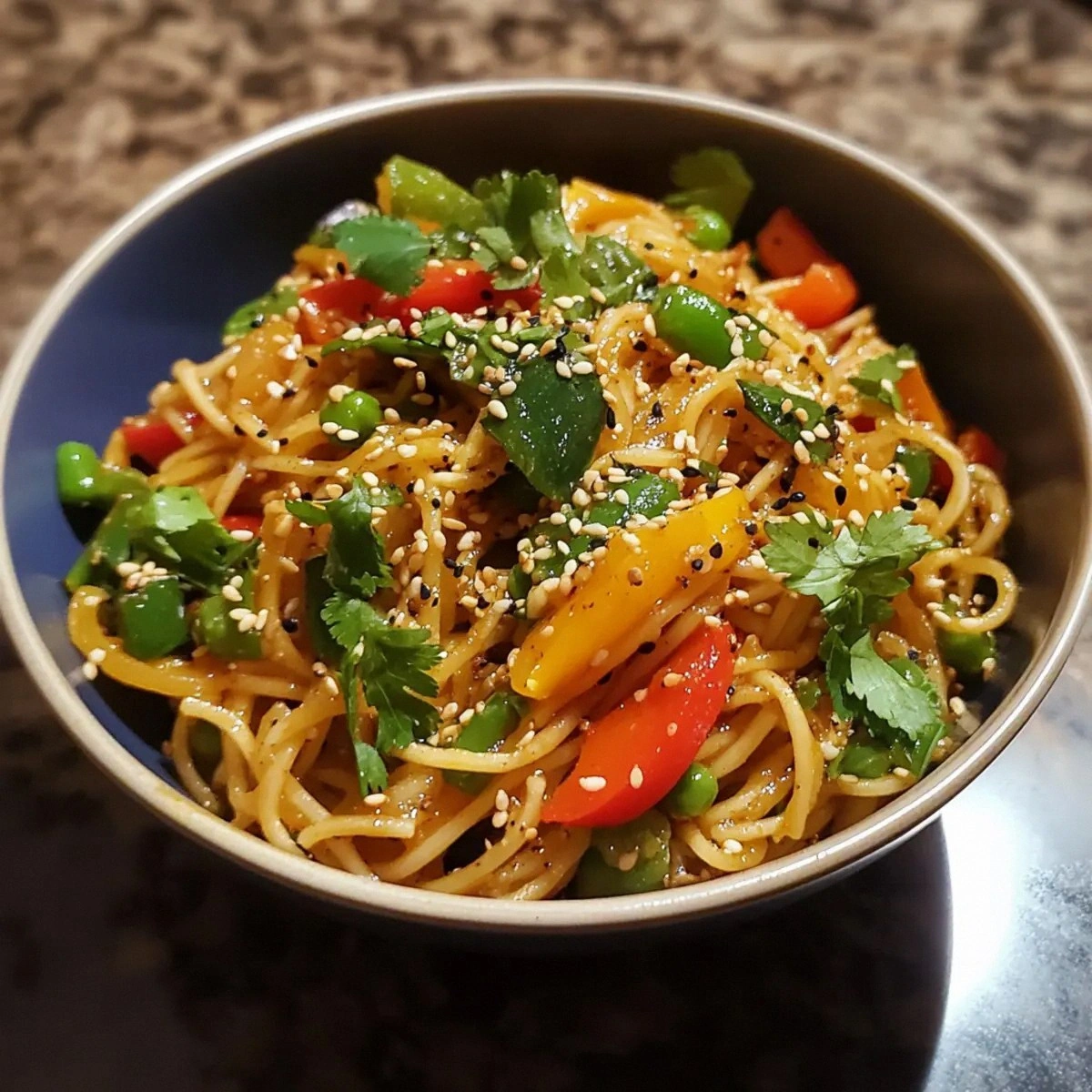
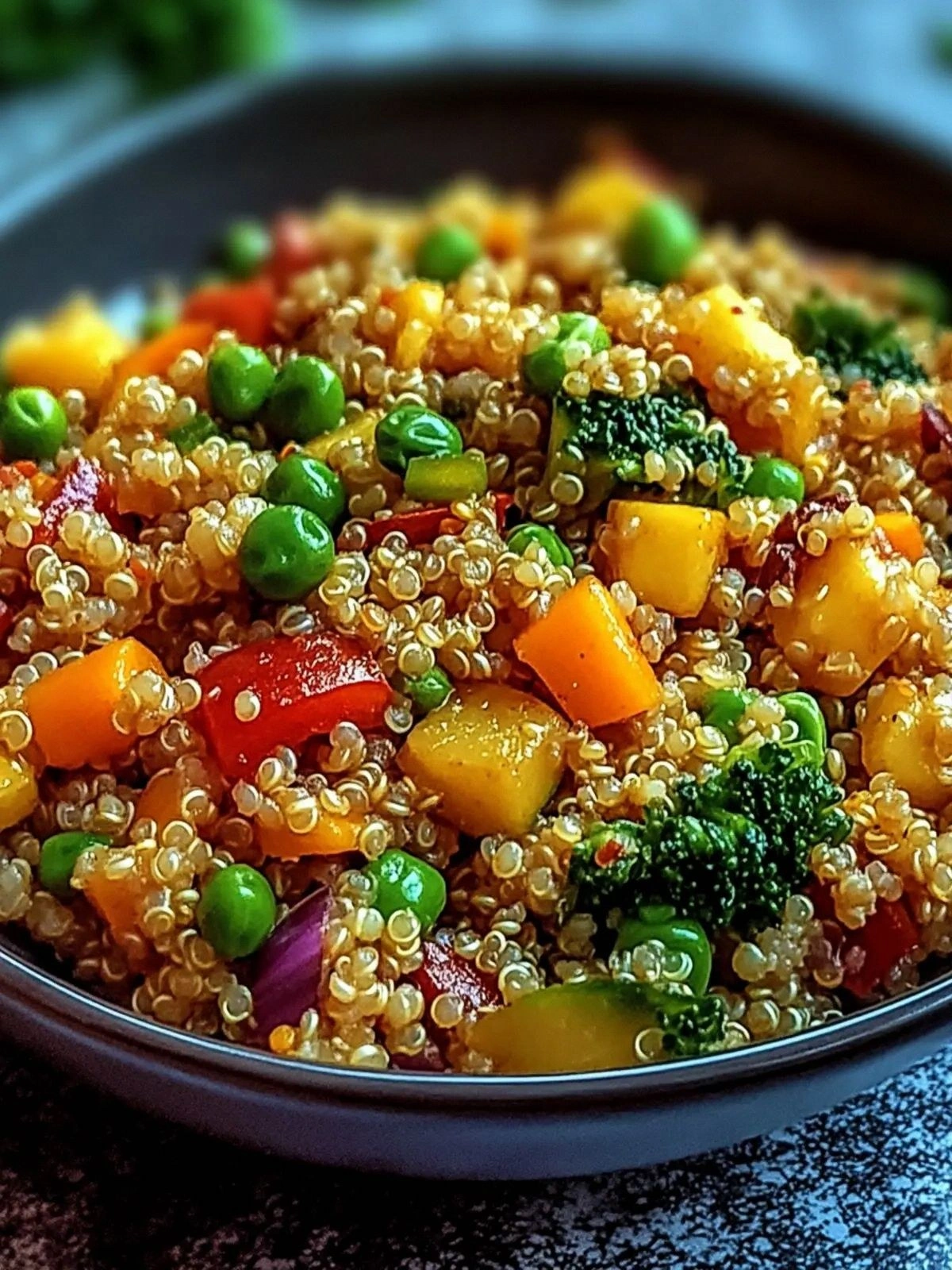
- Plate the stir‑fry onto a warm dish, ensuring each portion is generous. The finished dish should look like a rainbow of vegetables, with quinoa grains glistening in the sauce. Serve immediately for the best texture; the quinoa will be fluffy and the veggies crisp.
- If you’re serving a crowd, keep the dish warm in a low‑heat oven (around 200°F) while you finish plating. This prevents the quinoa from drying out and keeps the sauce from separating. A quick stir before serving restores its silky sheen.
That’s it—you did it. But hold on, I’ve got a few more tricks that will take this to another level.
Insider Tricks for Flawless Results
The Temperature Rule Nobody Follows
Heat is your best friend in a stir‑fry. A consistently high temperature keeps the vegetables crisp and the sauce from becoming syrupy. If the pan drops too low, the veggies will steam instead of sear, resulting in a mushy texture. Use a wok or a wide skillet to distribute heat evenly.
Why Your Nose Knows Best
The smell of garlic and ginger sizzling is a reliable indicator that the flavors are developing correctly. If the aroma is faint, increase the heat slightly or add a splash of water to help the aromatics release. A strong, fragrant scent signals that the sauce is caramelizing just right.
The 5‑Minute Rest That Changes Everything
After cooking, let the dish rest for five minutes before serving. This allows the quinoa to finish steaming and the sauce to thicken into a glossy coating. The rest period also lets the flavors settle, creating a more harmonious bite.
The Secret of Even Coating
When adding the sauce, pour it in a thin stream while stirring constantly. This technique ensures that every grain of quinoa and every vegetable slice is coated without pooling. A thin, even layer of sauce prevents the dish from feeling greasy.
The Quick Shake
If the quinoa seems dry after cooking, sprinkle a tablespoon of water and give the pan a quick shake. The steam will rehydrate the grains, restoring their fluffy texture. This trick works wonders for leftovers that have dried out.
Creative Twists and Variations
This recipe is a playground. Here are some of my favorite ways to switch things up:
Protein Power
Add diced tofu, tempeh, or sliced chicken breast for a protein boost. Marinate the protein in a little soy sauce and sesame oil before stir‑frying to infuse extra flavor. This variation turns the dish into a hearty main course.
Spicy Kick
Incorporate red pepper flakes or a dash of sriracha for heat. Adjust the amount to your tolerance, but remember that the sauce will mellow as it cools. The spicy version pairs well with a cool cucumber salad.
Nutty Crunch
Top the finished dish with toasted almonds, cashews, or sesame seeds. The crunch adds a contrasting texture and a nutty flavor that complements the quinoa’s natural nuttiness. This twist is perfect for a quick snack or side dish.
Citrus Burst
Finish the stir‑fry with a squeeze of lime or lemon juice. The citrus acidity brightens the flavors and cuts through the richness of the sauce. A sprinkle of chopped cilantro or basil adds an herbal note.
Mushroom Medley
Swap the broccoli for sliced shiitake or button mushrooms. The earthy flavor of mushrooms pairs beautifully with the soy‑ginger sauce, creating a more complex taste profile. Cook the mushrooms until they release their juices and become tender.
Gluten‑Free Swap
Use tamari instead of soy sauce for a gluten‑free version. The flavor remains similar, but it eliminates wheat. This adjustment makes the dish suitable for those with gluten sensitivities.
Storing and Bringing It Back to Life
Fridge Storage
Cool the dish completely before placing it in an airtight container. Store in the refrigerator for up to 3 days. The quinoa will stay fluffy, and the vegetables will retain their crispness if reheated gently.
Freezer Friendly
Divide the dish into meal‑prep portions and freeze in freezer‑safe containers. It will keep well for up to 2 months. Thaw overnight in the refrigerator and reheat with a splash of water to restore moisture.
Best Reheating Method
Reheat in a skillet over medium heat, adding a tablespoon of water or broth. This creates steam that brings the quinoa back to life. Finish with a drizzle of sesame oil to revive the glossy sauce.