Picture this: it’s a rainy Thursday evening, you’re hunched over the sink, a half‑cooked batch of pasta stuck to the bottom of the pot, and the kitchen smells like burnt garlic because you were too busy scrolling TikTok to notice the smoke alarm. I’ve been there, and I’ve survived, but that disaster sparked a culinary epiphany that led me straight to this creamy squash fettuccine. I swear, the moment the caramelized onions hit the pan, the whole apartment lit up with a glow that felt more like a spotlight than a kitchen lamp. That sizzle when it hits the pan? Absolute perfection.
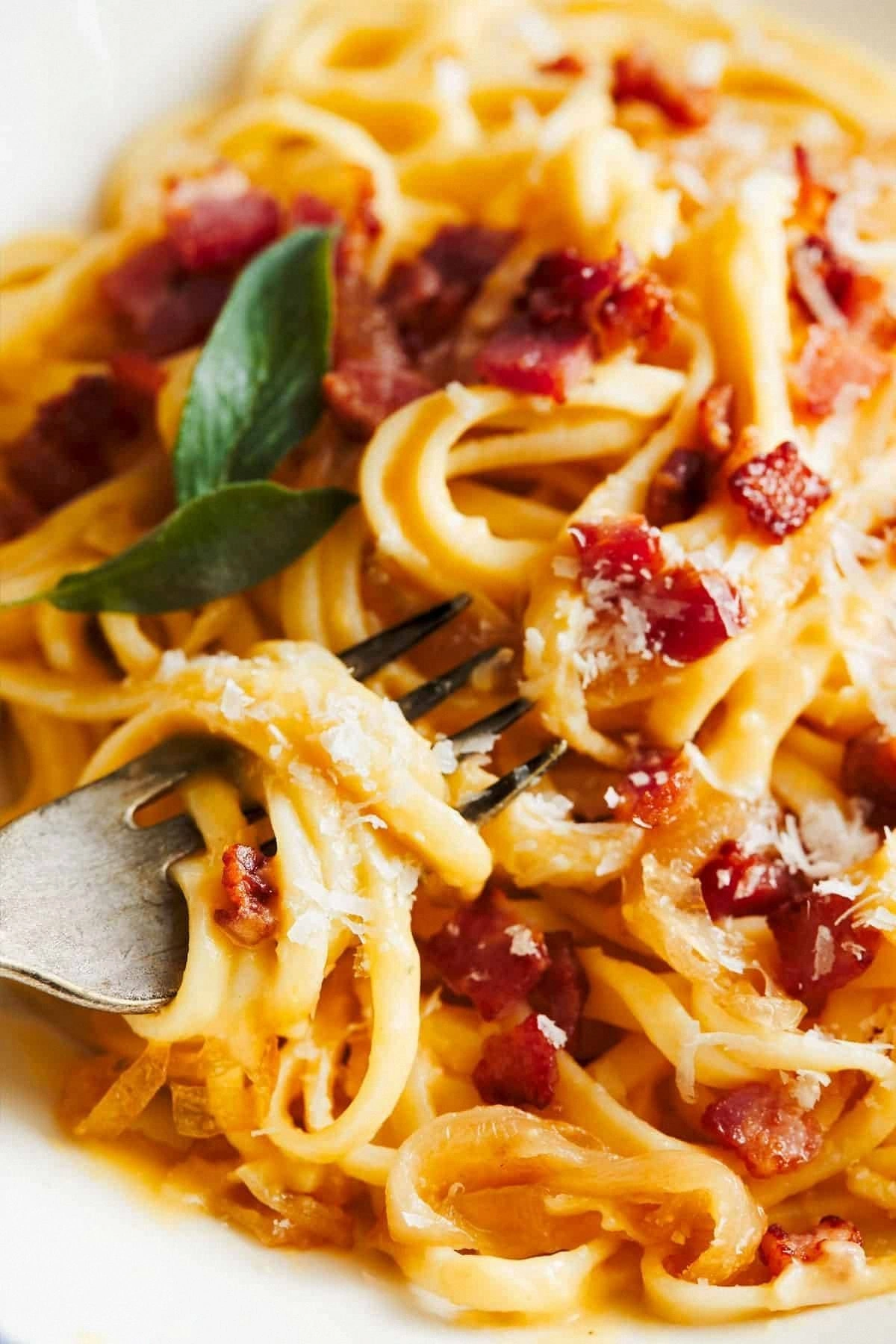
Fast forward a few weeks, and I’m standing over a pot of perfectly al dente fettuccine, the squash folded into a silky sauce that clings to each strand like velvet draped over a marble statue. The pancetta crackles, releasing a salty, smoky perfume that makes your nostrils dance, while a whisper of sage weaves through the creamy base, adding an earthy note that grounds the whole thing. The first forkful is a revelation: sweet squash, buttery cream, salty pork, and a subtle bite of Parmesan that lingers just long enough to make you sigh. I dare you to taste this and not go back for seconds.
Most recipes for squash pasta either drown the noodles in a watery puree or slap on a generic alfredo that masks the natural sweetness of the squash. This version, however, is the antithesis of “generic.” I’m talking about a sauce that’s thick enough to coat the pasta without swimming, bright enough to showcase the squash, and rich enough to satisfy a comfort‑food craving without feeling heavy. The secret? A quick caramelization of onions paired with crisp pancetta, plus a splash of heavy cream that’s reduced just enough to develop a whisper of nutmeg without turning the dish into a dairy swamp.
And here’s the kicker: I’m tossing in a tiny dash of smoked paprika that you’ll never see coming, which adds a faint, almost mischievous warmth that makes the whole plate sing. Okay, ready for the game‑changer? This isn’t just a recipe; it’s a love letter to autumnal flavors that you can enjoy year‑round. Let me walk you through every single step — by the end, you’ll wonder how you ever made it any other way.
What Makes This Version Stand Out
- Taste: The natural sweetness of roasted butternut squash is balanced by a smoky, salty pancetta crunch, creating a flavor duet that sings on the palate.
- Texture: Silky, coat‑the‑pasta sauce meets crisped onions and pancetta, delivering a mouthfeel that’s both creamy and satisfyingly crunchy.
- Simplicity: Only nine core ingredients, yet each one is treated with a technique that maximizes flavor without unnecessary fuss.
- Uniqueness: A surprise splash of smoked paprika and fresh sage adds depth you won’t find in typical squash pasta dishes.
- Crowd Reaction: Guests invariably ask for the recipe, and I’ve seen plates emptied faster than a Black Friday sale.
- Ingredient Quality: Using a high‑fat pancetta and a good-quality Parmesan makes the sauce richer without extra butter.
- Cooking Method: The two‑stage sauce—first caramelizing onions, then reducing cream—creates layers of flavor that build on each other.
- Make‑Ahead Potential: The sauce can be pre‑made and stored, so you can whip up a gourmet dinner in under 20 minutes on a busy weeknight.
Alright, let's break down exactly what goes into this masterpiece...
Inside the Ingredient List
The Flavor Base
The heart of this dish starts with the onion and pancetta. Thinly sliced sweet onions, when cooked low and slow, become buttery and develop a natural caramel that is the backbone of the sauce. Pancetta, with its delicate cure and subtle smokiness, adds a salty crunch that cuts through the sweetness. If you skip the pancetta, you’ll lose that essential umami punch, and the dish can feel flat. A good swap is smoked bacon, but keep the thickness in mind—thin strips crisp faster.
The Texture Crew
Butternut squash is the star here, providing both body and a gentle sweetness. I recommend roasting the cubes first; this concentrates flavor and prevents the sauce from turning watery. Heavy cream is the luxurious binder, and when reduced, it thickens without curdling. Parmesan cheese, freshly grated, not only adds a salty bite but also helps emulsify the sauce. If you’re dairy‑free, swap the cream for coconut milk and the Parmesan for nutritional yeast, though you’ll lose some of that melt‑in‑your‑mouth richness.
The Unexpected Star
Fresh sage might seem like a background herb, but it’s the aromatic spark that lifts the entire plate. Its piney notes contrast beautifully with the sweet squash. If sage isn’t your jam, try thyme or a pinch of rosemary for a woodier profile. A single teaspoon is enough; too much will overwhelm the delicate balance.
The Final Flourish
Salt and pepper are the final seasoning layers that bring everything together. A pinch of nutmeg, added at the end of the cream reduction, adds a warm, almost nostalgic spice that whispers of holiday tables. Don’t over‑do it—just enough to tease the palate. For a touch of heat, a dash of smoked paprika can be added; it’s the secret that makes the dish feel both familiar and adventurous.
Everything's prepped? Good. Let's get into the real action...
The Method — Step by Step
- Start by bringing a large pot of salted water to a rolling boil. Add the fettuccine and cook until it’s al dente—usually about 9‑11 minutes depending on the brand. I like to taste a strand a minute before the package suggests; it should have a firm bite, not a mushy surrender. Drain, reserving a cup of pasta water, and set the noodles aside.
- While the pasta cooks, heat 2 tablespoons of olive oil in a large skillet over medium heat. Toss in the diced pancetta and sauté until the fat renders and the pieces turn golden and crisp, about 4‑5 minutes. Listen for that satisfying crackle—it’s the soundtrack of flavor building.
- Remove the pancetta with a slotted spoon and set it on a paper towel to stay crisp. Leave the rendered fat in the pan; this is your flavor base. Add the sliced onions, stirring to coat them in the pork fat. Reduce the heat to low, and let them sweat for 12‑15 minutes, stirring occasionally. Watch for the edges to start pulling away—that’s when the caramelization is about to happen.
- While the onions are turning amber, toss the cubed butternut squash onto a parchment‑lined baking sheet, drizzle with 1 tablespoon of olive oil, and roast at 400°F (200°C) for 20‑25 minutes, or until the edges are caramelized and the interior is fork‑tender. This step is non‑negotiable; raw squash will water down the sauce, and you’ll lose that sweet‑toasted flavor.
- When the squash is done, transfer it to a blender with the reserved pasta water (start with half a cup) and blend until smooth. Add the heavy cream, a pinch of nutmeg, and the smoked paprika. Blend again just until combined; you want a velvety texture, not a frothy mess.
- Return the blended squash‑cream mixture to the skillet with the caramelized onions. Stir in the butter and let the sauce simmer gently for 4‑5 minutes, allowing it to thicken. If the sauce seems too thick, add a splash more reserved pasta water; it should coat the back of a spoon without pooling.
- Stir in the grated Parmesan, fresh sage, and the crispy pancetta. Taste and season with salt and freshly ground black pepper. The sauce should taste like a balanced hug—sweet, salty, and a touch of earthiness.
- Finally, toss the cooked fettuccine into the sauce, ensuring every strand is enveloped. Let the pasta sit in the skillet for a minute, allowing the starches to meld with the sauce for that perfect cling. Serve immediately, garnished with an extra sprinkle of Parmesan and a drizzle of olive oil if desired.
That's it — you did it. But hold on, I've got a few more tricks that'll take this to another level...
Insider Tricks for Flawless Results
The Temperature Rule Nobody Follows
Never add cold cream directly to a hot pan; it will seize and create clumps. Warm the cream gently on low heat before mixing it in, and you’ll get a silky sauce every single time. I once tried to shortcut this step, and the sauce turned grainy—lesson learned.
Why Your Nose Knows Best
When the onions start to caramelize, the scent will shift from sharp to sweet, almost like toasted marshmallows. If you can smell that change, you’re ready to move on. Trust your nose more than the clock; it’s a more reliable timer.
The 5‑Minute Rest That Changes Everything
After you finish cooking, let the pasta sit off the heat for five minutes. This short rest allows the sauce to thicken further and cling better. I’ve seen people serve it straight away and end up with a saucy pool on the plate—no one wants that.
Butter‑First, Then Cream
Adding butter before the cream creates a base that prevents the cream from separating. The butter also adds a glossy sheen that makes the dish look restaurant‑ready. If you skip the butter, you’ll notice a dull finish.
Season in Layers
Season the squash before roasting, then season the sauce again after adding the Parmesan. Layered seasoning builds depth; otherwise the final dish can taste flat. I once under‑salted the squash and over‑salted the sauce, ending up with a confusing flavor profile.
Creative Twists and Variations
This recipe is a playground. Here are some of my favorite ways to switch things up:
Spicy Sausage Swap
Replace pancetta with Italian spicy sausage. The heat from the sausage pairs beautifully with the sweet squash, and the fennel in the sausage adds a subtle anise note that brightens the sauce.
Vegan Velvet
Swap the heavy cream for cashew cream and use smoked tempeh instead of pancetta. Nutritional yeast stands in for Parmesan, giving a cheesy umami without dairy. The texture stays lush, and the dish becomes entirely plant‑based.
Herbaceous Harvest
Mix in a handful of fresh rosemary and thyme with the sage. The piney herbs turn the dish into a forest‑floor experience, perfect for a fall dinner party where you want to wow guests with aromatic complexity.
Cheese‑Lover’s Dream
Stir in a blend of goat cheese and aged Pecorino instead of Parmesan. The tangy goat cheese adds a creamy tang while Pecorino brings a sharp, salty finish that cuts through the sweetness.
Winter Warmth
Add a teaspoon of ground cinnamon and a splash of maple syrup to the sauce. The warm spices turn the dish into a cozy comfort food that’s practically a hug in a bowl.
Seafood Splash
Top the finished pasta with pan‑seared scallops. The sweet, buttery flavor of the scallops complements the squash, and the contrast between the crisp pancetta and delicate seafood is a texture dream.
Storing and Bringing It Back to Life
Fridge Storage
Transfer any leftovers to an airtight container and refrigerate for up to three days. The sauce may thicken as it cools; simply reheat gently on the stove, adding a splash of water or broth to loosen it up.
Freezer Friendly
For longer storage, freeze the sauce (without the pasta) in a freezer‑safe bag for up to two months. Thaw overnight in the fridge, then gently reheat and combine with freshly cooked fettuccine for a “just‑made” feel.
Best Reheating Method
When reheating, use a low‑heat skillet, add a tablespoon of olive oil, and stir in the sauce until it glistens. A tiny splash of water (or broth) before you start will steam the sauce back to its original silkiness, preventing a greasy finish.